Sega CEO Discusses the Evolving Landscape of Game Distribution: A Balanced Approach to Physical and Digital Media


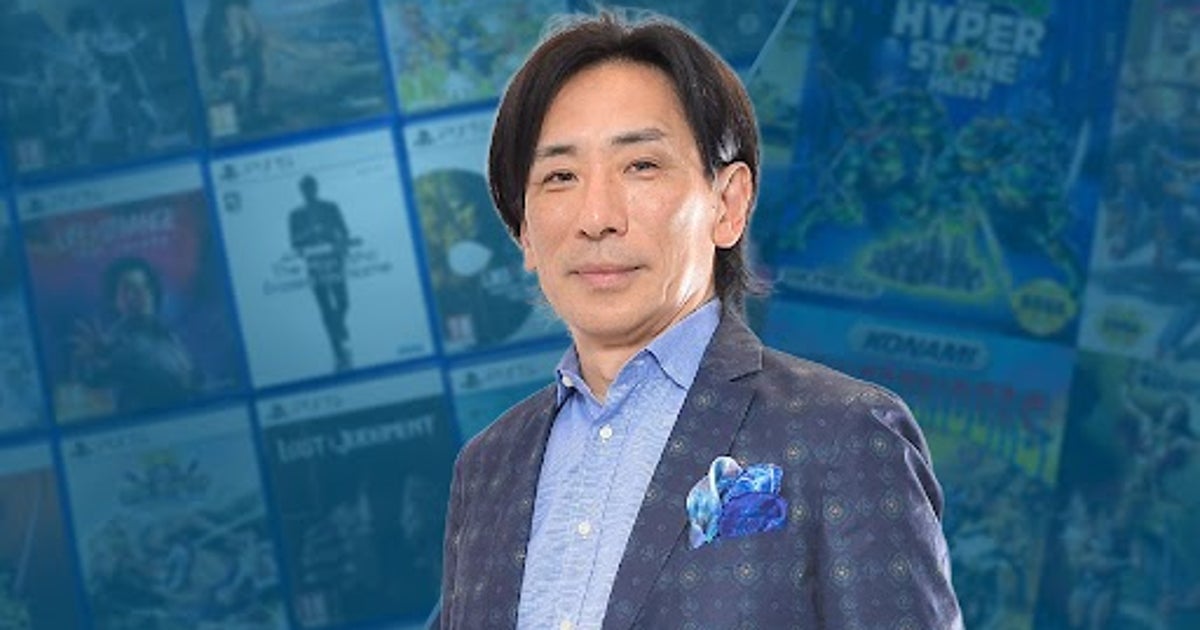
In a significant statement that offers a counterpoint to the industry’s accelerating shift towards digital-only distribution, Sega President Shuji Utsumi has articulated a nuanced perspective on the future of game media. Utsumi’s remarks, made in a recent interview with the esteemed Japanese publication Famitsu, underscore Sega’s commitment to both the enduring value of physical media and the undeniable necessity of digital platforms, particularly in light of the burgeoning PC gaming market. This declaration comes at a critical juncture, as major players like Sony PlayStation signal a definitive move away from physical disc manufacturing by 2028, a decision that has ignited widespread debate among consumers, industry observers, and creators alike.
The Shifting Tides of Game Consumption
The gaming industry has witnessed a seismic transformation in its distribution models over the past two decades. While physical media once reigned supreme, the advent and widespread adoption of high-speed internet have propelled digital downloads to the forefront of game acquisition. This trend has been further amplified by the rise of digital storefronts on consoles and PC, offering convenience, instant access, and often, competitive pricing.
However, the recent pronouncements from Sony PlayStation regarding the cessation of disc production and sales by January 2028 have brought the long-term viability of physical media into sharp focus. This decision, which has been met with significant backlash, raises crucial questions about consumer ownership, preservation, accessibility for those with limited internet access, and the potential for digital storefronts to dictate terms of access and resale.
Sega’s Dual-Pronged Strategy: Embracing the Digital, Honoring the Physical
Sega’s approach, as outlined by President Utsumi, presents a stark contrast to the more singular focus on digital transformation seen from some competitors. While acknowledging the "crucial" nature of digital distribution, Utsumi emphasized that this does not necessitate the abandonment of physical formats.
"When it comes to titles we call ‘full games’ for consoles and PCs, we believe that a digital shift is crucial," Utsumi stated in the Famitsu interview. His reasoning is rooted in the observable growth of PC gaming. "Of course, consoles are important, but the proportion of people who play on PCs is steadily increasing. Even in areas where consoles are not widely available, there are many people who say, ‘I can play it on PC.’"
This observation highlights a key demographic and market segment that Sega appears keen to cultivate. The increasing accessibility and power of personal computers, coupled with the flexibility they offer in terms of hardware customization and a vast library of games, have made PC gaming a dominant force. Sega’s strategy appears to be designed to capitalize on this trend by ensuring its titles are readily available and optimized for PC players, a significant portion of whom may also engage with digital distribution channels.
"In order to cultivate that market, we believe it is important to strengthen our digitalisation," Utsumi continued. "We tend to think from a physical perspective, so I think we need to be more digitally conscious and become more global." This statement suggests an internal recognition within Sega that a more proactive and expansive digital strategy is necessary to meet the demands of a globalized gaming audience and to remain competitive in an increasingly interconnected market.
Echoes of History: Sega’s Hardware Legacy and Publisher Prowess
Utsumi’s perspective is also informed by Sega’s own rich and complex history in the video game industry. For decades, Sega was not just a software developer and publisher but also a formidable hardware manufacturer, responsible for iconic consoles such as the Sega Genesis (Mega Drive), Sega Saturn, and the Dreamcast. While these consoles garnered critical acclaim and fostered passionate fan bases, Sega ultimately exited the hardware market in 2001, a decision that was both a strategic pivot and a painful acknowledgment of intense competition from Sony and Nintendo.
This period of hardware development and subsequent withdrawal provided Sega with invaluable lessons. The experience of navigating the volatile hardware market, the challenges of manufacturing, distribution, and the intense R&D investment required, likely instilled a deep appreciation for the tangible nature of physical products and the consumer connection they foster.
"We were originally a platform provider, and of course, we still value the culture of physical media," Utsumi remarked, drawing a direct line from Sega’s past to its present philosophy. "Rather than completely abandoning that, we are currently challenging ourselves to shift so that we can think about and act on the important aspects of digital media in parallel." This commitment to a dual approach suggests that Sega views physical media not as an anachronism, but as a valuable component of its brand identity and a means of connecting with a segment of its audience that cherishes ownership and the physical artifact of a game.
Industry Reactions and the Debate Over Digital Futures
The gaming community’s response to Sony PlayStation’s decision to phase out physical media has been largely one of concern and apprehension. Numerous experts and consumer advocates have voiced their worries about the potential ramifications for consumer rights, digital preservation, and the very concept of game ownership.
One significant area of concern is the long-term accessibility and ownership of digital games. Unlike physical discs, which can be resold, lent, or preserved independently, digital licenses are often tied to specific accounts and storefronts. This raises questions about what happens if a platform is discontinued, a publisher goes out of business, or a specific game is delisted from a digital store. Critics argue that a digital-only future could grant publishers and platform holders unprecedented control over consumer access to their purchased content, potentially leading to situations where games become inaccessible even if they were once purchased.
Furthermore, the environmental impact of digital distribution, while often touted as more sustainable, is also a subject of debate. The energy required to power vast data centers for downloading and streaming games, as well as the constant need for device upgrades to support new software, presents its own set of environmental considerations.
In response to Sony’s announcement, petitions have emerged from disgruntled consumers urging the company to reconsider its stance. However, Sony appears resolute in its strategic direction. Reports suggest that even regulatory bodies like the European Union may be unable to sway Sony’s decision, highlighting the immense market power and strategic autonomy of major hardware manufacturers.
The ripple effect of Sony’s move is prompting other industry figures to weigh in. Sohei Niikawa, the creator of the popular RPG series Disgaea, has offered a provocative perspective, suggesting that if PlayStation is to fully embrace a digital-only future, it should also consider discontinuing hardware production altogether. This sentiment underscores the intertwined nature of hardware and software in the traditional console ecosystem and the fundamental shift that a complete abandonment of physical media would represent.
Analysis of Implications: A Broader Perspective
Sega’s stated intention to pursue a balanced strategy between physical and digital distribution carries significant implications for the broader gaming landscape.
Consumer Choice and Accessibility: By continuing to support physical media, Sega offers a vital choice to consumers who may prefer or require it. This includes individuals in regions with less reliable internet infrastructure, collectors who value physical products, and those who are wary of the implications of digital-only ownership. This inclusivity can broaden Sega’s market reach and foster goodwill among a diverse player base.
Market Diversification: While the trend towards digital is undeniable, a complete shift could alienate a substantial portion of the gaming audience. Sega’s more measured approach allows it to cater to multiple market segments, potentially securing a more stable and diversified revenue stream.
Preservation and Legacy: Physical media has historically played a crucial role in game preservation. While digital archives are evolving, the tangible nature of discs and cartridges offers a form of redundancy and independence from platform-specific digital infrastructure. Sega’s commitment to physical media implicitly supports the long-term preservation of its game library.
Competitive Positioning: In a market where many are moving towards a singular digital strategy, Sega’s dual approach could become a unique selling proposition. It positions the company as one that understands and respects different consumer preferences, potentially attracting players who feel underserved by the industry’s more aggressive digital push.
The Future of Hybrid Models: Sega’s strategy hints at the possibility of hybrid models where physical releases are accompanied by robust digital offerings, or where physical editions serve as premium collector’s items. This could represent a sustainable path forward for physical media, ensuring its continued relevance without hindering the growth of digital distribution.
In conclusion, Sega President Shuji Utsumi’s statements offer a refreshing perspective in an era of rapid digital transformation. By advocating for a parallel development of digital capabilities while valuing the enduring significance of physical media, Sega positions itself as a thoughtful and inclusive player in the global gaming industry. This balanced approach not only reflects the company’s historical legacy but also demonstrates a strategic foresight that acknowledges the diverse needs and preferences of its ever-evolving player base. As the industry continues to grapple with the implications of a digital-first future, Sega’s commitment to a hybrid model may well serve as a blueprint for how publishers can navigate these changes while ensuring continued consumer engagement and the preservation of gaming culture.
Related posts: