Seattle’s Short-Spine Raccoon Jimothy Becomes a Viral Sensation and a Case Study in Genetic Adaptability

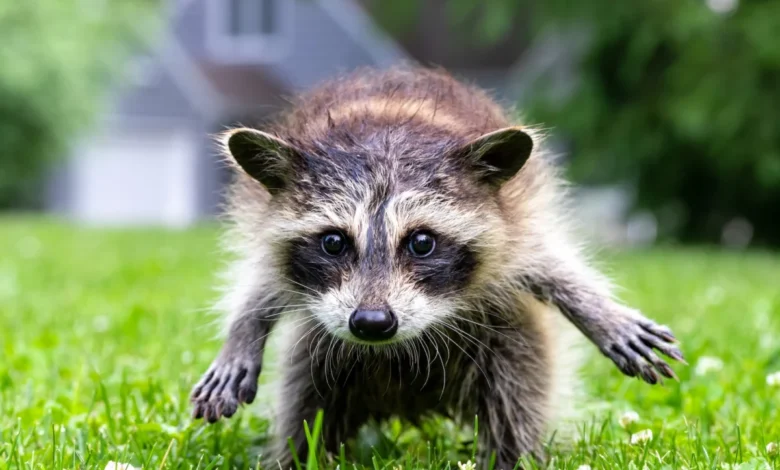
The city of Seattle, long known for its vibrant urban wildlife and its residents’ affinity for the natural world, has found a new mascot in an unlikely place: a dumpster area near a Goodwill store in the Ballard neighborhood. Jimothy, a raccoon with a strikingly compact and rounded physique, has ascended from a local curiosity to a global internet phenomenon. While his appearance has earned him nicknames like "King Jimothy" and sparked a movement dubbed "Hot Jimothy Summer," the underlying cause of his unique silhouette is a rare medical condition known as short spine syndrome. The sudden fame of this masked scavenger offers a rare window into the intersection of genetic mutation, urban ecology, and the ethical responsibilities of the public when interacting with habituated wildlife.
The Discovery and Viral Emergence of Jimothy
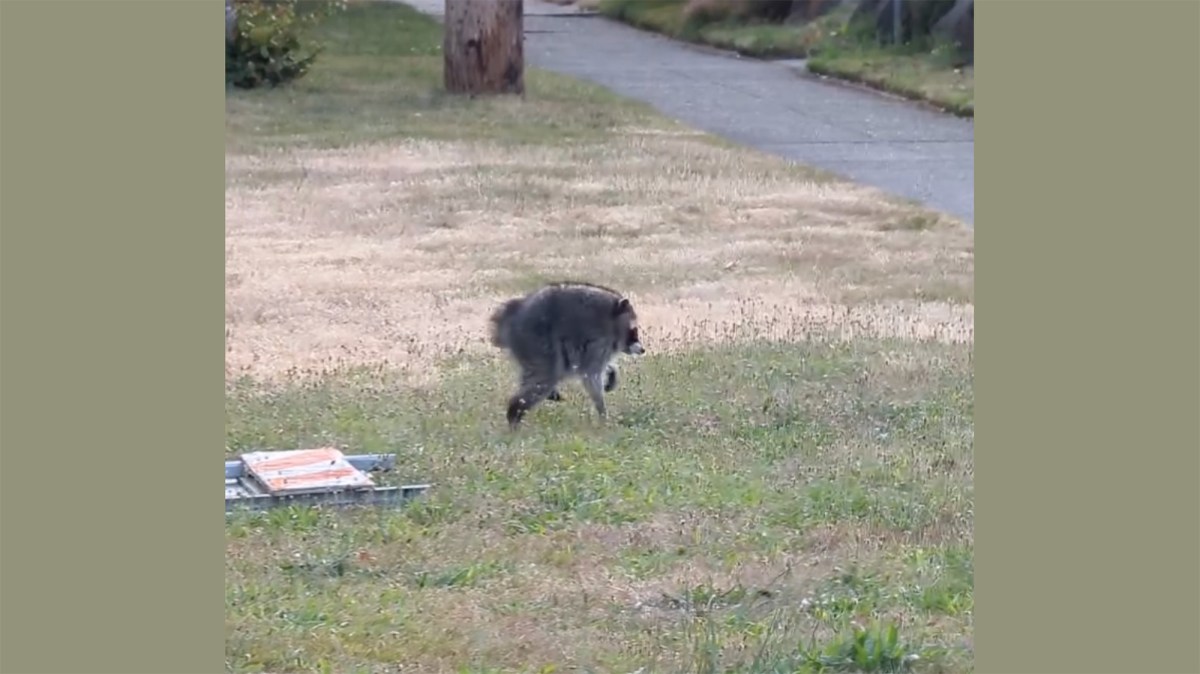
The narrative of Jimothy began when Kiana Hall, a Seattle resident, spotted what she initially believed to be a stray cat sheltered under a vehicle. Upon closer inspection, the creature’s movements and distinctive facial markings revealed it was not a feline but a raccoon with a highly unusual body structure. Hall captured the animal on video and shared the footage on social media, where it quickly transcended local circles. Within weeks, the video amassed millions of views across platforms like Instagram and TikTok, with commenters drawing comparisons to cryptids such as the Chupacabra or legendary figures like Bigfoot due to the animal’s "no-neck" appearance.
The name "Jimothy" was bestowed by Hall, who noted that the animal simply possessed a certain "Jimothy-like" character. This personification helped fuel a digital subculture. Fans have since produced fan art, dedicated memes, and even commemorative merchandise. However, beneath the digital fanfare lies a significant biological anomaly that has piqued the interest of the scientific community.
The Science of Short Spine Syndrome
Short spine syndrome is an exceptionally rare genetic condition characterized by a severe compression of the vertebral column. According to Julian D. Avery, an ecologist and associate research professor at Penn State University, the condition is rooted in a recessive genetic trait. For an animal to manifest the syndrome, it must inherit the faulty gene from both parents. Because the condition often presents significant physical hurdles, individuals with short spine syndrome rarely survive to adulthood in the wild, making Jimothy’s existence a statistical outlier.
The physiological development of the spine is often compared to the segmentation of a long tube. In a typical embryo, the spinal column differentiates into distinct, articulated vertebrae. In animals with short spine syndrome, this process is disrupted; the vertebrae remain fused, compressed, or fail to develop their full length. This results in a torso that is significantly shortened while the limbs often remain a standard length, creating a "hunched" or "compact" appearance.
Despite the dramatic skeletal alteration, Avery notes that the condition does not necessarily correlate with cognitive impairment or organ failure. In many documented cases—most of which occur in domestic dogs—the internal organs are of normal size but are crowded within a smaller thoracic and abdominal cavity. If an animal can navigate its environment and forage effectively during its youth, it has a reasonable chance of reaching maturity.
Chronology of a Cultural Phenomenon
The rise of Jimothy followed a rapid timeline that illustrates the power of social media in shaping public interest in wildlife:
- Early July 2024: Initial sightings in Ballard, Washington. Kiana Hall records the first viral footage near a local Goodwill.
- Mid-July 2024: The "Jimothy" moniker takes hold. Social media engagement spikes, leading to the "Hot Jimothy Summer" meme and the creation of unofficial merchandise.
- Late July 2024: Wildlife experts and ecologists begin weighing in on the animal’s health, confirming the likelihood of short spine syndrome.
- July 26, 2024: Seattle City Councilmember Alexis Mercedes Rinck announces an official proclamation in Jimothy’s honor, recognizing the raccoon as a symbol of Seattle’s unique urban character and organizing a community art competition.
- August 2024: State wildlife agencies issue formal guidance to the public regarding the animal’s welfare and the dangers of human intervention.
Urban Adaptability and the Resilience of the Raccoon
Raccoons (Procyon lotor) are among the most adaptable medium-sized mammals in North America. Their success in urban environments like Seattle is attributed to their omnivorous diet, dexterous front paws, and high level of intelligence. Jimothy’s survival is a testament to this species-wide resilience.
Observation of Jimothy’s behavior suggests he is highly functional. Viral videos show him climbing, foraging, and navigating urban obstacles with a level of agility that suggests his compressed spine has not significantly hindered his mobility. Julian Avery emphasizes that raccoons are "resourceful generalists," capable of thriving in varied conditions. In an urban setting where food sources (such as unsecured trash and outdoor pet food) are abundant, the physical demands of survival are often lower than in a strictly wilderness environment, potentially providing a "buffer" that allowed a compromised individual like Jimothy to survive.
Official Responses and the Ethics of Wildlife Interaction
The Washington Department of Fish and Wildlife (WDFW) has monitored the situation closely. While the agency acknowledges the public’s affection for the animal, it has maintained a firm "hands-off" policy. In a statement provided to media outlets, a spokesperson for the WDFW urged residents to admire the raccoon from a distance, noting that the animal appears to be "getting around fine, unassisted."
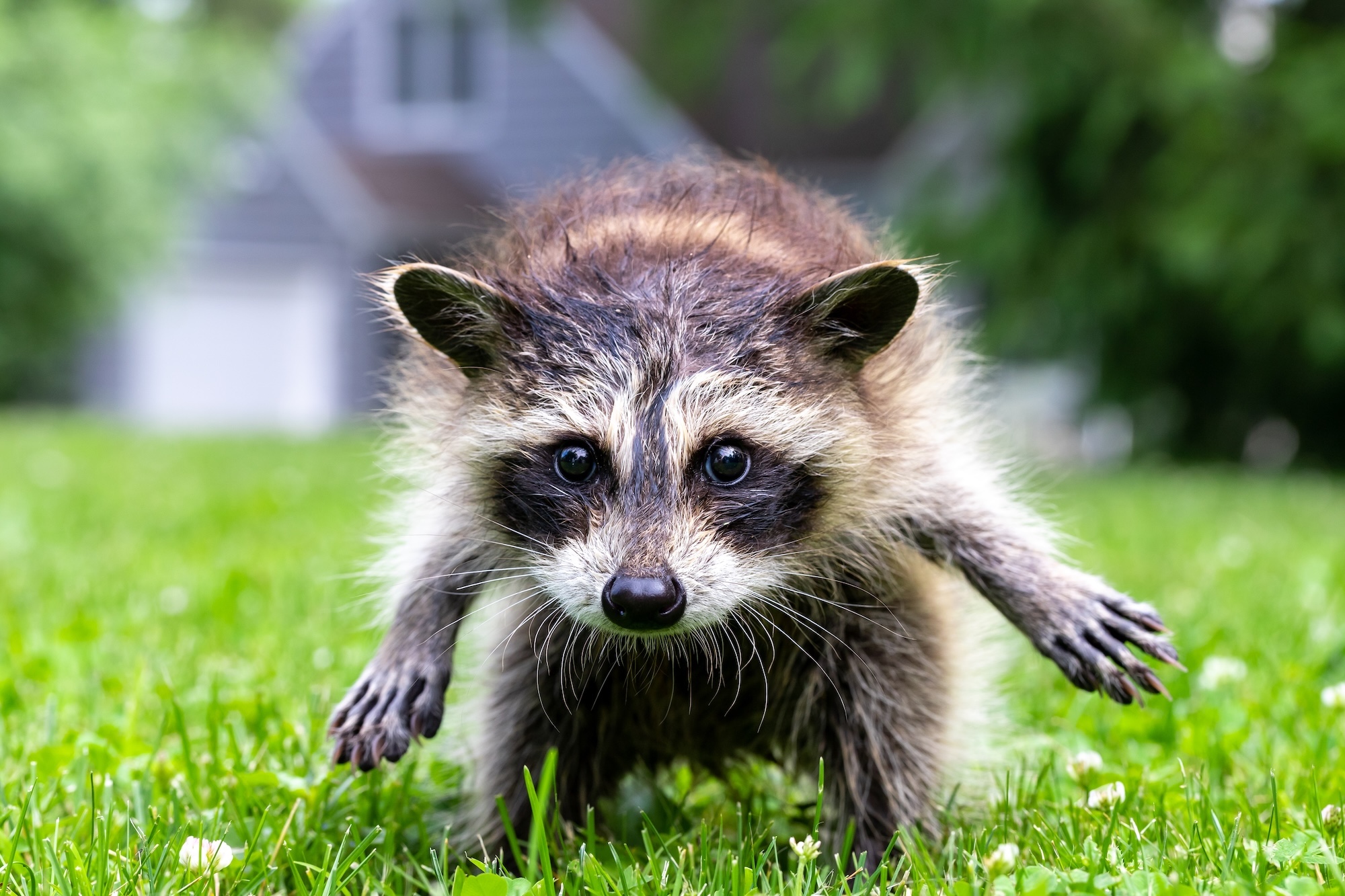
The primary concern for wildlife officials and ecologists is not Jimothy’s spine, but the risk of habituation. When a wild animal becomes a local celebrity, there is an increased tendency for humans to offer food. This creates a dangerous cycle:
- Loss of Fear: Habituation leads to a loss of natural wariness toward humans and vehicles.
- Health Risks: Human food is often nutritionally inappropriate for wildlife and can lead to secondary health issues.
- Human-Wildlife Conflict: If an animal becomes too bold, it may be deemed a nuisance or a threat, leading to its legal removal or euthanasia by authorities.
Avery warns that the greatest threat to Jimothy is the very popularity he enjoys. "When people start feeding wild animals, they start hanging around in unsafe ways," Avery stated. The goal of conservationists is to ensure that Jimothy remains a wild animal rather than a "neighborhood pet," ensuring his safety from traffic and official intervention.
Broader Impact and Scientific Literacy
The Jimothy phenomenon serves a broader purpose beyond mere entertainment. It has become an entry point for public discourse on genetics, biodiversity, and urban conservation. By engaging with the story of a "short-spine" raccoon, the public is exposed to complex biological concepts such as recessive traits and congenital defects.
Furthermore, Jimothy’s fame has encouraged a "citizen science" mindset among Seattle residents. Kiana Hall expressed hope that the raccoon’s story would inspire people to take walks in their neighborhoods and observe the wildlife that shares their environment. This increased awareness can lead to better stewardship of local ecosystems, such as improved trash management to prevent attracting pests and a deeper appreciation for the "natural variation" within animal populations.
Future Outlook for Seattle’s Folk Hero
As "Jimothy Summer" transitions into autumn, the long-term outlook for the raccoon remains a subject of cautious optimism. While wild raccoons typically have a lifespan of two to three years due to predation and accidents, those in urban environments can occasionally live longer if they avoid human-related hazards.
The Seattle City Council’s proclamation and the subsequent community art contests have solidified Jimothy’s place in the city’s cultural history. However, for Jimothy to continue his life as a successful urban inhabitant, the public must transition from active participants in his daily life to respectful observers. The legacy of Jimothy will likely be defined not just by his unique shape, but by the way his story taught a city to appreciate the unexpected diversity of the natural world from a safe and respectful distance. For now, Jimothy continues to roam the alleys of Ballard, a compact reminder of nature’s capacity for survival against the odds.
Related posts: