Nothing Ear (3a) Review: A Divergent Path for Affordable Audio with Privacy Concerns

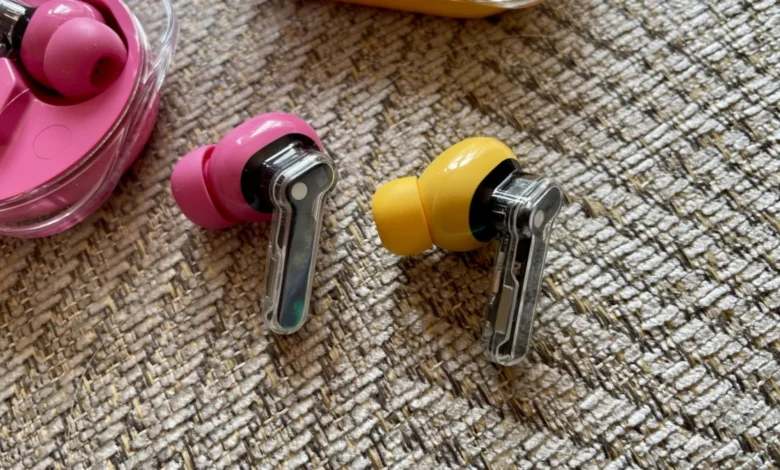
The highly anticipated release of the Nothing Ear (3a) earbuds has sparked considerable discussion, not just for their sub-$100 price point, but for a controversial new feature that some industry observers and consumers are flagging as a significant misstep. While the earbuds maintain the brand’s signature aesthetic and deliver competent audio performance for their segment, the inclusion of a readily accessible call recording function has cast a long shadow over an otherwise promising update to Nothing’s accessible "a" lineup. This feature, coupled with a curious omission of previously lauded functionalities, raises questions about the company’s strategic direction and its commitment to user privacy in an increasingly sensitive digital landscape.
A Shift in Focus: From Playful Innovation to Problematic Utility

Nothing has long positioned its affordable "(a)" series as a gateway to "play," targeting a "young, creative, and engaged" audience. This ethos has typically translated into a blend of stylish design, accessible features, and a generally positive user experience. However, with the Ear (3a), this familiar trajectory appears to have taken a sharp, and for many, unwelcome, turn. The reviewer’s initial hope for the inclusion of premium sound curation profiles, a feature that would align perfectly with the stated target demographic, was dashed. Likewise, the absence of wireless charging support, a convenience increasingly expected even in mid-range audio devices, was noted.
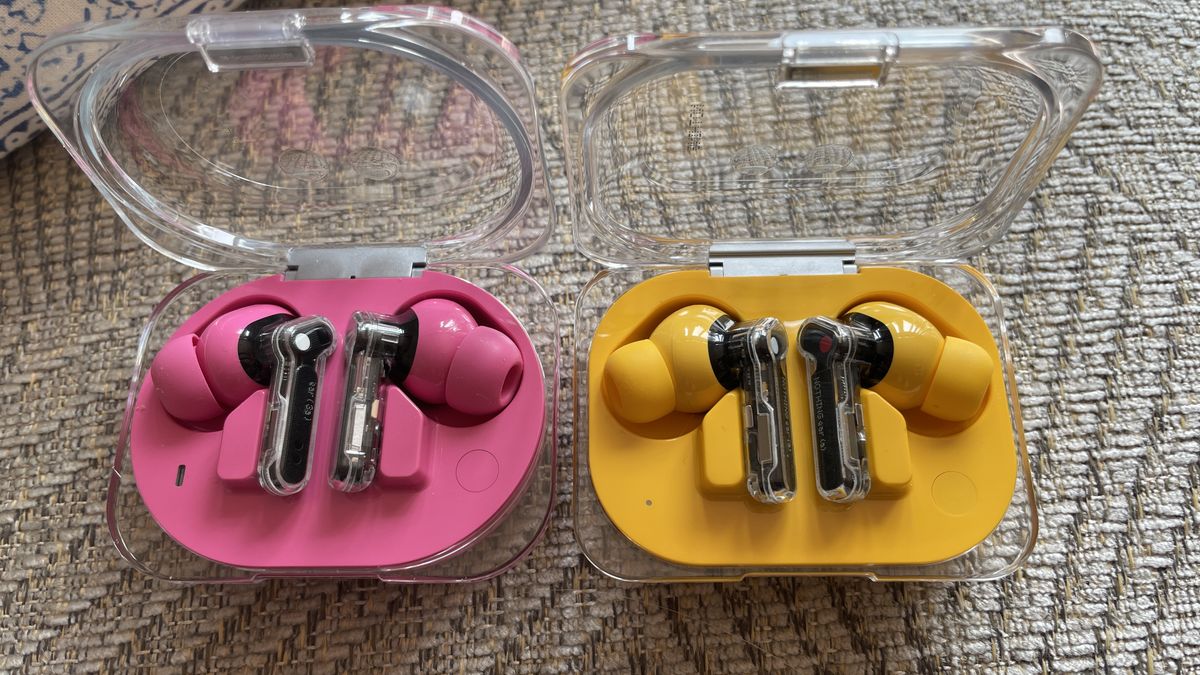
Instead of these anticipated upgrades, Nothing has opted to introduce a pink colorway, a slightly larger 12mm driver, a subtly redesigned, curvier case with a three-LED status light, and a static spatial audio profile. The most significant additions, however, are "Audio Snapshot" and "Call Recording." It is these two features, presented under a guise of playful innovation, that have drawn the most scrutiny and criticism.
The Specter of Covert Surveillance: A Privacy Minefield
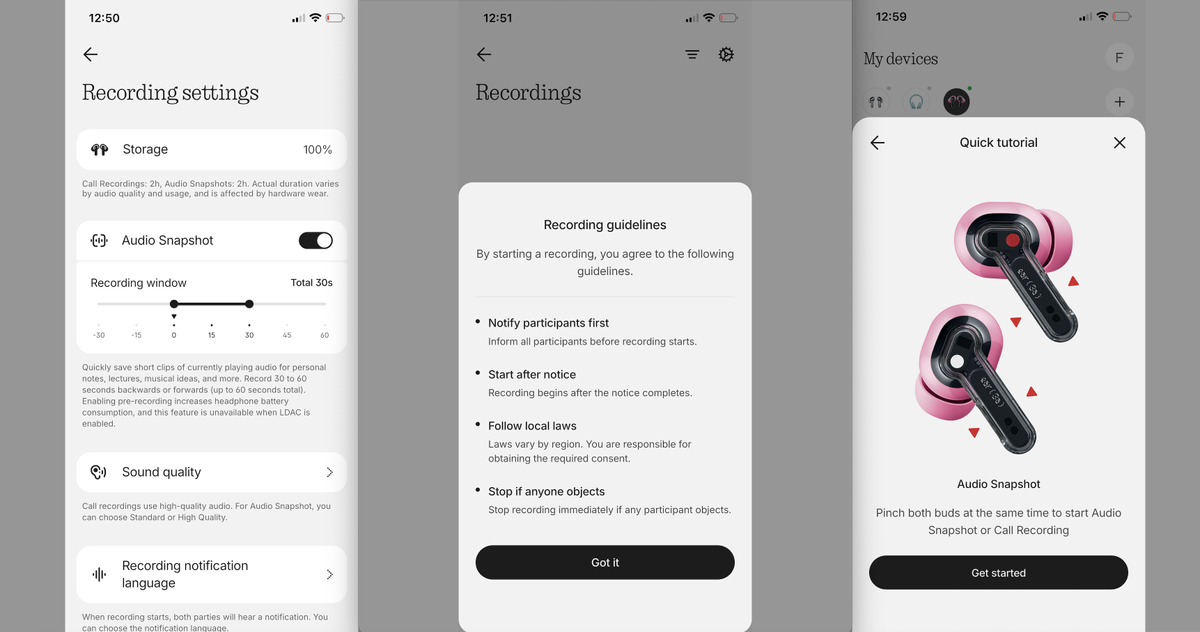
The crux of the controversy lies in the implementation and potential misuse of the Call Recording feature. While Nothing asserts that buyers should obtain consent before recording calls, and the accompanying Nothing X app displays a brief tutorial to this effect, the reviewer expresses significant skepticism about adherence to this guidance in practice. The primary concern is the minimal audible cue that recording has commenced. During a traditional phone call, this may be reduced to a mere beep, easily missed or misinterpreted by the unaware party. This lack of a clear, persistent, and unmistakable notification mechanism is where the ethical quandary deepens.
As the reviewer pointedly states, "Unless you know what it means, it’s up to you to realise you’re being recorded and ask the caller to stop." This sentiment is echoed by privacy advocates who argue that the onus should not be placed solely on the user to navigate complex legal and ethical considerations surrounding consent. The potential for misuse, whether intentional or accidental, is significant, particularly in contexts where power dynamics or trust are already fragile.
The phrase "covert recording of private conversations is a serious issue" encapsulates the gravity of this development. In an era where digital privacy is a paramount concern, with consumers increasingly wary of data collection and surveillance by both corporations and governments, the introduction of a feature that facilitates such clandestine activities, even under the guise of utility, is a retrograde step. The reviewer’s personal reflection, "as a woman I feel unable to let the tech baked in here go without admonishment," highlights the particular vulnerability and unease such features can engender.

A Glimpse at the Technical Enhancements: Sound and Connectivity
Despite the significant ethical concerns surrounding the new recording features, the Nothing Ear (3a) do offer some commendable technical improvements. The audio quality remains a strong suit, particularly for its price bracket. The earbuds support LDAC, a high-resolution audio codec developed by Sony, which, when paired with a compatible device, allows for near-lossless audio streaming over Bluetooth. This is a significant advantage for audiophiles and casual listeners alike who prioritize sound fidelity. The integration of Bluetooth 6.0 further promises a more robust and stable wireless connection.
The reviewer notes that the default sound profile can be "overly bassy," a common characteristic in many earbuds. However, they emphasize that this can be rectified with adjustments through the app’s new "Advanced" 8-band EQ tab, which offers granular control over the audio output, including a "Q factor" adjustment to fine-tune the width or sharpness of frequency adjustments. This level of customization is a welcome addition, allowing users to tailor the sound to their preferences.

Design and Ergonomics: Familiarity with a Few New Twists
The physical design of the Ear (3a) remains largely consistent with Nothing’s established aesthetic. The earbuds themselves are described as rock-solid and aesthetically pleasing, with the new pink colorway adding a vibrant touch. The charging case has undergone a subtle redesign, becoming curvier and featuring a three-LED status indicator, offering more nuanced information about battery and charging levels.
Comfort levels are generally good, with the inclusion of an expanded range of ear-tips, including an XS size, aiming to cater to a wider array of ear shapes and sizes. However, the reviewer notes that despite being slightly lighter than their predecessors, the earpieces might still feel a bit large for individuals with smaller ears, potentially impacting comfort during extended listening sessions. The driver size has increased to 12mm from 11mm, a change that, while not negatively impacting sound quality according to the reviewer, is speculated to be a contributing factor to the diminished battery life.
Battery Life and Other Features: A Mixed Bag
A notable point of contention is the reduction in battery life. The Nothing Ear (3a) offer up to 6 hours of playback without active noise cancellation (ANC) and 4.5 hours with ANC enabled. With the charging case, the total playback time extends to 25 hours without ANC and 18 hours with ANC. These figures, while not abysmal, represent a step back from the previous generation, which offered up to 9.5 hours per charge without ANC and around 5.5 hours with ANC. This decline in stamina is particularly disappointing when compared to some competitors, such as the Cambridge Audio Melomania A100, which boasts up to 11 hours of earbud playback.
Beyond the controversial recording features, the Ear (3a) include several other functionalities. These include in-ear detection for automatic playback pausing and resuming, a low-lag mode for gaming, seamless pairing, multipoint connectivity to two devices, an ear-tip fit test, and a "Find My Earbuds" feature. The ANC performance is described as decent, capable of blocking up to 45dB of noise, representing an improvement over the previous model. Transparency mode is also functional, allowing for ambient sounds to be heard without excessive tininess. For users with a Nothing Phone, integration with ChatGPT via the earbuds is also available.

The Price Point: A Compelling Argument, Undermined by Features
At $99 / £99, the Nothing Ear (3a) are undeniably competitive in the budget earbud market. This price point has historically been a strong selling point for the "(a)" series, offering a compelling balance of features and affordability. However, the introduction of the call recording functionality complicates this value proposition significantly. While the audio quality and connectivity remain strong for the price, the ethical implications and potential for misuse of the recording feature detract from the overall desirability of the product.
Expert Analysis and Industry Context

The decision by Nothing to integrate a call recording feature into their consumer-oriented earbuds, particularly those marketed towards a younger demographic, can be viewed against a broader trend of increasing integration of AI and smart functionalities into everyday devices. Companies are constantly seeking new ways to differentiate their products and offer unique selling propositions. However, the implementation of such features demands a rigorous ethical framework and a clear understanding of user privacy.
The reviewer’s comparison to smart glasses with subtle recording indicators is apt. In both cases, the technology exists to capture private moments, and the onus of responsible use is heavily placed on the individual. While legislative frameworks around call recording vary significantly by region (e.g., "one-party consent" states in the US versus "two-party consent" states, and differing regulations in Europe), the ethical implications of covert recording remain a global concern.
The inclusion of a transcription service, even with a limited free trial, further emphasizes the utility-focused nature of the recording feature. Nothing’s assertion of alignment with privacy standards like ISO 27001 and ISO 27701, while important, does not fully mitigate the practical concerns surrounding the user-facing implementation of the recording function.

Reactions and Implications
While direct statements from Nothing about the controversy are not detailed in the provided text, the reviewer’s critical stance and the underlying ethical questions suggest that the company may face a backlash from privacy-conscious consumers and advocacy groups. The broader implication for the audio market is that companies will need to tread carefully when introducing features that could be perceived as intrusive or that blur the lines of consent and surveillance. The market for earbuds is highly competitive, and while innovative features can drive sales, those that raise significant ethical flags risk alienating a substantial portion of the consumer base.
The future of such features in consumer electronics will likely depend on a combination of user demand, regulatory scrutiny, and the ethical responsibility of manufacturers. Companies that prioritize transparency and user control, while also offering genuine innovation, are likely to fare better in the long run. The Nothing Ear (3a) case serves as a cautionary tale, illustrating the delicate balance between technological advancement and the fundamental right to privacy.

Conclusion: A Bold Move with Significant Caveats
The Nothing Ear (3a) earbuds present a complex proposition. On one hand, they offer the characteristic Nothing design, competent audio quality with LDAC support, and a competitive price. On the other, they introduce a call recording feature that raises serious privacy concerns due to its understated notification system. Coupled with a reduction in battery life and the omission of features like wireless charging, the Ear (3a) represent a departure from the unalloyed positivity that has often characterized Nothing’s affordable offerings.
For consumers who value innovative design and solid audio performance and are unconcerned by, or actively seek, the call recording functionality (while adhering to all legal requirements for consent), the Ear (3a) might still hold appeal. However, for those who prioritize privacy, extended battery life, or features like wireless charging, alternative options in the market may prove more suitable. The decision to buy hinges on a careful weighing of these competing factors, with the ethical implications of the call recording feature being a significant point of consideration for any potential buyer.