EarFun Wave Pro X Review: Feature-Rich Flagship Headphones Deliver Stellar Build and Connectivity, but Muffled Audio Tuning Holds Them Back

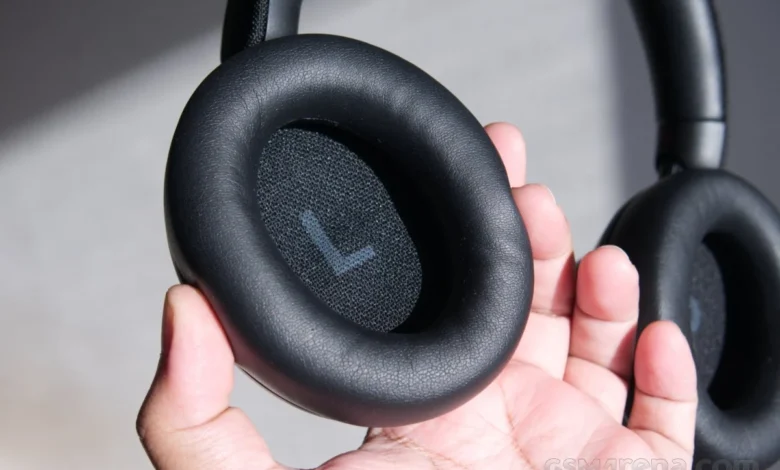
EarFun has steadily built a reputation in the personal audio market for offering feature-packed devices that punch well above their weight class, often undercutting established industry competitors in price while matching or exceeding them in specifications. The company’s latest flagship release, the EarFun Wave Pro X, continues this tradition by offering an impressive array of advanced technologies—including a novel dual dynamic driver architecture, extensive high-resolution Bluetooth codec support, and robust active noise cancellation—all packaged within a sleek, modern design. Priced competitively at $130, these over-ear headphones target consumers seeking high-end connectivity and build quality without commanding a premium price tag. However, despite laying a robust technical foundation, real-world performance reveals critical compromises in acoustic tuning that may leave discerning audiophiles wanting more.
Design, Ergonomics, and Build Quality
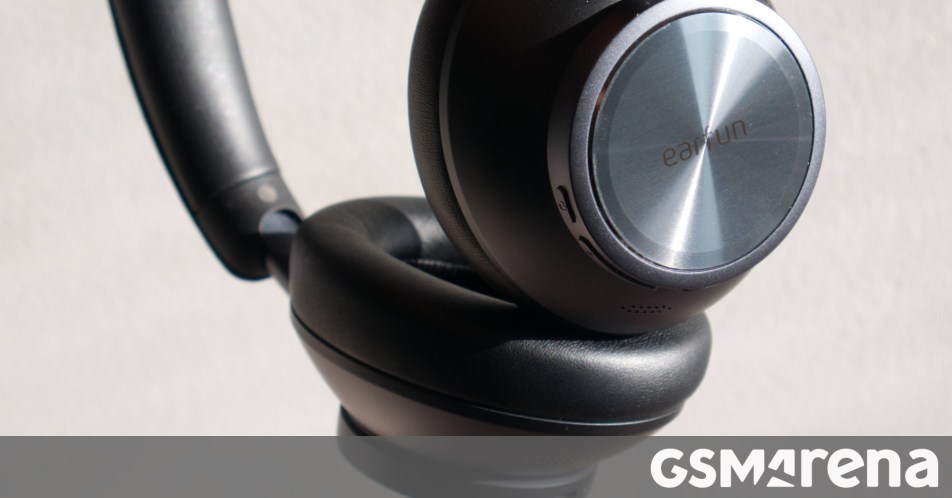
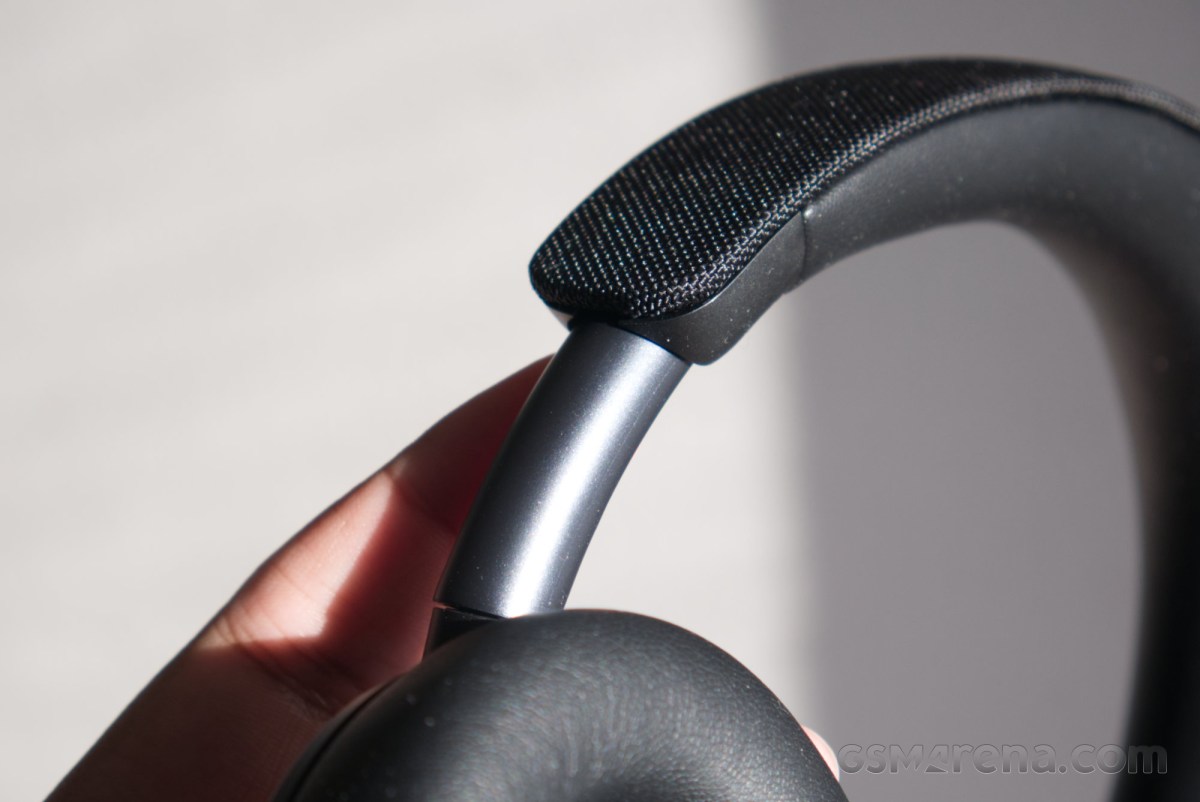
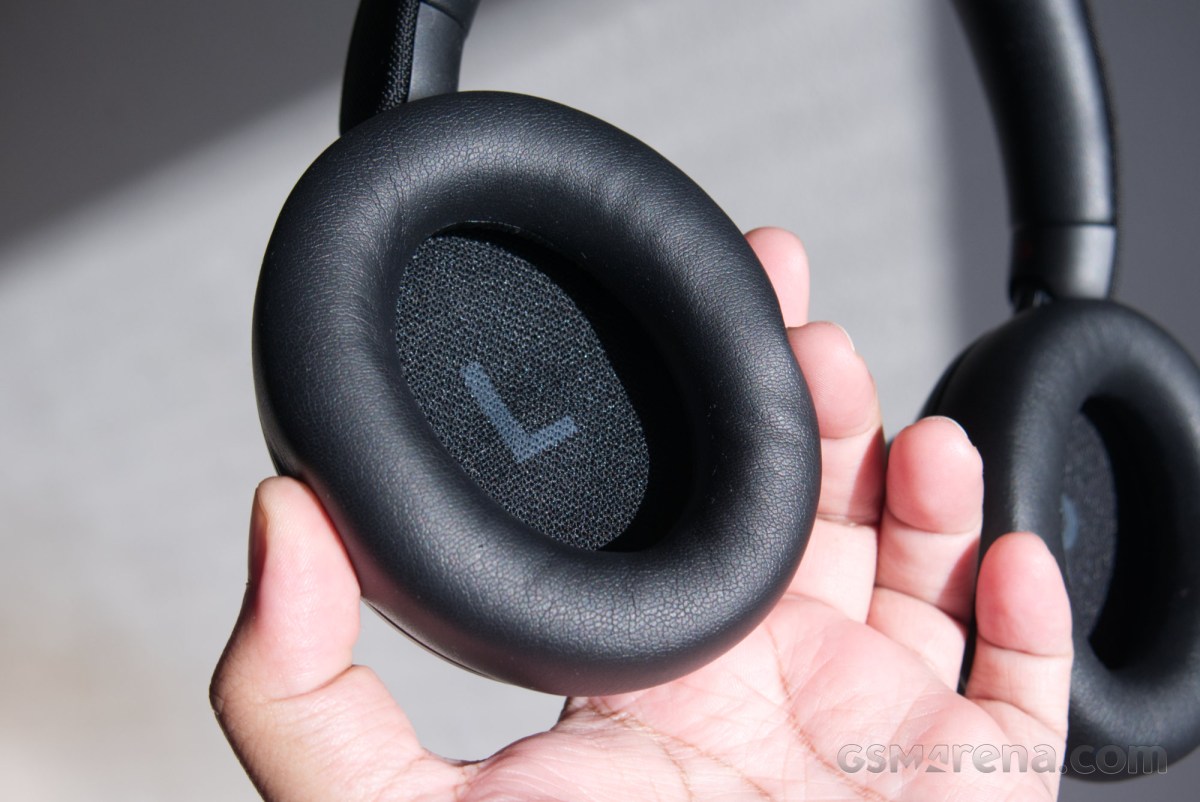
From an aesthetic and tactile standpoint, the EarFun Wave Pro X make a strong first impression. The headphones feature a minimalist yet contemporary silhouette characterized by angled earcups finished in a subtle matte texture, accented on the exterior by polished surfaces boasting a spun-metal finish. Engineering considerations are evident throughout the chassis; the yokes offer smooth, incremental length adjustments, while the earcups fold inward efficiently to facilitate portability. The headband incorporates plush foam padding on its underside and is wrapped in a durable, fabric-like material on the exterior, lending the device a sophisticated look.
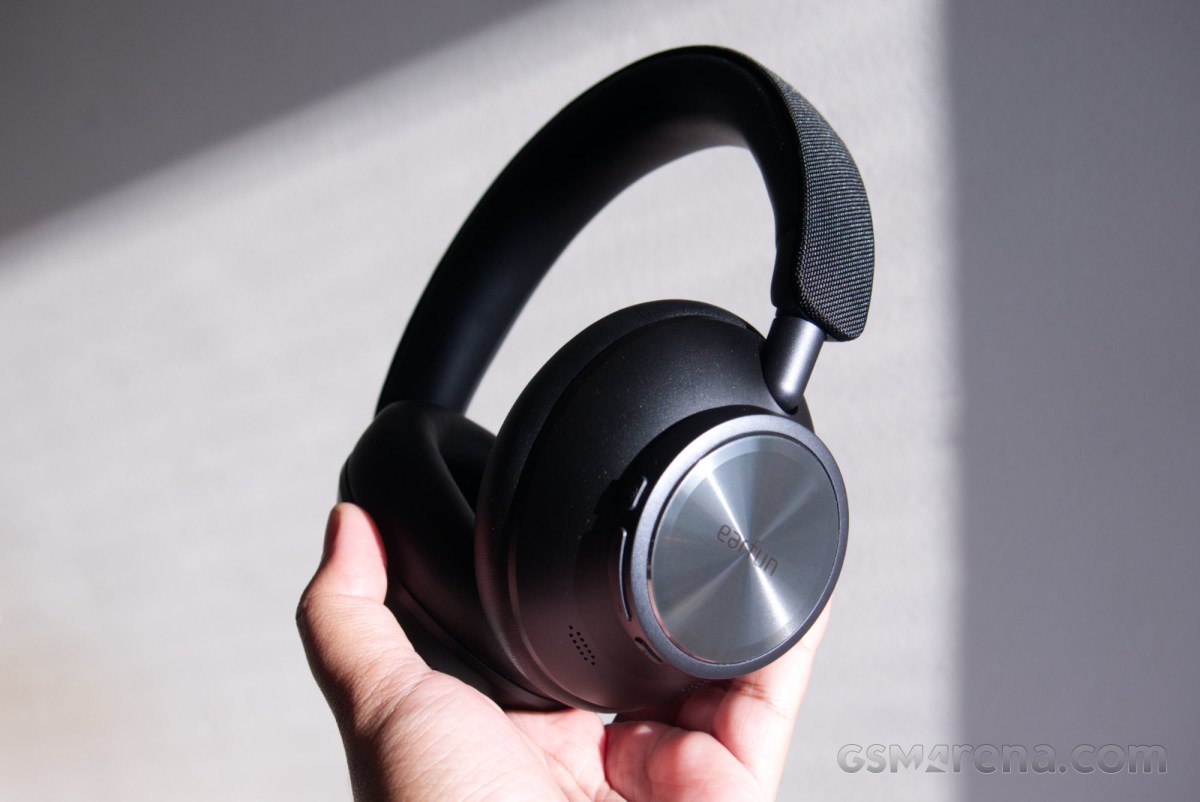
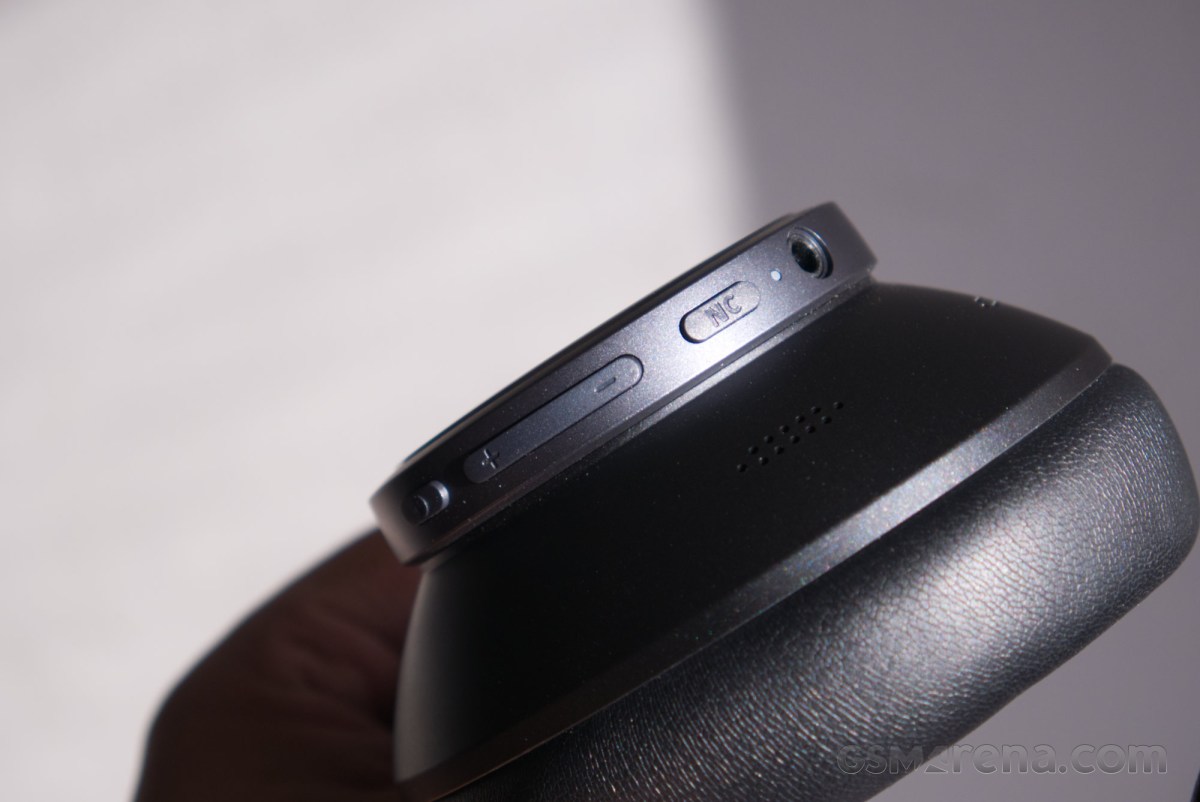
Ergonomically, the Wave Pro X are engineered for extended listening sessions. The plush foam ear pads are exceptionally soft against the skin, and the generous depth of the cups ensures that the speaker grilles do not press uncomfortably against the outer ears. Weighing in at a reasonably light profile, the headphones distribute their mass evenly across the head, minimizing fatigue. Physical controls are logically positioned along the rim of the right earcup, offering tactile, clicky feedback that makes blind navigation straightforward.
Nevertheless, the design is not without limitations. Like the vast majority of consumer over-ear headphones in this category, the Wave Pro X lack formal weather-sealing certifications, meaning users must exercise caution around moisture, rain, or high-humidity environments. Furthermore, while the dense memory foam padding provides passive noise isolation, it can retain heat, potentially causing the ears to feel warm during prolonged use in elevated ambient temperatures. Out of the box, the headphones ship in a protective, hard-shell carrying case accompanied by a USB-C charging and data cable, as well as an analog audio cable for wired listening.
Software Integration and Ecosystem Features
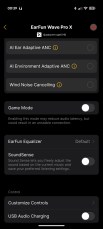
Modern flagship audio devices rely heavily on companion software to unlock their full potential, and EarFun delivers a comprehensive ecosystem via the EarFun Audio app, available for both Android and iOS platforms. The application interface is streamlined and intuitive, providing immediate access to a suite of hardware controls. Users can adjust the intensity of the active noise cancellation (ANC) modes, toggle a dedicated low-latency gaming mode, and customize button functions or voice prompt languages.
The application also features a robust Equalizer (EQ) module containing multiple factory presets alongside customizable and auto-tuned profiles. Connectivity parameters, including multi-point pairing states and preferred Bluetooth codecs, can be managed seamlessly from the dashboard.
However, certain advanced software capabilities are gated behind user account registration. Specifically, accessing the "Professional EQ" suite and EarFun’s integrated AI translation tool—which translates incoming spoken audio dynamically within the software—requires the user to create and log into an active EarFun account. While basic functionality remains available without registration, this requirement may frustrate privacy-conscious consumers.
Acoustic Architecture and Performance Analysis
The core of the Wave Pro X’s hardware proposition lies in its acoustic configuration. EarFun has implemented a dual dynamic driver system, separating frequency reproduction between a 40mm dynamic driver dedicated to low frequencies and a 10mm Liquid Crystal Polymer (LCP) dynamic driver handling the high frequencies. Connectivity options are exceptionally broad, supporting standard codecs such as SBC, AAC, and LC3 alongside high-resolution protocols including aptX, aptX Adaptive, aptX HD, aptX Lossless, and Sony’s LDAC. Furthermore, users can bypass wireless transmission entirely by utilizing a direct analog connection or a USB-C wired link, with the internal USB Digital-to-Analog Converter (DAC) capable of handling high-resolution audio streams up to 16-bit/48kHz.

Despite this formidable hardware and codec specification, the overarching listening experience is unfortunately hindered by the headphones’ tuning philosophy. The sound signature leans heavily toward a dark, muffled presentation, driven by a combination of an elevated mid-bass response and a pronounced deficit in upper-midrange and lower-treble energy.
To understand this shortcoming, it is necessary to examine psychoacoustics and headphone calibration standards. Human ears naturally amplify sound frequencies between 1 kHz and 8 kHz due to the physical geometry of the outer ear (the pinna), a phenomenon known as pinna gain. Loudspeakers placed in a room naturally interact with the listener’s outer ear, meaning a flat-measured speaker sounds neutral to the human brain. Conversely, over-ear and in-ear headphones bypass this natural amplification stage by delivering sound waves directly into the ear canal. Consequently, manufacturers must artificially "brighten" the frequency response of headphones to compensate for the missing pinna gain and achieve a perceptually neutral sound.
Unfortunately, the Wave Pro X—much like their predecessor, the original Wave Pro—fail to adequately account for this acoustic reality. The resulting frequency response leaves vital midrange and treble details suppressed. While the lower-midrange timbre remains natural and pleasant, the lack of upper-frequency energy renders the sound dull and unengaging. This dip in the frequency spectrum also compromises perceived technical performance and imaging; instrument separation feels congested, and the soundstage is frequently described as boxy or constrained "inside the head," a characteristic that becomes even more pronounced when active noise cancellation is engaged.
Microphone Performance and Noise Cancellation

Communication capabilities are a critical metric for modern wireless headphones, and the Wave Pro X utilize an eight-microphone array dedicated to voice pickup and noise suppression. In controlled, quiet environments, voice reproduction is intelligible and clear, albeit slightly soft in overall volume. In moderately loud environments, the microphone array successfully maintains vocal clarity, though it struggles to isolate the user’s voice from ambient background noise, allowing a significant portion of surrounding sounds to bleed through. A notable inclusion is a sidetone feature, which allows users to hear their own voice during phone calls, mitigating the claustrophobic sensation often associated with closed-back ANC headphones.
The Active Noise Cancellation (ANC) performance is competent for a device positioned in the $130 price tier. While it cannot compete with industry leaders from established premium audio brands, the system effectively neutralizes steady low-frequency hums—such as indoor appliance noise or transit engine rumbles. Higher-frequency sounds, however, frequently penetrate the isolation barrier. Additionally, the passive acoustic seal provided by the ear pads is sensitive to movement; slight turns of the head can disrupt the seal, temporarily degrading both passive isolation and ANC effectiveness.

Battery Endurance and Connectivity Reliability
One area where the EarFun Wave Pro X undeniably excels is power management. The headphones boast an exceptional battery life rating of up to 50 hours on a single charge under standard usage conditions, placing them comfortably among the market leaders in endurance. This longevity ensures that users can rely on the device for extended travel or heavy daily use without requiring frequent recharges.

Wireless stability is similarly robust, underpinned by modern Bluetooth specifications that include Bluetooth LE Audio and Auracast support. Multi-point pairing functions reliably, allowing the headphones to maintain simultaneous connections to multiple source devices—such as a smartphone and a laptop—with seamless audio source switching.
Market Position and Broader Implications

The release of the EarFun Wave Pro X highlights an ongoing challenge within the mid-tier consumer audio segment: the tension between raw specification sheets and subjective acoustic performance. On paper, EarFun has delivered a masterclass in value engineering. By incorporating dual dynamic drivers, comprehensive high-res codec support, USB DAC functionality, and an extensive feature set at a $130 price point, the brand has created a product that offers immense functional versatility.
However, the auditory tuning remains a persistent bottleneck. As consumer expectations for wireless audio fidelity continue to rise—driven by the widespread availability of lossless streaming formats—audiophiles and casual listeners alike are increasingly critical of sound profiles that sacrifice clarity and detail for an overly warm, muted presentation. If future iterations of EarFun’s over-ear lineup can bridge the gap between their impressive hardware capabilities and a more balanced, perceptually accurate tuning curve, the brand will be well-positioned to challenge higher-end competitors across all metrics. For now, the Wave Pro X stands as an exceptionally comfortable, feature-laden, and enduring pair of headphones that will satisfy casual listeners, but whose acoustic limitations will likely deter critical music enthusiasts.