Microsoft Azure Databricks Delivers Unprecedented Value and Performance, New Forrester Study Reveals

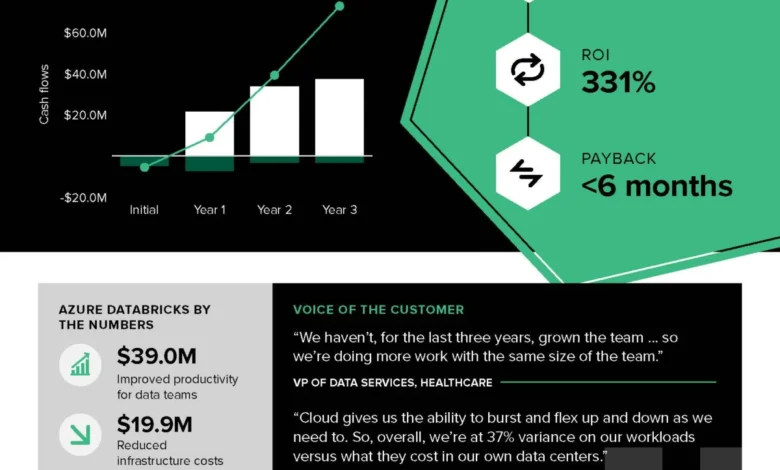
A comprehensive Total Economic Impact™ (TEI) study commissioned by Microsoft and conducted by Forrester Consulting has quantified the substantial business value delivered by Microsoft Azure Databricks. The findings reveal a compelling three-year return on investment (ROI) of 331%, a net present value (NPV) of $58.1 million, and a remarkably rapid payback period of less than six months for a composite organization leveraging the platform. This independent analysis underscores the "first-party advantage" of Databricks as a native Azure service, highlighting its deep integration, enhanced performance, and cost efficiencies that translate into tangible business outcomes.
The study, released in June 2026, analyzed the experiences of Azure Databricks customers to construct a representative composite organization. This organization, described as a $6 billion company operating within a regulated industry and managing approximately 10 petabytes of data, faced significant challenges with a fragmented, costly, and unreliable data estate prior to adopting Azure Databricks. The transition to Azure Databricks resulted in a projected $75.6 million in benefits against $17.5 million in costs over a three-year period, culminating in the substantial $58.1 million NPV.
"The strategic partnership between Microsoft and Databricks is designed to provide a seamless, high-performance data and AI experience directly within the Azure ecosystem," stated a Microsoft spokesperson in response to the study’s findings. "This co-engineering effort ensures that Azure Databricks is not merely an add-on, but a fundamental component of Microsoft’s data and AI stack, offering a unified roadmap, billing, and support. The Forrester study validates that this approach translates into significant, measurable value for our customers, empowering them to accelerate innovation and drive business growth."
The economic benefits detailed in the Forrester TEI study are attributed to several key areas, including substantial cost savings, increased productivity, and accelerated time-to-market for data-driven initiatives. While the study did not assign specific dollar values to every benefit, it identified several critical, unquantified advantages that contribute significantly to the overall ROI. These include the native integration with other Azure services, enabling faster insights and broader data accessibility. Furthermore, enhanced governance through features like Unity Catalog ensures that data is managed securely and compliantly, a crucial factor for organizations in regulated industries.
Deep Integration: The Foundation of Value
At the core of Azure Databricks’ value proposition lies its status as a true first-party Azure service. This means it is co-engineered by Microsoft and Databricks, allowing for a level of integration that goes beyond typical partnerships. This deep integration eliminates the need for redundant data copies, complex tooling, and extensive integration work that often plague multi-cloud or hybrid environments. This streamlined approach directly contributes to lower operational costs and reduced technical debt.
A prime example of this integrated power is the Azure Databricks Genie integration with Microsoft Copilot Cowork. This feature allows users to contextualize business data and build upon AI-driven intelligence within familiar Microsoft tools. Genie empowers individuals to query their lakehouse using natural language, with insights now accessible directly within Microsoft Teams, Microsoft 365 Copilot, and Copilot Cowork. This capability is further enhanced by Genie Ontology, which grounds tasks in trusted data and ensures that all responses are scoped by Unity Catalog, adhering to user permissions. This ensures that valuable intelligence flows seamlessly into workflows without compromising data governance.
The study highlighted that this deep integration extends across the entire Azure Databricks platform. Benefits such as accelerated data engineering workflows, enhanced data science and machine learning model development, and simplified data analytics contribute to significant productivity gains. While Forrester did not assign a separate monetary value to these specific integrations, their critical role in driving the quantified productivity and cost benefits is undeniable. These are the unpriced advantages that form the bedrock of Azure Databricks’ economic impact.
Performance Benchmarks: A Testament to Engineering Excellence
Beyond cost savings and productivity, the performance of Azure Databricks has also been independently validated. Principled Technologies, a respected independent research firm, conducted a decision-support benchmark, similar to industry-standard TPC-DS, on a 10-terabyte dataset. The results demonstrated a clear performance advantage for Azure Databricks over its AWS counterpart. In single-query stream tests, Azure Databricks completed queries up to 21.1% faster than Databricks on AWS when autoscale was disabled. Furthermore, when running four concurrent query streams, Azure Databricks was more than nine minutes faster. This sustained performance advantage is critical for organizations that rely on timely insights for critical business decisions, ensuring that productivity gains are not eroded by performance bottlenecks as data volumes and query complexity increase.
The Genesis of the Partnership and Study
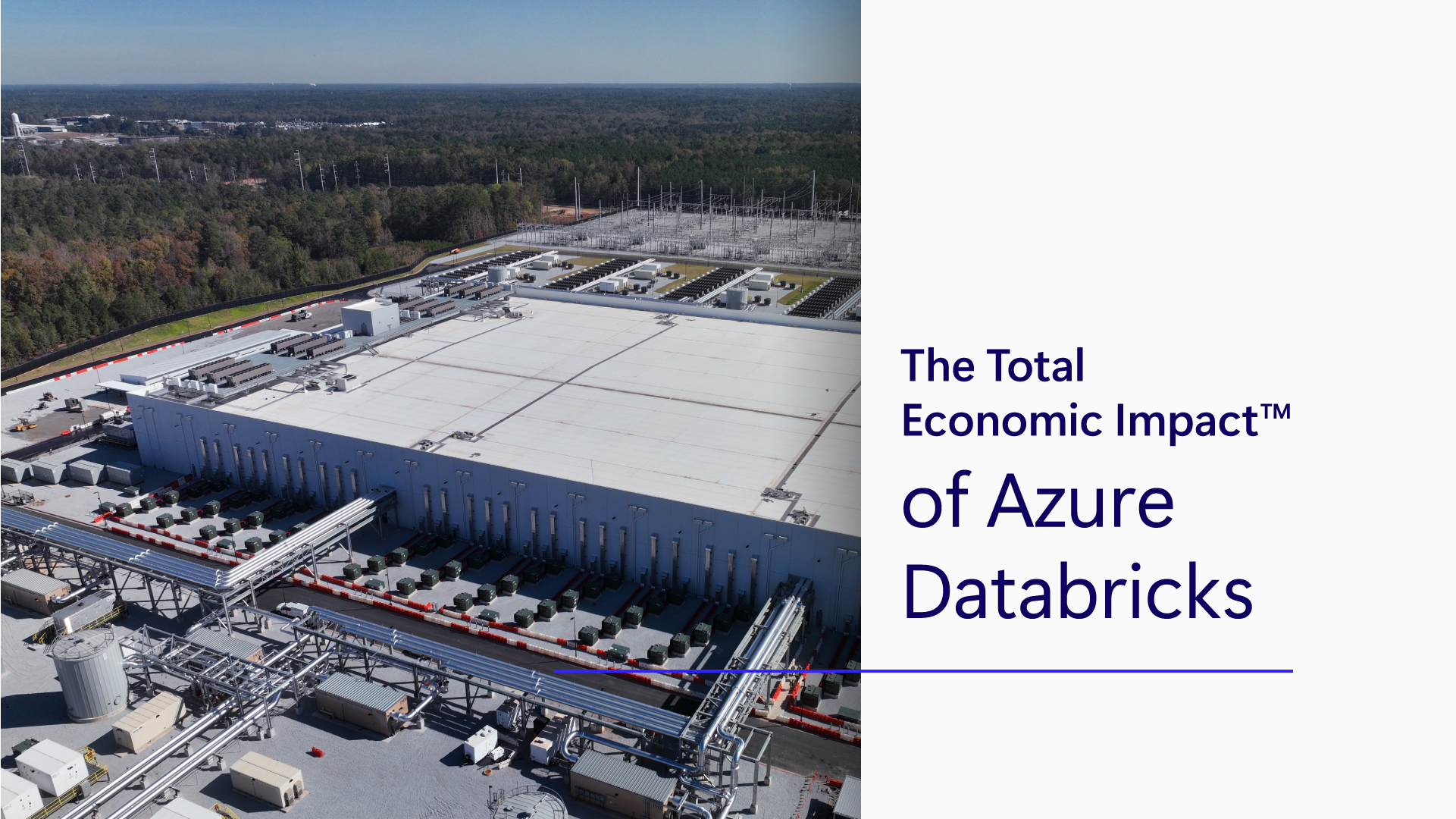
The strategic alliance between Microsoft and Databricks, formalized through their partnership and the subsequent integration of Databricks as a first-party service on Azure, has been a significant development in the data and AI landscape. This collaboration aimed to leverage the strengths of both companies: Databricks’ expertise in unified data analytics and AI, and Microsoft’s extensive cloud infrastructure, enterprise reach, and integrated productivity tools. The decision to commission a Forrester TEI study was a proactive step to quantify the tangible business value that this partnership was designed to deliver.
The methodology behind the Forrester TEI study involved in-depth interviews with existing Azure Databricks customers across various industries. These interviews provided real-world data on the challenges faced before adoption, the implementation process, and the benefits realized post-implementation. Forrester then constructed a composite organization based on these findings, representing a typical customer profile and allowing for a standardized economic analysis. The timeline for the study encompassed the period leading up to June 2026, reflecting a comprehensive look at the platform’s impact over a sustained period.
Key Findings of the Forrester TEI Study
The Forrester TEI study identified four primary areas where the composite organization realized significant quantifiable benefits:
- Cost Savings: This category likely encompasses reductions in infrastructure costs, operational overhead, and the avoidance of expenses associated with managing fragmented data systems. The deep integration of Azure Databricks on Azure inherently reduces the need for multiple specialized tools and the associated licensing and maintenance costs.
- Increased Productivity: This benefit is directly linked to the platform’s ability to streamline data engineering, data science, and analytics workflows. Features like Genie and the seamless integration with Microsoft 365 tools empower users to work more efficiently, extract insights faster, and reduce the time spent on manual or repetitive tasks.
- Accelerated Time to Value: By simplifying data management and accelerating the development and deployment of AI and machine learning models, Azure Databricks enables organizations to bring data-driven products and services to market more quickly. This speed advantage can translate into significant competitive differentiation and revenue opportunities.
- Improved Data Governance and Security: While not always assigned a direct monetary value in TEI studies, robust data governance and security are paramount, especially in regulated industries. Unity Catalog, for instance, ensures granular access control and compliance, mitigating the risks and potential costs associated with data breaches or regulatory non-compliance. The study acknowledges these as crucial, albeit unpriced, factors.
The study’s conclusion that the composite organization recovered its investment in less than six months is particularly striking. This rapid payback period suggests that the initial cost of adopting Azure Databricks is quickly offset by the immediate operational efficiencies and revenue-generating opportunities it unlocks. This is a critical indicator for decision-makers evaluating the financial viability of cloud-based data platforms.
Broader Implications and Future Outlook
The findings of the Forrester TEI study have significant implications for organizations grappling with the complexities of modern data management and AI adoption. In an era where data is increasingly recognized as a strategic asset, the ability to effectively harness, analyze, and act upon this data is crucial for competitive survival and growth. Azure Databricks, with its first-party integration on Azure, offers a compelling solution that addresses these challenges holistically.
The study’s emphasis on the "built-in, not bolted on" nature of Azure Databricks’ advantage highlights a key differentiator. This inherent integration simplifies adoption, reduces complexity, and fosters a more cohesive data ecosystem within an organization. The unified roadmap and go-to-market strategy between Microsoft and Databricks ensure that customers benefit from continuous innovation and a clear path forward, reducing the risk associated with platform obsolescence or vendor lock-in with disparate technologies.
For technical teams, the promise of deeper native integration and stronger performance translates into a more efficient and productive working environment. For business leaders, the study provides concrete evidence of reduced costs, minimized risk, and a faster path to realizing the strategic value of their data investments. The combination of strong performance benchmarks and quantifiable economic benefits makes a compelling case for Azure Databricks as a leading choice for organizations looking to build and scale their data and AI capabilities.
The ongoing evolution of Azure Databricks, particularly its integration with generative AI capabilities and tools like Microsoft Copilot, further solidifies its position as a forward-looking platform. As organizations increasingly seek to democratize access to data and AI insights, the intuitive natural language query capabilities and seamless integration into everyday workflows offered by Azure Databricks will become even more critical.
Looking Ahead: The Future of Data and AI on Azure
The success of Azure Databricks is intrinsically linked to Microsoft’s broader vision for data and AI within the Azure cloud. By offering a fully integrated, high-performance, and cost-effective platform, Microsoft is empowering businesses to unlock the full potential of their data. The Forrester TEI study serves as a powerful testament to the realization of this vision, providing a data-driven endorsement of the value that Azure Databricks delivers. As organizations continue to navigate the complexities of the digital age, platforms like Azure Databricks will be instrumental in driving innovation, fostering efficiency, and achieving sustainable business growth. The measured results – a 331% ROI and a payback period under six months – are not merely figures; they represent the tangible transformation that organizations can achieve when they leverage the power of a deeply integrated, first-party data and AI solution on the Azure cloud.