Microsoft Announces General Availability of Cobalt 200 Virtual Machines to Redefine Cloud Compute Performance at Ignite 2026

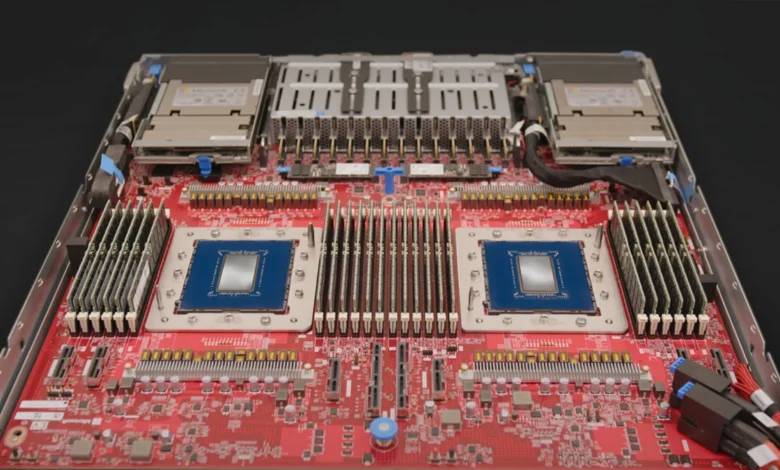
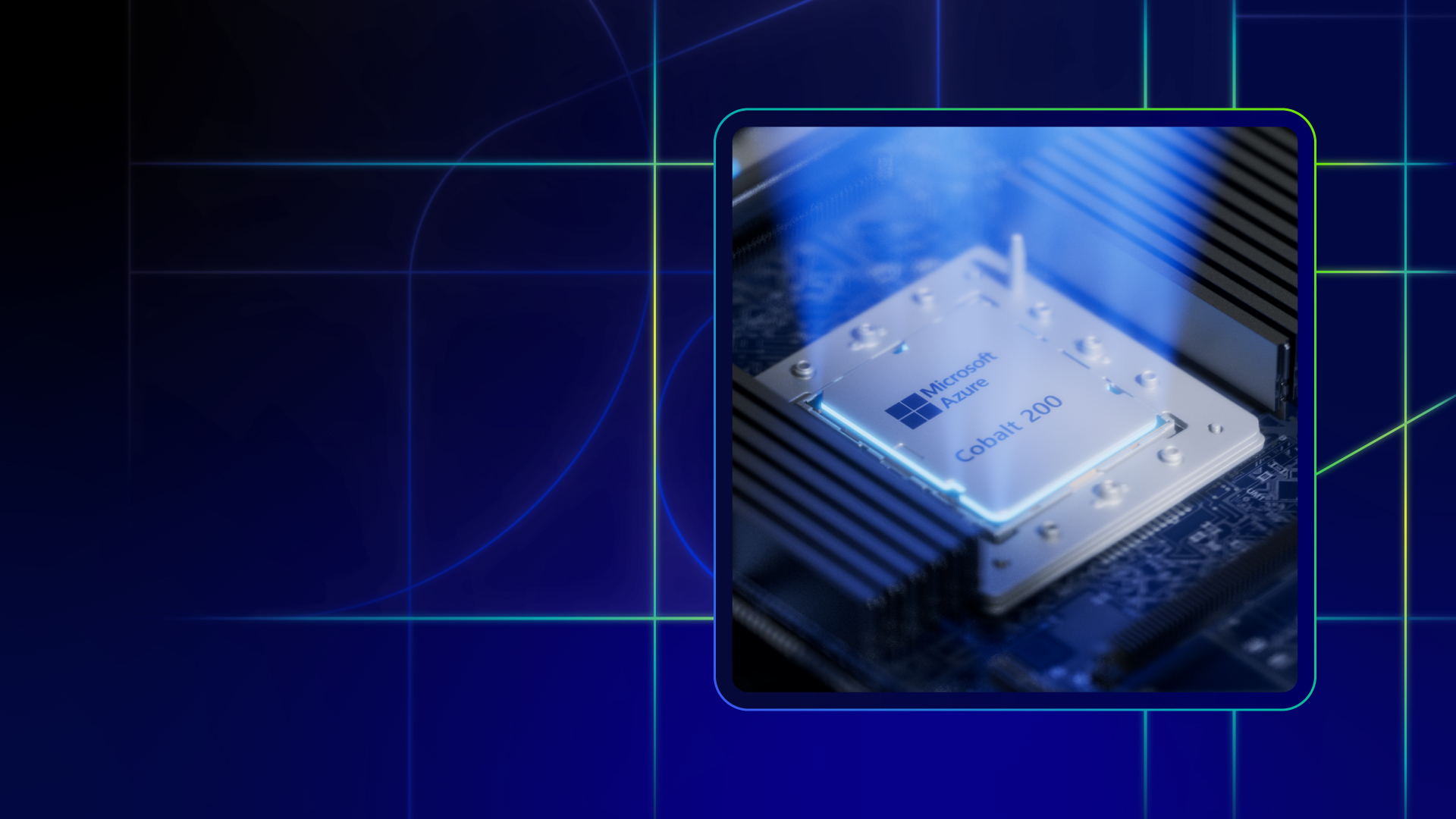
Today at Microsoft Ignite 2026, the tech giant officially announced the general availability of Azure Cobalt 200-based virtual machines (VMs), marking a pivotal shift in the company’s strategy to prioritize custom silicon for the next generation of cloud-native and AI-driven workloads. This launch represents a significant leap forward in performance, with the new generation delivering up to 50% better throughput and efficiency compared to its predecessor, the Cobalt 100. As Microsoft continues to move toward a vertically integrated infrastructure model, the Cobalt 200 series is positioned to become a dominant component of the Azure compute ecosystem by 2027.
A Chronology of Custom Silicon Innovation
The journey toward Cobalt 200 began several years ago as Microsoft identified the limitations of off-the-shelf general-purpose processors in handling the high-concurrency, data-intensive demands of modern cloud environments. The introduction of the Cobalt 100 series established the foundation for Arm-based computing within the Azure cloud, proving that energy-efficient architecture could handle large-scale enterprise services.
Following the initial success of Cobalt 100, which enabled significant cost savings and performance improvements for services like ChatGPT, Microsoft accelerated its internal silicon development cycle. By leveraging TSMC’s advanced 3nm process technology, engineers were able to pack 132 Arm Neoverse V3 cores into a single system-on-chip (SoC). This move at Ignite 2026 serves as the culmination of that development effort, signaling that Microsoft has successfully transitioned from an experimental phase to a full-scale, production-ready rollout across 14 global regions, with plans to expand to 23 regions by the end of 2026.
Technical Breakthroughs and Performance Benchmarking
The performance metrics reported by Microsoft’s engineering teams highlight a substantial gain in architectural efficiency. According to internal benchmarks, the Cobalt 200 architecture demonstrates 1.5 times the performance for web serving, 1.6 times for Java-based environments, and nearly double the performance (1.9 times) for database-centric workloads compared to the Cobalt 100.
The secret to these gains lies in a systems-level design approach that co-optimizes hardware and software. By integrating Microsoft Azure Boost into every Cobalt 200 VM, the company has effectively offloaded networking and storage processes from the primary CPU cores. This allows for higher utilization rates—often reaching up to 90% in testing—without the latency penalties typically associated with heavy multi-tenant cloud environments. Furthermore, the inclusion of two distinct processor modes—Deterministic and Opportunistic—offers customers granular control over their infrastructure. This is particularly vital for distributed systems that require strict performance consistency (Deterministic) versus those that prioritize raw throughput (Opportunistic).
Industry Adoption and Customer Feedback
The general availability of Cobalt 200 has been met with positive reception from industry leaders who have participated in early testing phases. OpenAI, which relies on Azure for the massive computational requirements of its LLMs, reported that Cobalt 200 allowed them to serve more users with the same number of cores while simultaneously reducing latency. This efficiency is critical for maintaining the responsiveness of real-time AI services.
Similarly, data analytics firms such as Databricks and Snowflake have integrated the new VMs into their roadmaps. Databricks noted that its “Genie” AI coworker service performs faster when running on the new architecture, reducing the time users spend waiting for complex SQL queries and data pipeline executions. In the travel sector, Amadeus reported a 30% increase in flight search throughput, a metric that directly impacts their ability to process millions of travel transactions per day. These endorsements underscore a broader industry trend where businesses are moving away from traditional x86 architecture toward specialized, ARM-based silicon to achieve better price-performance ratios.
Implications for Agentic AI and Developer Workflows
One of the most compelling aspects of the Cobalt 200 launch is its specific optimization for agentic AI workflows. Unlike static inference models, agentic AI involves autonomous loops—such as file searching, code compilation, and iterative tool execution—which place a unique, high-frequency load on CPU resources. The higher per-core performance of the Cobalt 200 series reduces the latency of these "thought loops," effectively making AI agents feel more responsive to the end user.
For developers, the impact is equally profound. Microsoft has reported that GitHub Actions runners using Cobalt 200 finish build jobs faster than their predecessors. When scaled across the millions of workflows executed on GitHub every day, these incremental gains translate into substantial productivity increases. The ecosystem support is also robust, with support for major Linux distributions, including Ubuntu, Red Hat Enterprise Linux, and Azure Linux, ensuring that enterprise migration paths are streamlined.
Strategic Analysis: The Future of Azure Compute
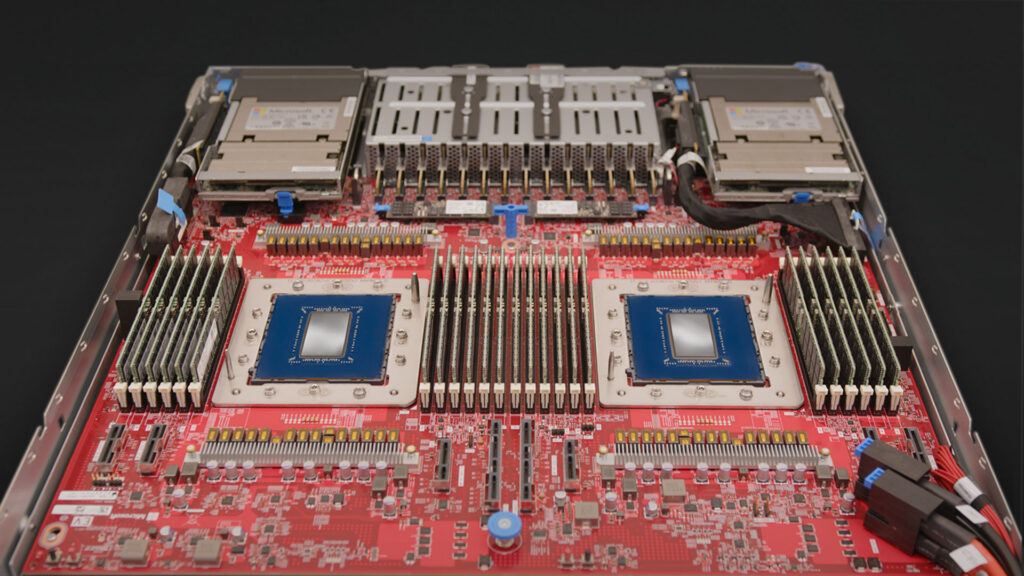
The shift toward Cobalt 200 is not merely a hardware upgrade; it is a strategic maneuver to decouple Microsoft from third-party silicon dependencies. By designing its own SoCs, Microsoft gains the ability to tailor hardware specifically to the needs of its software services, such as Microsoft 365, Xbox cloud gaming, and Azure SQL. This "silicon-software co-design" is a competitive advantage that enables the company to keep costs lower than competitors who remain solely reliant on traditional server manufacturers.
The addition of two new VM families—the high-memory Mpsv4 series and the storage-optimized Lpsv5 series—further expands the potential use cases for Cobalt 200. With 16 GiB of memory per vCPU and extensive NVMe storage options, Microsoft is effectively targeting the most demanding high-performance computing (HPC) and big data analytics markets. This expansion suggests that the company is confident in the maturity of the Arm software ecosystem and is prepared to challenge the dominance of traditional processors in every tier of the cloud market.
Looking Ahead to 2027
As 2026 concludes, the focus for Microsoft will shift toward scaling. With Cobalt 200 set to represent a "significant share" of new Azure compute capacity beginning in 2027, the company is preparing to shift a massive portion of its internal and customer-facing workloads onto this new silicon.
For the broader IT landscape, this signals a transition period where Arm-based servers move from a "niche efficiency option" to the "default choice" for high-performance cloud applications. The combination of TSMC’s 3nm technology, Microsoft’s software-defined infrastructure, and a growing ecosystem of supported operating systems creates a formidable platform. Whether it is through the deployment of autonomous AI agents, the acceleration of complex database queries, or the streamlining of global developer workflows, the Cobalt 200 architecture is set to redefine the baseline for what enterprises expect from their cloud providers. By investing heavily in its own silicon, Microsoft is not just responding to the current demand for AI-ready compute—it is dictating the trajectory of the cloud industry for the next decade.