Meta Expands Its Wearable Portfolio With Camera-Free Smart Glasses Code-Named Luna to Address Privacy Concerns and Broaden Market Reach

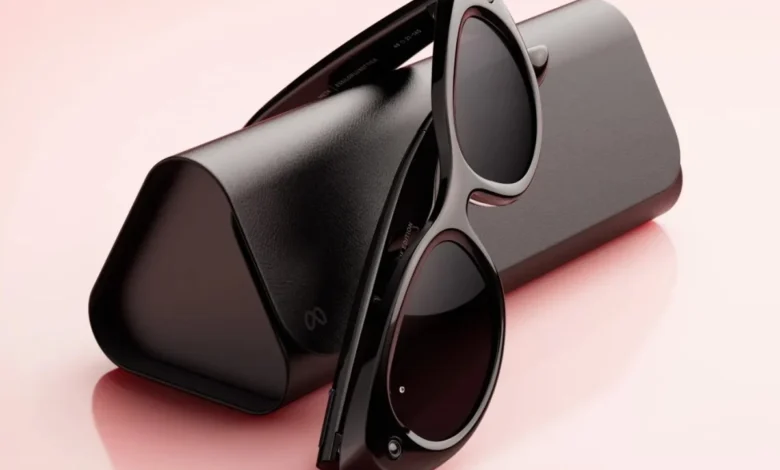
Meta Platforms is reportedly preparing to broaden its consumer hardware ecosystem by introducing a new category of smart eyewear designed specifically for users who prefer not to have an integrated camera. According to industry reports originating from technology publications and insider briefings, the company is developing a new model currently known by the development code-name Luna. This upcoming device is expected to debut at Meta’s flagship annual developer conference, Meta Connect, scheduled for September 23 and 24, with a commercial release projected to follow swiftly in October.
While Meta’s existing smart glasses—developed in partnership with historic eyewear manufacturer EssilorLuxottica—have enjoyed robust commercial interest and strong market reception, their inclusion of a built-in camera has remained a polarizing feature. For a segment of the consumer base, recording devices mounted on facial accessories raise significant privacy, surveillance, and social comfort concerns. By stripping away the camera apparatus while retaining the core audio and artificial intelligence functionalities, Meta appears poised to capture a distinct demographic of consumers who desire hands-free digital assistance and audio playback without the accompanying optics that frequently draw public scrutiny.
Technological Specifications and Hardware Architecture
According to leaked hardware specifications, the forthcoming Meta Luna smart glasses will prioritize acoustic performance, vocal interaction, and computational integration. The device is expected to house an array of six built-in microphones, designed to enhance ambient noise cancellation, accurately capture user voice commands, and improve telephone call clarity in noisy environments.
Complementing the microphone array are directional open-ear speakers positioned closely to the wearer’s ears. This design philosophy, carried over from previous iterations, allows users to consume media, listen to podcasts, and converse via phone calls while maintaining spatial awareness of their surrounding physical environment.
At the core of the user experience is deep integration with Meta AI, the company’s proprietary generative intelligence assistant. Users will be able to summon and interact with the AI assistant entirely through natural voice prompts. Furthermore, a dedicated physical button positioned on the frame will allow for rapid, manual activation of the AI assistant, ensuring that users can invoke computing capabilities discreetly and efficiently without relying solely on wake-word detection.
Crucially, the deliberate exclusion of a camera module fundamentally alters the privacy profile of the hardware. The absence of image and video sensors removes the technical capacity for continuous visual recording, thereby neutralizing standard objections raised by businesses, schools, public venues, and privacy advocates who have routinely criticized camera-enabled eyewear for potential unauthorized surveillance.
The Evolution of Meta’s Wearable Strategy
The conceptualization and rapid development of the Luna smart glasses represent a strategic pivot in Meta’s hardware roadmap. Over the past several years, Mark Zuckerberg’s technology conglomerate has aggressively invested in spatial computing, augmented reality (AR), and mixed reality (MR) hardware, viewing wearables as the natural successor to the smartphone.
The partnership between Meta and EssilorLuxottica—the parent company of Ray-Ban—proved to be a watershed moment for the consumer smart glasses market. Prior to their collaboration, attempts by major technology firms to popularize smart glasses, most notably Google Glass, suffered from clunky aesthetics, exorbitant price points, and severe social stigma. By prioritizing classic, fashionable frames designed by Ray-Ban and embedding subtle technology, Meta successfully normalized the concept of wearing connected eyewear.
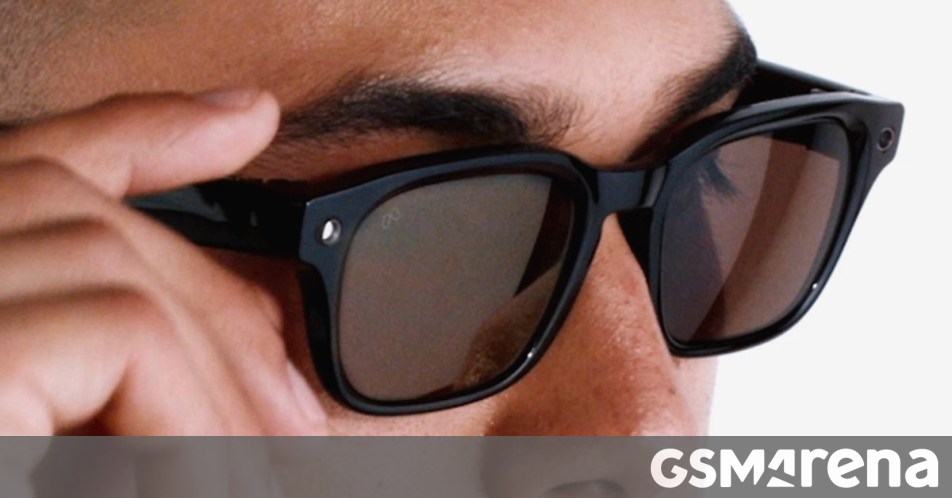
However, despite strong sales figures, the presence of a visible camera LED indicator and recording capabilities created friction in various social and professional settings. Many establishments enacted strict bans on camera-equipped eyewear, and consumers mindful of data collection practices expressed hesitation regarding optical hardware mounted on their faces. Industry analysts suggest that the introduction of a camera-free variant addresses this friction directly, converting hesitant consumers who appreciate the form factor and AI capabilities of modern spectacles but reject optical recording functionality.
Industry Context and Competitive Landscape
Meta’s hardware initiative arrives at a time of heightened competition within the wearable technology sector. Major consumer electronics manufacturers, including Apple, Samsung, Google, and various audio-focused brands, are intensely exploring the convergence of artificial intelligence, ambient computing, and everyday accessories.
While competitors have experimented with audio-only smart frames and sophisticated hearables, Meta has maintained a distinct lead in leveraging its proprietary AI infrastructure across diverse form factors. The integration of advanced multimodal AI models into lightweight frames allows users to query their surroundings, translate languages, and manage digital workflows hands-free.
By offering two distinct product lines—one equipped with cameras for multimedia creation and visual AI analysis, and another focused purely on audio, notifications, and conversational AI—Meta is positioning itself to dominate multiple tiers of the burgeoning smart eyewear market. This tiered product strategy mirrors traditional consumer electronics industries, where manufacturers provide base and pro configurations to accommodate differing consumer priorities regarding cost, utility, and privacy.
Market Implications and Privacy Considerations
The decision to develop a camera-free smart glass model carries significant implications for consumer adoption rates and regulatory scrutiny. From a public relations perspective, introducing a device devoid of image-capture technology demonstrates corporate responsiveness to mounting global concerns regarding data privacy, biometric data harvesting, and unauthorized recording in public spaces.
Regulatory bodies across the European Union, North America, and parts of Asia have increasingly scrutinized consumer tech companies over the collection of audio and visual data via wearable devices. By offering a hardware alternative that eliminates visual recording capabilities entirely, Meta mitigates a substantial portion of regulatory risk. This proactive measure could pave the way for broader corporate enterprise adoption, as companies that strictly forbid recording devices in sensitive work environments may permit employees to utilize camera-free AI assistants for productivity enhancement.
Financially, market analysts anticipate that a lower production cost—achieved by omitting expensive optical sensors, camera stabilization hardware, and associated processing components—could allow Meta to offer the Luna model at a more accessible price point. A lower barrier to entry would accelerate mass-market penetration, expanding Meta’s user base and driving higher engagement metrics for its overarching AI ecosystem.
Anticipated Timeline and Future Outlook
As the technology sector looks toward the upcoming Meta Connect developer conference, anticipation surrounding the official unveiling of the Luna smart glasses continues to build. Industry observers will closely monitor official keynote presentations for confirmation of pricing, battery life metrics, prescription lens compatibility, and regional availability details.
Should the reported October shipping schedule hold true, the Meta Luna will enter the retail market just ahead of the crucial year-end holiday shopping season. This timing provides Meta with an optimal window to market the device to consumers seeking productivity-enhancing wearables and advanced AI companions.
Ultimately, the introduction of the Meta Luna signifies a maturing hardware market. Rather than relying on a monolithic product strategy, Meta is segmenting its wearable portfolio to cater to nuanced consumer preferences. By balancing cutting-edge artificial intelligence with deliberate privacy-conscious hardware choices, the company is laying the groundwork for the long-term normalization and ubiquitous adoption of smart eyewear in daily life.