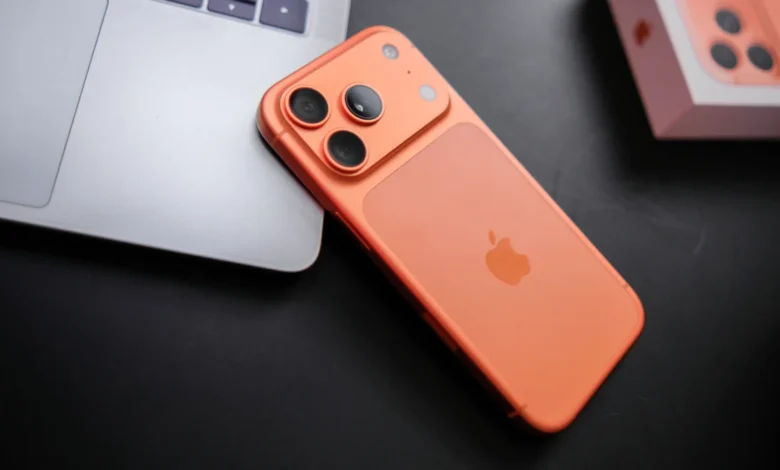
Apple’s dominance in the global smartphone market remains a defining feature of the modern consumer electronics landscape. In the United States, the company maintains a commanding 54% market share, supported by an estimated user base of over 150 million people. Despite the widespread popularity of the iPhone, particularly the success of the most recent iterations, the decision to commit to the Apple ecosystem is not without significant trade-offs. While the brand is celebrated for its hardware build quality and software integration, potential buyers must weigh these benefits against several systemic limitations that may affect usability, financial flexibility, and personal customization.
A Financial Commitment Beyond the Sticker Price
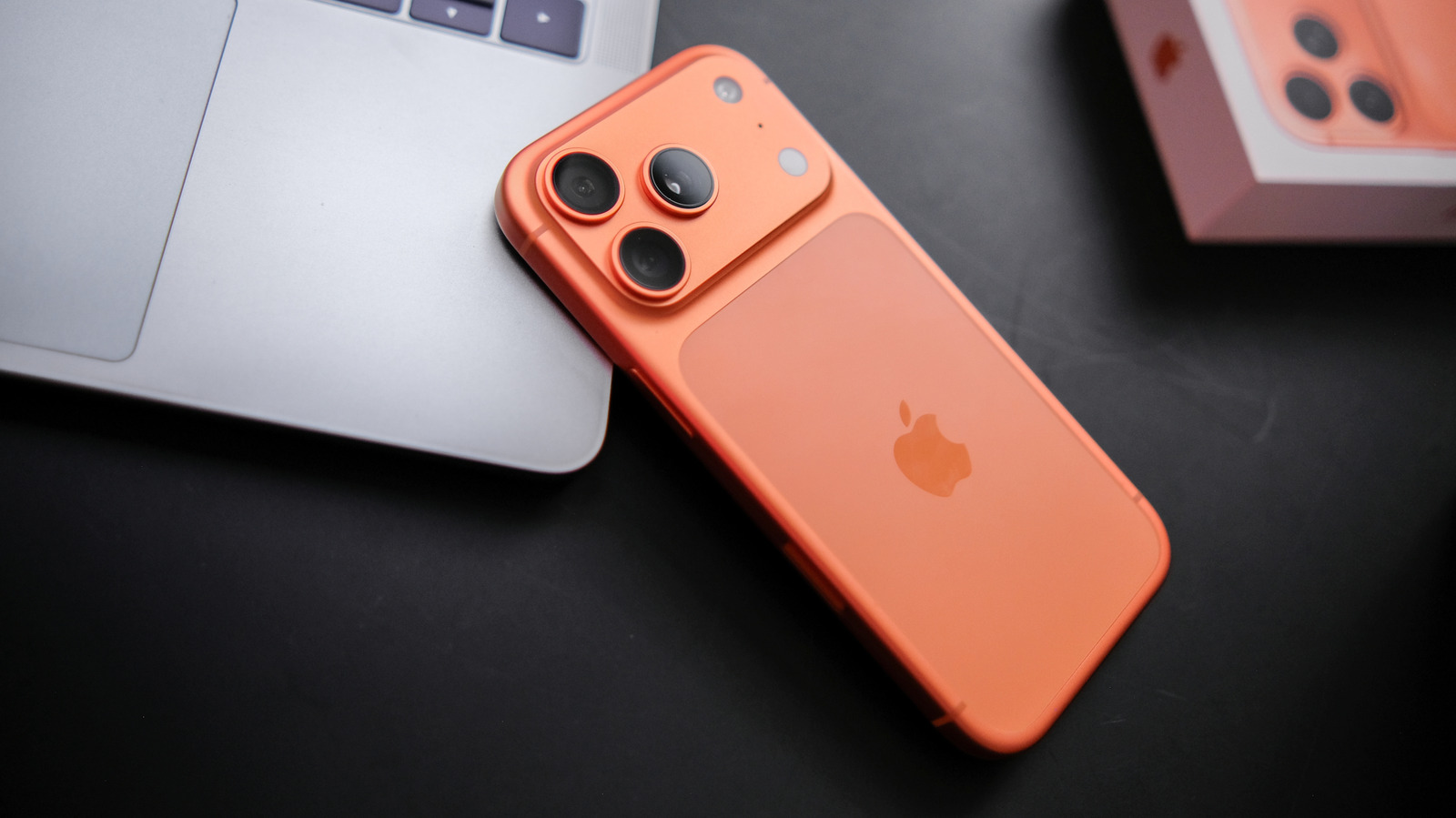
The most immediate barrier to entry for the Apple ecosystem is the premium pricing model. With flagship devices like the iPhone 18 Pro and Pro Max crossing the $1,199 and $1,299 thresholds respectively, Apple has effectively normalized the "ultra-premium" price point. This pricing strategy contrasts sharply with the broader Android market, which caters to a diverse spectrum of consumers, offering high-performance devices starting as low as $200.
The financial burden extends beyond the initial purchase. Apple’s decision to remove power adapters from the retail packaging—a move the company cites as an environmental sustainability initiative—necessitates an additional purchase for new users who do not already own a compatible USB-C wall charger. Furthermore, the base-tier storage options are increasingly insufficient for modern power users. As mobile media, high-resolution photography, and sophisticated gaming applications grow in file size, the base 256GB storage capacity on high-end models often forces users into higher, more expensive storage tiers. For those who choose not to upgrade their physical device storage, Apple’s iCloud subscription service creates a long-term, recurring financial obligation to ensure data redundancy and cloud accessibility.
The Ecosystem Lock-in Effect
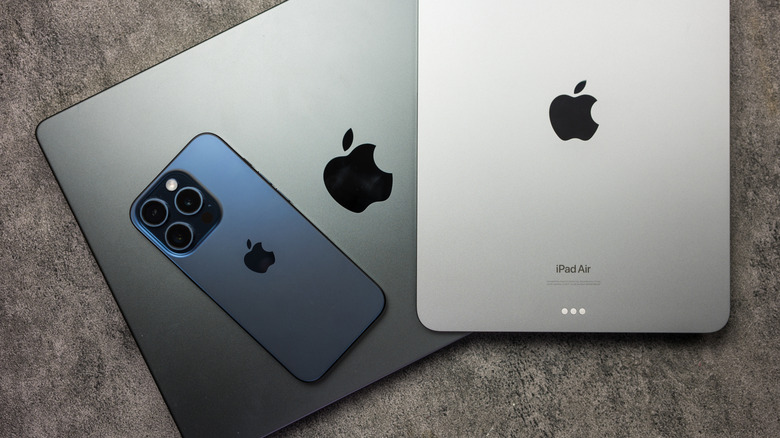
The "walled garden" architecture of Apple’s product line is both its greatest strength and a potential liability for the user. While the seamless integration between the iPhone, iPad, Apple Watch, and MacBook is a hallmark of the user experience, it creates a high cost of exit. Once a consumer invests in the ecosystem, the utility of non-Apple peripherals—such as third-party smartwatches or cross-platform cloud storage solutions—diminishes.
This integration is strategically designed to ensure that individual devices function best when surrounded by other Apple hardware. For instance, the Apple Watch requires an iPhone for initial setup and ongoing management, effectively barring Android users from the device entirely. Similarly, the proprietary nature of features like AirDrop and iMessage—though the latter has seen recent interoperability updates—has historically served to incentivize consumers to remain within the Apple ecosystem to maintain communication parity with friends and family. For professionals who rely on these tools, the transition away from Apple becomes a complex logistical hurdle, effectively "locking" the user into the brand’s product lifecycle.
Constraints on Customization and User Control
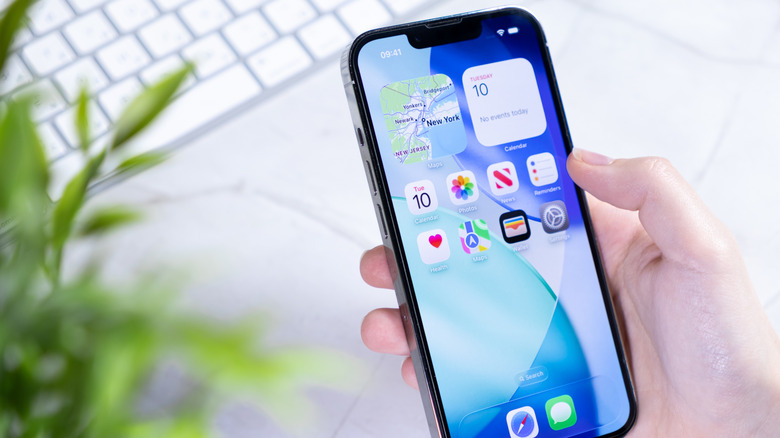
For users who prioritize device personalization, the iOS platform presents a stark contrast to the flexibility offered by Android. While recent iterations of iOS have introduced widgets, home screen customization, and tinting options, these remain tethered to Apple’s design philosophy. By contrast, the Android ecosystem allows for deep-level system modifications, including the use of third-party launchers such as Nova or Niagara, which can fundamentally alter the interface’s navigation and aesthetic.
The divide becomes even more pronounced when considering advanced user control. Android’s open-source foundation allows for the installation of alternative operating systems—such as GrapheneOS or LineageOS—which cater to users concerned with data privacy and the elimination of proprietary bloatware. On an iPhone, the user is restricted to the software environment Apple permits. This lack of root-level access prevents users from uninstalling core system applications or modifying the underlying behavior of the operating system, a limitation that remains a primary point of contention for tech-savvy consumers and privacy advocates alike.
Third-Party Compatibility and Hardware Restrictions
Apple’s restrictive approach to third-party technology extends to hardware peripherals. The "Made for iPhone" (MFi) certification program ensures that accessories meet Apple’s standards, but it also creates a barrier for interoperability with universal standards. Users often find that cables, adapters, and even specific audio equipment may not function at full capacity—or at all—unless they carry the necessary licensing.
This friction is particularly evident in the realm of digital payments. While Apple Pay offers a streamlined, secure experience, the company has historically restricted access to the iPhone’s NFC (Near Field Communication) chip, preventing third-party digital wallets from offering the same tap-to-pay functionality. While regulatory pressure in regions like the European Union is beginning to force changes to these policies, the global experience remains heavily skewed toward Apple’s proprietary financial services, leaving consumers with limited choices for digital transaction platforms.
The Challenge of Storage Management
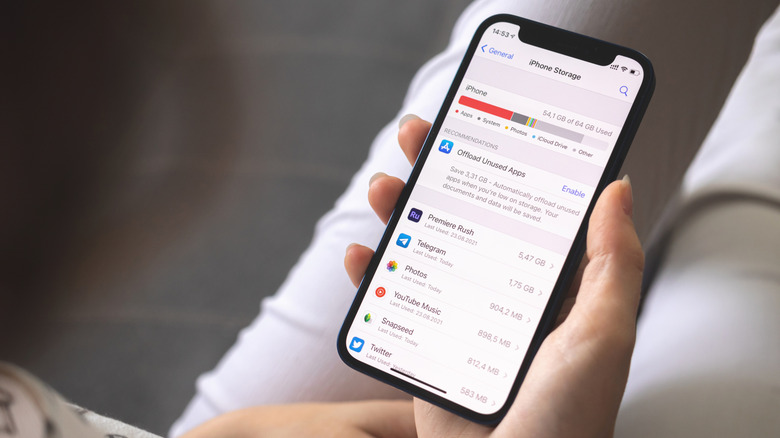
The absence of expandable storage remains a persistent critique of the iPhone lineup. Unlike many Android counterparts that feature microSD card slots, Apple does not allow for physical storage expansion. This necessitates a forward-thinking approach to storage needs at the point of sale. If a user underestimates their requirements, they are left with two unattractive options: offloading data to a computer or paying for a permanent, recurring cloud storage subscription.
The cost of this dependency is significant. As the data requirements for 4K video recording and high-fidelity photography increase, the reliance on iCloud becomes mandatory for many. For users needing significant capacity—such as the 6TB or 12TB tiers—the monthly cost can reach $59.99, representing a substantial long-term expenditure that far exceeds the one-time cost of a high-capacity microSD card.
Incremental Hardware Evolution
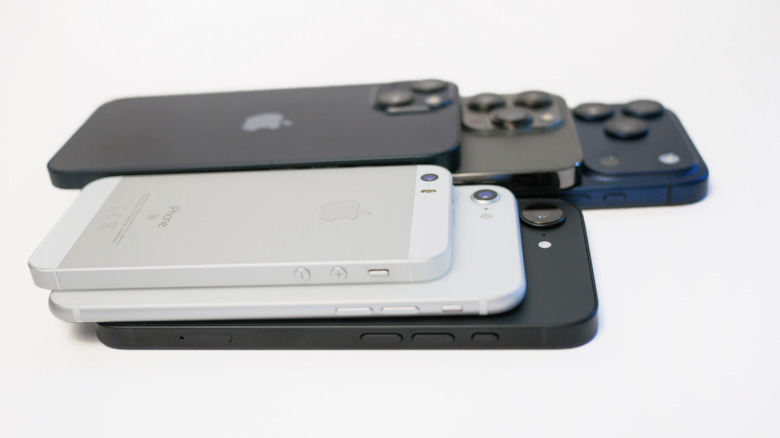
The smartphone industry has reached a plateau of innovation, where year-over-year hardware upgrades are often iterative rather than transformative. However, Apple’s release cycle often highlights these marginal improvements more starkly due to the high price point of its devices. Critics point to the fact that internal hardware changes—such as marginal processor speed increases—are often the primary "selling point" of new generations, which may not justify the upgrade cost for the average consumer.
This issue is compounded by the "planned obsolescence" narrative that has haunted the industry. Apple has faced legal and public relations challenges regarding its management of older devices, specifically relating to performance throttling intended to preserve aging battery health. While Apple has since provided more transparency and software tools to monitor battery health, the perception remains that the longevity of an iPhone is artificially capped by software updates, placing pressure on users to upgrade their hardware every three to four years.
Limitations in Data Portability
Finally, the file system architecture of iOS presents a hurdle for users who operate in cross-platform environments. While Apple has introduced the Files app to mitigate these issues, the process of transferring files to non-Apple hardware remains cumbersome. Connecting an iPhone to a Windows PC or an external hard drive frequently requires proprietary software or specific cable adapters to ensure data integrity and recognition.
In contrast, the Android file management system acts similarly to a USB mass storage device. Connecting an Android phone to a computer allows for direct file transfer via a simple cable, with no need for intermediary cloud services or specialized software. For users who work with large media files or who regularly move data between their mobile devices and workstations, the restrictions imposed by iOS can lead to significant workflow inefficiencies.
Conclusion
The decision to purchase an iPhone is a decision to prioritize a specific, highly polished, and interconnected user experience at the expense of flexibility, financial cost, and third-party interoperability. While the iPhone remains an industry leader in terms of hardware build and ecosystem cohesion, it is essential for consumers to recognize that these benefits come with inherent limitations. By understanding the trade-offs regarding storage, customization, and the long-term financial commitments of the Apple ecosystem, consumers can make an informed choice that aligns with their specific technical needs and financial priorities.