Microsoft Deploys Emergency Fixes for Critical Dell PC Performance and Shutdown Issues Following July 2026 Windows 11 Security Updates

Microsoft has released urgent out-of-band (OOB) updates to rectify a critical known issue that caused select Dell personal computers to experience severe performance degradation, unexpected shutdowns, and excessive heat generation after installing the July 2026 Windows 11 security updates. The rapid deployment of these emergency patches underscores the severity of the compatibility conflict, which had prompted Microsoft to temporarily block the problematic update for affected Dell systems earlier in the week.
The issue, officially acknowledged by Microsoft on Tuesday, July 28, 2026, specifically impacted Dell systems running Windows 11 versions 25H2 and 24H2 that had installed the cumulative update KB5101650. A separate but related fix was also issued for devices on Windows 11 Enterprise LTSC 2024. The root cause was identified as a complex interaction between a newly introduced Windows USB-C Connection Manager interface and a foundational system-level driver, the Intel Innovation Platform Framework (IPF) Processor Participant driver.
The Genesis of the Conflict: A Deep Dive into Driver Incompatibility
The intricate world of operating systems and hardware relies heavily on drivers – specialized software components that enable the operating system to communicate with hardware devices. In this instance, the conflict originated with a change introduced in the June 23, 2026, KB5095093 preview cumulative update for Windows 11. This preview update incorporated a new Windows USB-C Connection Manager interface, designed to enhance the functionality and management of USB-C connected devices, a rapidly growing standard across modern computing.
However, this new interface inadvertently triggered an incompatibility with the Intel Innovation Platform Framework (IPF) Processor Participant driver. The IPF Processor Participant driver is a crucial component within the broader Intel Innovation Platform Framework, which is responsible for managing core system functions related to power delivery, thermal management, and overall processor performance. It plays a pivotal role in ensuring that the CPU operates efficiently, remains within safe temperature limits, and draws appropriate power, thereby directly influencing battery life and system stability.
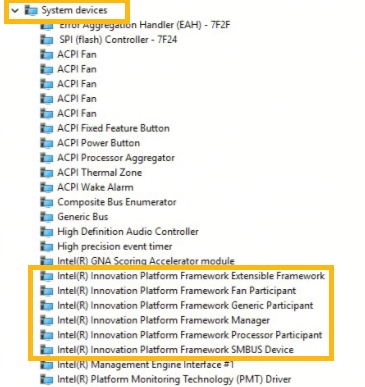
When this driver encountered the new USB-C Connection Manager interface, a conflict arose that prevented it from operating correctly. This malfunction manifested in several alarming symptoms: users reported seeing a yellow exclamation mark next to the Processor Participant driver in Device Manager, a common indicator of a driver issue. More critically, affected Dell devices began to exhibit unexpected shutdowns, severe performance slowdowns, noticeably increased heat output, and accelerated battery drain. These symptoms pointed directly to a failure in the system’s ability to properly regulate power and thermals, which are the primary responsibilities of the Intel IPF driver.
Microsoft articulated the issue, stating, "After installing the June 23, 2026, Windows preview update (KB5095093), a limited number of Dell devices might display a yellow exclamation point in Device Manager next to the Intel Innovation Platform Framework Processor Participant driver. These devices can potentially experience unexpected shutdowns, poor performance, increased heat, and battery drain." The company further clarified, "This issue was reported by Dell during testing and identified as an incompatibility between the Intel driver and the new Windows USB-C Connection Manager interface introduced in the June 23, 2026, Windows preview update (KB5095093)."
A Chronology of Detection and Response
The timeline of this incident highlights the collaborative efforts and rapid response required to address critical system-level bugs in a complex hardware-software ecosystem:

- June 23, 2026: Microsoft releases the KB5095093 preview cumulative update for Windows 11. This update, intended for early testers and organizations, introduces the new Windows USB-C Connection Manager interface.
- Late June – Mid-July 2026: During routine compatibility testing and validation processes, Dell, a key hardware partner, identifies the conflict between the new Windows interface and its integrated Intel IPF Processor Participant driver on specific Dell systems. Dell promptly reports these findings to Microsoft. Such proactive reporting by hardware manufacturers is a cornerstone of maintaining Windows ecosystem stability.
- July 2026 (Leading up to Patch Tuesday): Microsoft prepares the monthly security updates, including KB5101650. Based on Dell’s findings, Microsoft identifies that installing KB5101650 on the affected Dell systems would trigger the previously identified compatibility issue.
- Tuesday, July 28, 2026: Microsoft publicly acknowledges the issue. Recognizing the potential for widespread disruption, Microsoft takes the crucial step of blocking the installation of the July 2026 security update (KB5101650) for the specifically identified Dell systems. This temporary block prevented further devices from encountering the severe performance and stability problems while a permanent solution was developed.
- Saturday, August 1, 2026: Just three days after public acknowledgment and the update block, Microsoft releases emergency out-of-band (OOB) updates to address the issue. These updates are KB5121767 for Windows 11 25H2 and 24H2, and KB5121768 for Windows 11 Enterprise LTSC 2024. The rapid turnaround for an OOB update signifies the high priority assigned to this critical bug.
The Significance of Out-of-Band Updates and System Stability
Out-of-band updates are a rare occurrence in Microsoft’s patching schedule, typically reserved for critical security vulnerabilities or widespread system stability issues that cannot wait for the regular monthly Patch Tuesday cycle. Their deployment outside the standard schedule indicates the urgency and potential impact of the problem. Microsoft’s prompt action in releasing these OOB updates underscores its commitment to maintaining the stability and reliability of the Windows ecosystem.
"This update addresses an issue affecting a limited number of devices with an Intel Innovation Platform Framework (Intel IPF) driver that could cause changes in performance, power consumption, or system behavior after installing recent Windows updates," Microsoft stated in its support documentation for KB5121767. The company further clarified, "A limited number of Dell devices that were temporarily prevented from receiving the July 2026 security update KB5101650 can now install this OOB update. This OOB update is only recommended for devices affected by this issue. If your device is not affected, no action is required." This targeted approach ensures that only affected systems receive the specific fix, minimizing unnecessary deployments.
Deployment and Management for IT Professionals and End-Users
For IT administrators managing large fleets of devices, the deployment of these emergency updates is streamlined through existing Microsoft management tools. Devices configured with Windows Autopatch, especially those with hotpatch updates enabled, will receive this emergency update automatically, reducing the administrative burden. For organizations utilizing Microsoft Intune, guidance is available on the Microsoft Learn platform (learn.microsoft.com/en-us/mem/intune/protect/windows-10-expedite-updates) to expedite the deployment process. This allows IT teams to rapidly push the fix to critical systems within their environments.
Individual Windows users who have not yet installed the July 2026 security update (KB5101650) will also be prompted to install the emergency fix alongside other pending updates. A system restart will be required to finalize the installation and apply the patches effectively, restoring full functionality and stability to their Dell PCs.
Broader Implications: Trust, Testing, and the Ecosystem
This incident, while swiftly resolved, carries several broader implications for the PC ecosystem:
- Trust in Updates: Such occurrences, even if quickly fixed, can erode user and enterprise confidence in automatic updates. Users might become hesitant to install updates promptly, potentially delaying critical security patches and leaving systems vulnerable to other threats. Microsoft’s transparent communication and rapid response are crucial in mitigating this erosion of trust.
- Complexity of the Ecosystem: The event highlights the immense complexity involved in developing and maintaining an operating system that runs seamlessly across a vast array of hardware configurations from numerous manufacturers, each with their own unique drivers and firmware. The intricate interplay between an OS feature, a specific hardware vendor’s implementation, and a third-party driver (Intel, in this case) underscores the continuous challenge of ensuring compatibility.
- Importance of Preview Programs: The fact that Dell identified the issue during testing and reported it before the general release of the July security update validates the critical role of preview programs (like the Windows Insider Program and early access for OEMs). These programs allow for real-world testing and early detection of bugs that might not surface in isolated testing environments.
- Collaboration between Tech Giants: The swift resolution is a testament to the deep collaboration between Microsoft, Dell, and Intel. When critical issues arise, the ability of these industry giants to work together seamlessly on diagnosis, development, and deployment of fixes is paramount. Dell’s proactive identification and reporting of the bug to Microsoft were instrumental in preventing a wider and more prolonged disruption.
- Impact on Productivity and Enterprise Operations: For businesses, unexpected system shutdowns and performance issues translate directly into lost productivity, potential data corruption, and increased IT support costs. While the issue was contained to a "limited number" of Dell devices, given Dell’s significant share of the global PC market (consistently ranking among the top three vendors), even a small percentage of affected systems could represent thousands, if not tens of thousands, of users and workstations.
- The Ever-Present Tension: Innovation vs. Stability: Microsoft constantly introduces new features and improvements to Windows, such as the new USB-C Connection Manager interface. Balancing this innovation with the absolute necessity of system stability is a delicate act. Every new feature or change carries the potential for unforeseen interactions with existing hardware and software components.
Moving Forward
The incident serves as a reminder of the dynamic nature of modern computing and the continuous efforts required by operating system developers, hardware manufacturers, and chipmakers to ensure a stable and secure user experience. While emergency updates like KB5121767 and KB5121768 provide immediate relief, the underlying lessons learned from such compatibility conflicts will undoubtedly inform future testing methodologies and collaborative strategies among industry partners, aiming to prevent similar disruptions as Windows continues to evolve. Users are advised to ensure their systems are up to date and to promptly install these critical fixes to restore optimal performance and stability to their Dell devices.
Related posts: