Mass Effect Fandom Rallies Behind Global Save Mass Effect Campaign After EA Closes BioWare and Cancels Next Installment

The global science fiction gaming community has mounted an unprecedented advocacy campaign in response to corporate restructuring that abruptly terminated one of the industry’s most storied franchises. Following Electronic Arts’ decision last week to close legendary developer BioWare and subsequently cancel the long-awaited fifth installment of the Mass Effect series, devoted fans have mobilized under the banner of the Save Mass Effect movement. Driven by grassroots organizing, online mobilization, and high-impact physical advertising, the campaign aims to pressure the multinational publisher into reversing its decision or transferring intellectual property rights to an external studio capable of continuing the voyage across the stars.
The unfolding situation represents a watershed moment for modern gaming culture, highlighting the profound emotional connections forged between players and interactive narratives, as well as the fragile nature of long-running franchises in an era of corporate consolidation. As the campaign rapidly expands from digital forums to prominent urban centers, industry analysts and labor advocates are closely monitoring an initiative that bridges consumer advocacy with direct solidarity for displaced development talent.
Chronology of a Crisis: The Closure of BioWare and the Fall of Mass Effect 5
The origins of the current mobilization trace back to a tumultuous corporate announcement that sent shockwaves through the video game industry. Electronic Arts, which acquired BioWare in 2007 as part of its historic buyout of Pandemic Studios and BioWare’s parent company VG Holding Corp., revealed a sweeping strategic realignment. Citing shifting market conditions, rising development costs, and an internal restructuring designed to streamline operations around core intellectual properties, EA announced the definitive closure of BioWare’s primary studios.
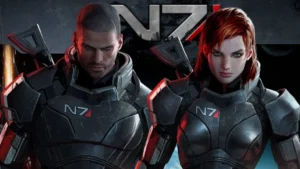
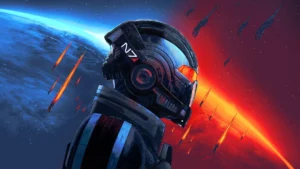
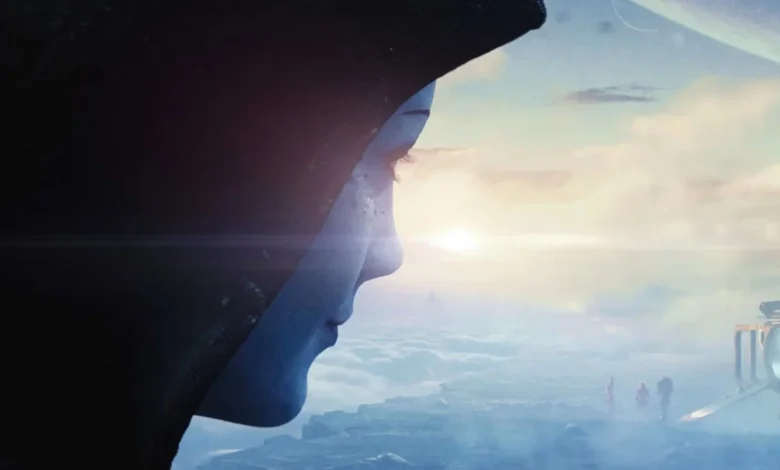
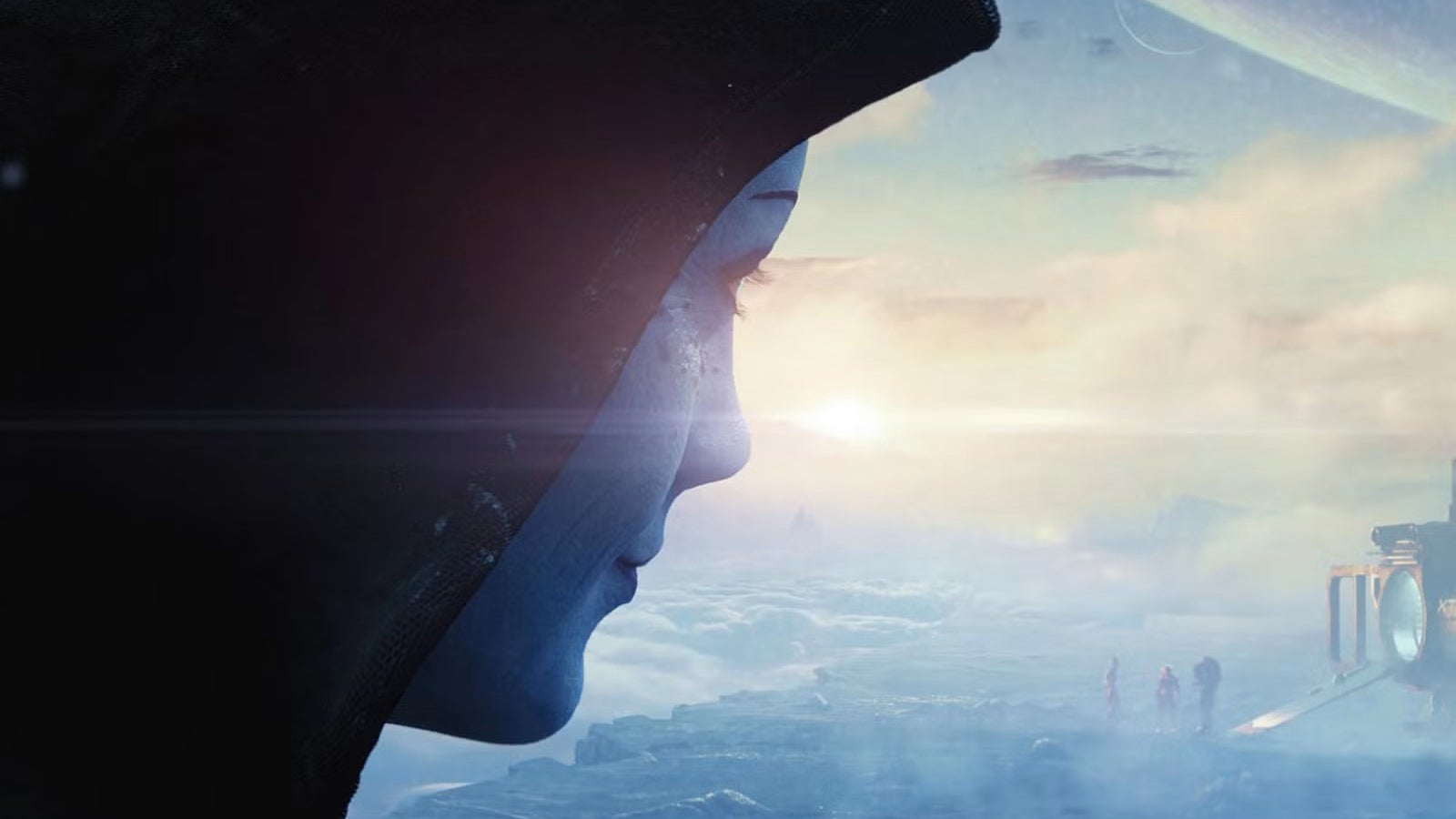
With the closure came the immediate termination of the next major chapter in the Mass Effect saga, informally known as Mass Effect 5. The project, which had been in pre-production and early development phases under the guidance of veteran BioWare leadership, was intended to bridge the narrative gaps left by the original trilogy and the divisive yet expansive spin-off, Mass Effect: Andromeda. Teasers and promotional art released by BioWare on previous "N7 Days"—the annual November 7 celebration dedicated to the franchise—had fueled immense speculation and consumer anticipation, making the abrupt cancellation a devastating blow to the millions of players invested in Commander Shepard’s legacy and the fate of the Milky Way galaxy.
The reaction from the gaming public was swift. Within hours of the announcement, digital forums, Reddit communities, and social media channels transformed into organizing hubs. Recognizing the existential threat to a universe that debuted in 2007 and redefined cinematic role-playing games, community leaders began strategizing how to make their collective voices heard by EA executives.
From Digital Protest to Times Square: The Scaling of the Campaign
What began as organic online discontent quickly matured into a sophisticated, multi-city public relations campaign. Spearheaded by community groups such as "We Are Mass Effect" alongside prominent content creators like Kala Elizabeth, the movement transcended traditional digital petitioning to secure prominent physical visibility in major metropolitan areas.
On October 26, 2026, the campaign achieved a milestone that drew mainstream media attention: a high-profile digital billboard in the heart of New York City’s Times Square. Situated at 1560 Broadway, directly above the Pelé store in Duffy Square, the display broadcasted the #SaveMassEffect message for 15 seconds every hour. The advertisement prominently featured the phrase "Kellah Si’yah"—a deep-cut linguistic reference to the Quarian ark Keelah Si’yah from Mass Effect: Andromeda, which ferried multiple species toward a new home in a distant galaxy. This clever nod resonated deeply with the core fanbase, symbolizing perseverance against seemingly insurmountable odds.
According to campaign organizers Mer Mora and collaborators, the New York activation is merely the opening salvo in a broader, coordinated calendar of physical demonstrations. Plans are already underway to deploy advertising trucks near EA’s corporate headquarters in Redwood City, California, as well as near the former BioWare facilities in Edmonton, Alberta. Furthermore, organizers are coordinating mobile billboards timed specifically for N7 Day in November and a major Los Angeles activation slated to coincide with The Game Awards, ensuring sustained pressure on publisher leadership during critical industry inflection points.
Supporting Data and Financial Transparency
The economic engine driving these physical demonstrations is entirely community-funded, reflecting a profound level of financial commitment from the player base. Organizers established a GoFundMe initiative to underwrite the costs of billboard rentals, mobile advertising trucks, and logistical coordination across multiple states and provinces.
The response to the fundraising drive exceeded all initial projections. As financial contributions poured in from across the globe, the campaign surpassed its primary budgetary requirements within days. Crucially, in a demonstration of solidarity that has earned widespread praise across the labor landscape, organizers committed to redirecting all surplus funds. Any financial contributions exceeding the operational costs of the advertising campaign are being channeled directly into the Game Workers’ Hardship Fund.
The Hardship Fund, established earlier in 2026 by the United Videogame Workers union (UVW-CWA), provides direct financial relief to game developers who have been laid off across Canada and the United States. This strategic pivot connects consumer grievances directly to labor welfare, ensuring that the human cost of BioWare’s closure—specifically, the displacement of hundreds of programmers, artists, writers, and QA testers—is not overshadowed by the loss of the intellectual property itself.
Concurrently, the digital petition hosted on Change.org has experienced exponential growth. Surpassing 226,000 verified signatures and continuing to climb rapidly, the petition formally calls upon Electronic Arts leadership to either allocate the necessary capital and resources to resume development on a new Mass Effect title or, alternatively, license the intellectual property to an outside studio capable of executing the project with the requisite fidelity and creative integrity.
Industry Implications and the Future of Dormant Franchises
The Save Mass Effect movement arrives at a critical juncture for the interactive entertainment sector. Over the past several years, the industry has experienced widespread contraction, characterized by studio closures, mass layoffs, and the cancellation of numerous high-profile projects as publishers pivot toward hyper-conservative financial strategies focused on established live-service games.
The closure of BioWare—a studio historically synonymous with industry-defining role-playing masterpieces such as Baldur’s Gate, Star Wars: Knights of the Old Republic, Dragon Age, and Mass Effect—has intensified an ongoing debate regarding corporate ownership of cultural touchstones. Critics and analysts note that when a publisher shuttering a studio also retains perpetual rights to beloved intellectual properties, vibrant fictional universes can be rendered permanently dormant, frustrating both creators and consumers.
While historical precedents for publisher capitulation to fan campaigns are rare, instances do exist where sustained public pressure influenced corporate strategy, such as the successful grassroots lobbying that eventually brought various classic titles to modern platforms or revived canceled television series in the broader entertainment sector. Whether Electronic Arts will alter its stance regarding Mass Effect remains uncertain. Corporate communications departments have thus far maintained silence regarding the petition and the physical billboard campaigns.
Nevertheless, the tenacity of the Save Mass Effect movement demonstrates that modern gaming communities operate with a level of organization, logistical competence, and media savvy that rivals professional marketing firms. By intertwining consumer advocacy with tangible support for displaced game developers, the campaign has established a novel blueprint for how fanbases can respond to corporate restructuring. As the movement looks toward upcoming milestones including N7 Day and The Game Awards, the central question for Electronic Arts is whether the sustained public outcry will ultimately compel a re-evaluation of the franchise’s fate, or if the stars have truly set on one of science fiction’s most celebrated interactive journeys.