Double Fine Productions Announces Chaotic Bus Simulator Thank You Bus Driver as First Independent Release Following Xbox Spin-Off

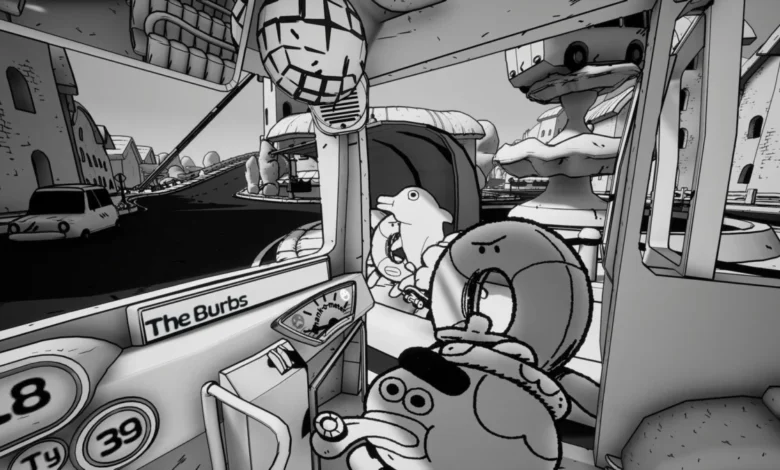
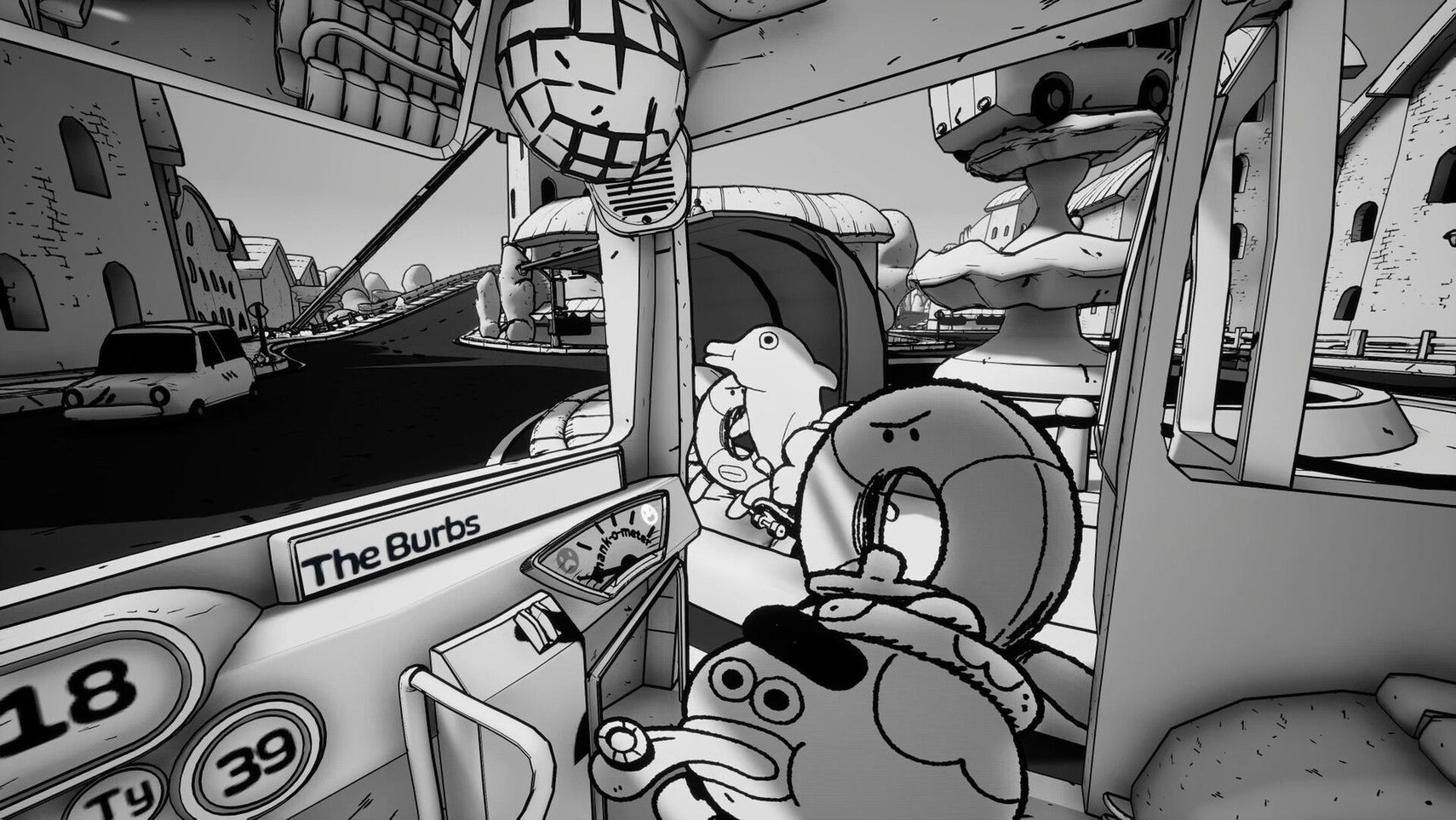
Double Fine Productions is moving swiftly into its new era as an independent video game developer, announcing that its upcoming black-and-white driving simulator, Thank You Bus Driver, will launch on PC storefronts in roughly two weeks. Revealed just weeks after the studio parted ways with corporate parent Xbox earlier this summer, the game represents a stark pivot toward rapid, smaller-scale production under a newly established publishing banner.
The announcement comes during a period of profound structural transition for the storied studio, which was affected by broader corporate reorganizations within the gaming industry. Despite these challenges, studio leadership has pressed forward, utilizing agile development frameworks to bring fresh creative concepts to market at an accelerated pace.
Main Facts and Game Overview
Thank You Bus Driver is described as a chaotic, black-and-white simulation game that places players in the shoes of an ordinary municipal bus driver. The core gameplay loop revolves around navigating town routes, picking up passengers, and adhering to strict time limits. However, true to Double Fine’s signature penchant for eccentric design and dark humor, the title incorporates unexpected mechanics reminiscent of bureaucratic management games like Papers, Please.
As shifts progress, drivers must actively enforce municipal transit rules. When infractions occur, players are tasked with physically turning around and disciplining unruly passengers by slapping them across the face utilizing the driver’s exaggerated, freakishly long arms.
The game is scheduled for release on October 14 and will be available across multiple major PC platforms, including Steam, GOG, and Itch.io. It marks the inaugural title launched under Double Fine Action Labs, a newly formed publishing label specifically dedicated to producing unconventional, experimental games with shortened development cycles.
Chronology and Corporate Restructuring
The journey to the release of Thank You Bus Driver traces back to significant macroeconomic and corporate shifts within the video game industry throughout the year.
Earlier this summer, Microsoft executed a major corporate restructure affecting its Xbox division. As part of these strategic changes, the technology conglomerate spun off five first-party development studios, granting them independence while simultaneously initiating widespread workforce reductions affecting approximately 3,200 employees across its gaming ecosystem.
Double Fine Productions, renowned for critically acclaimed titles such as Psychonauts, Brutal Legend, and Broken Age, was directly impacted by the corporate separation. In the wake of losing its major publisher backing and financial safety net, the studio was forced to navigate the financial realities of independence, resulting in the layoff of approximately one-quarter of its internal workforce.
Rather than halting operations or sinking into prolonged development cycles for a massive blockbuster project, studio management pivoted toward smaller, highly distinct projects that could be developed efficiently by lean teams. Thank You Bus Driver emerged as the first fruit of this new operational strategy, moving from initial public announcement to commercial release in a matter of weeks.
Supporting Data and Industry Context
The establishment of Double Fine Action Labs highlights a broader trend among mid-tier and independent developers operating in a volatile economic climate. With traditional triple-A development budgets ballooning past hundreds of millions of dollars and development cycles stretching upwards of five to seven years, studios face immense financial pressure.
By scaling down project scope, developers can mitigate financial risks while retaining creative autonomy. This agile methodology is further supported by crowd-funding and community engagement initiatives. Double Fine has indicated that its recently announced Amnesia Fortnight Kickstarter campaign will serve as a pipeline for future titles under the Action Labs label, demonstrating a sustainable model for iterative, rapid game design.
The studio’s historical relationship with subscription models, particularly Microsoft’s Xbox Game Pass, offers additional context regarding how independent titles reach consumers. Speaking on the mechanics of modern game distribution, Double Fine founder Tim Schafer previously expressed support for subscription services, noting how they remove financial friction for players willing to try unconventional concepts.
"If you’re sitting in a store and holding a disc, and it costs $70, and it’s about a walking lighthouse, there’s a barrier there," Schafer noted regarding consumer hesitation toward novel intellectual properties. "But if you’ve just got to download a game you’ve already paid for, it might lead people to trying weird games like Double Fine makes."

Official Responses and Industry Reflections
Reflecting on the amicable nature of the studio’s departure from Xbox, Schafer maintained a positive outlook regarding the platform holder, noting that no systemic animosity exists between the two entities despite the operational disruption caused by the corporate split.
However, Schafer did not shy away from addressing the broader systemic instability currently plaguing the interactive entertainment sector. Commenting on the widespread industry layoffs and studio closures that have eliminated thousands of jobs over the past year, the veteran developer expressed bewilderment at the disconnect between healthy consumer demand and widespread corporate contraction.
"People are playing games, people are making money, so I don’t know why there is a big loss of jobs," Schafer observed. "I assume someone is being greedy somewhere."
Broader Impact and Implications
The release of Thank You Bus Driver serves as a case study in studio resilience and adaptability within the modern games industry. As traditional funding models prove increasingly precarious and corporate consolidation concentrates risk, independent developers are forced to innovate not only in their game design but in their business operations.
By embracing the Action Labs label, Double Fine is charting a viable path forward that prioritizes creative freedom, rapid prototyping, and direct-to-consumer digital distribution. Whether this model can be sustained across the wider independent sector remains to be seen, but for Double Fine, it represents an immediate and necessary survival strategy following the end of its tenure as an Xbox first-party studio.
As PC players prepare to step behind the wheel on October 14, the gaming community will be closely watching to see if Double Fine’s gamble on eccentric, bite-sized entertainment pays off commercially, potentially setting a precedent for other studios navigating the turbulent waters of post-corporate independence.
Related posts: