Instagram Creator-Led Collaborations Outperform Brand-Published Posts by Over Five Times in Retail and E-commerce

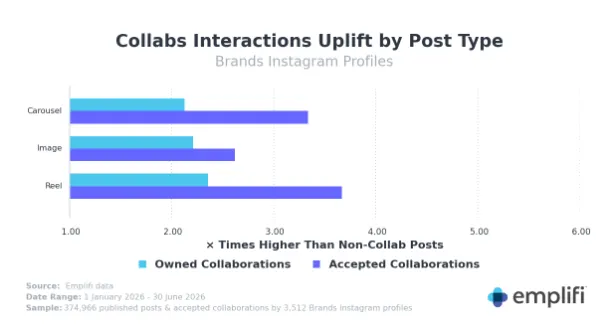
The landscape of digital marketing and social media advertising is undergoing a profound structural shift, characterized by a move away from traditional corporate broadcasting toward peer-to-peer authenticity. According to comprehensive new research published by Emplifi, a leading customer experience and social media marketing platform, creator-published brand collaborations on Instagram consistently outperform both standard brand posts and brand-published collaborative posts. This data highlights a growing preference among consumers for organic, influencer-driven content over polished corporate messaging, forcing brands to reevaluate how they allocate their digital marketing budgets and structure their partnership strategies.
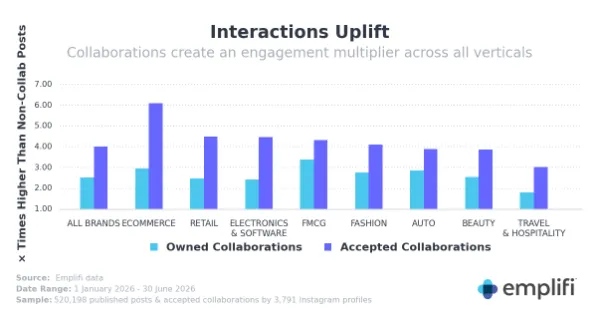
The study, which examined an extensive dataset of more than 520,000 posts across 3,791 brand profiles on Instagram, provides vital insights into the trends dictating social media performance. The central finding of the research is clear: when an independent content creator publishes a promotional post and invites a brand to collaborate—a dynamic Emplifi defines as an accepted collaboration—the resulting engagement, reach, and amplification dwarf those of standard brand-owned initiatives. In the competitive retail and e-commerce sectors, these accepted collaborations generate more than five times the amplification of non-collaborative posts. Furthermore, across nearly all industry verticals, both types of Instagram collaborations generate significantly more shares, comments, and reposts than conventional corporate posts, demonstrating the undeniable value of social proof and network cross-pollination.
Understanding the Evolution of Instagram Collaborations
To fully grasp the significance of these findings, it is necessary to examine how Instagram’s collaboration feature has evolved since its introduction. Meta initially rolled out the Collab feature to allow two accounts to co-author a single feed post or Reel. When utilized, the content appears simultaneously on both profiles, sharing view counts, likes, and comment sections. This technical integration effectively merges two distinct audiences, exposing the brand to the creator’s followers and vice versa, without requiring users to navigate away or view duplicate content.
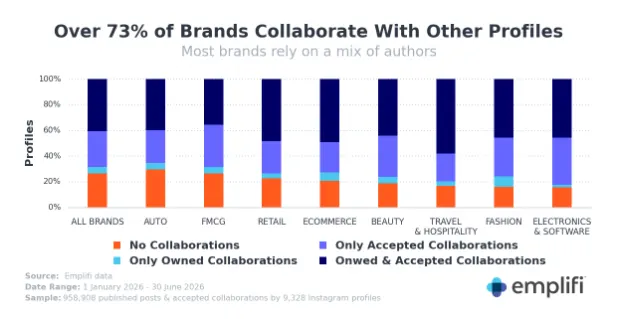
Emplifi’s research indicates that more than 73% of active brands on Instagram are now utilizing this collaboration feature. However, the platform distinguishes between two distinct operational workflows: owned collaborations and accepted collaborations. In an owned collaboration, the brand originates the post from its corporate handle and invites a creator to co-author the content. Conversely, in an accepted collaboration, the creator produces the content from their personal or professional profile and sends a partnership request to the brand, which then accepts the invitation to co-author.
The empirical data demonstrates a stark contrast in performance between these two methods. While owned collaborations offer brands tighter quality control and alignment with corporate aesthetic guidelines, they frequently lack the distinct voice and perceived authenticity that modern audiences demand. Accepted collaborations, by contrast, leverage the creator’s unique editorial style, allowing the promotional messaging to blend seamlessly into the creator’s regular content feed. This structural difference appears to be the primary driver behind the superior engagement metrics associated with creator-led publishing workflows.
The Broader Technological and Ecosystem Context

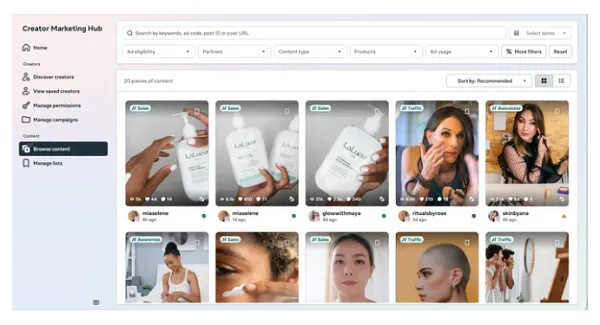
The timing of Emplifi’s research—which analyzed posts published between January 1 and June 30—coincides with significant infrastructure updates rolled out by Meta across its ecosystem. Throughout late 2024 and early 2025, Meta systematically expanded its creator partnership tools, streamlining the discovery, outreach, and sponsorship management processes. The Meta Creator Marketing Hub has increasingly lowered the friction between brands and influencers, providing standardized frameworks for campaign execution.
Of particular note is the rapid expansion of Meta’s affiliate program, which was notably broadened in March to include direct brand links within Reels clips. This program allows creators to select from a catalog of approved products and embed direct purchasing pathways into their short-form video content, earning commissions on resulting sales. Industry analysts suggest that the explosive growth in creator-published collaborations during the first half of the year was heavily catalyzed by this affiliate integration. As creators actively sought to monetize their content through performance-based commissions, they took the initiative to establish partnerships, produce promotional materials, and invite brands to co-author posts, thereby driving higher performance metrics across the platform.
Reels Emerge as the Definitive Engine for Engagement
While the collaboration feature boosts performance across virtually all content formats on Instagram, Emplifi’s data highlights short-form video, specifically Reels, as the definitive engine for audience engagement and amplification. Reels consistently generated the highest gains in reach and interaction when paired with a creator collaboration.
This phenomenon is rooted in the unique demands of modern short-form video consumption. Grabbing and holding an audience’s attention within the first three seconds of a Reel requires a deep, intuitive understanding of platform culture, trending audio tracks, algorithmic nuances, and visual storytelling techniques. Because content creation is their full-time profession, creators naturally possess a more refined grasp of these dynamics than most internal corporate marketing teams. When a brand partners with a creator for a Reel, it effectively outsources the creative direction to a specialist who understands how to package promotional messaging in a way that resonates with modern digital consumers, avoiding the sterile feel of traditional advertising.
Industry Implications and Strategic Shifts for Marketers
The implications of Emplifi’s study for brand marketers, public relations professionals, and social media strategists are profound. For years, corporate social media strategies relied heavily on building massive owned media channels, operating under the assumption that a large follower count on a brand’s profile would translate directly into customer loyalty and sales. However, as organic reach for corporate profiles continues to face algorithmic headwinds, brands have been forced to pivot toward earned and shared media models.
The data proves that modern consumers place greater trust in individual creators than in corporate entities. When a brand insists on maintaining absolute editorial control—publishing content from its own profile and merely tagging a creator—it risks producing content that modern audiences easily identify as an advertisement and subsequently scroll past. By empowering creators to take the lead, giving them the editorial freedom to conceptualize, produce, and publish collaborative posts, brands can tap into established communities of trust.
Strategic adjustments are already underway across major marketing departments. Forward-thinking companies are shifting away from rigid, top-down campaign briefs that treat creators merely as distribution channels. Instead, brands are adopting more collaborative frameworks, providing creators with product access and key messaging pillars while granting them the autonomy to determine how the content is framed and published. This shift requires a cultural adjustment within corporate marketing teams, moving from a culture of strict supervision to one of strategic partnership and trust.
Looking Ahead: The Future of Creator-Brand Partnerships
As social media platforms continue to refine their monetization tools and algorithms, the line between traditional advertising and organic creator content will continue to blur. Meta’s ongoing investments in creator-matching technologies and affiliate commerce infrastructure indicate that collaborative features will remain central to digital marketing strategies for the foreseeable future.
For brands operating on Instagram and other visual-first platforms, the message delivered by Emplifi’s research is unambiguous: relinquishing control can yield exponential returns. By trusting creators to lead the storytelling process and utilizing collaboration tools to bridge corporate resources with authentic peer-to-peer influence, marketers can achieve levels of engagement and brand amplification that traditional corporate posting simply cannot match. As digital ecosystems evolve into the latter half of the decade, success will increasingly belong to those organizations that master the art of stepping back and letting the creators lead.
Related posts: