NASA Unveils Groundbreaking MAX POWER Aerospace Expo and Lunar Exploration Strategy at Kennedy Space Center

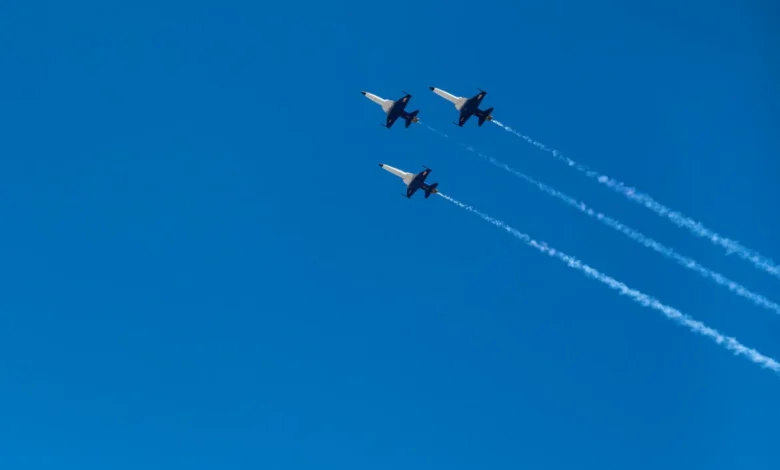
The landscape of American aviation and space exploration is poised for a significant transformation as the aerospace industry gathers in Florida for the inaugural MAX POWER aerospace expo and air show. Scheduled to take place from Friday, Nov. 6, through Sunday, Nov. 8, 2026, the event will be hosted at and around NASA’s Kennedy Space Center. This high-profile gathering represents the culmination of an intensive year of outreach efforts and serves as a primary venue for the agency to unveil the next generation of flight technologies and provide critical updates regarding its long-term lunar presence.
The MAX POWER expo arrives as the aerospace sector undergoes a period of rapid evolution, driven by the dual pressures of sustainable aviation and the acceleration of deep-space exploration programs. By integrating public-facing demonstrations with high-level technical exhibitions, NASA aims to bridge the gap between abstract scientific research and tangible industrial application. The event serves as the grand finale of the agency’s recent Inspiration Tour, an initiative that saw a series of strategic flyovers and educational engagements designed to demonstrate the versatility and efficiency of NASA’s modern aircraft fleet.
A Showcase of Future-Forward Aviation Technology
A centerpiece of the exhibition will be the static display of the X-59, NASA’s quiet supersonic research aircraft. The X-59, developed in partnership with Lockheed Martin, represents a potential paradigm shift in civil aviation. By utilizing "Quiet SuperSonic Technology" (QueSST), the aircraft is designed to reduce the sonic boom—a phenomenon that has historically restricted supersonic flight over land—to a mere "thump." The implications for the commercial airline industry are substantial, as successful validation of this technology could lead to the lifting of long-standing bans on overland supersonic commercial travel, potentially cutting transcontinental flight times in half.
Beyond atmospheric flight, the expo will feature a comprehensive look at autonomous systems and lunar mobility. Industry collaborators are set to showcase a variety of Moon rovers and robotic spacecraft designed for the challenging environment of the lunar surface. These displays provide a rare opportunity for the public and industry stakeholders to witness the hardware that will support the Artemis generation of explorers. Autonomous vehicles, in particular, represent a critical component of NASA’s strategy to maintain a persistent presence on the Moon, where robotic precursors must prepare infrastructure long before human crews arrive.
The Lunar South Pole and the Future of the Moon Base
While the public-facing aspects of MAX POWER emphasize the thrill of flight, the event’s most significant news will center on the Moon Base. NASA has scheduled an official press conference for 5 p.m. on Nov. 7, specifically to address the current status and future roadmap of the agency’s lunar outpost.
Located near the lunar South Pole, the Moon Base is positioned in a region of significant scientific interest. The South Pole is believed to contain vast deposits of water ice within permanently shadowed craters, a resource that is essential for long-term sustainability. If successfully harvested, this ice could be processed into oxygen for breathing and liquid hydrogen and oxygen for rocket propellant, effectively transforming the Moon into a "gas station" for deep-space missions.
The upcoming briefing is expected to provide technical details on the progress of modular habitat construction and the integration of power generation systems, such as advanced solar arrays and potential small modular reactors (SMRs). For the scientific community, the Moon Base is more than a residence; it is a laboratory for studying the effects of long-duration low-gravity exposure on human health and testing the resilience of materials in the harsh lunar vacuum.
Chronology of the Event
The MAX POWER expo is structured to provide both technical depth for industry professionals and engaging experiences for the general public:
- Friday, Nov. 6: The event opens with technical workshops and industry networking sessions. These closed-door or invitation-only segments focus on supply chain integration and the next phase of aerospace procurement.
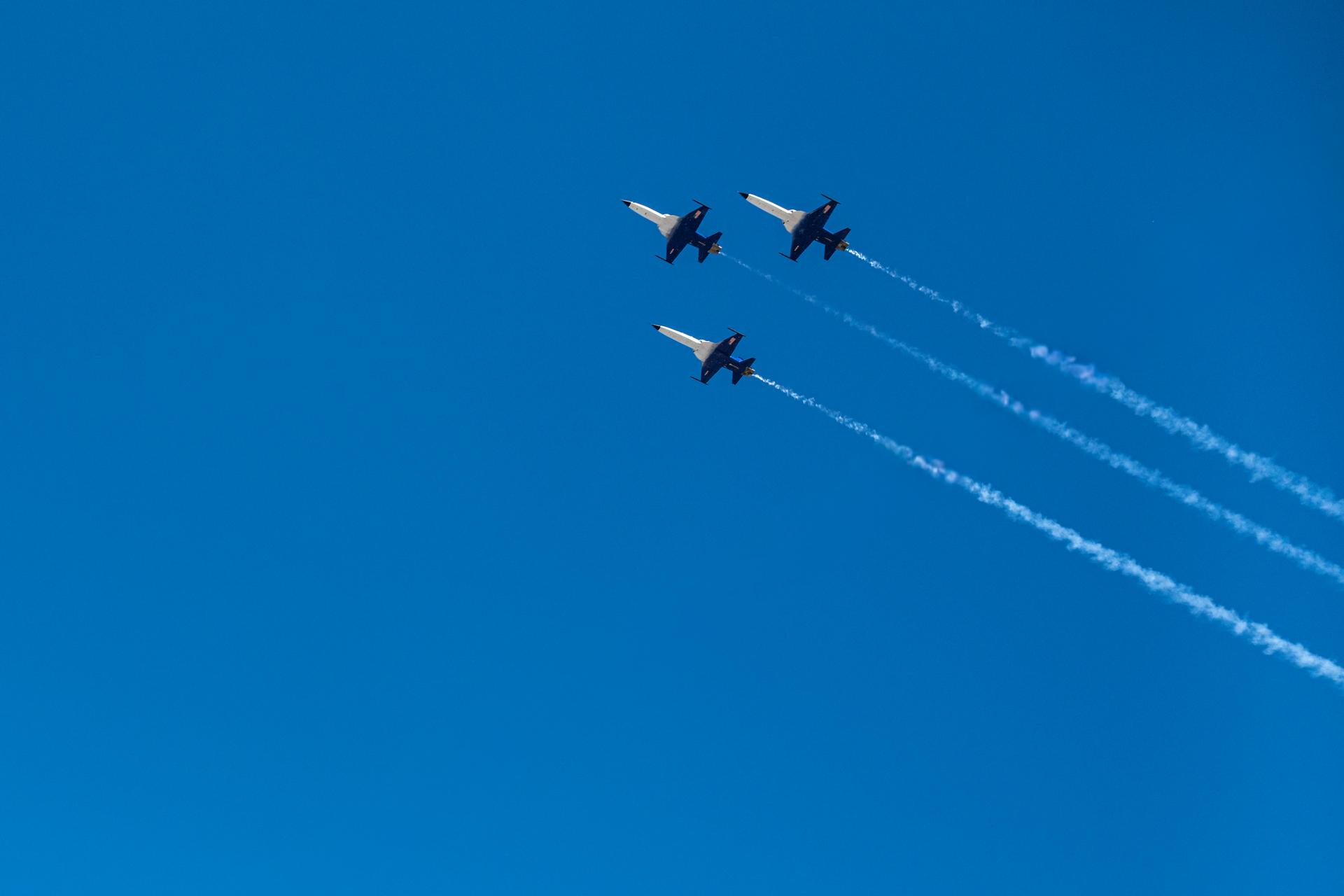
- Saturday, Nov. 7: Gates open to the public at 9 a.m. EST. The day will feature large-scale aerial demonstrations, tours of the static displays, and interactive exhibits. At 5 p.m. EST, the Moon Base news conference will be held, providing a comprehensive update on the agency’s lunar infrastructure progress.
- Sunday, Nov. 8: The final day of the expo will focus on educational outreach, with STEM-focused sessions and opportunities for attendees to engage with NASA leadership, astronauts, and engineers. The event will conclude in the late afternoon following a final series of flyovers.
The Strategic Importance of Public-Private Partnerships
The collaborative nature of MAX POWER highlights a broader shift in how NASA approaches development. By bringing in external partners to showcase their own innovations alongside NASA’s, the agency is actively fostering a commercial space economy. The inclusion of private entities is not merely symbolic; it is a tactical necessity. The scale of modern space exploration—from the commercialization of low-Earth orbit to the eventual mission to Mars—requires a level of industrial capacity that exceeds the scope of any single government agency.
Industry analysts suggest that the synergy between NASA’s research and the private sector’s rapid iteration cycles is what allowed for the accelerated timelines seen in the Inspiration Tour and the subsequent development of the lunar infrastructure. By showcasing these technologies at a public expo, NASA is also securing the "social license" to operate—ensuring that the public remains informed and supportive of the significant budgetary investments required for deep-space exploration.
Implications for the Aerospace Industry
The implications of the technologies presented at MAX POWER extend far beyond the immediate gains of the mission. The advancements in autonomous navigation for lunar rovers are directly applicable to the development of self-driving terrestrial vehicles and logistics systems. Similarly, the structural innovations required for the X-59 to achieve low-noise supersonic flight have direct applications in the manufacturing of more fuel-efficient, subsonic commercial aircraft, potentially reducing the carbon footprint of the global aviation sector.
Furthermore, the Moon Base serves as a litmus test for international cooperation. As multiple nations and private corporations eye the lunar surface, the protocols and technologies developed by NASA at the South Pole will likely set the standard for international lunar governance and environmental stewardship. The transparency offered by the upcoming press conference signals NASA’s intent to maintain a leadership role in establishing these norms.
Logistics and Media Coordination
For those unable to attend in person, NASA has confirmed that live coverage of the Moon Base news conference will be available across multiple digital platforms, including the official agency website. This commitment to transparency ensures that the information shared at the event is accessible to a global audience.
Media credentialing for the event has already closed, reflecting the high demand and limited capacity at the site. For journalists who have been approved for the event, NASA has emphasized that all interviews with agency personnel and project partners must be scheduled well in advance. Virtual access for the press conference has been made available to ensure that news organizations unable to send representatives to Florida can still receive the information directly from the source.
As the aerospace community converges on Florida, the atmosphere is one of anticipation. MAX POWER is not merely a show of force or a display of hardware; it is a milestone event that marks the transition from the conceptual phase of the current lunar exploration cycle to the operational reality of building a permanent outpost in the solar system. Whether through the quiet roar of the X-59 or the quiet, steady progress of the lunar habitat, the developments at Kennedy Space Center this November will echo throughout the aerospace industry for years to come.
The agency encourages all attendees to consult the official MAX POWER website frequently, as schedules for aerial demonstrations and technical briefings remain subject to change based on meteorological conditions and operational requirements. Through these efforts, NASA continues to demonstrate its commitment to transparency, innovation, and the advancement of humanity’s reach into the cosmos.