Apple September 2026 Launch Event Signals a New Era for Hardware and AI Integration


The September 2026 Apple product launch event marked a historic transition for the Cupertino-based technology giant, as newly appointed CEO John Ternus took the stage for his inaugural keynote address. Signaling a departure from the long-standing leadership of Tim Cook, the 78-minute presentation focused on a paradigm shift in Apple’s hardware strategy, headlined by the company’s first foray into the foldable smartphone market and significant advancements in artificial intelligence.
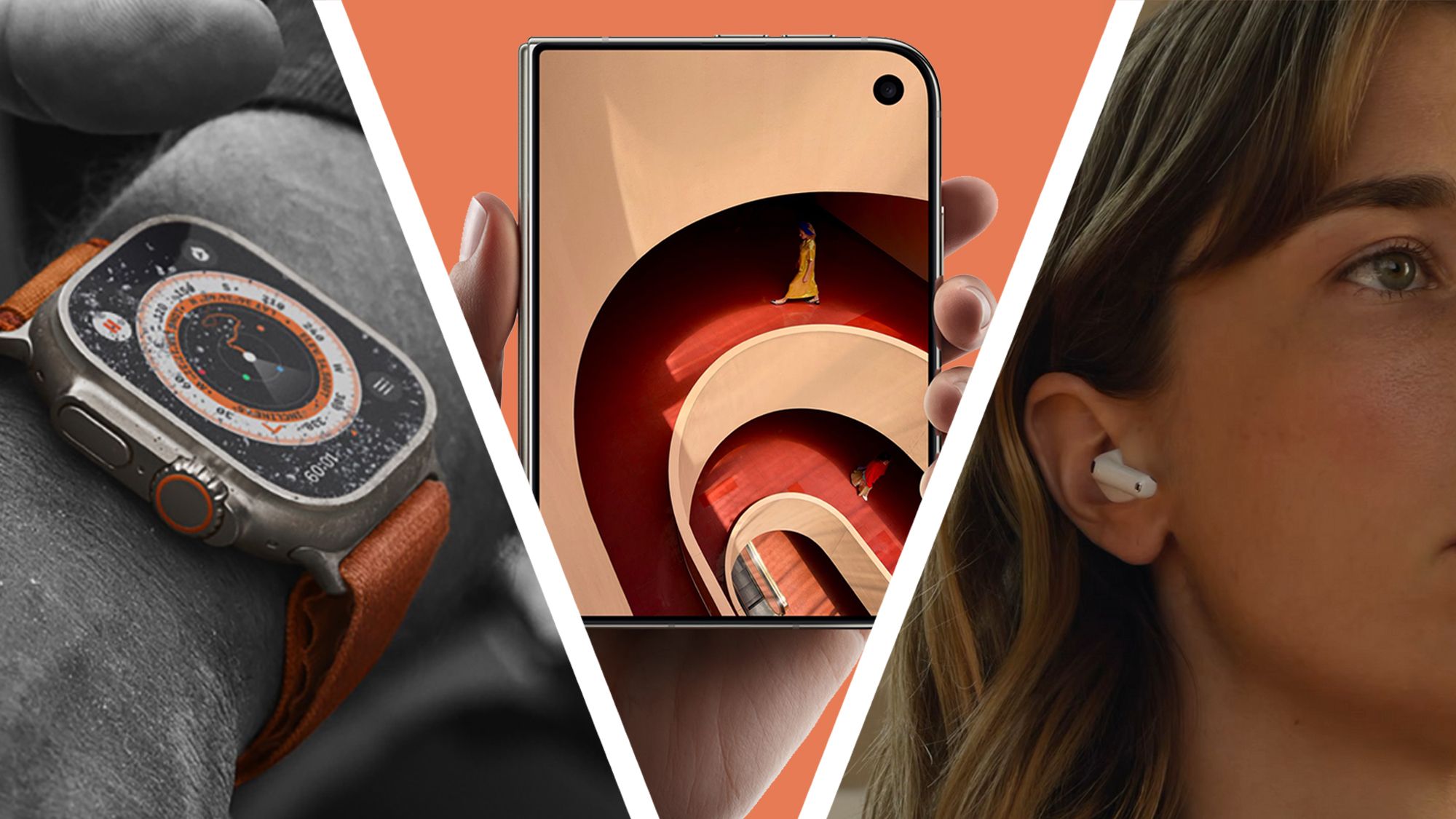
The event, which concluded with a comprehensive rollout of new mobile and wearable hardware, underscored Apple’s intention to defend its market share against increasingly aggressive competition from Android-based manufacturers. By diversifying its product release schedule and integrating deep-learning capabilities into its core operating systems, Apple aims to sustain growth amidst a challenging global economic climate characterized by memory shortages and supply chain volatility.
The iPhone Duo: Breaking the Form Factor Barrier
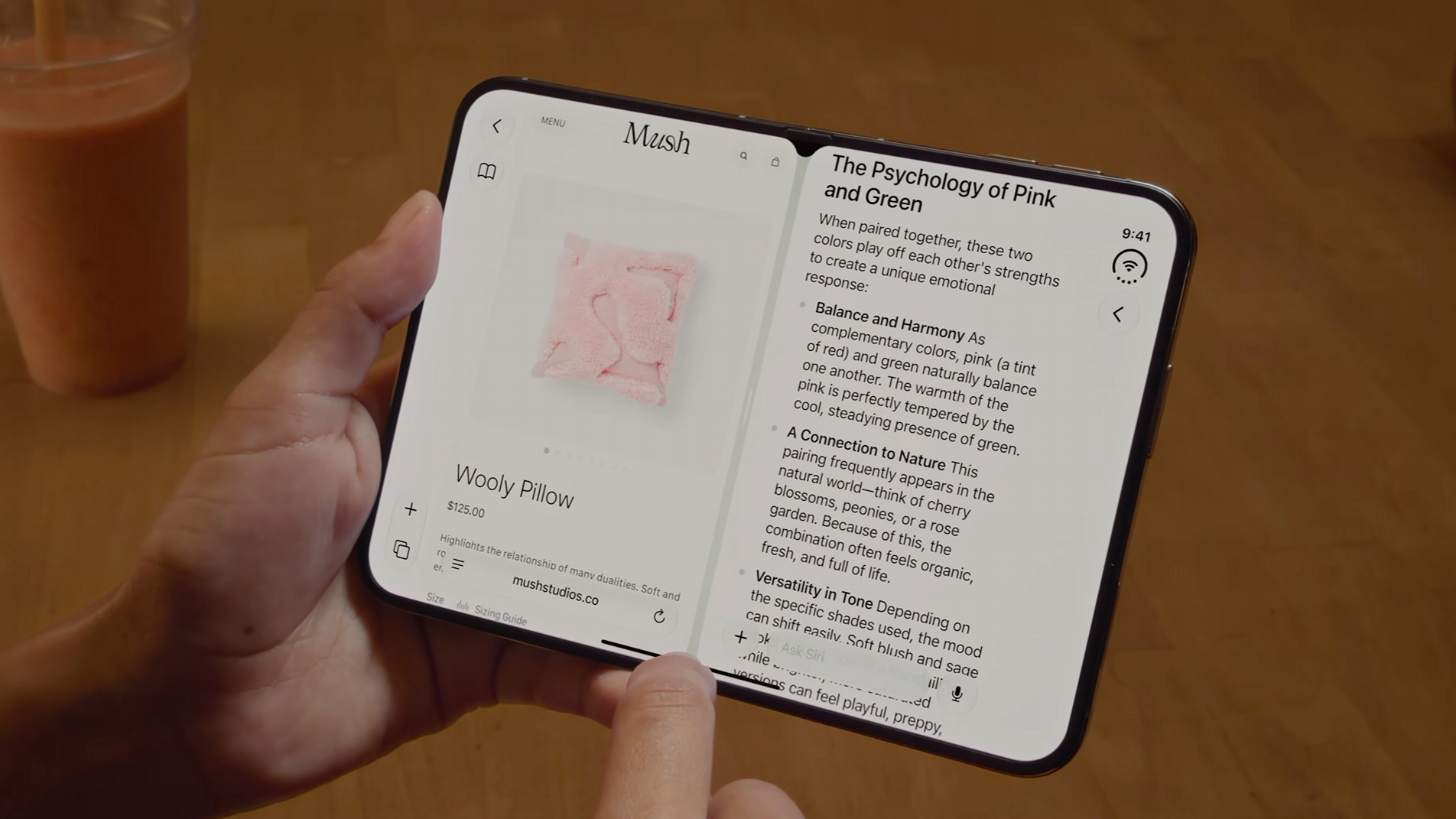
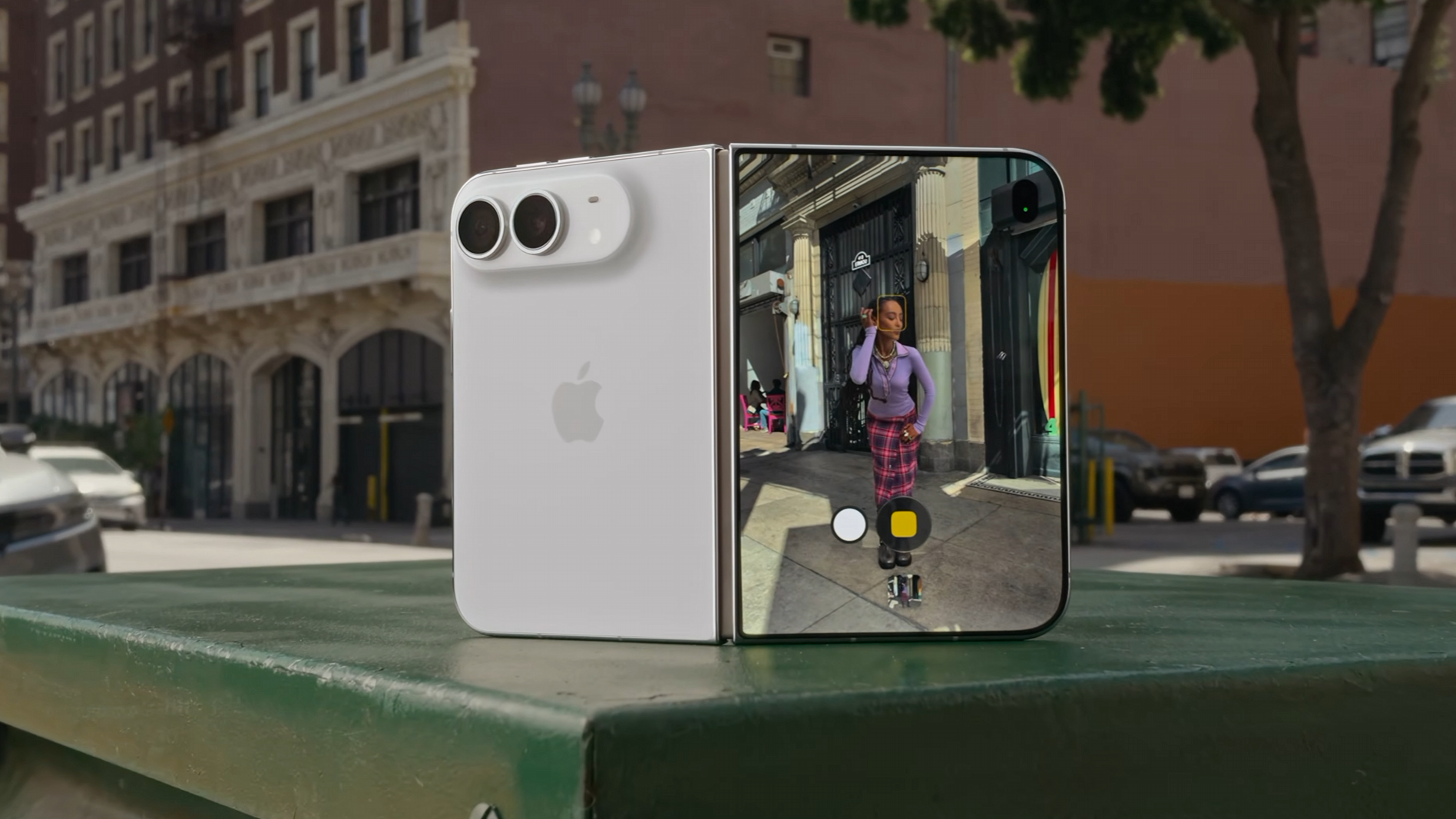
The most anticipated announcement was the official unveiling of the iPhone Duo, Apple’s first foldable device. The smartphone adopts a "passport" style design, featuring a 7.6-inch primary display that unfolds into a tablet-like interface. This move directly pits Apple against established foldables like the Samsung Galaxy Z Fold 8 and the Google Pixel 11 Pro Fold.
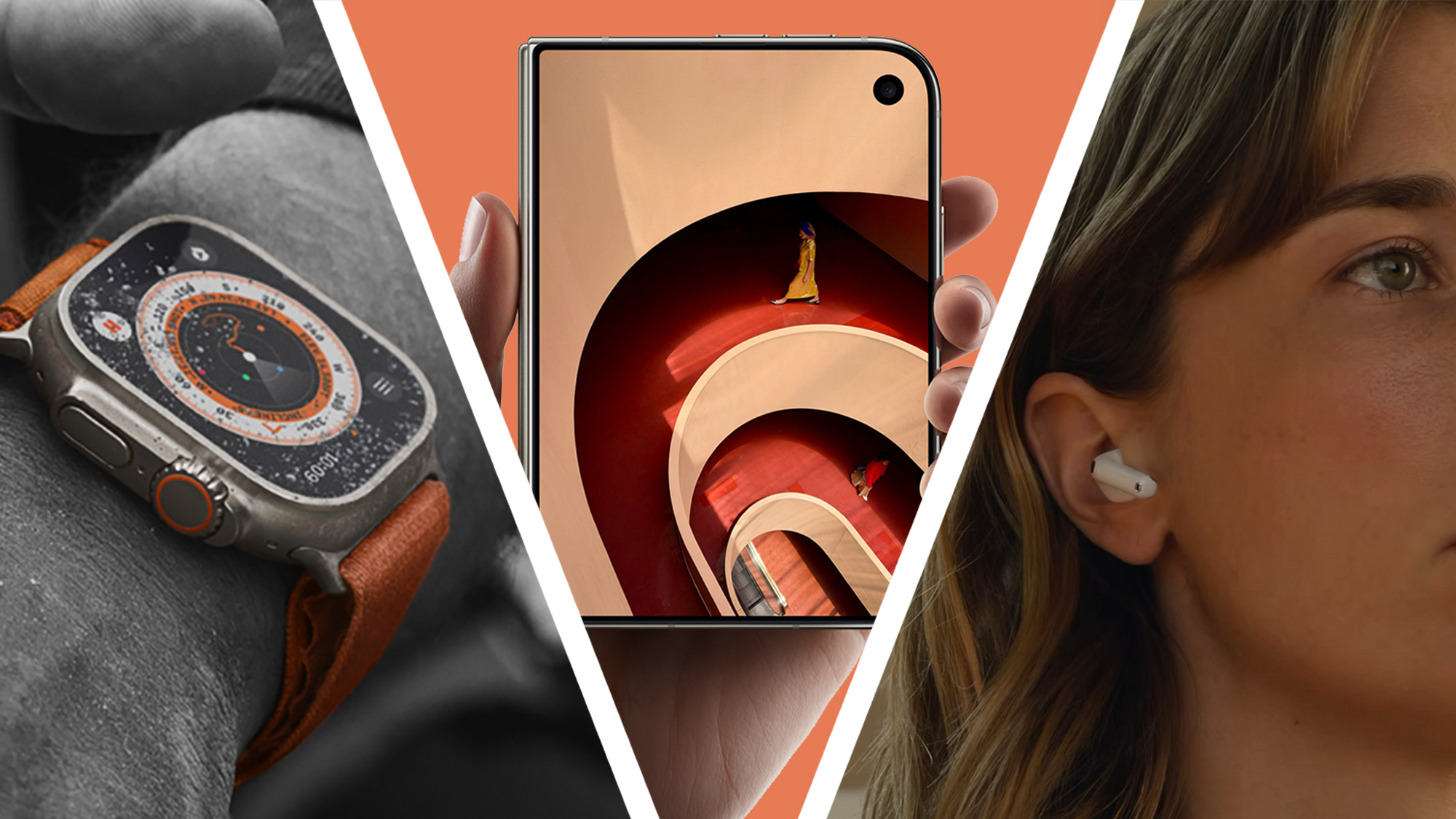
The iPhone Duo utilizes a 1:1.4 aspect ratio for both its 5.4-inch external screen and its internal display, ensuring visual continuity as users transition between folded and unfolded states. Market analysts suggest that by adopting this specific form factor, Apple is positioning the device as a productivity powerhouse. The integration of Apple Pencil support—a first for the iPhone line—further blurs the line between the smartphone and the iPad mini, targeting professional users who require mobile sketching and annotation capabilities.
Pre-orders for the iPhone Duo, available in "star white" and "night sky" finishes, commence on October 16, 2026, with a retail starting price of $1,999. While the entry-level 256GB model is priced at the premium end of the market, the hardware specifications, including the new A20 Pro chipset, reflect a focus on long-term performance and durability.
iOS 27 and the Evolution of Siri AI
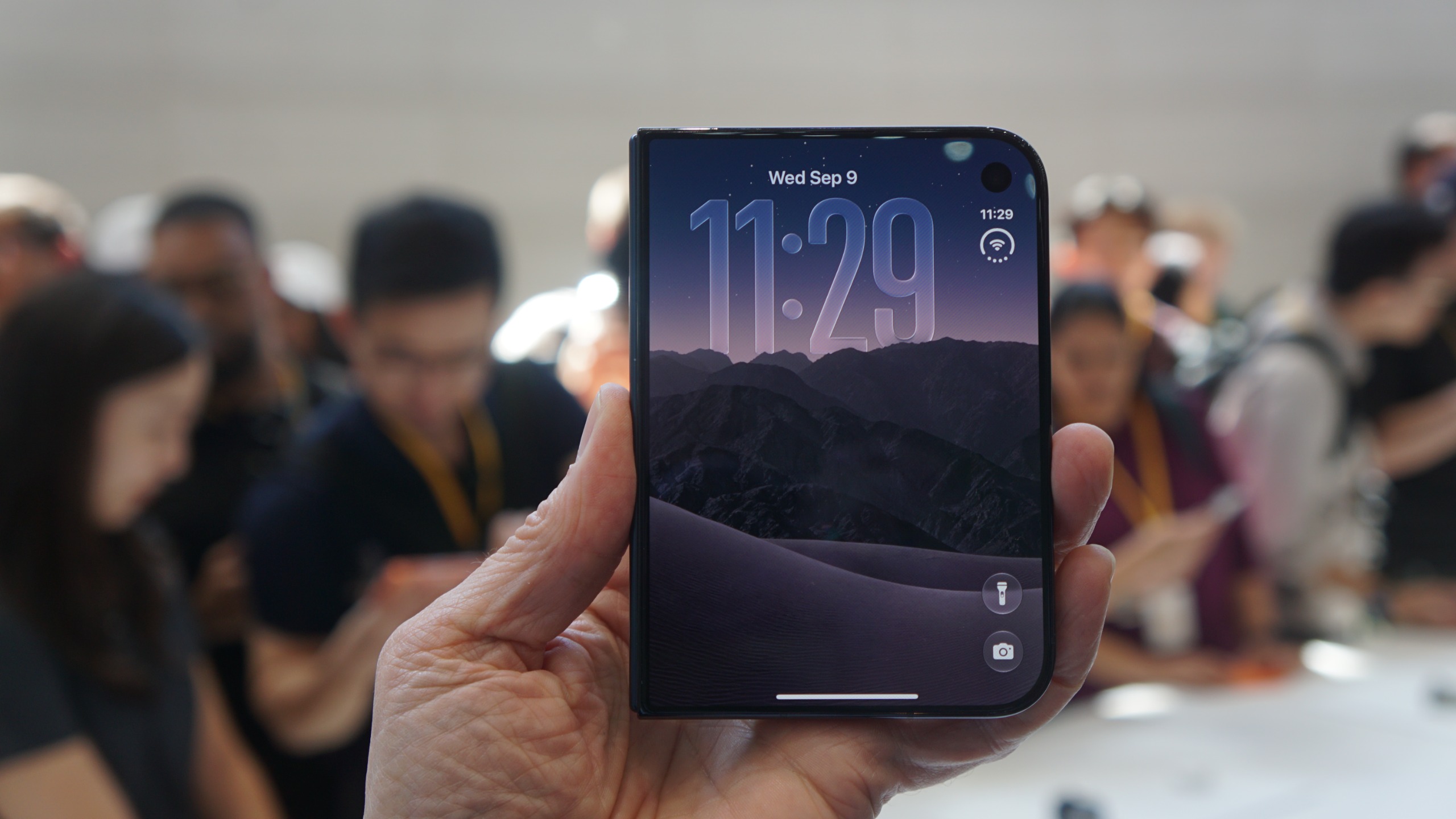
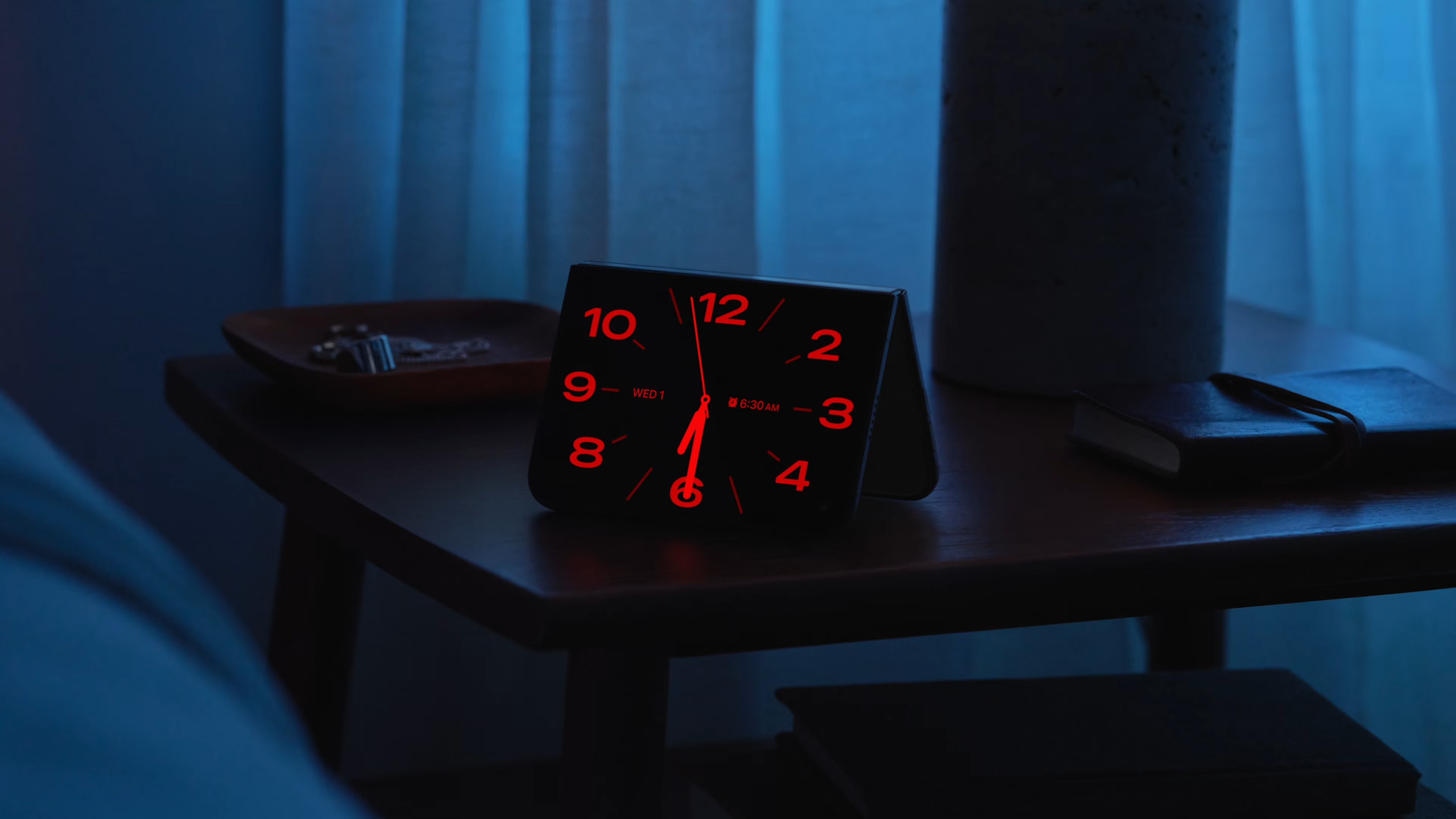
The software experience has been overhauled to support the unique hardware requirements of the iPhone Duo. iOS 27, which is scheduled for a public release on September 14, introduces adaptive interface elements that automatically shift navigation controls to accommodate thumb placement when the device is held in a closed position.
Beyond interface adjustments, the operating system is the vehicle for a massive overhaul of the Siri digital assistant. By integrating advanced large language models (LLMs) comparable to industry-leading services like ChatGPT and Gemini, Apple has enabled Siri to perform complex, multi-app workflows. This "Siri AI" update is designed to handle context-aware queries and provide more comprehensive, natural-language responses.
The inclusion of these AI features across the new iPhone lineup suggests that Apple is finally prioritizing its software-driven competitive edge. This shift is expected to bolster the company’s services revenue, as users become more reliant on the ecosystem’s intelligence to manage their daily schedules and communication.
Performance Benchmarks: The A20 Pro Chipset
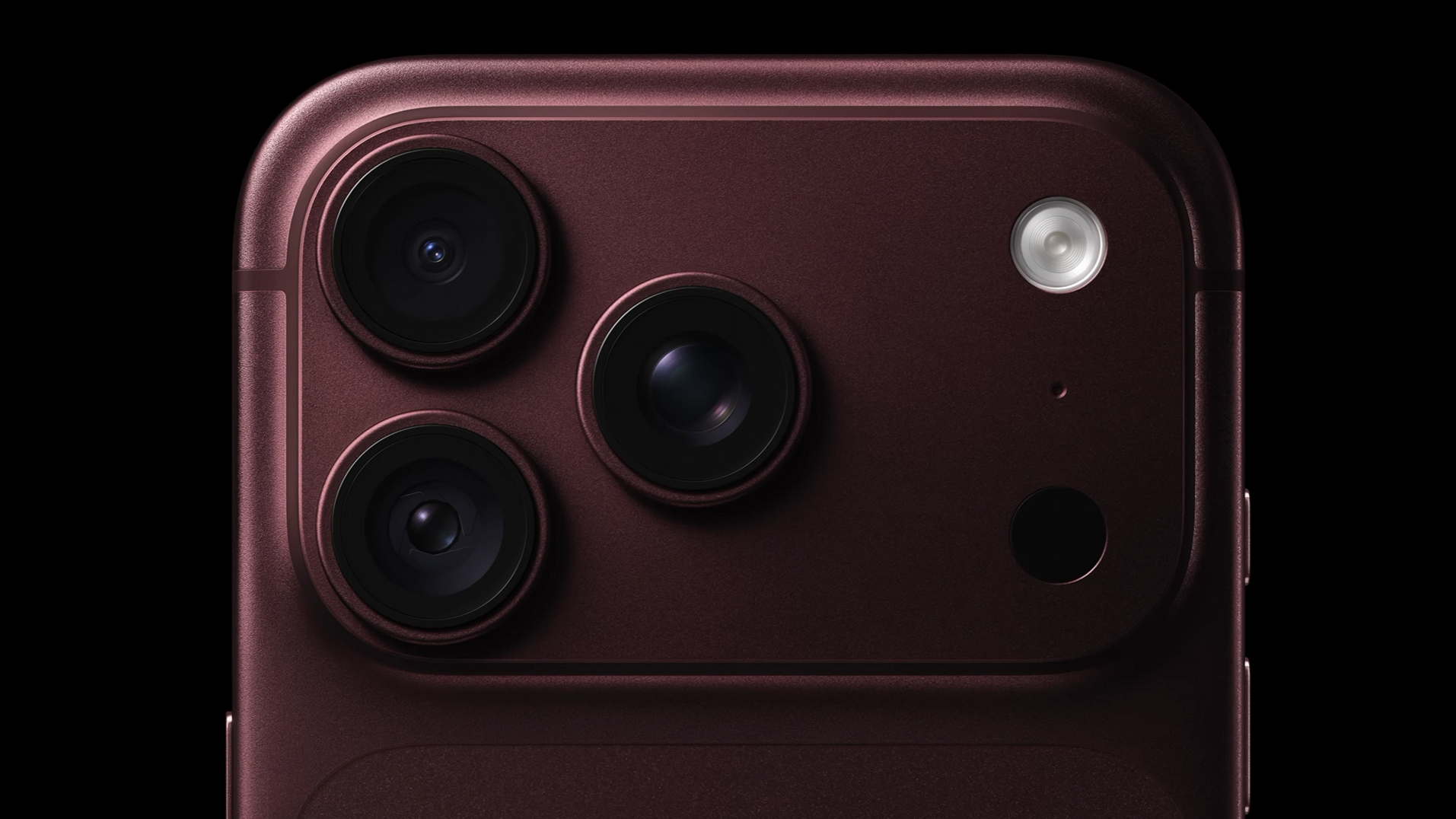
At the heart of the new iPhone 18 Pro and Pro Max lies the A20 Pro chip, a silicon advancement that promises to redefine mobile efficiency. The chip features a refined 6-core CPU and a 7-core GPU, supported by a dual 16-core Neural Engine architecture dedicated to local AI processing.
Preliminary thermal management tests indicate that the introduction of a new vapor chamber cooling system allows for sustained performance peaks. Apple reported a 40% performance gain compared to the iPhone 17 Pro, a statistic that underscores the company’s focus on high-end gaming and professional-grade video rendering.
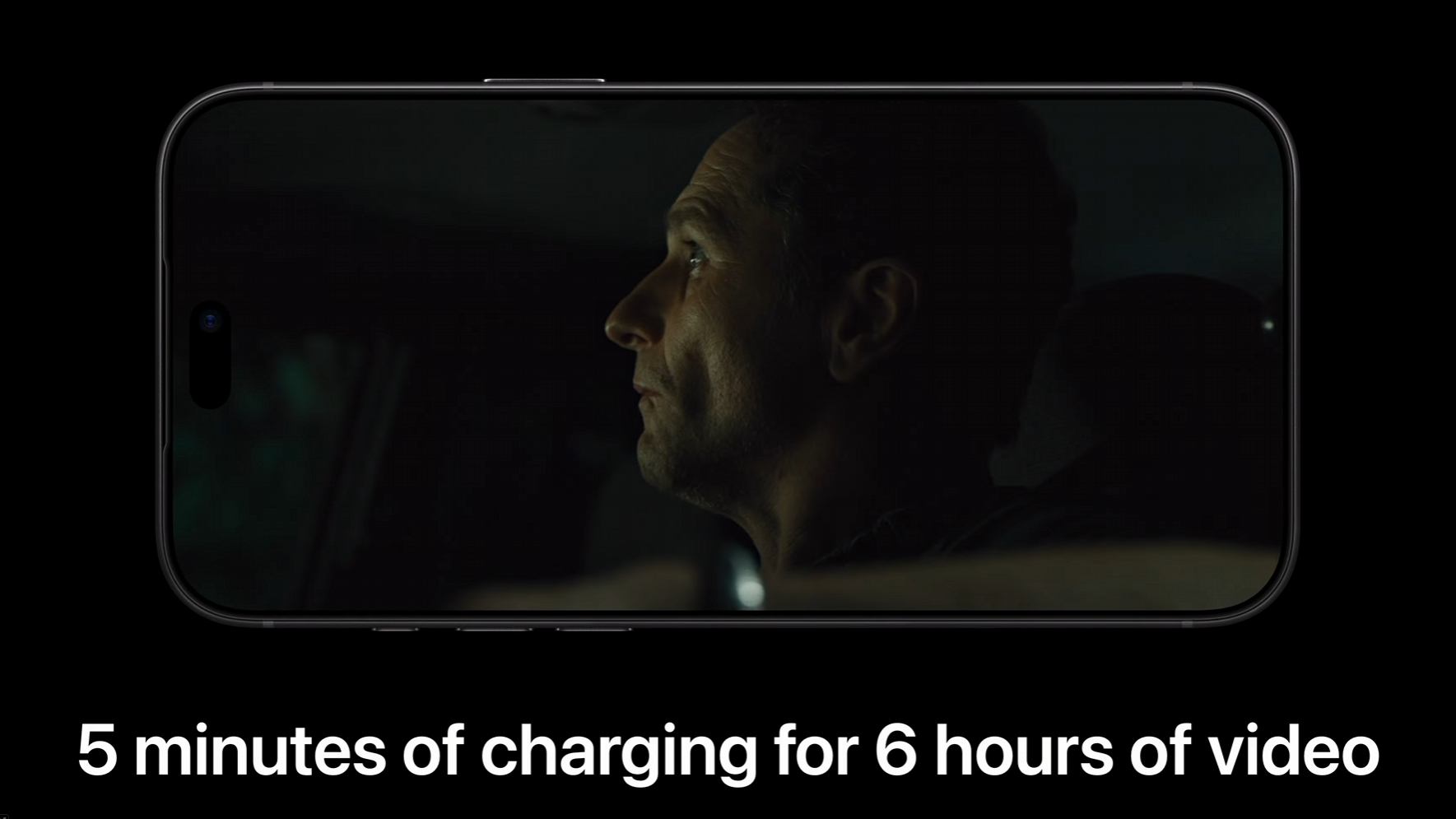
For the iPhone 18 Pro Max, the focus has shifted heavily toward power efficiency. The device features an industry-leading battery capacity, offering up to 45 hours of video playback on the eSIM-only model. This achievement is significant, as battery life has historically been a critical differentiator in the ultra-premium smartphone segment.
Innovations in Wearable Health Technology
The Apple Watch 12 and Apple Watch Ultra 4 were introduced with a heavy emphasis on "Health Sensing," a proprietary system designed to provide a more granular look at cardiovascular wellness. By utilizing higher-frequency heart rate measurements and advanced optical sensors, the new watches aim to deliver data precision that, according to Apple, exceeds current wearable standards.
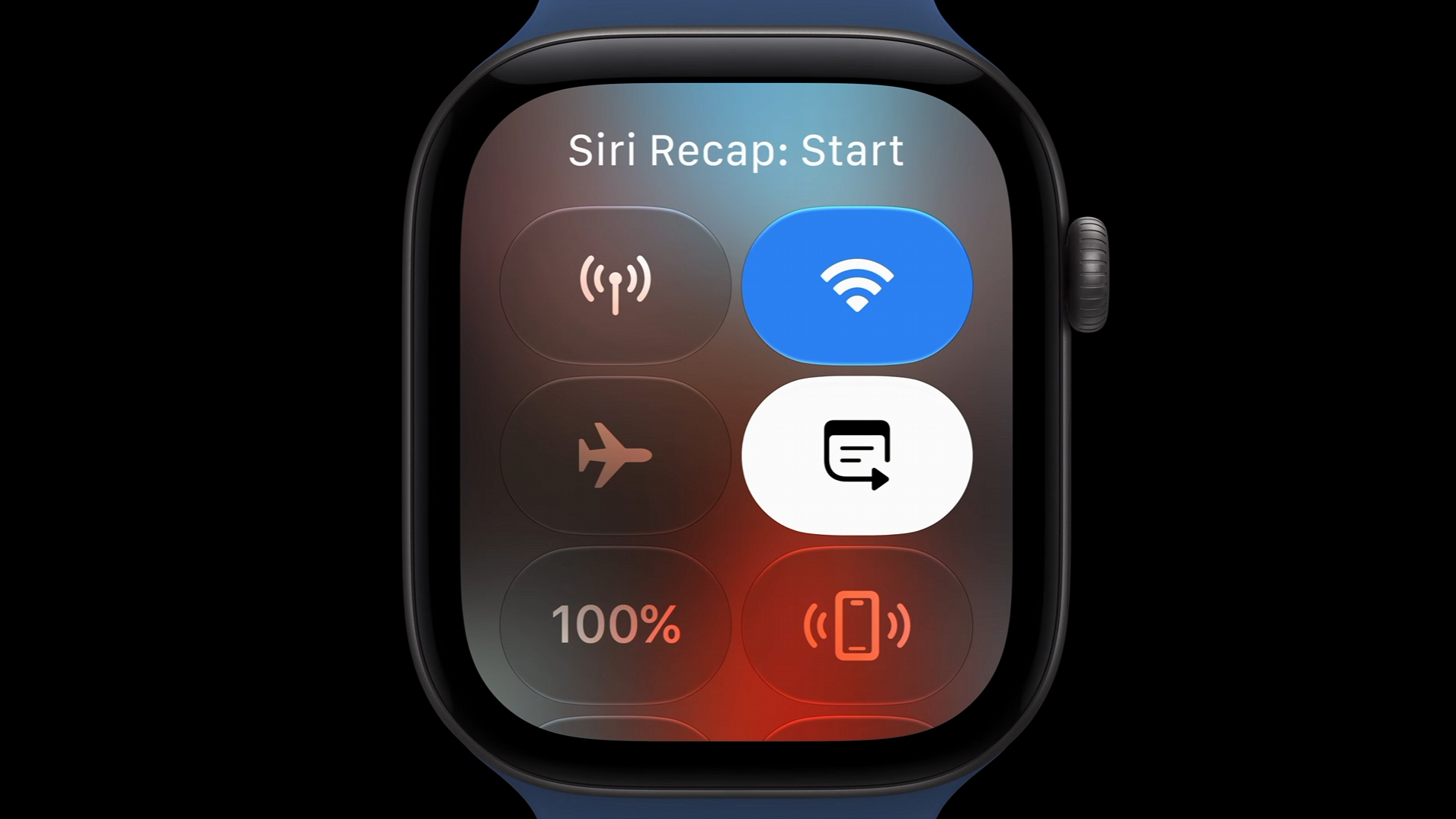
A notable, albeit controversial, feature is the "Siri Recap" function. This capability allows the watch to summarize conversations in real-time, providing users with a digest of key points discussed throughout the day. While this offers clear utility for professionals, it has sparked a debate regarding privacy. In response, Apple executives emphasized that the feature relies on on-device processing, ensuring that no audio data is transmitted to or stored on Apple’s servers.
Complementing these hardware upgrades is a redesigned Health app. The inclusion of a "Longevity" tab, which calculates a user’s "Health Age" based on cumulative fitness metrics, signals Apple’s desire to pivot its wearables from mere fitness trackers to comprehensive health-monitoring diagnostic tools.
Strategic Market Shifts: Why the Base iPhone 18 is Missing
Observers noted the absence of a standard "iPhone 18" at the event, a decision that departs from Apple’s traditional September launch cadence. Industry insiders suggest this is a strategic move to smooth out revenue spikes and reduce the immense pressure on the manufacturing cycle.
By pushing the launch of the base model iPhone 18, the iPhone Air 2, and the budget-friendly iPhone 18e to the spring of 2027, Apple is attempting to align its hardware releases with the release cycles of its competitors. This approach also allows the company to better manage its component inventory, particularly in light of the ongoing global memory chip shortages that have affected the broader consumer electronics industry.
Economic Implications and Pricing Strategy
Despite the inclusion of advanced hardware and costly new components, Apple has managed to avoid widespread price hikes. While the Pro and Pro Max models have seen a $100 increase, the cost of the new Apple Watch models remains consistent with their predecessors, and the AirPods 5 have actually launched at a lower price point than the previous generation.
This pricing strategy appears calculated to maintain brand loyalty during a period of economic caution. By keeping the entry-level devices accessible, Apple ensures that the barrier to entry for its ecosystem remains low, while the increased pricing on the high-end Pro models serves to preserve margins on its most profitable hardware.
Looking Ahead
The 2026 product cycle represents a critical juncture for Apple. The transition from the long-term stewardship of Tim Cook to the new era under John Ternus is being handled with a clear focus on technological convergence. The integration of foldable hardware, advanced AI, and sophisticated health diagnostics suggests that Apple is not merely reacting to market trends but is attempting to set a new standard for the next decade of personal computing.
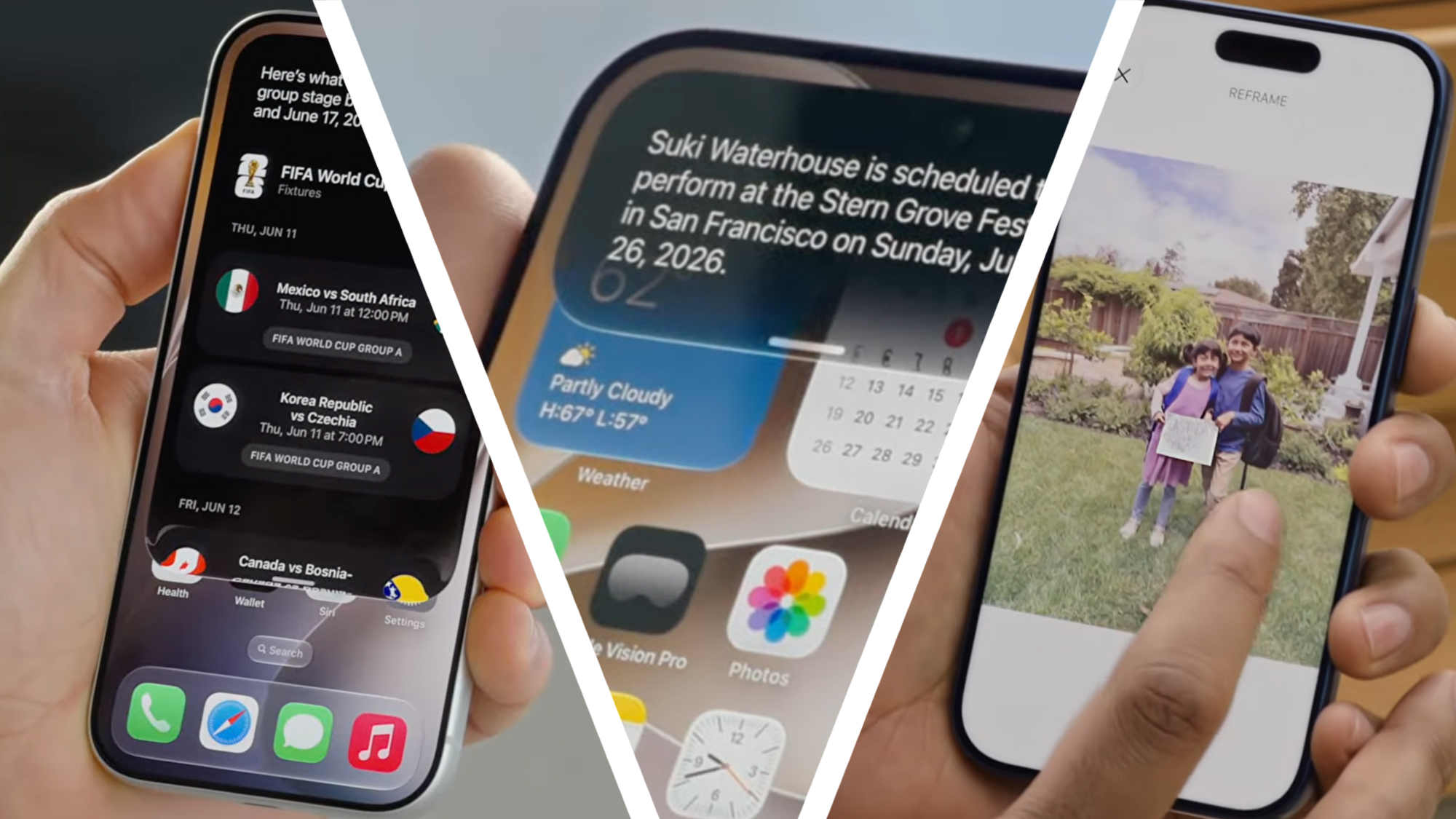
The delayed launch of the base-tier iPhone models and the notable absence of a new Apple TV 4K box suggest that the company is refining its roadmap to prioritize high-impact products. As iOS 27 prepares to reach millions of users in mid-September, the success of these new devices will hinge on whether consumers find the AI-driven enhancements and the new foldable form factor compelling enough to warrant the premium cost. For now, the "Surprise and Shine" event has successfully set the stage for a period of rapid iteration and expansion for the Cupertino giant.