Halloween Costume Trends 2024: A Cultural Analysis of Creative Expression and Economic Impact

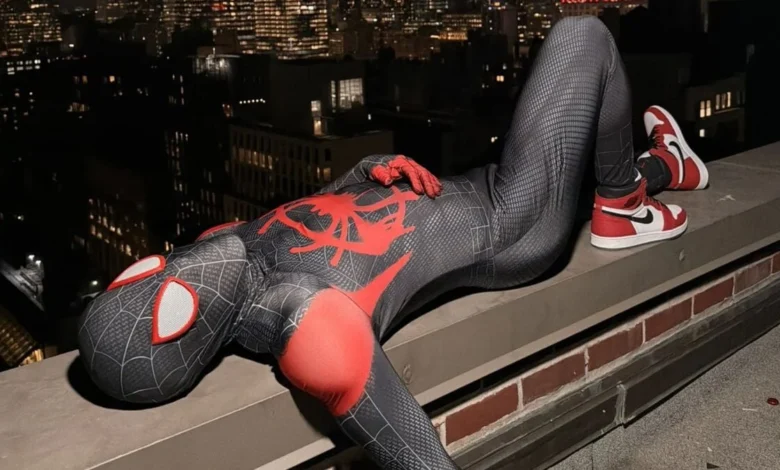
The annual observance of Halloween has transcended its origins as a niche cultural holiday to become a significant barometer of societal trends, pop culture literacy, and consumer behavior. While the tradition of trick-or-treating remains a staple for younger demographics, the contemporary Halloween landscape has shifted toward a sophisticated display of adult creativity, elaborate social media participation, and a multi-billion-dollar commercial industry. As millions across the globe don costumes ranging from nostalgic tributes to complex cinematic homages, the event serves as a unique intersection of entertainment, fashion, and psychological self-expression.
Historical Context and Evolution of the Holiday
Halloween, or All Hallows’ Eve, traces its roots to the ancient Celtic festival of Samhain, a time marking the end of the harvest and the beginning of the winter season. Historical records indicate that participants would light bonfires and wear costumes to ward off ghosts. Over centuries, the holiday underwent significant transformation, influenced by religious observances and eventually migrating to the United States, where it evolved into a secular celebration centered on community, confectionary, and decorative artistry.
In the modern era, the evolution of digital platforms has fundamentally altered how individuals curate their Halloween identities. Social media serves as the primary stage for this transformation, with platforms like X (formerly Twitter), Instagram, and TikTok providing a global audience for costume creators. This shift has transitioned Halloween from a localized neighborhood activity to a competitive, high-stakes display of personal branding and cultural commentary.
The Economic Footprint of Halloween
The commercial significance of Halloween cannot be overstated. According to the National Retail Federation (NRF), total spending for Halloween in the United States reached record-breaking levels in recent years. Data suggests that consumers spend billions annually on costumes, decorations, and candy, reflecting a robust seasonal economy that impacts industries ranging from manufacturing to digital marketing.
For the 2024 season, consumer sentiment analysis indicates that individuals are prioritizing high-quality, recognizable, and "viral-ready" costumes. Retailers have adapted by stocking items that capitalize on trending television series, internet memes, and nostalgic reboots. This economic cycle is cyclical, beginning as early as late August, as brands compete to capture the attention of a demographic that views Halloween as an opportunity to showcase identity and community affiliation.
Analyzing Contemporary Costume Trends
This year’s costume landscape is characterized by a blend of "throwback" nostalgia and high-effort conceptual execution. Observers note a marked shift away from generic, store-bought mass-produced masks toward DIY-heavy, detail-oriented attire. This trend is driven by a desire for authenticity and the social rewards—often quantified in "likes" and "shares"—associated with unique costume designs.
The Nostalgia Factor
A recurring theme in this year’s social media landscape is the revival of early 2000s and 2010s children’s programming. Costume designers are increasingly drawing from cartoons and animated series that defined the youth of current young adults. By leveraging recognizable character archetypes from these shows, participants tap into a shared cultural memory, creating a sense of camaraderie that bridges the gap between disparate online communities.
Pop Culture and Cinematic Homages
Costumes based on high-profile cinematic figures remain the gold standard for public visibility. Whether it is an homage to iconic actors like Willem Dafoe or a detailed recreation of a character from a cult classic, these costumes rely on the audience’s ability to recognize and appreciate the technical execution. The popularity of "niche" references—such as the Silver Surfer or specific characters from reality television franchises like Total Drama Island—indicates a shift toward "insider" culture, where the value of a costume is tied to the specificity of the reference.
The Rise of Influencer Culture
The presence of digital creators and streamers in the costume arena has elevated the quality of the average entry. Streamers are no longer just participating; they are setting the bar for production value. By utilizing professional makeup, high-end fabrication, and cinematic staging, these individuals transform Halloween into a content-creation opportunity. This professionalization of the holiday has created a "trickle-down" effect, where everyday participants are inspired to invest more time and resources into their own presentations.
The Psychological Significance of the "Dress-Up" Phenomenon
Psychologists suggest that the act of dressing up for Halloween provides a rare opportunity for identity exploration. In a world where personal and professional identities are often rigidly defined, the freedom to adopt a temporary persona allows for a form of play that is vital for mental health. By stepping into the shoes of a beloved character or a fantastical creature, individuals can temporarily shed the pressures of daily life.
Furthermore, the collective nature of the holiday fosters a sense of belonging. Whether it is through a shared costume theme at a corporate party or a collaborative group effort among friends, the act of participating in the Halloween tradition reinforces social bonds. The "magic" of the holiday, as often cited by enthusiasts, is rooted in this shared suspension of reality.
Official Responses and Industry Outlook
Industry experts observe that the "professionalization" of Halloween is likely to continue as long as digital platforms continue to reward visual creativity. Retailers and event planners have noted that the demand for customization kits and high-quality accessories is at an all-time high.
"We are seeing a move toward the ‘experience economy’ in Halloween," says a market analyst familiar with seasonal retail trends. "It’s no longer enough to just buy a costume. People want to inhabit a character, document that experience, and engage with a wider community that understands the cultural nuances of their specific choice."
Implications for Future Celebrations
As Halloween continues to integrate with digital culture, the implications for future celebrations are clear. We can expect to see an increase in:
- Digital Integration: Future costumes may incorporate wearable technology, such as integrated LEDs or AR-ready materials that interact with smartphone cameras.
- Sustainability: As awareness of environmental impact grows, there is a burgeoning market for "upcycled" costumes, where participants repurpose existing clothing rather than purchasing new, single-use materials.
- Hyper-Specificity: As online subcultures continue to fragment, the references used in costumes will become increasingly niche, requiring a deeper level of pop culture knowledge to decipher.
Conclusion
Halloween in 2024 stands as a testament to the human desire for creative expression and communal joy. From the meticulous recreation of classic television characters to the avant-garde interpretations of cinematic icons, the costumes seen this year demonstrate a high level of dedication and cultural literacy. While the methods of sharing these experiences have moved from the neighborhood street to the digital screen, the core intent remains the same: to step outside of the ordinary and participate in a collective, imaginative narrative. As the season concludes, the focus shifts toward what the next year will bring—a cycle of creativity that ensures the holiday remains a central pillar of contemporary cultural life. Whether one is a casual participant or a dedicated costume enthusiast, the event serves as an essential reminder that there is always space for art, play, and the celebration of the extraordinary in everyday life.