Google Surprises Users by Dropping Android 17 QPR2 Early Alongside the November Pixel Feature Drop

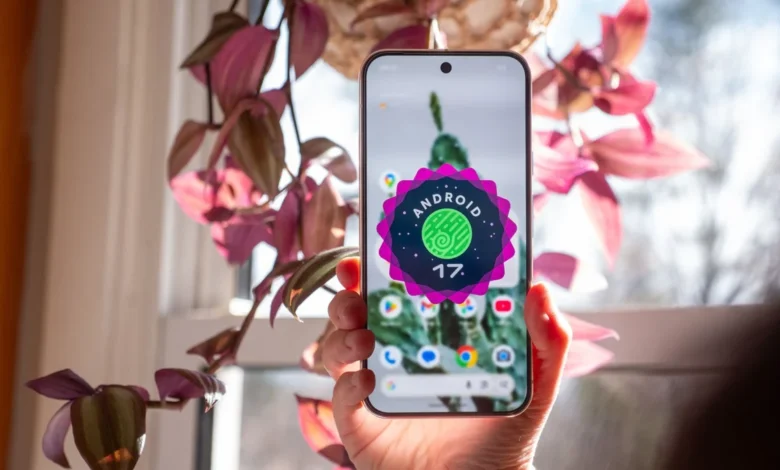
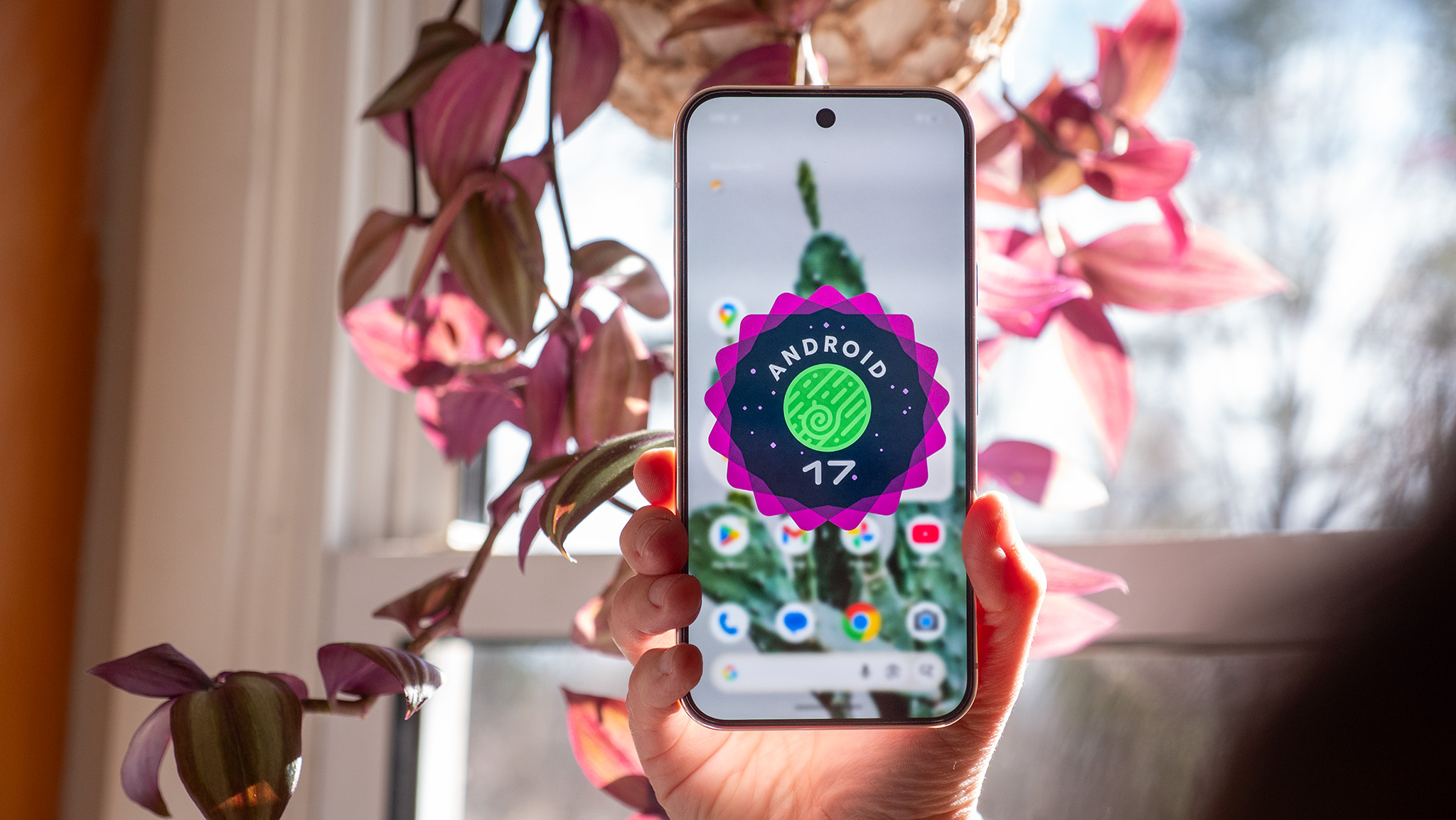
Google has once again disrupted its traditional software release schedule by deploying Android 17 Quarterly Platform Release 2 (QPR2) a full month ahead of industry expectations. Arriving in tandem with the broader November 2026 Google Pixel Drop, the stable over-the-air (OTA) update is currently rolling out to a wide array of supported Pixel hardware, ranging from the budget-conscious Pixel 6a to the company’s most recent flagship iterations.
The unexpected debut follows a rigorous and lengthy beta testing phase, spearheaded by Google’s technical communications team, including Mishaal Rahman, who detailed the initial rollout on developer platforms and community forums. While many of the most visible interface enhancements and deep system-level adjustments are debuting exclusively on Google’s first-party Pixel ecosystem, the underlying source code changes are expected to filter down to other prominent Android manufacturers in subsequent OEM-specific software skins. Beyond the routine security patches and bug exterminations typically associated with mid-cycle updates, QPR2 introduces substantial upgrades to user interface customization, notification management, Auracast audio broadcasting, and advanced security protocols.
Chronology and Background of the Android 17 QPR Cycle
The journey toward Android 17 QPR2 has followed an accelerated development track compared to previous generational software updates. Google initiated the Android 17 development lifecycle earlier than its historical benchmarks, aiming to tighten integration between its core mobile operating system and its rapidly expanding suite of on-device artificial intelligence tools, collectively anchored by the Gemini ecosystem.
Following the initial stable release of Android 17 earlier in the year, the software engineering division immediately pivoted to the Quarterly Platform Release (QPR) framework. Throughout the late summer and early autumn, Google pushed through six successive beta iterations of QPR2. The final stages of the beta pipeline—particularly Beta 6, which rolled out shortly before this stable release—focused heavily on mitigating unexpected system reboots, resolving underlying kernel crashes, and stabilizing memory management for folding devices.
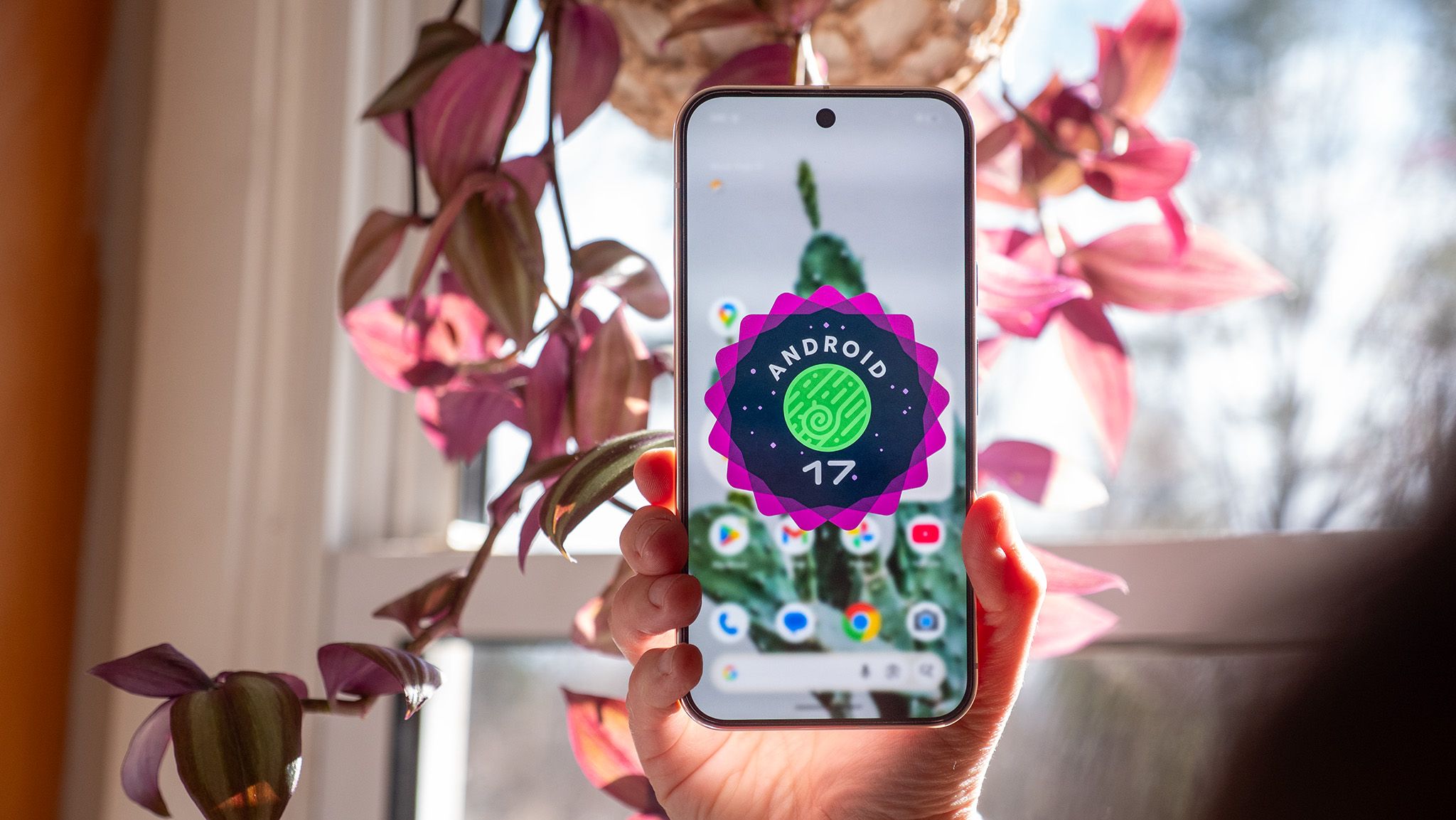
By pulling the final stable release forward by a month, Google has deviated from its established December holiday release window. Industry analysts suggest this move allows the corporation to stabilize software environments ahead of the year-end shopping season, ensuring that consumers unboxing new Pixel devices receive a mature, feature-complete platform right out of the box.
Granular Interface Customization: Colors, Wallpapers, and Brightness
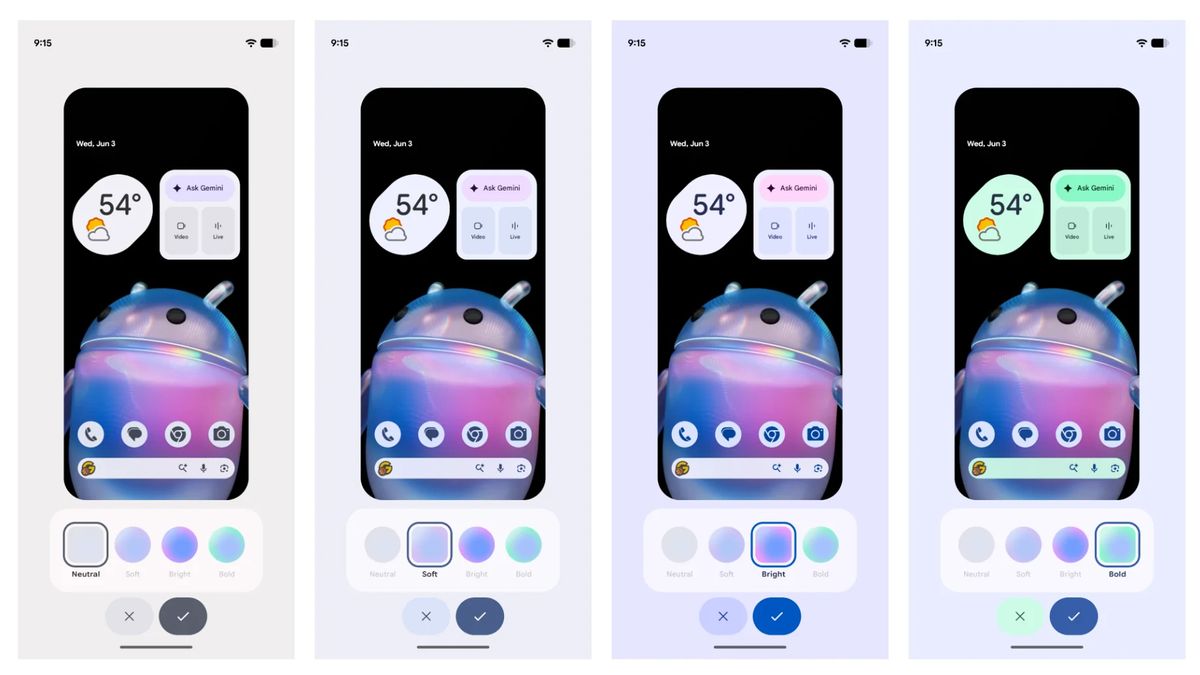
One of the most immediate and visually striking additions within Android 17 QPR2 is the overhaul of the system-wide color customization architecture. Historically, Google’s Material You design language constrained users to predefined color palettes extracted automatically from their active wallpaper. While dynamic theming remains a core pillar of the experience, QPR2 introduces a robust manual customization suite. Users are no longer restricted to automated guesses; instead, they can access a comprehensive rainbow hue slider to select precise system accents.
Compounding this newfound freedom are four distinct intensity presets: Neutral, Soft, Bright, and Bold. These adjustments ripple directly through the user interface, dynamically altering the aesthetic of matching Gemini widgets, contextual weather displays, and third-party application interfaces that support dynamic color APIs.
Furthermore, Google is expanding its aesthetic toolkit to include adaptive light and dark wallpaper support. Compatible wallpaper collections can now seamlessly transition between distinct light and dark variants based on the system-wide theme schedule, eliminating the jarring contrast that often occurs when a dark mode interface is paired with a blindingly bright background image.
Beyond visual styling, QPR2 addresses a persistent user grievance regarding screen brightness overrides. In previous builds, certain third-party applications possessed the capability to lock system brightness at maximum levels, effectively disabling manual adjustments through the Quick Settings panel. QPR2 explicitly strips applications of this unilateral control, restoring user sovereignty by allowing manual brightness reduction regardless of foreground application demands.
Granular Notification Control and Status Bar Management
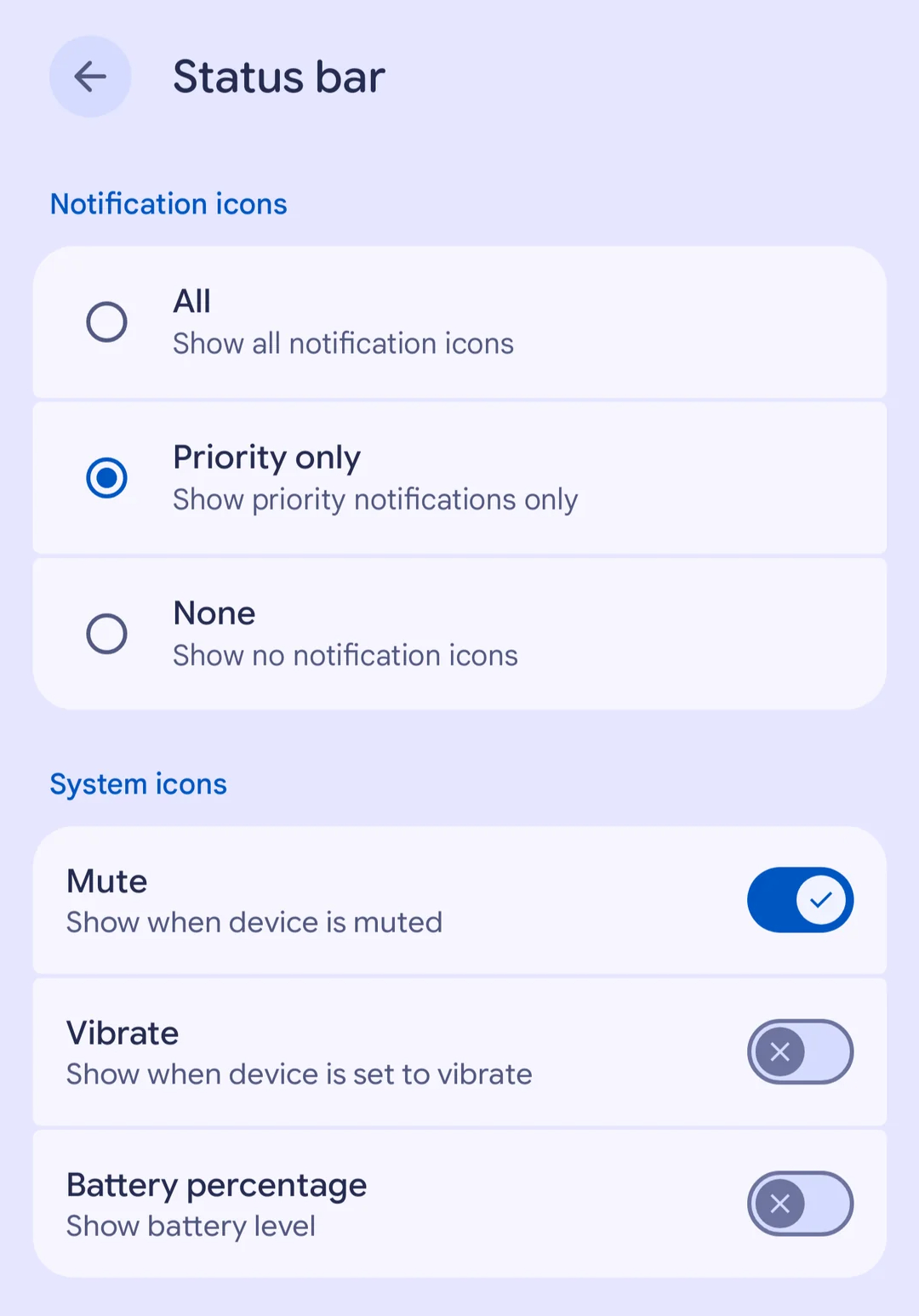
The status bar has long been a battleground for screen real estate, particularly as modern smartphones incorporate punch-hole cameras, pill-shaped cutouts, and complex sensor arrays. Android 17 QPR2 introduces a dedicated status bar settings page designed to mitigate notification clutter.
Users can now configure their status bar icons to display all active notifications, restrict visibility strictly to priority notifications, or suppress notification icons altogether. In addition to notification management, the update empowers users to toggle off individual system indicators that traditionally occupy permanent positions at the top of the display, including battery percentage readouts, mute states, and vibration alerts.
Auracast Voice Broadcasts and Foldable Multitasking Enhancements
Connectivity and audio sharing receive a generational leap forward with the integration of enhanced Bluetooth LE Audio capabilities, specifically through the introduction of native Voice Broadcast functionality. This feature transforms an Android 17 device into a local audio transmitter. Users can broadcast their voice in real-time using either the phone’s internal microphone or a connected wired headset. Nearby listeners equipped with compatible Auracast-enabled headphones, hearing aids, or secondary Android devices can tune into the broadcast stream instantaneously. To ensure privacy in public spaces, Google has baked in robust password-protection protocols, allowing hosts to lock down private channels.
Discovery of Auracast streams has also been streamlined through the incorporation of QR code scanning, NFC tap-to-join mechanics, and a dedicated Quick Settings toggle. Moreover, broadcasts can now integrate natively with Live Caption and live translation engines, providing automated transcriptions for listeners.
For owners of foldable devices, QPR2 introduces refined multitasking ergonomics. A new interactive handle positioned at the top of active app windows simplifies the transition between full-screen layouts, multi-window split-screen arrangements, and floating application bubbles, addressing usability concerns unique to flexible-screen form factors.
Security Hardening and Linux Terminal Integration
Security remains a foundational pillar of Android 17 QPR2, with Google implementing several vital defensive measures against social engineering and malware. When sideloading applications from external sources, the installation dialog now offers clearer distinctions between temporary and permanent permission grants, forcing users to consciously evaluate the long-term access they afford to unverified software.
The operating system now enforces strict behavioral blocks during active phone calls originating from unknown contacts. Actions deemed high-risk—such as enabling Developer Options or executing sensitive Unstructured Supplementary Service Data (USSD) call-forwarding codes—are automatically restricted until the call is terminated and the user explicitly authenticates their identity. Additionally, a new Private Compute Core logging framework grants transparency-conscious users visibility into precisely what localized data is shared with on-device artificial intelligence algorithms.
For power users and developers, the built-in Linux Terminal app receives significant functional expansion. QPR2 introduces seamless guest-to-host file sharing. Android’s native file manager can now directly access, browse, edit, and relocate files contained within the Linux virtual machine, bridging the gap between mobile workflows and desktop-class execution environments.
Broader Industry Implications and Outlook
The early deployment of Android 17 QPR2 underscores Google’s aggressive strategy to refine its software ecosystem faster than traditional development cycles allow. By addressing granular user complaints—such as brightness overrides, status bar clutter, and rigid color themes—Google is responding directly to feedback harvested from power users and developer communities.
While Pixel owners enjoy immediate access to these enhancements via standard over-the-air distribution, the broader Android landscape faces a staggered transition. Users operating devices from manufacturers such as Samsung, Motorola, and OnePlus must await vendor-specific software adaptation. However, as the source code matures within the Android Open Source Project (AOSP), the core improvements in security, Bluetooth LE Audio, and UI customization are destined to shape the standard user experience across the entire mobile ecosystem in the coming months.
Related posts: