Google is introducing a persistent system status bar to Wear OS in a significant UI shift for future platform releases

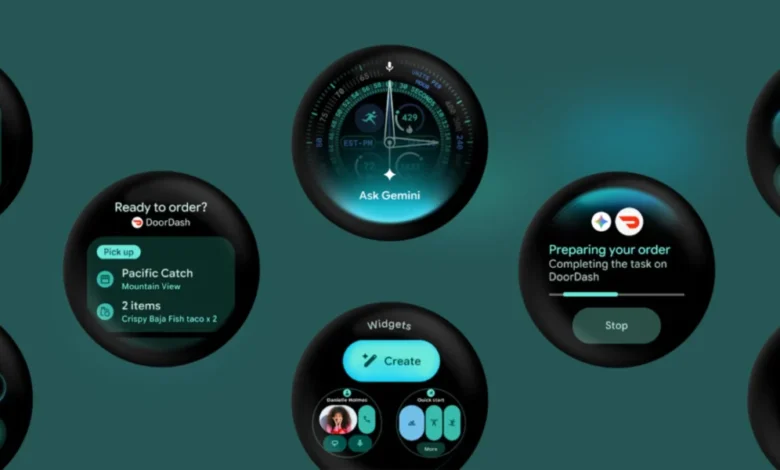
Google has officially signaled a major departure in the user interface design of its wearable platform, announcing that a future iteration of Wear OS will incorporate a persistent system status bar. This design evolution, which brings the smartwatch experience closer to the familiar paradigms of Android on mobile and tablet devices, was revealed through a canary emulator published in Android Studio on October 26. The move represents a strategic pivot toward standardized information delivery, ensuring that users can access vital system data without needing to exit or navigate away from active applications.
The Anatomy of the New Status Bar
According to technical documentation released alongside the canary emulator, the upcoming feature is defined as a "persistent system status bar" that occupies the top section of the circular display. Unlike current Wear OS implementations, which often rely on transient indicators or app-specific design choices, this new status bar is designed to be a universal component. It will house the current time and essential system status indicators—such as battery levels, connectivity strength, and notification alerts—using standardized typography and backplate styling.
Crucially, Google has built in a degree of flexibility for developers. While the status bar is intended to be a persistent fixture, applications that require a full-screen, immersive experience—such as media controllers, fitness tracking interfaces, or mapping applications—will have the ability to hide the status bar when necessary. This balance aims to satisfy the dual requirements of constant system awareness and the visual freedom required for interactive app design.
Technical Context and Developer Preview
The feature made its debut in a canary emulator identified as Wear OS 7.1, operating on API level 37.2-beta1. This version is built upon Android 17, internally codenamed "CinnamonBun," under build ID CP41.260831.001.E8. By releasing this to developers via Android Studio, Google is providing an early sandbox for the ecosystem to adapt their layouts to accommodate the intrusion of the status bar into the top of the screen.

It is important to note the distinction between this experimental release and the immediate future of the platform. Google has been explicit that the status bar is included strictly within this specific canary emulator for the purpose of gathering developer feedback. The company confirmed that the feature will not be present in the upcoming stable release of Wear OS 7.1, indicating that this is a long-term architectural change slated for a subsequent "platform release." This staggered rollout reflects Google’s cautious approach to altering the fundamental navigation and display logic of an operating system that relies on tight constraints within a small, circular form factor. Currently, the emulator displays a placeholder star icon where the final system indicators will eventually reside, underscoring that the feature remains in the early stages of development.
Evolution of Wear OS: A Chronology
The introduction of a system status bar is the latest chapter in the platform’s ongoing transformation. Since its inception as Android Wear, the OS has undergone several radical shifts to accommodate changing hardware capabilities and consumer expectations.
- 2014: Google launches Android Wear, focusing on Google Now cards and simple voice-driven interactions.
- 2017: The platform is rebranded as Wear OS by Google, signaling a shift toward broader functionality and compatibility with iOS.
- 2021: The merger of Wear OS and Samsung’s Tizen platform marks a turning point, prioritizing performance, battery efficiency, and a unified developer experience.
- 2023-2024: Google refines the Material You design language across its ecosystem, bringing dynamic color and more cohesive iconography to wearable devices.
- 2026: The announcement of the persistent status bar represents the maturation of the platform, moving away from purely card-based navigation toward a more traditional "operating system" feel that users recognize from their smartphones.
Strategic Implications for the Wearable Market
The decision to implement a persistent status bar carries several implications for the broader smartwatch industry. Historically, smartwatch design has been constrained by the physical limitations of small screens. Developers have been encouraged to use minimal UI to avoid clutter, often hiding status information within pull-down menus or specific watch faces.
By standardizing the status bar, Google is effectively creating a "home base" for system information. This has several potential benefits:
- Uniformity: Users will have a consistent way to check the time and battery status regardless of which app is open, reducing cognitive load.
- Efficiency: It eliminates the need for redundant UI elements within third-party apps, as developers will no longer need to design their own clocks or battery indicators.
- Expectation Management: It aligns Wear OS more closely with the broader Android ecosystem, lowering the learning curve for new users migrating from phones to watches.
However, this change also presents challenges. The circular display of most smartwatches makes the top "arc" of the screen a premium, yet difficult, real estate for UI elements. Designing a status bar that remains legible and aesthetically pleasing without obscuring the content beneath it is a significant engineering challenge. Furthermore, the requirement for developers to account for this bar in their layouts means that older, unmaintained apps might experience visual glitches or clipping when the new OS version is eventually pushed to consumer devices.

Industry and Developer Reception
Initial reactions from the developer community have been focused on the technical implementation. In the Android developer forums, discussions have centered on how the "backplate" of the status bar will interact with various watch face designs and app backgrounds. The inclusion of a standardized backplate suggests that Google is prioritizing readability, likely to ensure that system text remains legible even when an app uses a busy or high-contrast background.
Market analysts suggest that this move is a sign of Google’s increasing confidence in the hardware capabilities of modern smartwatches. As processors become more efficient and screens become higher resolution, the platform can afford to dedicate a small portion of the display to persistent system metadata without significantly impacting battery life or user experience.
Looking Ahead
The path to the general release of the status bar remains in the hands of the feedback loop established by the October 26 canary release. By separating the feature from the stable Wear OS 7.1 release, Google is insulating the general public from potential UI friction while allowing the developer community to stress-test the implementation.
As the platform moves toward the next major version of Android—the "CinnamonBun" iteration—the inclusion of such a permanent UI element suggests that Google is preparing for a future where smartwatches are treated less like peripheral accessories and more like primary, full-featured computing devices. The success of this feature will likely be measured by how seamlessly it integrates into existing app experiences and whether it succeeds in its primary goal of reducing user effort.
For now, developers have been advised to begin auditing their applications to determine how the intrusion of a system-level bar at the top of the display will affect their UI hierarchies. Google’s commitment to providing tools for this transition, including the ability to hide the bar for specific activities, demonstrates a measured and professional approach to what is ultimately a high-stakes UI change for the wearable industry. As the ecosystem prepares for the next phase of Wear OS, the persistent status bar stands as a testament to the platform’s ongoing evolution toward stability, consistency, and a unified user experience across all form factors.