The Apple iPhone Duo represents a significant shift in mobile hardware, introducing a dual-screen foldable form factor that has challenged both developers and consumers to rethink the standard smartphone experience. Since its high-profile launch, the device has faced considerable scrutiny regarding software compatibility. While industry giants like Google, LinkedIn, and Duolingo have struggled to adapt their interfaces to the unique physical configuration of the Duo—often resulting in suboptimal display scaling—a growing ecosystem of developers has successfully leveraged the device’s hardware capabilities. After several weeks of rigorous testing, it is clear that while widespread adoption of foldable-first UI design is in its infancy, several free applications have already set a high benchmark for how software should interact with dual-screen hardware.
The Evolution of Foldable Software Architecture
The release of the iPhone Duo marks the culmination of years of rumors surrounding Apple’s entry into the foldable market. Following the release of competing devices such as the Samsung Galaxy Z Fold series and the Google Pixel Fold, Apple’s iteration arrived with the A20 Pro chipset and a bespoke version of iOS designed to bridge the gap between a standard smartphone and a tablet-like canvas.
The central challenge for developers has been the "hinge gap." Unlike a seamless flexible display, the Duo utilizes two distinct screens joined by a precision-engineered hinge. This architectural choice requires applications to handle multi-window layouts, cross-screen spanning, and varying aspect ratios. In early market reports, the lack of third-party optimization was cited as a primary friction point for early adopters. However, industry analysts note that the current period of "software growing pains" is a standard phase in the adoption of any new mobile form factor, historically observed during the transition from button-based phones to full-touchscreen displays.
PianoFold: Redefining Interactive Media
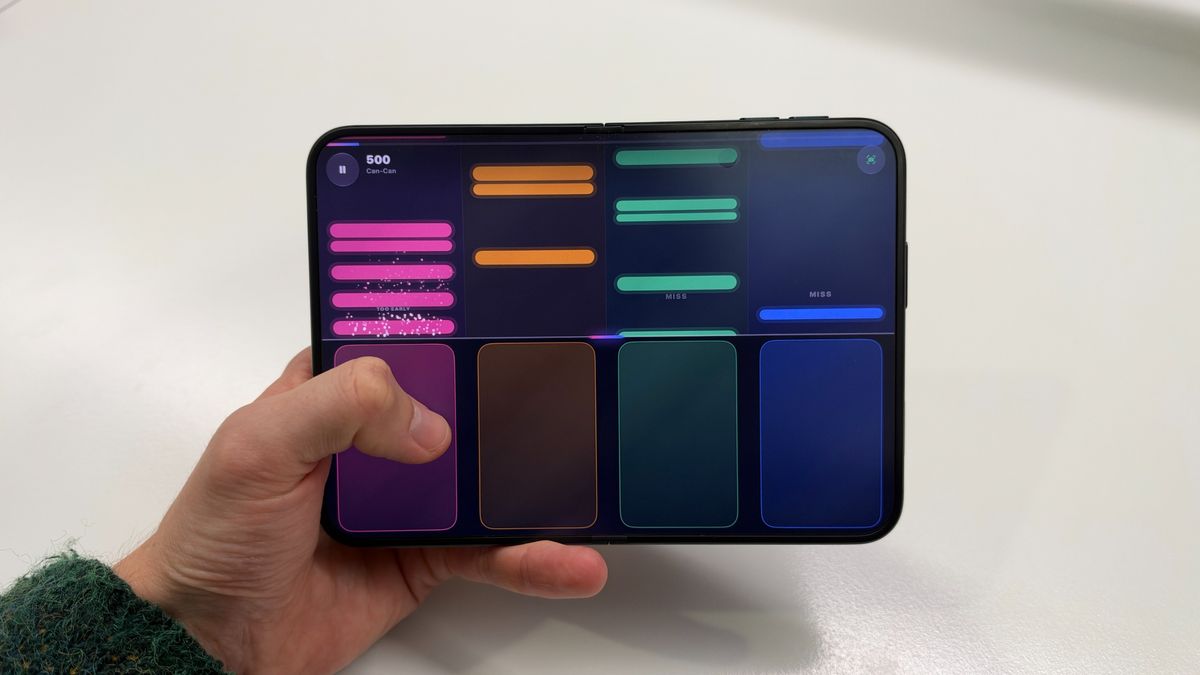
PianoFold has emerged as a standout title for the iPhone Duo, effectively utilizing the device’s physical design to create a tactile musical experience. The application functions as a rhythm-based game that translates musical notation into interactive tiles. What distinguishes this app is its intelligent response to the device’s hinge angle.
When the Duo is placed in a "laptop" configuration, the software renders the falling notes on the upper display, with the impact zone located just above the hinge on the lower screen. This mimics the sensation of playing a piano. Furthermore, the integration of the device’s camera for an augmented reality (AR) "Room View" allows users to project the game environment into their physical space. This level of optimization demonstrates that the Duo’s hardware is capable of sophisticated spatial computing tasks that extend beyond mere screen-splitting.
Battlefleet Duo: Bridging Tradition and Technology
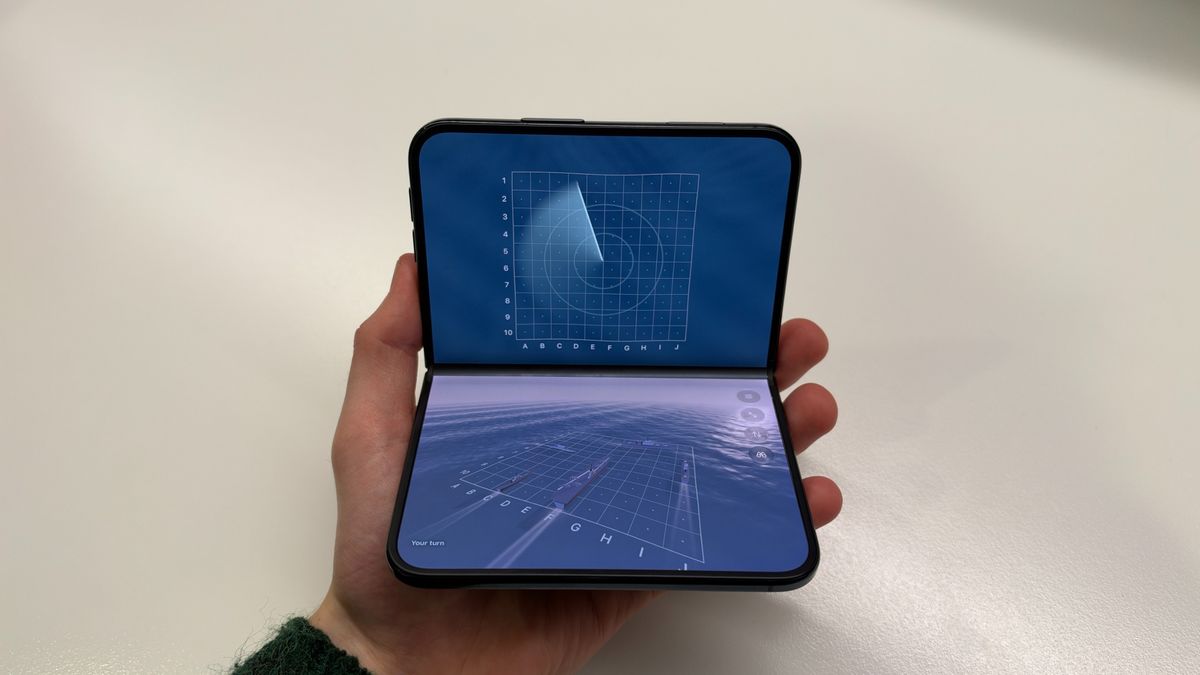
Strategy gaming has historically struggled on mobile devices due to the limitations of single-screen inputs. Battlefleet Duo addresses this by utilizing the two-screen layout to facilitate a "Tabletop Mode." By placing the device on a flat surface, the bottom screen functions as the player’s fleet command, while the top screen displays the tactical view.
The technical implications of this optimization are profound. By offloading UI elements to the bottom screen, the top screen is dedicated entirely to high-fidelity 3D assets, such as environmental weather effects and combat animations. This split-processing capability, powered by the A20 Pro’s neural engine, allows for a level of graphical complexity that would typically require a dedicated console. The inclusion of a "Classic Mode"—which strips away the 3D graphics in favor of a retro, analog-style board game aesthetic—provides a bridge for users who prefer simplicity over high-end rendering.
Art of Flora and the Educational Utility
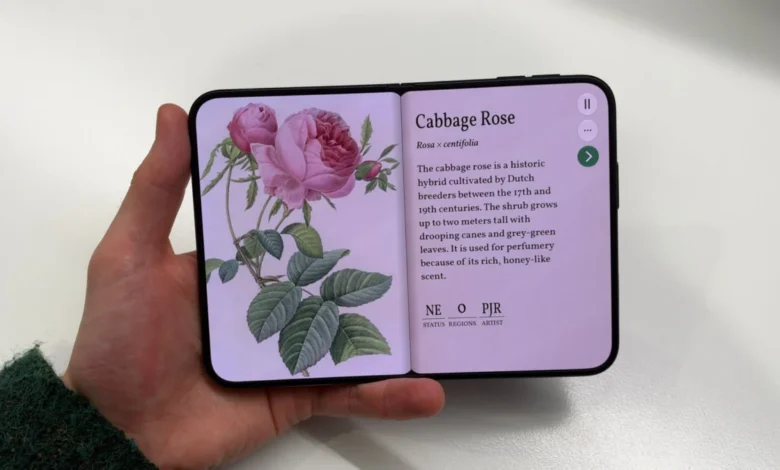
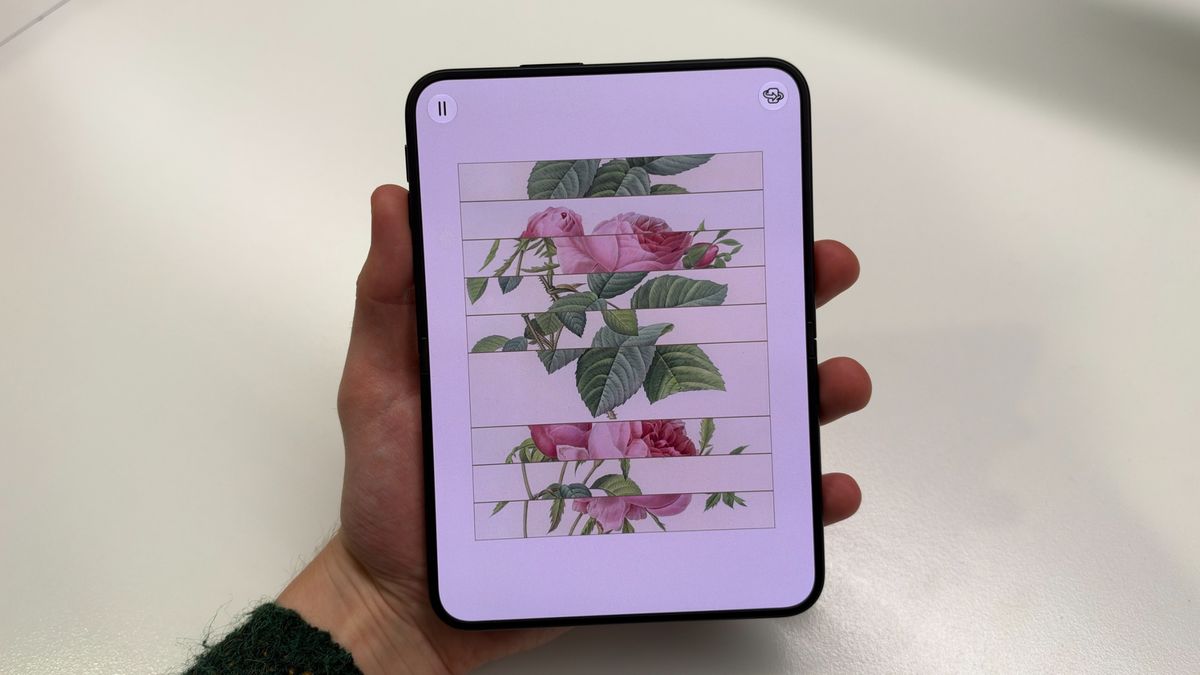
The educational sector has found a unique niche for the Duo’s hardware in the form of Art of Flora. By focusing on high-resolution botanical illustrations, the app turns the dual-screen interface into a digital field guide. The larger canvas provided by the unfolded 7.6-inch display allows users to inspect intricate plant details that are often obscured on smaller, traditional smartphone screens.
The application’s support for both portrait and landscape spanning allows it to serve as a mobile reference library. This is a critical development for mobile utility; as professional fields such as botany, medicine, and engineering increasingly move toward mobile-first workflows, the ability to view reference materials alongside live documentation is a substantial productivity multiplier.
Pools: A Showcase for the A20 Pro Chipset
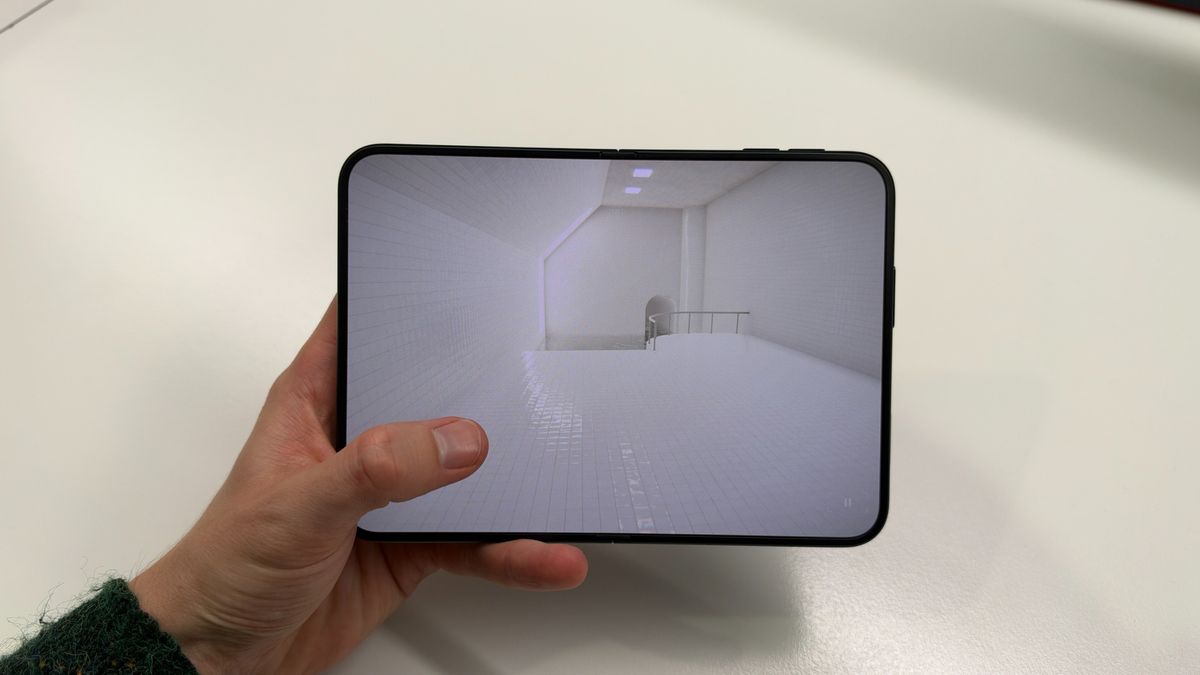
Perhaps the most technically impressive application currently available is the psychological horror game, Pools. The title serves as an unintentional benchmark for the iPhone Duo’s internal hardware. By rendering complex light and water physics across the hinge without significant frame-rate drops, the developers have proven that the device can handle intense graphical loads.
The decision to omit a traditional user interface (UI) in favor of an immersive "walking simulator" experience is a strategic choice that highlights the Duo’s screen real estate. On a single-screen device, the immersive quality of the environment is often interrupted by on-screen controls or notifications. On the Duo, the lack of UI elements allows the player to focus entirely on the environmental storytelling. This performance level confirms that the A20 Pro is capable of sustained graphical output that rivals current-generation portable gaming hardware.
Productivity and Utility: Slack and Spotify
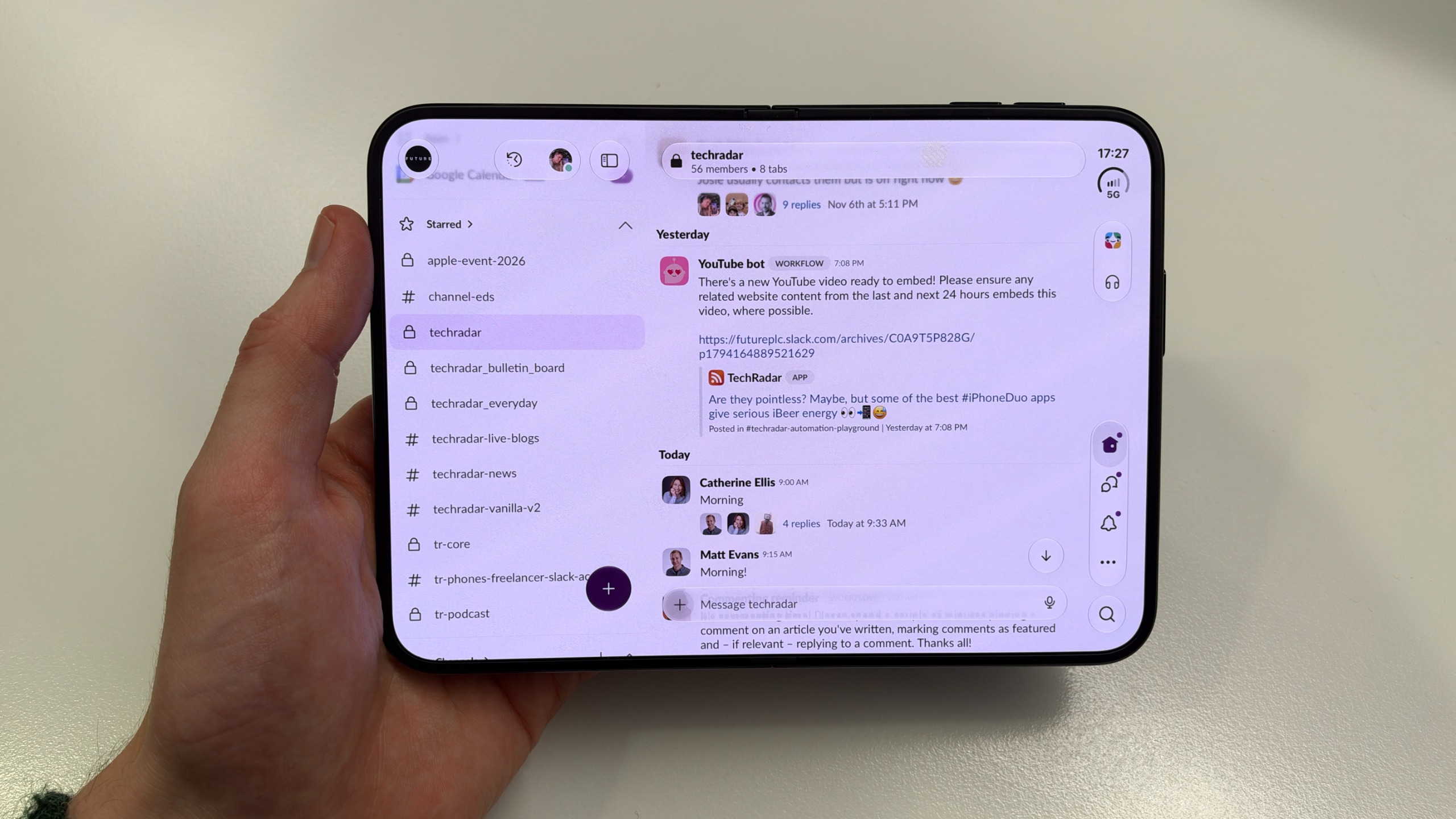
While games highlight the hardware’s capabilities, productivity apps are the true test of a device’s viability in a professional setting. Slack’s implementation of a multi-pane interface on the Duo is a masterclass in responsive design. By utilizing the vertical navigation bar on the left and the message feed on the right, the app replicates the desktop experience in a mobile format.
This allows for a "triage" workflow where users can monitor multiple channels simultaneously without the need to switch back and forth between menus. For a device intended to replace a laptop for mobile professionals, this level of optimization is non-negotiable.
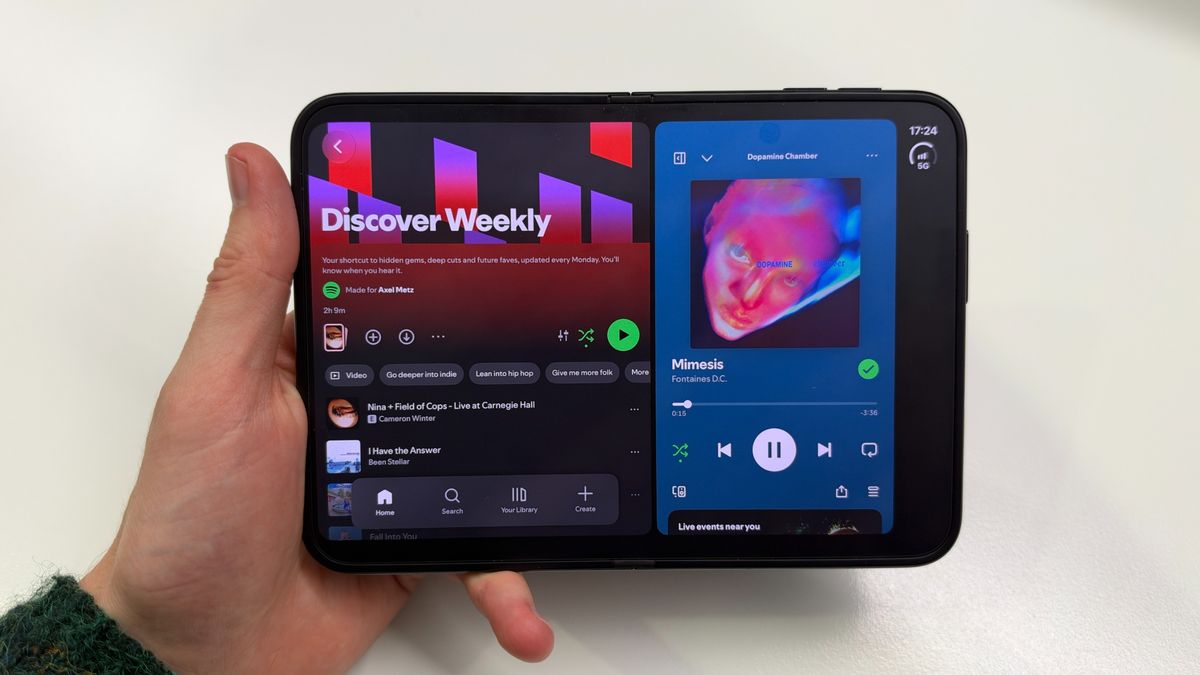
Similarly, the Spotify integration on the Duo provides a refined user experience when unfolded. The app splits the display, showing the user’s playlist and active playback information simultaneously. While there is still room for improvement—specifically regarding the utilization of the vertical navigation bar in portrait mode—the current iteration is a significant improvement over the standard mobile interface.
The London Underground Case Study: TfL Go
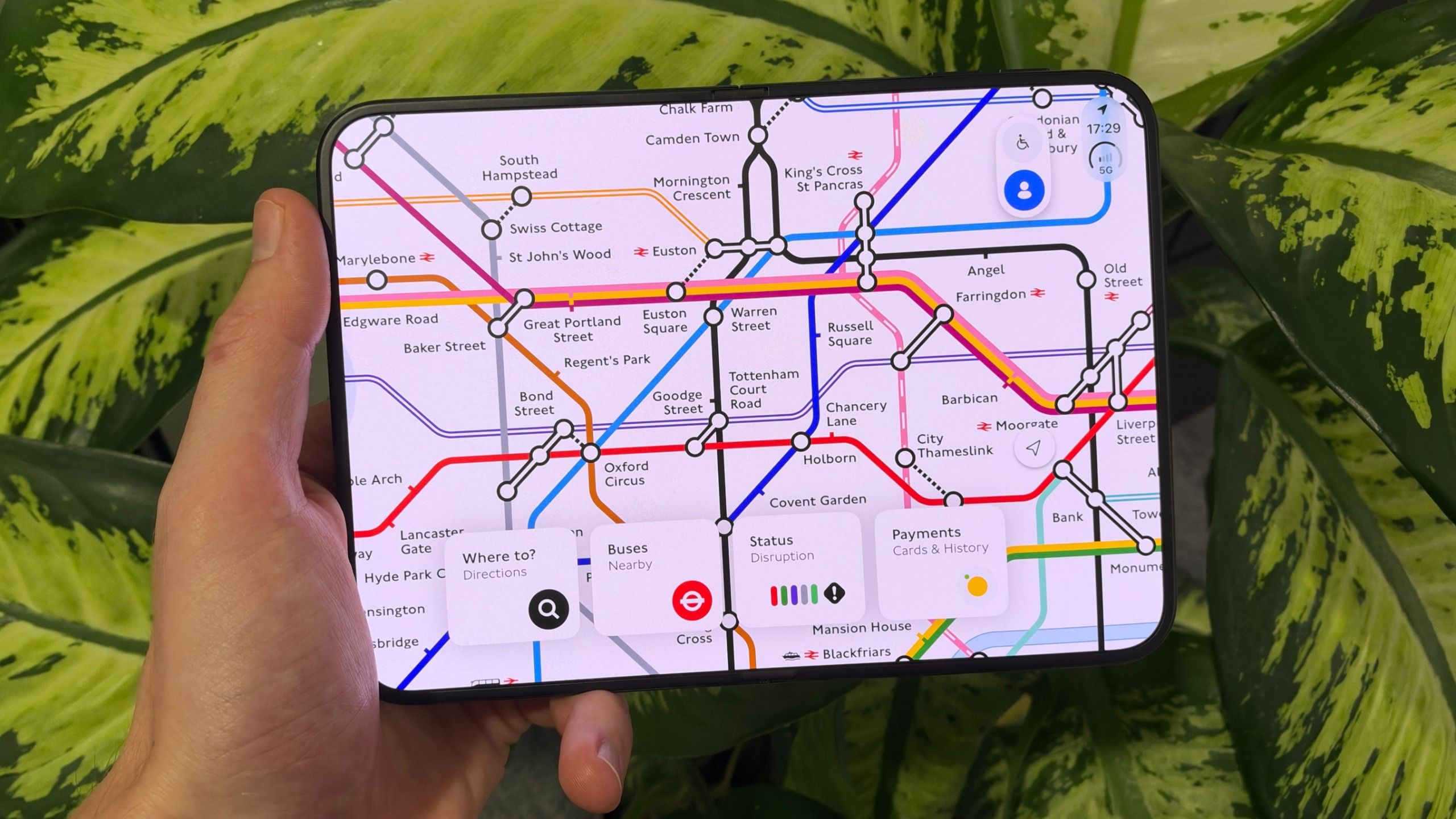
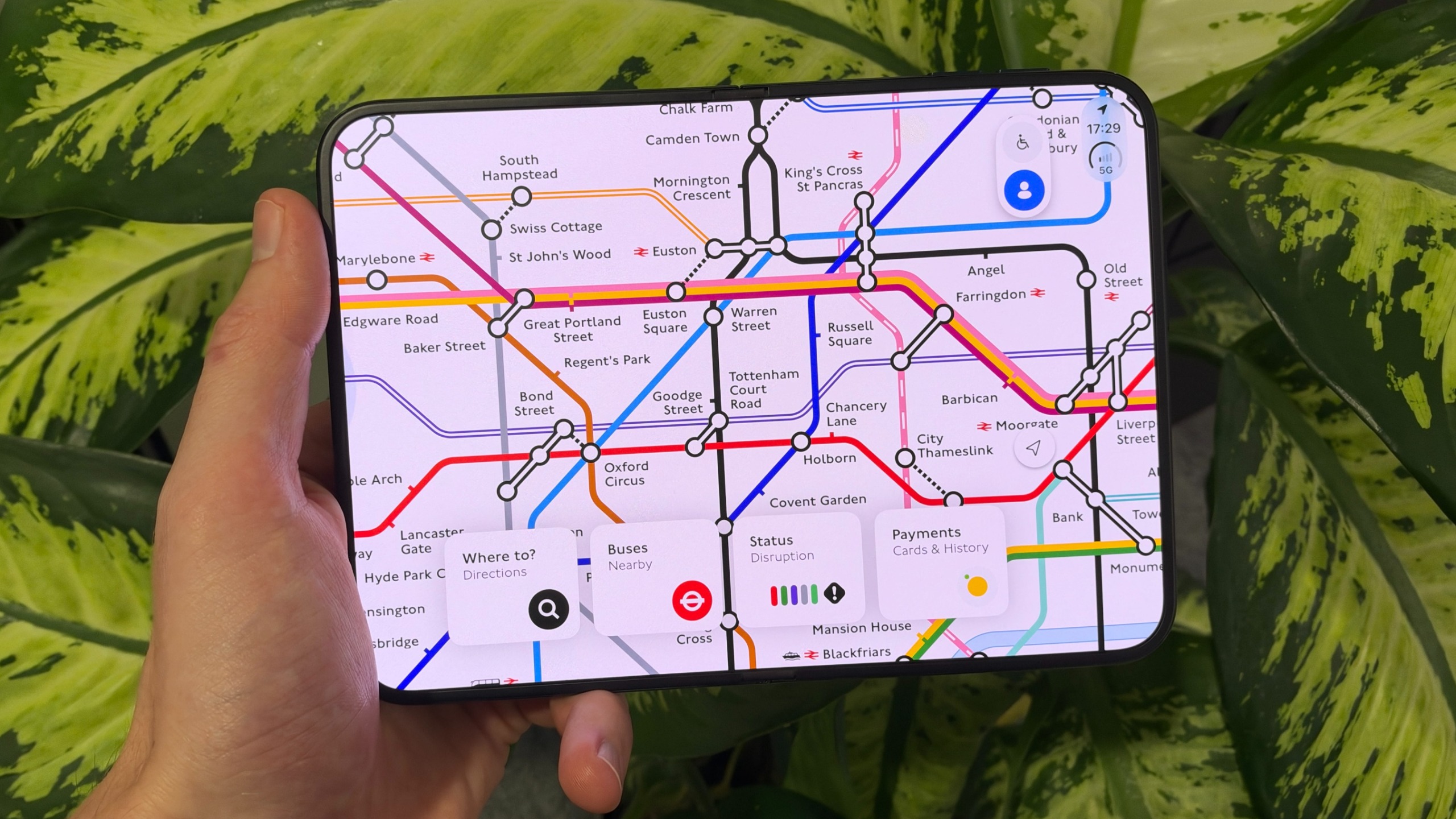
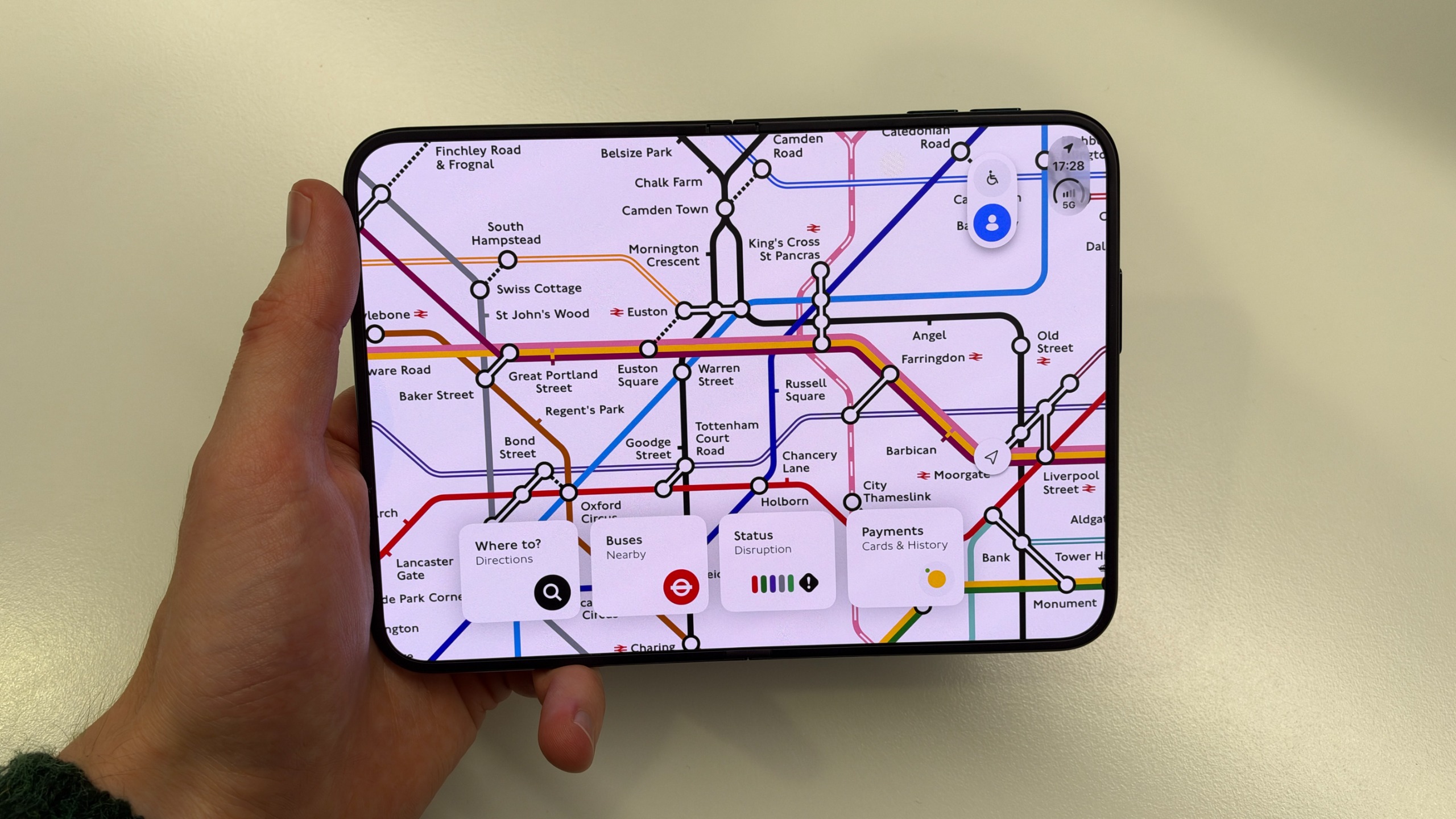
The TfL Go application serves as an interesting case study for regional app optimization. Despite being a transit-focused utility rather than a flagship productivity tool, its adaptation for the Duo was remarkably swift. The London Underground map is notoriously difficult to navigate on a standard smartphone screen, requiring constant zooming and panning.
On the Duo’s 7.6-inch nano-texture display, the map is rendered in its entirety, allowing for rapid route planning. The optimization here is purely visual, but it proves that developers are paying attention to the specific needs of the foldable user base, even in localized applications.
Broader Implications and Future Outlook
The current state of the iPhone Duo ecosystem suggests that the "app gap" is narrowing. While initial criticism of the device focused on the lack of native support for major third-party applications, the current trend indicates that developers are increasingly treating the Duo as a first-class citizen.
Industry data suggests that as the installed base of foldable devices grows, the economic incentive for developers to optimize their code for dual-screen layouts will increase. We are currently in the "early adopter" phase, where only the most innovative developers have prioritized foldable-specific updates. However, as Apple continues to refine its foldable operating system, it is expected that the OS will provide more robust tools for developers to handle screen-spanning automatically, potentially reducing the development burden.
For consumers, the choice to invest in the iPhone Duo remains a balance between cutting-edge utility and the patience required for software to catch up to hardware. However, the performance of the seven applications discussed—ranging from entertainment to professional communication—demonstrates that the foundational architecture is sound. As more developers roll out Duo-specific updates in the coming months, the device is likely to transition from a niche product for tech enthusiasts to a legitimate tool for mainstream power users. The trajectory of the iPhone Duo, and the software that powers it, confirms that the foldable revolution is not merely a hardware trend, but a fundamental shift in how we interact with mobile information.