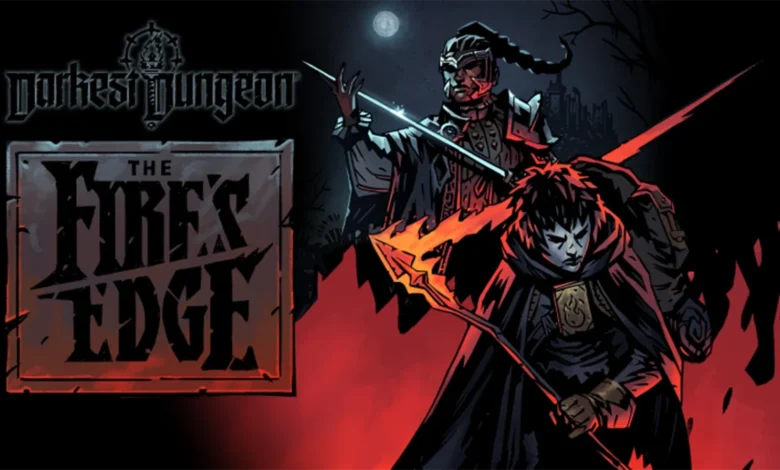
Red Hook Studios, the acclaimed developer behind the brutally challenging roguelike RPG series Darkest Dungeon, has announced a significant new expansion for the original game, titled The Fire’s Edge. This surprising addition, set to launch on August 18th, brings two beloved heroes from the sequel, Darkest Dungeon 2, into the fold of the seminal 2016 title. The expansion also introduces a new combat mechanic, revamped trinkets, and fresh Hamlet districts, aiming to reignite interest in the game that laid the foundation for its successor.
While Darkest Dungeon 2 has garnered a respectable reception, achieving "generally positive reviews" and a solid user score on platforms like Steam, it has not quite replicated the universally embraced status of its predecessor. This divergence in player reception has made the announcement of new content for the original Darkest Dungeon all the more noteworthy, suggesting a strategic move by Red Hook Studios to honor its roots and potentially bridge the gap between its fan bases.
Heroes Rekindled: The Duelist and The Runaway Arrive
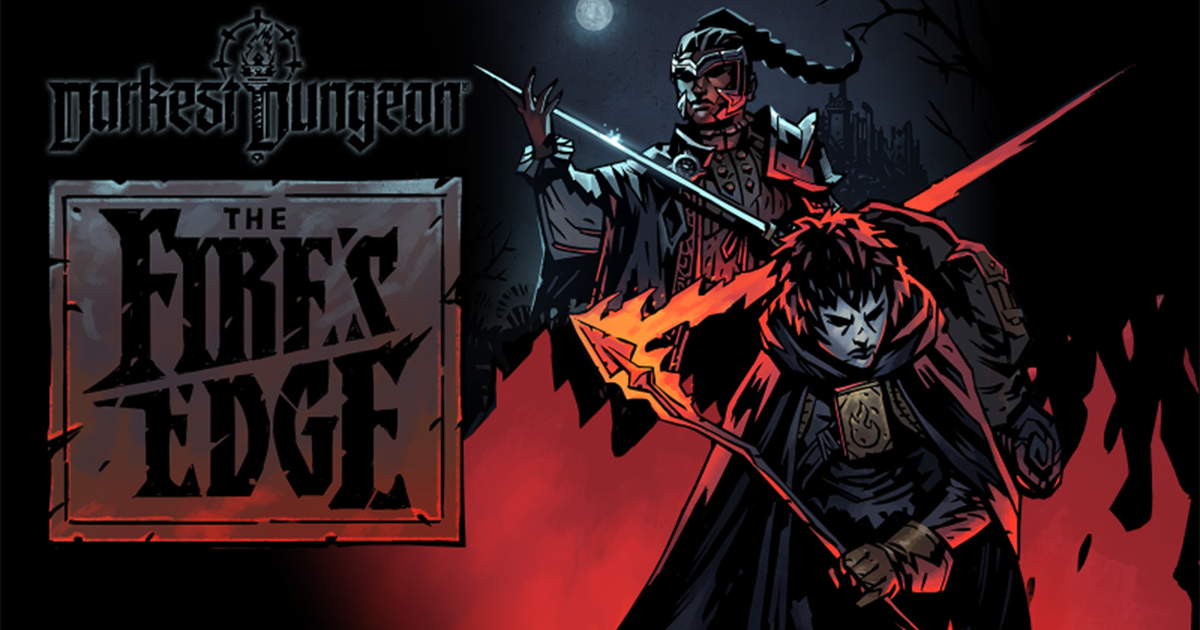
At the heart of The Fire’s Edge are the additions of the Duelist and the Runaway, two characters who have already proven their mettle in the challenging journeys of Darkest Dungeon 2. Their integration into the original game promises to inject fresh strategic layers and combat dynamics.
The Duelist is described as a "complex damage dealer that dances between the party’s ranks." This suggests a character with a high skill ceiling, requiring players to master her positioning and attack patterns. Her ability to alternate between aggressive and defensive combat stances implies a versatile role, capable of both inflicting significant damage and providing crucial support by mitigating incoming threats. This duality will likely appeal to players who enjoy nuanced combat and character builds, demanding careful consideration of her placement within the party to maximize her effectiveness. In the context of Darkest Dungeon‘s permadeath and high-stakes combat, such a character could offer a vital edge for those willing to invest the time to understand her intricacies.
Complementing the Duelist is the Runaway, characterized as a "position-flexible damage dealer utilising a unique burn damage type." Her mobility within the party ranks will allow for dynamic repositioning, enabling her to strike vulnerable enemies or escape dangerous situations. The introduction of a "unique burn damage type" signifies a new layer of tactical depth. Burn effects in Darkest Dungeon games are typically damage-over-time mechanics that chip away at an enemy’s health over several turns. The Runaway’s specialization in this area could lead to new strategies for managing enemy threat, particularly against heavily armored foes or those that resist direct damage. This could also introduce new challenges in terms of managing stress and health, as prolonged burn effects can contribute significantly to a hero’s overall suffering.
A New Flame: The Burn Mechanic and Trinket Reworks
The most significant gameplay addition in The Fire’s Edge is the introduction of the burn combat mechanic. This new status effect will fundamentally alter how players approach combat encounters. Burn damage, as seen in other games within the genre, typically applies damage over time, meaning a hero afflicted with burn will lose a percentage of their health at the start of each of their turns. This mechanic adds a strategic layer of planning, as players must decide whether to endure the ongoing damage in hopes of defeating the enemy quickly, or to prioritize healing and mitigation.
The implementation of burn will likely necessitate a re-evaluation of existing character abilities and itemization. Heroes who can apply debuffs or provide healing over time might see increased utility, while those focused on burst damage may need to adapt their strategies to account for enemies that can inflict persistent damage. Furthermore, the presence of burn as a status effect suggests that enemies within the new content, or perhaps even existing ones in redesigned encounters, might also possess this capability, adding a new dimension of threat for the player’s roster.
In conjunction with the new mechanic, Red Hook Studios is also overhauling the game’s trinket system. Trinkets in Darkest Dungeon are equipable items that provide passive bonuses and sometimes negative effects to heroes, playing a crucial role in character customization and build optimization. The rework promises "new mechanics," implying that trinkets will offer more than just simple stat boosts. This could involve unique synergies with specific hero classes, active abilities tied to trinket usage, or entirely novel ways to influence combat outcomes. Such a rework could breathe new life into the late-game progression, offering players fresh goals and build possibilities to pursue.
Expanding the Sanctuary: New Hamlet Districts
The expansion also introduces three new Hamlet districts: the Academie Duello, the Craftworks, and the Archaeological Base Camp. The Hamlet, the player’s central hub in Darkest Dungeon, serves as a vital location for healing, training, and preparing for expeditions. The addition of new districts suggests new gameplay opportunities and potential buffs or services available to the player.
The Academie Duello might offer specialized training for the new Duelist hero or provide combat training for all heroes, perhaps enhancing their offensive capabilities or unlocking new combat stances. The Craftworks could be a hub for improving trinkets, crafting new equipment, or even providing unique services related to item enhancement. The Archaeological Base Camp, with its evocative name, might relate to lore, discovery, or perhaps even provide bonuses related to exploration and resource gathering during expeditions. These new districts will undoubtedly encourage players to engage with the Hamlet more strategically, potentially offering new pathways to power and progression that complement the core gameplay loop.
A Decade of Darkness and the Road Ahead
Darkest Dungeon: The Fire’s Edge arrives as a celebration of the original game’s enduring legacy. Released on January 19th, 2016, the game has maintained a dedicated following for nearly a decade. The expansion’s launch on August 18th, just over seven months after the original’s tenth anniversary, underscores Red Hook Studios’ continued commitment to its foundational title.

The decision to update the original game, rather than solely focusing on its successor, raises interesting questions about the studio’s strategic priorities. While Darkest Dungeon 2 has received consistent support, this new content for the first game suggests that the studio recognizes the unique appeal and enduring popularity of the original experience. This move could be seen as a way to re-engage the established player base of Darkest Dungeon, while also potentially attracting new players who might be drawn to the franchise by its robust and expanding lore.
This strategic pivot also comes at a time when Red Hook Studios has already teased further developments for Darkest Dungeon 2. The studio has indicated that another DLC for the sequel is slated for release in early 2027. This dual approach—supporting both the original and its successor—demonstrates a commitment to nurturing the entire Darkest Dungeon franchise, ensuring its continued presence in the gaming landscape. The simultaneous development of content for both titles suggests a well-planned roadmap that aims to satisfy the diverse needs and preferences of its player community.
Broader Impact and Implications
The release of The Fire’s Edge has several implications for the Darkest Dungeon franchise and the roguelike genre as a whole. Firstly, it signals a trend of developers revisiting and expanding upon their most successful older titles, even after the release of sequels. This can be a highly effective strategy for maintaining player engagement and capitalizing on established brand loyalty. For Darkest Dungeon fans, this expansion offers a compelling reason to return to the game that first introduced them to its unique brand of gothic horror and punishing gameplay.
Secondly, the integration of mechanics and characters from Darkest Dungeon 2 into the original game could serve as a testing ground for future cross-game content or a way to unify the experiences of both titles. This approach can help to create a more cohesive franchise identity, allowing players to experience the evolution of the Darkest Dungeon universe across different iterations.
Furthermore, the success of The Fire’s Edge could influence how other developers approach live-service models and ongoing support for their games. By demonstrating that there is still a significant appetite for high-quality, meaningful content for older titles, Red Hook Studios is paving the way for other studios to consider similar strategies. This could lead to a more vibrant and diverse gaming ecosystem, where beloved classics continue to receive attention and new content for years after their initial release. The introduction of new heroes and mechanics will undoubtedly spark renewed discussion and strategic experimentation within the Darkest Dungeon community, ensuring the game remains a relevant and challenging experience for both veterans and newcomers alike. The decision to expand the original game, rather than solely focusing on the sequel, also highlights the lasting impact and potential of well-crafted gameplay systems and beloved characters.