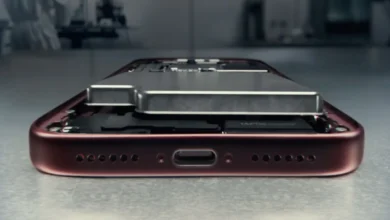
Google prepares to expand its wearable portfolio as new hardware passes FCC certification for a potential Wear OS fitness tracker


A recently surfaced Federal Communications Commission (FCC) filing has provided the strongest evidence yet that Google is developing a new, Wear OS-powered fitness tracker. The device, identified by the model number "G8BL6," appears to signal a strategic pivot in the company’s wearable ecosystem, potentially bridging the gap between the premium Pixel Watch series and the more utilitarian Fitbit lineup. This discovery arrives during a period of intense scrutiny regarding Google’s long-term hardware roadmap, particularly as the company seeks to harmonize the feature-rich experience of its flagship watches with the compact, health-focused nature of legacy fitness bands.
Technical Specifications and Certification Details
The FCC filing, which became public earlier today, categorizes the device as a "Wireless Device." While the documentation is characteristically sparse, key details confirm the hardware is designed for personal use and possesses several core functionalities associated with modern smart wearables.
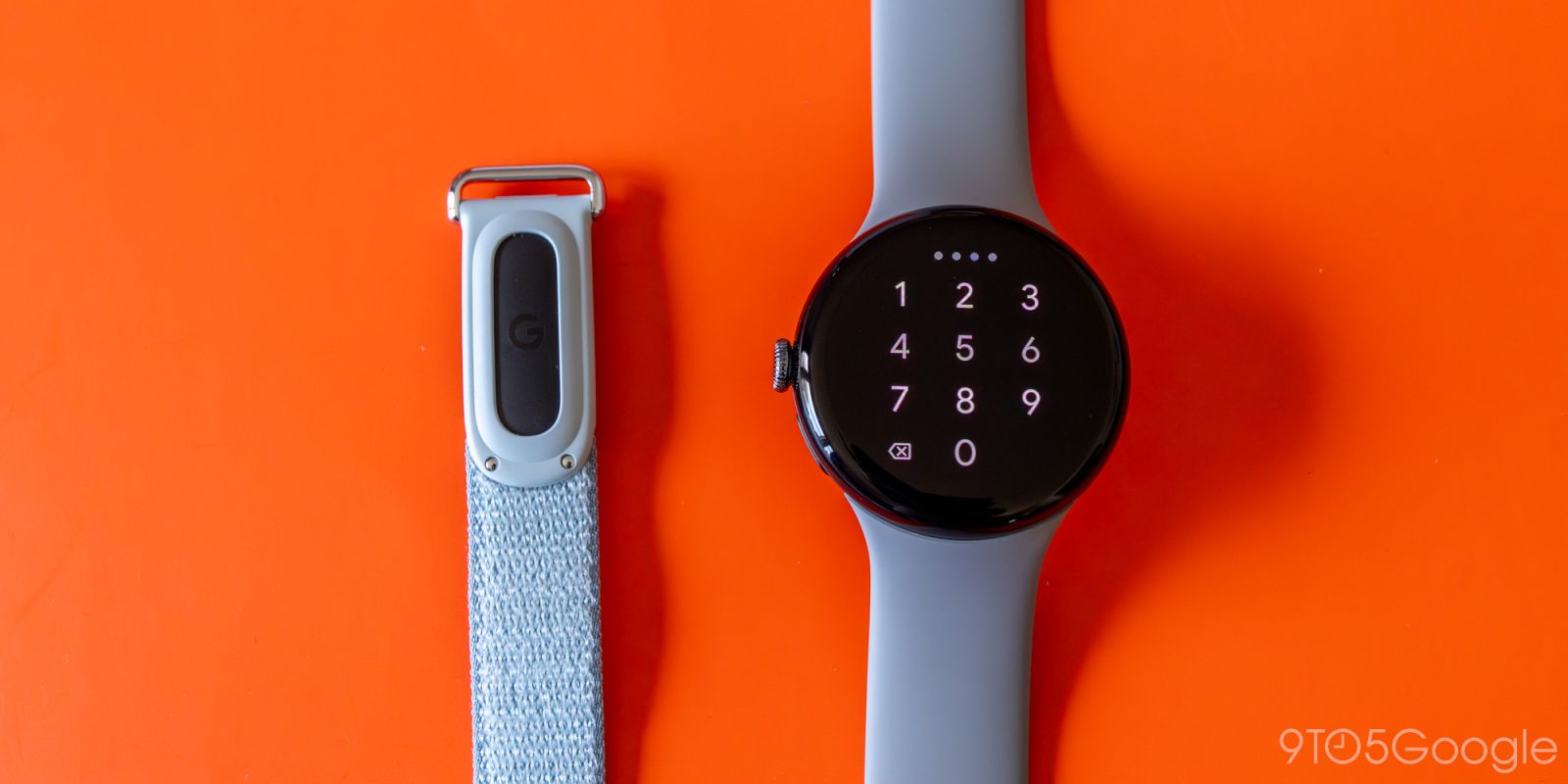
The manufacturing origin of the G8BL6 is attributed to Goertek, a prominent electronics manufacturer that has maintained a long-standing partnership with Google, most notably in the production of multiple generations of the Pixel Buds. The use of a consistent model naming convention—G8BL6—aligns with Google’s established internal nomenclature for first-party devices, which typically includes the Pixel smartphone and wearable product lines.
Perhaps the most significant confirmation of the device’s capabilities is the inclusion of an "e-label" for regulatory information. According to the documentation, this information is accessed via the user interface through a navigation path—Settings > System > Regulatory Information—that is identical to the current implementation on the Google Pixel Watch. This requirement essentially confirms the presence of a display and an operating system capable of supporting a settings menu, which strongly points to the inclusion of Google’s Wear OS. Further technical validation was provided by the documentation’s reference to the use of the Android Debug Bridge (ADB) during the testing phase, a tool standard to the development and maintenance of Android-based platforms.
Regarding connectivity, the hardware is equipped with Bluetooth Low Energy (LE) and integrated Global Navigation Satellite System (GNSS) capabilities. The documentation specifically highlights a "Metal frame Antenna" for Bluetooth, suggesting a design that prioritizes both signal integrity and structural durability. Notably, the omission of Wi-Fi in the filing presents a departure from the standard Pixel Watch configuration. This absence raises significant questions regarding how the device will handle over-the-air updates, cloud-based data synchronization, and independent app downloads, potentially suggesting a design optimized strictly for tethering to a smartphone.

A Chronology of the Development Path
The emergence of the G8BL6 is the latest development in a series of sightings that have fueled speculation about a new Google wearable. The timeline of these events provides context for the current state of the company’s product development:
- 2023: The last major update to the Fitbit Charge series occurs, establishing a baseline for the high-end fitness tracker segment, priced at approximately $160.
- August 2026: During a promotional campaign for the Pixel 11, keen-eyed observers identified an unreleased device in official marketing materials. The device featured a vertical, pill-shaped display and a band design reminiscent of the Pixel Watch. The software UI displayed on the device featured familiar complications, including heart rate and step tracking, strongly implying that Google was testing the device in public-facing media long before its official certification.
- September 2026: Following the initial advertising appearance, the G8BL6 model number officially clears the FCC, marking the transition from marketing concept to regulatory compliance.
The Evolution of the Fitbit Brand
For years, the Fitbit Charge line has served as the industry standard for dedicated fitness trackers. However, the introduction of the Fitbit Air and subsequent integration efforts by Google have left analysts questioning the future of the brand. If the G8BL6 is indeed a Wear OS-powered successor to the Charge series, it would represent a significant technological leap.
Wear OS is traditionally more power-hungry than the lightweight proprietary operating systems used on previous Fitbit trackers. By incorporating a full-fledged OS into a smaller, pill-shaped form factor, Google is essentially betting that advancements in silicon efficiency and battery chemistry can sustain the demands of Wear OS without sacrificing the multi-day battery life that users have come to expect from fitness bands. If successful, this device could render the distinction between a "smartwatch" and a "fitness tracker" obsolete, offering the deep integration of the Google ecosystem in a form factor that is less obtrusive than a traditional watch.

Strategic Implications and Market Position
The move to integrate Wear OS into a fitness tracker is a logical, albeit challenging, step for Google. Market data indicates that while premium smartwatches continue to see growth, there remains a robust segment of the population that prefers the low profile and long battery life of a tracker. By forcing these users onto the Wear OS platform, Google stands to gain significant advantages:
- Unified Ecosystem: A common operating system across all wearables simplifies the developer experience, allowing health and fitness apps to be written once and deployed across both the Pixel Watch and the new, smaller form factor.
- Data Consistency: Utilizing a unified platform ensures that health data—ranging from sleep tracking to cardiovascular metrics—is processed with consistent algorithms, providing users with a seamless experience when transitioning between devices.
- Competitive Differentiation: If Google can successfully deliver a Wear OS tracker that manages to outperform the battery life of current competitors, it will create a unique value proposition that Apple or Samsung have yet to fully address with their own respective product lines.
However, the decision also carries risks. The primary challenge remains thermal management and power consumption. A device of this size has a limited surface area for heat dissipation and a significantly smaller battery capacity than a smartwatch. The fact that the device has passed FCC certification is a strong indicator that Google has likely addressed these concerns, potentially through the use of highly optimized, custom-tuned versions of current-generation wearable chipsets.
Industry Context and Future Outlook
The broader wearable market is currently witnessing a trend toward specialization. While manufacturers initially sought to create "all-in-one" devices, there is now a clearer divide between devices designed for communication and productivity (smartwatches) and those designed for health monitoring and athletic performance (trackers).

Industry analysts suggest that the G8BL6 represents a "middle-ground" strategy. By leveraging the software maturity of Wear OS while maintaining a slim physical profile, Google is positioning itself to capture the "lifestyle" segment—users who want more intelligence than a basic pedometer provides but who find the aesthetic and size of a full-size smartwatch excessive.
As of the date of this report, Google has not provided an official comment regarding the G8BL6. In accordance with standard industry practices, the company typically refrains from commenting on unreleased hardware until the formal product launch event. However, given the pace of recent filings and the inclusion of the device in promotional materials for the Pixel 11, it is highly probable that an official announcement will coincide with a hardware launch event in the coming fiscal quarters.
Ultimately, the transition of the fitness tracker segment to the Wear OS platform marks a maturing of the ecosystem. It signals that Google is moving away from maintaining a siloed Fitbit OS in favor of a singular, developer-friendly environment. For the consumer, this suggests that the next generation of wearable devices will be more capable, more integrated with the Android ecosystem, and more consistent in their performance than any iteration of the Fitbit brand seen to date. Whether this transition will be met with the same consumer enthusiasm as previous generations remains to be seen, but the technical groundwork has clearly been laid.