Bandai Namco officially shutters Reflector Entertainment following the commercial failure of Unknown 9: Awakening

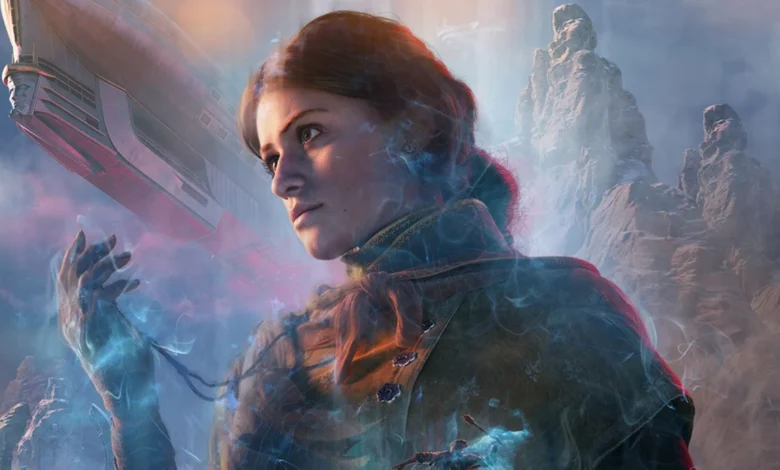
The Montreal-based studio Reflector Entertainment, a subsidiary of the Japanese gaming giant Bandai Namco, has officially confirmed it will cease operations. This move marks the final chapter for the developer, which gained industry attention for its ambitious, narrative-driven action-adventure title, Unknown 9: Awakening. The decision to dissolve the studio follows a prolonged period of financial instability and a series of strategic pivots that failed to yield the commercial success required to justify continued investment.
The formal resolution was confirmed in a regulatory filing by Bandai Namco, which cited a comprehensive assessment of the subsidiary’s future business viability, the necessity of further capital injections, and the persistent lack of profitability. This closure brings a definitive end to a studio that once held significant promise within the mid-tier gaming market.
A Chronology of Decline
The trajectory of Reflector Entertainment, from its inception to its final dissolution, has been marked by high-concept ambitions that struggled to translate into market performance. Founded in 2016 by industry veterans, the studio was acquired by Bandai Namco in 2020 as part of the publisher’s effort to expand its intellectual property portfolio.
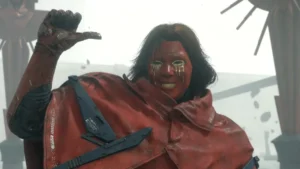
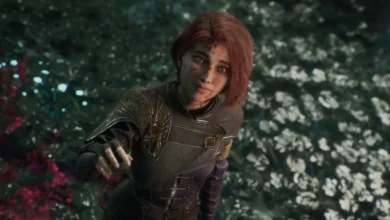
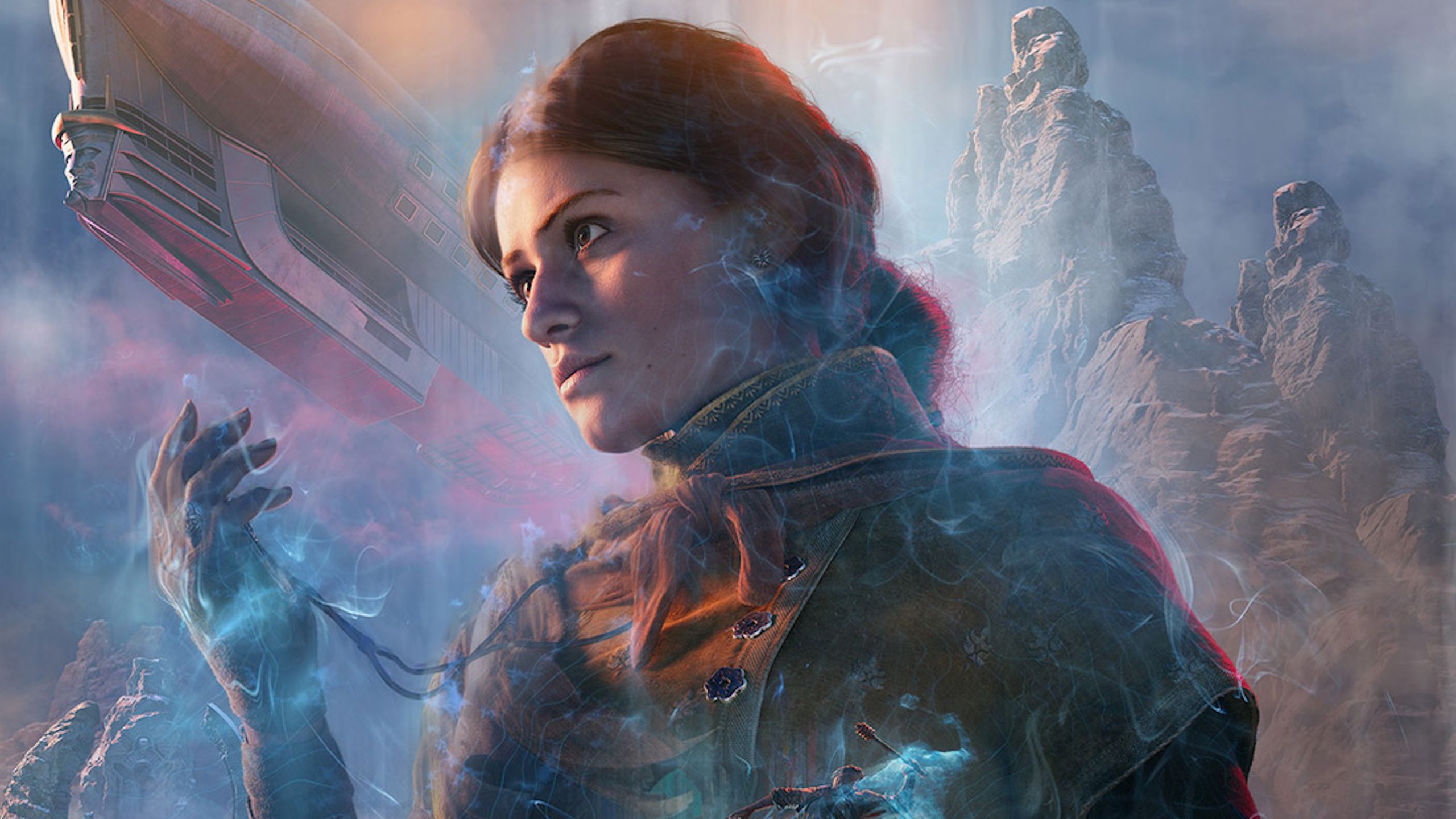
The development of Unknown 9: Awakening was characterized by a multi-media approach, with the studio attempting to build a wider "Unknown 9" universe through novels, podcasts, and comics before the game’s eventual release. However, the game—which featured The Witcher actress Anya Chalotra as the protagonist Haroona—did not meet sales expectations upon its launch two years ago.
The downfall followed a rapid, downward spiral:
- October 2024: Shortly after the release of Unknown 9: Awakening, the studio was forced to announce a significant reduction in force, laying off 18% of its workforce.
- January 2025: Faced with continued poor performance and a failed internal project, the studio underwent a second, larger round of layoffs. During this period, management confirmed the cancellation of a follow-up project, explicitly labeling the initial game a commercial failure.
- November 2026: Bandai Namco formally moved to dissolve and liquidate the subsidiary, acknowledging that it could no longer justify years of additional investment.
The Financial Context of the Closure
The closure of Reflector Entertainment is not an isolated event but rather a reflection of the broader, volatile landscape facing mid-sized game development studios—often referred to as "AA" developers. These studios frequently struggle to balance the high production costs of modern gaming with the market’s demand for "AAA" polish and scale.
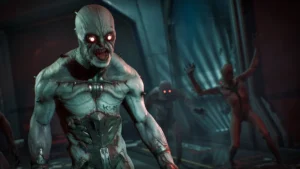
In the case of Unknown 9: Awakening, the game was positioned as a narrative-heavy, linear experience reminiscent of late 2000s action titles. While early previews praised the game’s mechanics—specifically the ability to traverse the "Fold" dimension—the final product was met with critical indifference and lackluster consumer adoption.
Industry analysts have noted that Bandai Namco’s decision to cut losses is part of a broader corporate restructuring. The publisher, like many others in the industry, has been grappling with ballooning development budgets. When a title fails to reach the critical mass required for sequels or expanded media presence, the parent company is often left with little recourse other than dissolution to protect its bottom line.
Official Responses and Internal Sentiment
Reflector Entertainment addressed the community directly via LinkedIn, providing transparency regarding the rationale behind the shutdown. The statement highlighted that after a thorough review of the studio’s current project in pre-production, the leadership and the parent company agreed that market conditions did not favor a continuation.
"After reviewing the progress of our latest project in pre-production, future development requirements, and current market conditions, Bandai Namco concluded that it could not justify several more years of investment," the statement read.
The sentiment from the studio’s leadership, including former CEO Herve Hoerdt, has been one of stark acknowledgment regarding the project’s failure. During the earlier rounds of layoffs, Hoerdt admitted that the performance of the game did not come anywhere near the company’s internal projections. This transparency, while painful for the staff involved, underscored the high-stakes environment in which the studio was operating.
Broader Industry Implications
The dissolution of Reflector Entertainment serves as a cautionary tale for studios attempting to build interconnected transmedia universes before establishing a firm foundation in the gaming space. The "Unknown 9" brand was conceived as a vast narrative tapestry, but without a hit game to serve as an anchor, the entire ecosystem lost its primary engine for growth.
Furthermore, this event highlights a shift in corporate patience. In previous eras of the gaming industry, publishers might have allowed a studio multiple "bites at the apple" to find their footing. Today, the window of opportunity is significantly smaller. With the cost of development reaching hundreds of millions of dollars for major projects, publishers are increasingly risk-averse, opting for quick liquidations over long-term rehabilitation of underperforming assets.
The impact on the Montreal gaming scene is also notable. Montreal remains a global hub for game development, and the loss of a studio, even one that struggled, represents a loss of local talent and expertise. While the employees affected by these closures are likely to find placement in other studios within the city’s thriving tech corridor, the closure of Reflector Entertainment marks the end of a unique, if ultimately unsuccessful, creative experiment.
Future Procedures and Liquidation
While the decision to dissolve the studio has been passed, the process is ongoing. Bandai Namco has indicated that the liquidation will be carried out in accordance with local laws, although a specific timeline for the final wind-down has not been publicly released. This process typically involves the settlement of outstanding obligations, the finalization of intellectual property rights, and the orderly exit from the studio’s facilities.
For the fans of the "Unknown 9" narrative, the closure leaves the future of the franchise in a state of ambiguity. While the IP remains under the ownership of Bandai Namco, it is unclear if the publisher will attempt to revive the series through a different developer or if the project will be shelved indefinitely in favor of more proven, legacy brands.
Ultimately, the closure of Reflector Entertainment is a definitive signal of the current economic reality in the gaming sector. As the industry faces rising inflation, increased competition for player attention, and the need for fiscal discipline, only projects that can guarantee high engagement and sustainable revenue streams are likely to survive. Reflector Entertainment’s journey, though ambitious in its narrative scope, ultimately fell victim to the uncompromising metrics of the modern video game market.
As the studio prepares to close its doors, the industry continues to watch Bandai Namco and other major publishers for further signs of restructuring. The "AA" space remains a vital part of the gaming ecosystem, offering unique, smaller-scale experiences that many players crave, yet the sustainability of this model remains under constant pressure. The legacy of Reflector Entertainment will likely be studied by developers as a lesson in the delicate balance between creative ambition and the hard, cold realities of commercial viability.
Related posts: