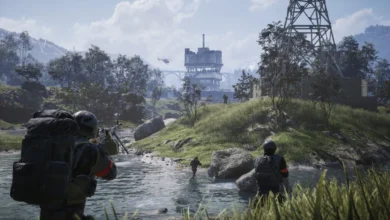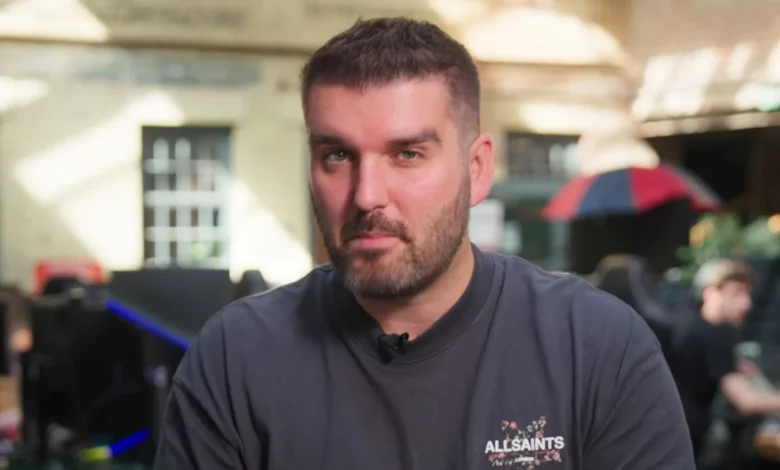
The rapid commercial success of the multiplayer shooter Wardogs has been overshadowed by a burgeoning industry controversy surrounding the recruitment and management philosophies of its developer, Bulkhead. Following the game’s impressive milestone of two million units sold within its opening weekend, Bulkhead CEO Joe Brammer addressed the studio’s internal culture, explicitly confirming a practice of screening job applicants for their stance on "crunch"—the industry term for periods of intense, often mandatory, overtime.
The revelation has ignited a firestorm within the gaming community, reigniting a long-standing debate over labor practices, the definition of professional commitment, and whether the traditional "crunch" model remains a viable or ethical strategy in modern game development.
A Controversial Recruitment Strategy
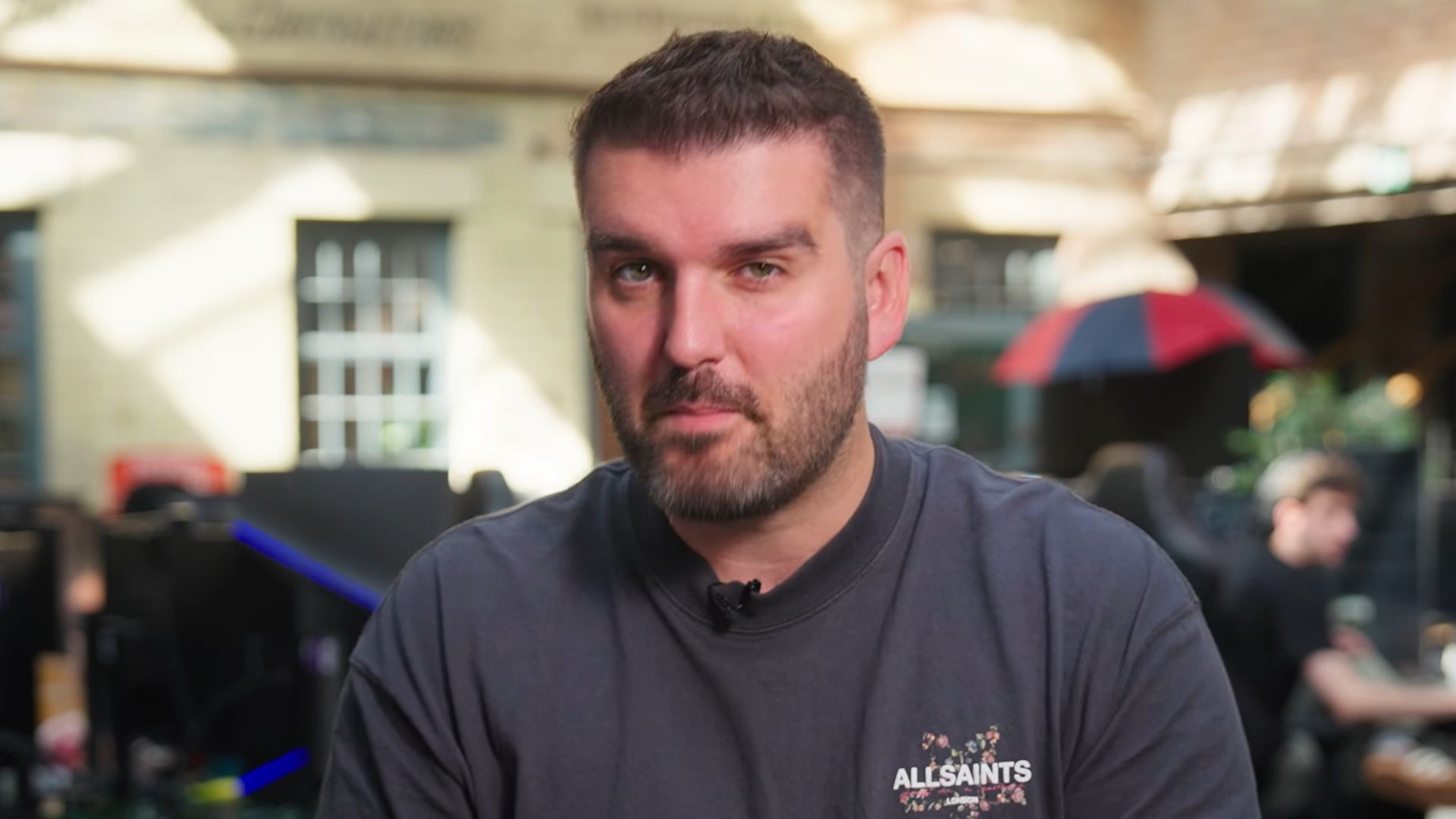
During an appearance on The Game Business Show, hosted by Christopher Dring, Brammer articulated a transparent, albeit polarizing, hiring policy. He noted that Bulkhead prioritizes candidates who align with the studio’s "work hard" ethos. Central to this approach is the preemptive exclusion of prospective employees who express vocal opposition to crunch culture on social media platforms.
"A lot of people who may have an issue with crunch—rightly so, I understand that issue, we always try and avoid it, but we don’t hide that this is going to happen at some point—they often don’t make it in the door," Brammer stated. He argued that the studio seeks to foster a specific environment where employees feel "valued" through their contribution to the final product, suggesting that those ideologically opposed to the studio’s work patterns would likely find the environment stifling or "slave-driven."
Brammer further clarified that the studio’s human resources process includes a review of candidates’ digital footprints. If an applicant frequently posts anti-crunch messaging, the studio concludes that the individual would not be a suitable cultural fit, thereby opting against proceeding with the hire.
Chronology of the Wardogs Launch
The success of Wardogs is a significant narrative in itself. Initially abandoned by the Chinese tech conglomerate Tencent, the project faced immense pressure to perform upon its independent relaunch.
- Pre-Launch: The title faced significant development hurdles, including a period of uncertainty after losing its primary backer. The team at Bulkhead leaned into a "hard-charging" development phase to secure the game’s viability.
- Launch Weekend: Wardogs exceeded industry expectations, moving two million copies in its first 72 hours. The sales surge was accompanied by technical instability, necessitating a "heroic" effort from the development team to stabilize server infrastructure.
- Post-Launch Transparency: Brammer utilized social media, specifically X (formerly Twitter), to document the studio’s efforts. Images shared by the CEO depicted the office environment, including air mattresses arranged for developers working through the night to resolve server-side issues.
- The Interview: Shortly following the successful launch, the interview on The Game Business Show brought these labor practices to the forefront of industry discourse.
The Human Cost and Industry Standards
The practice of "crunch" has been a point of contention in the video game industry for over a decade. Historically, studios often relied on massive, non-compensated, or high-pressure overtime to meet aggressive release deadlines. High-profile examples, such as the development cycles of Cyberpunk 2077 and Red Dead Redemption 2, brought the human toll—burnout, mental health crises, and staff attrition—to the mainstream media’s attention.
In response, many studios have moved toward more sustainable production schedules, often citing productivity research that indicates diminishing returns after prolonged periods of overwork. Critics of Brammer’s policy argue that it institutionalizes a "survival of the fittest" mentality, which excludes talent based on their desire for a healthy work-life balance rather than their technical capability or creative aptitude.
Industry Reaction: A Divided Response
The reaction from the broader game development community, particularly on platforms like Bluesky, has been largely critical. Many professionals in the industry view Brammer’s comments as an admission of systemic management failures.
"Crunch is a result of bad planning and poor management," noted Michael Howe, a developer at Studio Gobo. This sentiment reflects a growing consensus among project management experts in software development: that crunch is not a necessary byproduct of passion, but a symptom of inefficient production pipelines or unrealistic executive mandates.
Others, such as producer and consultant Nazih Fares, suggested that the public defense of such practices highlights a fundamental need for better project management. "Tell me you need a producer without saying you need a producer," Fares remarked, implying that proper oversight could eliminate the need for the late-night shifts and air mattresses that Brammer views as a sign of dedication.
Furthermore, some critics pointed to academic and industrial research suggesting that extended crunch periods are statistically linked to lower-quality code, higher bug rates, and long-term loss of institutional knowledge due to high staff turnover.
Analysis: Implications for Bulkhead and the Industry
The stance taken by Bulkhead represents a doubling-down on a traditionalist model of software development that many modern studios are actively trying to dismantle. By framing the issue as a "cultural fit" rather than a labor policy, Brammer effectively shields the studio from traditional HR grievances while simultaneously narrowing the candidate pool.
1. The Talent Pool Impact:
By explicitly filtering out candidates who advocate for better labor conditions, Bulkhead may be creating an echo chamber of employees who are predisposed to accept high-stress environments. While this may increase short-term team cohesion during high-pressure releases, it poses a long-term risk of groupthink and a lack of diversity in perspectives, which are often vital for innovation.
2. Financial Implications:
While Wardogs has seen immediate commercial success, the long-term viability of this model remains to be seen. Industry history is replete with studios that experienced early successes fueled by intense crunch, only to face "brain drain" as senior talent left for more sustainable environments, ultimately leading to the decline or dissolution of the studio.
3. Reputational Risk:
In an era where public perception can influence consumer behavior, the open admission of "crunch as a feature" carries risks. Consumers are increasingly aware of the ethical conditions under which their entertainment is produced. While the "hard-work" narrative may resonate with a segment of the gaming audience that prioritizes frequent updates and content-rich releases, it risks alienating a broader market that values corporate social responsibility.
Conclusion: The Future of Studio Culture
The case of Wardogs serves as a stark reminder of the ongoing friction between the rapid demands of the gaming market and the human requirements of software engineers and artists. While Brammer defends the practice as an honest reflection of the studio’s reality—emphasizing that employees are provided with bonuses and incentives for their efforts—the backlash suggests that the industry is at a crossroads.
As studios navigate the balance between commercial survival and ethical employment, the discourse surrounding Bulkhead’s policies will likely continue to serve as a litmus test for the industry. Whether the "work hard" culture remains a sustainable competitive advantage or a dated relic of a bygone era in game development remains a subject of intense debate among those who build the games the world plays. For now, Bulkhead remains an outlier, holding firm to a philosophy that has proven lucrative in the short term but remains highly contentious in the eyes of its peers.