The Engineering Challenge Behind Garmin’s Transition to Advanced Titanium Watch Construction

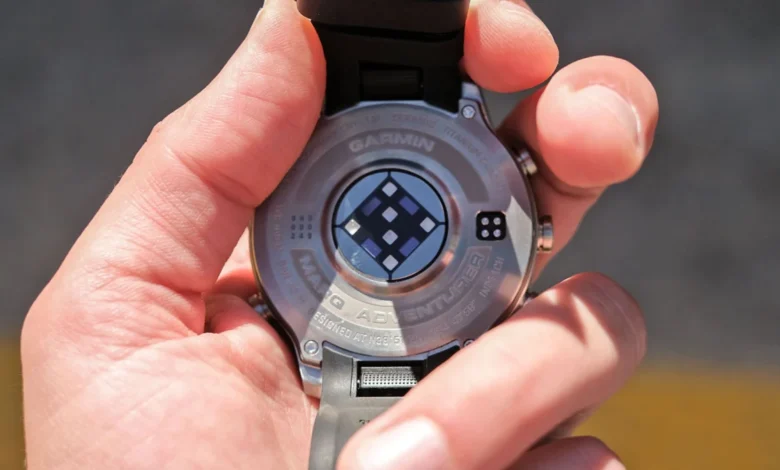
In the modern era of wearable technology, the quest for the ultimate sports watch has converged on a singular material: titanium. As consumer demand for lighter, more durable, and aesthetically premium devices grows, manufacturers like Garmin have moved away from traditional stainless steel to favor high-grade titanium alloys. However, this transition is not merely a design preference; it represents a significant engineering hurdle. Integrating high-performance materials while maintaining the radio-frequency transparency required for GPS, Bluetooth, and Wi-Fi connectivity has forced companies to adopt complex manufacturing processes such as Nano Molding Technology (NMT).
The shift toward titanium reflects a broader trend in fitness tracking, where precision and comfort are paramount. Because high-intensity interval training, long-distance running, and professional mountaineering require equipment that does not impede the user, weight reduction is critical. A lighter watch minimizes inertia on the wrist during rapid movement, which in turn ensures that optical heart-rate sensors remain in consistent contact with the skin, thereby reducing data artifacts and improving the accuracy of biometric tracking.
A Brief History of Material Evolution in Wearables
For decades, stainless steel served as the industry standard for premium horology and, later, for early smartwatches. Its durability and resistance to oxidation made it a logical choice. However, as smartwatches evolved from simple step counters to sophisticated navigation and communications hubs, the physical properties of stainless steel became a limitation.
The industry timeline is punctuated by a gradual movement toward lighter materials. In the mid-2000s, plastic (polymer) casings were the default for GPS-enabled devices because they offered zero interference with radio signals. The 2003 release of the Garmin Forerunner 201, while revolutionary for its time, featured a bulky, ruggedized plastic housing that prioritized function over form. As users began demanding watches that could transition from the mountain trail to the boardroom, the need for a material that combined the "feel" of luxury metal with the radio transparency of plastic became clear.
By the early 2010s, manufacturers began experimenting with hybrid constructions. In 2011, reports emerged of companies like HTC testing early versions of NMT for mobile devices, attempting to bond metal chassis to plastic antennas to maintain signal integrity in smartphones. Garmin has since adapted these concepts for the wrist, refining them to meet the extreme environmental demands of outdoor sports, including water resistance and impact durability.
The Physics of the Signal Problem
The core conflict in modern wearable engineering is a paradox of physics: metals are inherently opaque to the electromagnetic waves required for wireless communication. A "full metal jacket"—an entirely titanium or steel casing—acts as a Faraday cage, blocking signals from reaching the device’s internal antennas. This prevents the watch from locking onto GPS satellites, syncing data via Bluetooth, or connecting to Wi-Fi networks.
Garmin’s leadership has been transparent about the technical limitations of all-metal designs. Brad Trenkle, Chief Operating Officer at Garmin, notes that while the mechanical benefits of an all-titanium case are undeniable, the loss of connectivity is a non-starter. To overcome this, engineers have historically relied on gaskets and plastic inserts to create "windows" for radio waves.
However, this approach carries a significant drawback: bulk. Each gasket and mechanical seal adds to the watch’s total thickness. In the early days of GPS watch development, this resulted in the "tuna can" aesthetic—a thick, protruding device that was cumbersome to wear. Reducing this profile while maintaining 100-meter water resistance and structural integrity is the primary challenge for Garmin’s engineering teams today.
Nano Molding Technology: The Modern Solution
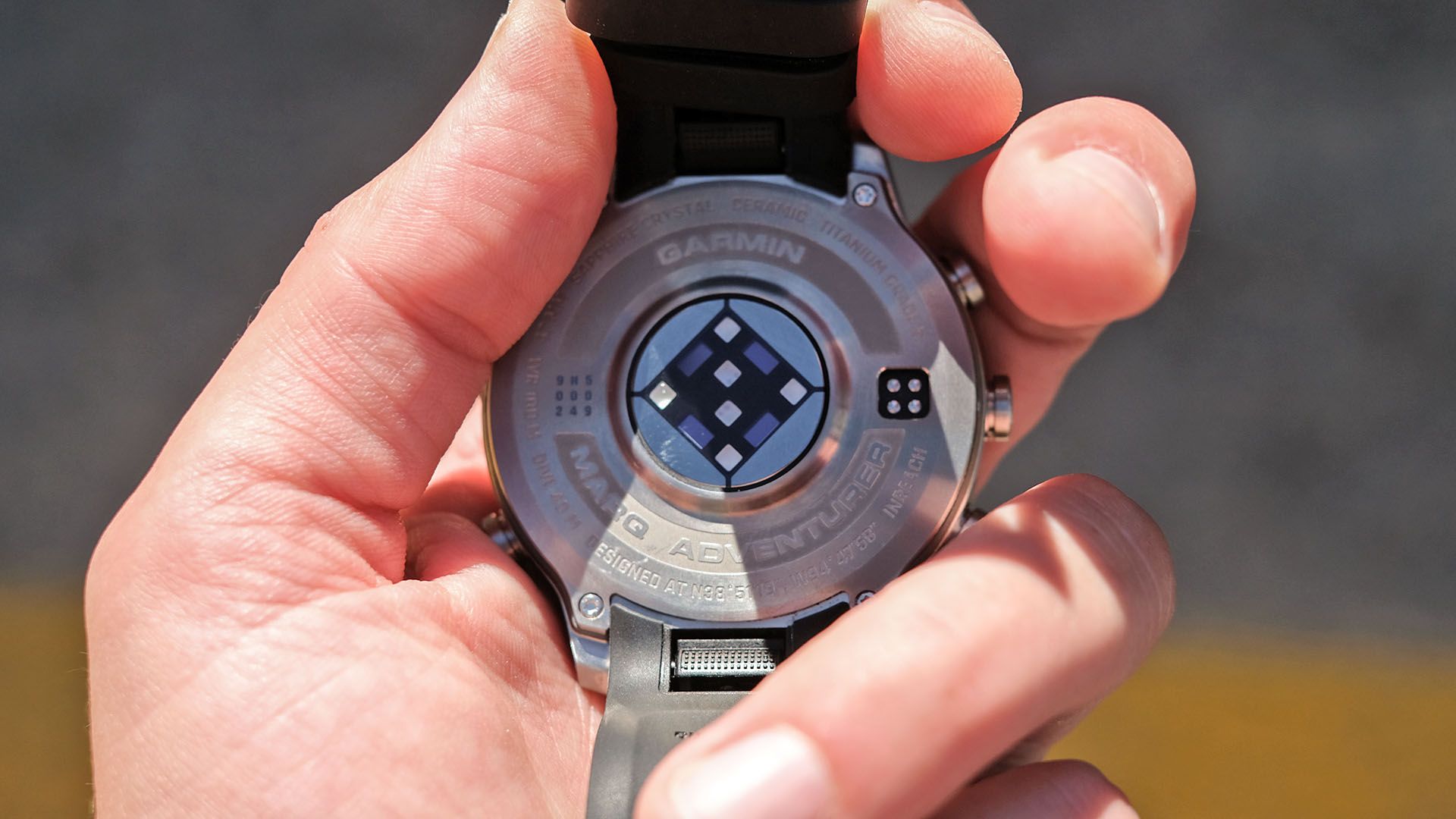
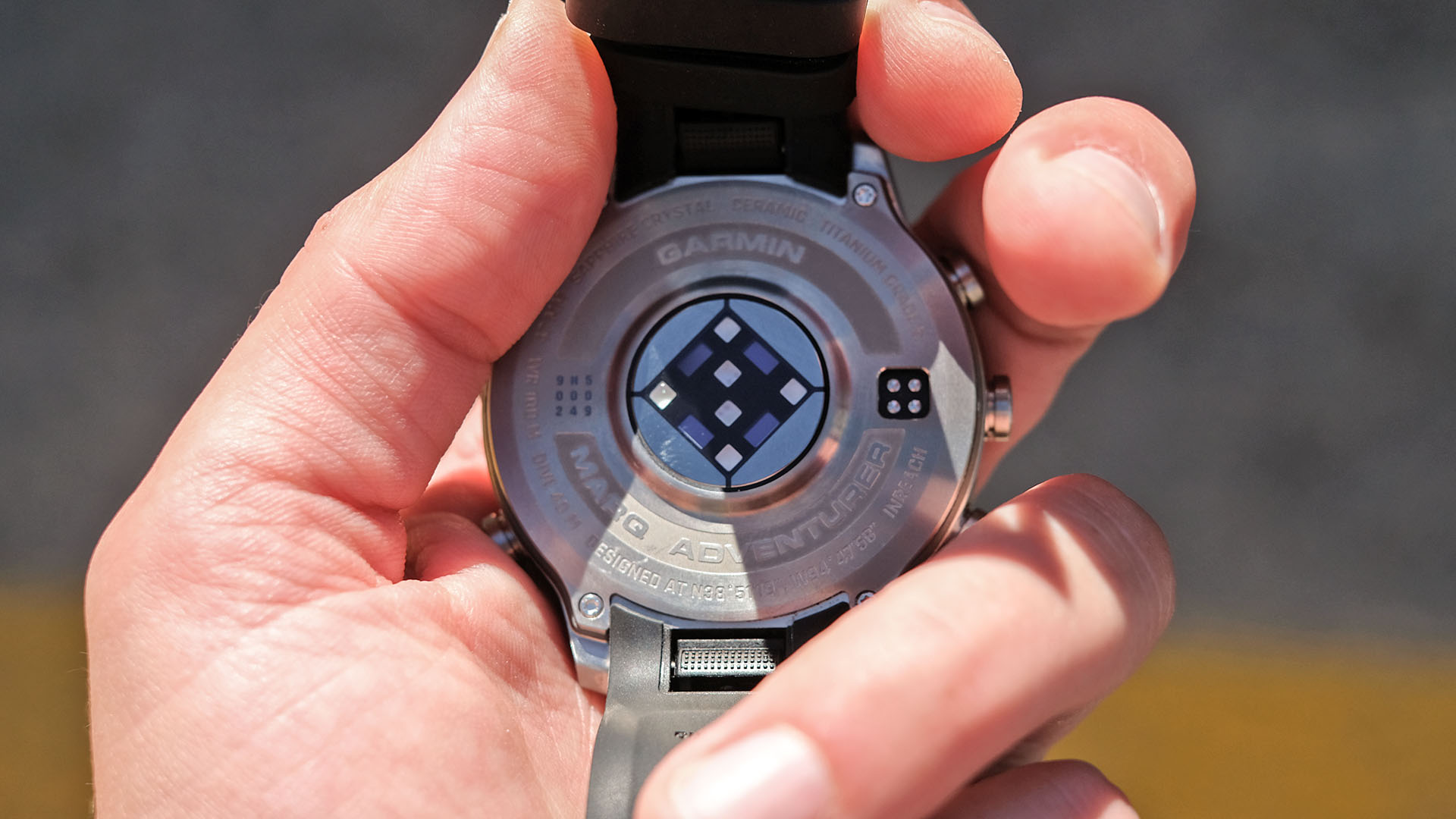
To reconcile the need for a premium titanium exterior with the requirement for signal transparency, Garmin has turned to Nano Molding Technology (NMT). This process involves a sophisticated chemical and mechanical bonding of polymer to metal at a microscopic level.
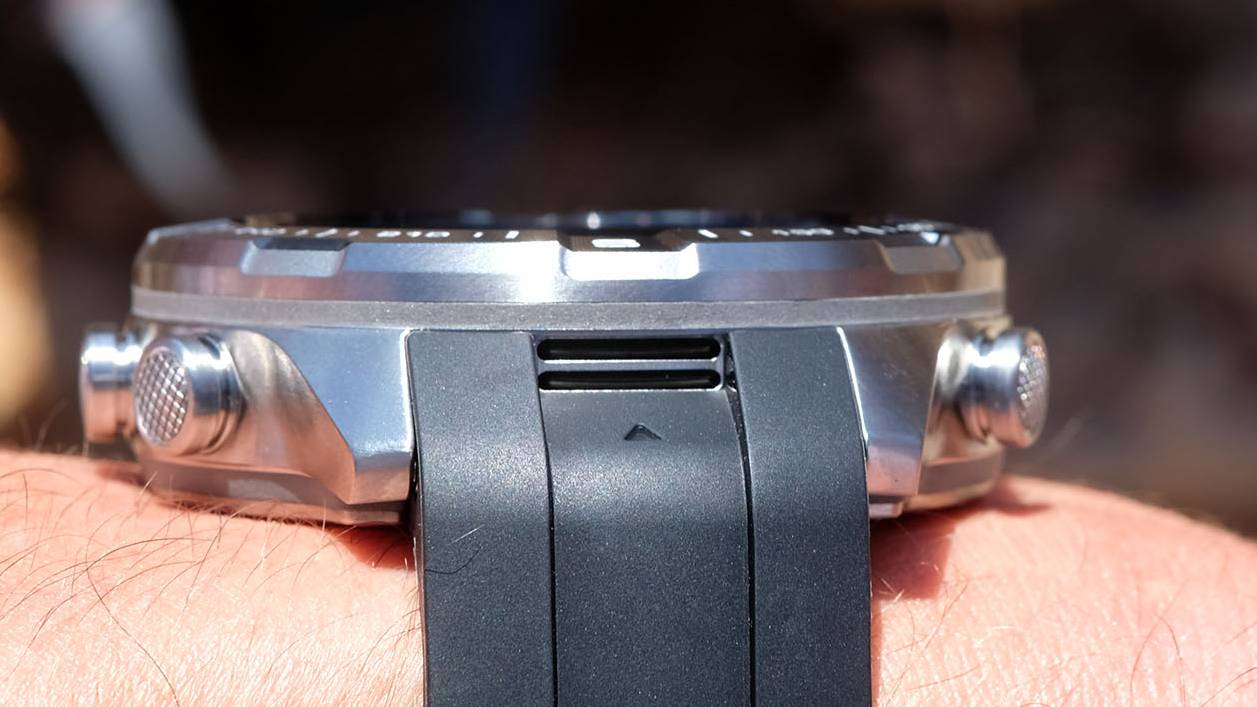
Todd Register, Garmin’s Creative Lead for the Outdoor segment, explains that the process begins by preparing the titanium surface. Through precise etching or texturing—often involving nano-scale patterns—the titanium is treated so that a liquid polymer can interlock directly with the metal. This creates a bond so tight that traditional, bulky rubber gaskets are no longer the primary requirement for structural security.
The result is a "hybrid" construction that looks and feels like a single piece of high-end metal while providing the necessary radio-frequency ports for sensors. By magnification of 100,000 times, engineers can observe the interlocking patterns where the polymer meets the titanium. This eliminates the need for thick, layered seams, allowing for a slimmer, more streamlined profile that does not compromise the device’s ruggedness.
Data and Market Implications
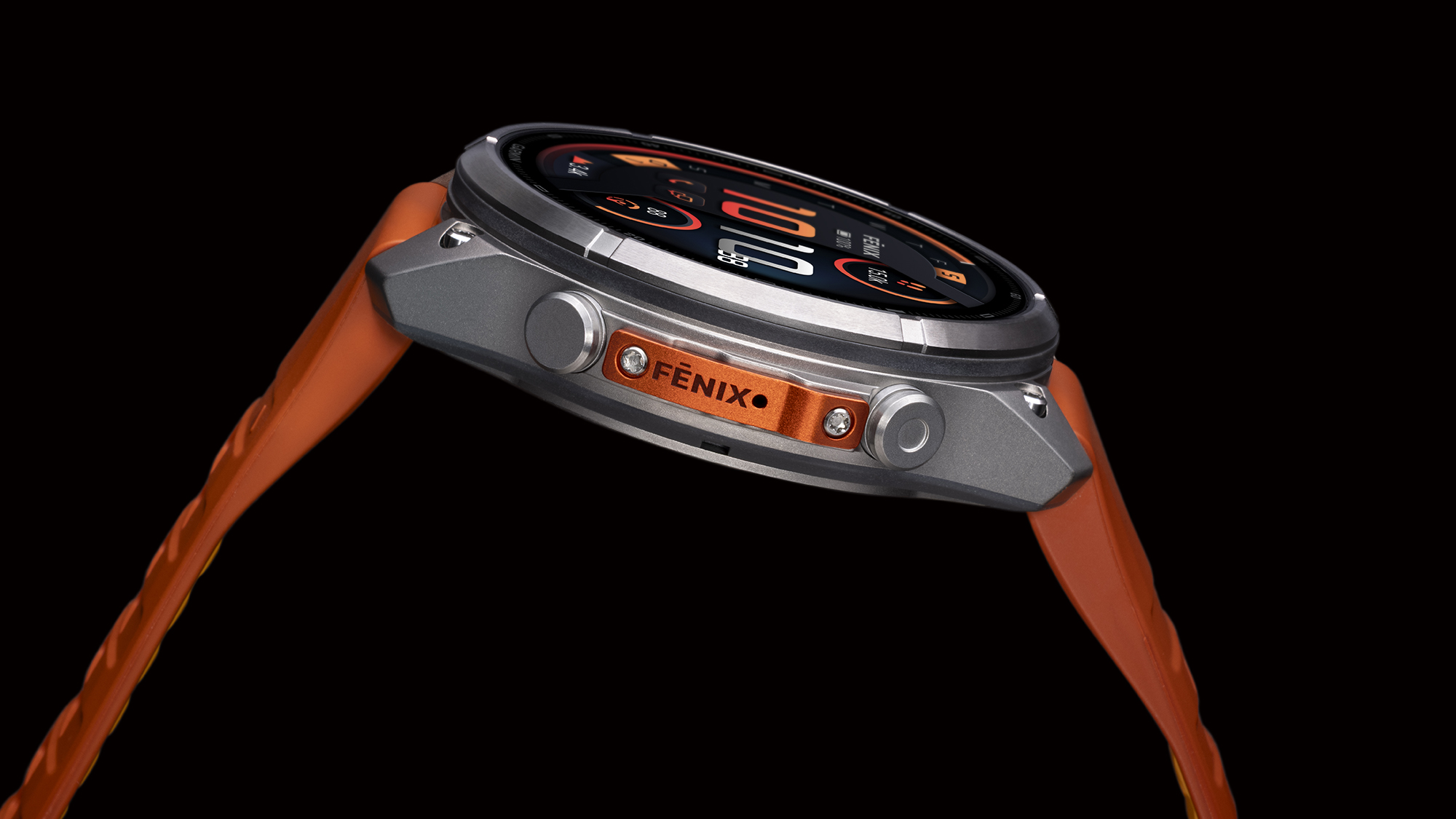
The economic reality of these manufacturing techniques is visible in the current Garmin product hierarchy. Devices such as the Fenix 9 base model still utilize polymer sidewalls reinforced with titanium bezels and backplates to keep production costs manageable. Conversely, the high-end Marq Generation 3 line features more extensive use of titanium through advanced NMT, reflecting a higher price point that accounts for the complexity of the manufacturing process.
Market analysis suggests that as NMT becomes more refined, the cost of entry for all-titanium smartwatches may eventually decrease, though it remains currently restricted to the "super-premium" tier. For products like the Venu series, which occupy the mid-to-high market range, the inclusion of full-titanium construction presents a difficult business decision. The Venu 4, for instance, has seen price adjustments in recent iterations, and manufacturers must balance the consumer desire for premium materials with the potential for price-sensitivity in the broader market.
Looking Ahead: The Future of Wearable Construction
The industry is currently at a juncture where the definition of a "premium" watch is being rewritten. Where high-end traditional watches were once judged solely by their mechanical movements and stainless steel or precious metal cases, the modern sports watch is judged by the marriage of metallurgy and radio engineering.
The implications of NMT go beyond just aesthetics and signal strength. By creating more rigid bonds between materials, Garmin is able to produce watches that are more resistant to vibration and pressure, which is essential for devices marketed to divers, mountaineers, and pilots. As the technology continues to mature, we can expect to see these manufacturing techniques trickle down into lower-cost segments, eventually making the lightweight, durable, and signal-transparent titanium watch a standard feature rather than a luxury exception.
For now, the "titanium problem" serves as a benchmark for the complexity of modern consumer electronics. It illustrates that even as software and sensor accuracy continue to improve, the physical constraints of hardware design remain one of the most significant barriers to innovation. As Garmin and its competitors continue to iterate on these bonding processes, the wearable device of the future will likely become even more indistinguishable from traditional, high-heritage timepieces, while retaining the unparalleled connectivity that defines the modern age of digital fitness.