The Evolution of Free Ad-Supported Streaming Television (FAST)
The current streaming environment has undergone a fundamental shift toward the Free Ad-Supported Streaming Television (FAST) model. Platforms like Tubi, owned by Fox Corporation, and Plex have capitalized on the "subscription fatigue" felt by consumers, offering libraries that include both legacy content and prestige independent films. According to recent industry data, FAST platforms have seen a steady increase in monthly active users, as households look to supplement paid services like Netflix or Hulu with free alternatives. These platforms provide a vital pathway for independent directors and mid-budget dramas to find audiences long after their initial theatrical windows have closed.
Mass: A Study in Reconciliation and Forensic Drama
Released in 2021, Mass serves as a masterclass in minimalist filmmaking. Directed by Fran Kranz, the film focuses on a singular, high-stakes encounter: a meeting between two sets of parents years after a school shooting. On one side are Gail and Jay, whose son was a victim; on the other are Linda and Richard, the parents of the perpetrator.
Chronology and Narrative Framework
The film’s narrative is intentionally restricted. By confining the action to a single room—a church basement—Kranz forces the audience to engage with the verbal and non-verbal nuances of grief. The structure mirrors a forensic investigation of trauma, where the characters meticulously piece together the events leading up to the tragedy. Unlike procedural dramas that rely on flashbacks or graphic depictions of violence, Mass relies entirely on the dialogue-heavy interactions between its four leads: Martha Plimpton, Jason Isaacs, Ann Dowd, and Reed Birney.
Critical Reception and Impact
The film holds a 95% approval rating on Rotten Tomatoes, with critics frequently citing the ensemble cast’s ability to navigate the complexities of forgiveness and blame. Ann Dowd’s performance, which earned her a BAFTA nomination for Best Supporting Actress, is often highlighted for its vulnerability. The film provides an objective look at the ripple effects of gun violence in America, shifting the focus from the act itself to the protracted, lifelong process of healing for those left behind. Its availability on platforms like Tubi and Plex allows it to reach a wider audience, facilitating a broader conversation about restorative justice and the limitations of empathy.
Dinner in America: Subversion of the Road Trip Genre
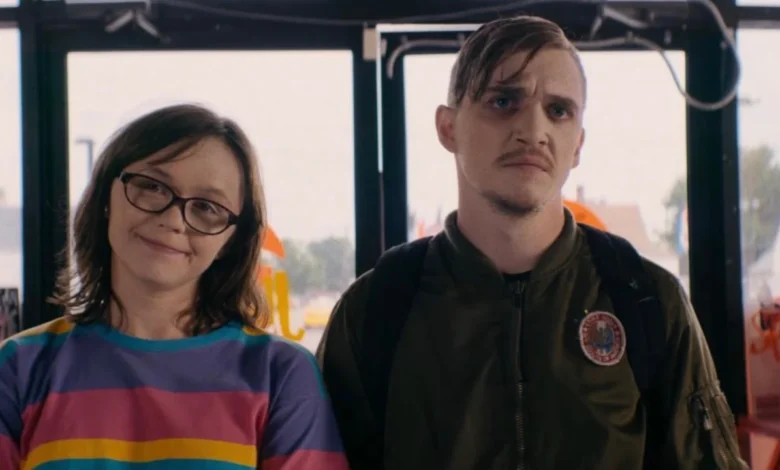
Dinner in America, directed by Adam Rehmeier, represents a departure from traditional independent drama by incorporating elements of punk rock, dark comedy, and satire. The plot follows Simon, an underground punk musician on the run from law enforcement, and Patty, a socially isolated young woman living in the Midwest.
Contextualizing Misfit Narratives
The film utilizes the "road trip" archetype to explore themes of social alienation and cultural non-conformity. By juxtaposing the aggressive, anti-establishment persona of the punk subculture with the stifling environment of suburban America, Rehmeier critiques the homogeneity of small-town life. The film’s success relies on the chemistry between Kyle Gallner and Emily Skeggs, whose characters represent two sides of the same coin: the overt rebel and the suppressed outcast.
Cinematic Analysis
With an IMDb rating of 7.5/10 and a 91% rating on Rotten Tomatoes, the film has been praised for its refusal to adhere to the tropes of traditional romantic comedies. It does not offer a sanitized version of love; instead, it presents a connection forged through shared trauma and mutual misunderstanding of societal expectations. From a distribution standpoint, Dinner in America highlights how niche, "edgy" content often finds its most loyal base on free platforms, where discovery algorithms are less focused on high-budget tentpoles and more on user engagement with specific genres.
Mommy: Visual Language and Domestic Tensions
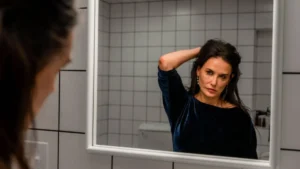
Xavier Dolan’s 2014 film, Mommy, stands as a seminal work in Canadian cinema, having won the Jury Prize at the Cannes Film Festival. The narrative centers on a widowed mother, Diane, and her teenage son, Steve, who suffers from ADHD and severe behavioral issues.
The Significance of Aspect Ratio
Dolan’s directorial choice to film the majority of the movie in a 1:1 square aspect ratio is a defining feature of the work. This choice serves as a visual metaphor for the characters’ lives: they are boxed in by their socioeconomic status, the legal system, and their internal struggles. The rare moments of liberation within the film are marked by the screen expanding to a standard widescreen format, offering a literal and figurative sense of relief. This technique is a profound example of how cinematography can communicate psychological state without the need for exposition.
Broader Societal Implications
Mommy addresses the intersection of mental health, parenting, and state intervention. By depicting the strain placed on a low-income single mother, the film provides a critique of systemic failures in youth mental health care. The performances by Anne Dorval, Antoine Olivier Pilon, and Suzanne Clément have been lauded for their raw intensity, capturing the cycles of love, anger, and dependency that define the family unit.
The Role of Free Streaming in Media Consumption
The continued success of these films on free streaming platforms is indicative of a larger trend in media consumption. For many viewers, the barrier to entry for "prestige" or "challenging" cinema is the cost of subscription. By removing that barrier, services like Tubi and Plex are essentially acting as digital cinematheques.
Analyzing the Data
When examining the popularity of films like Mass or Mommy on these platforms, it is clear that audiences are increasingly seeking out high-quality, character-driven dramas that challenge the status quo. Industry analysts suggest that the rise of ad-supported platforms provides a necessary lifeline for films that might have underperformed at the box office due to lack of marketing budgets or limited theatrical releases. This shift in distribution model effectively democratizes access to critically acclaimed art, ensuring that films with profound social messaging are not lost to the history of streaming algorithms.
Looking Ahead
The availability of such films for free is not merely a convenience for the consumer; it is an important cultural development. As the film industry continues to consolidate around major intellectual properties and franchises, the existence of a robust, free library of independent and international cinema is essential for maintaining a diverse media diet. Whether it is the quiet, devastating dialogue of Mass, the chaotic rebellion of Dinner in America, or the claustrophobic intimacy of Mommy, these films provide evidence that powerful, thought-provoking storytelling continues to thrive in the digital age.
In summary, for viewers interested in exploring the breadth of contemporary cinema, these three titles represent the pinnacle of what is currently available at no cost. They offer not just entertainment, but a window into the human experience through varied lenses of grief, rebellion, and familial struggle. As the streaming landscape continues to evolve, the importance of these free platforms in preserving and promoting such cinematic works cannot be overstated. By engaging with these narratives, audiences contribute to the continued viability of independent filmmaking, ensuring that stories that matter continue to find their way to the screen.