Apple Restructures iOS 28 Development Process to Grant Software Engineers Extended Coding and Exploration Windows

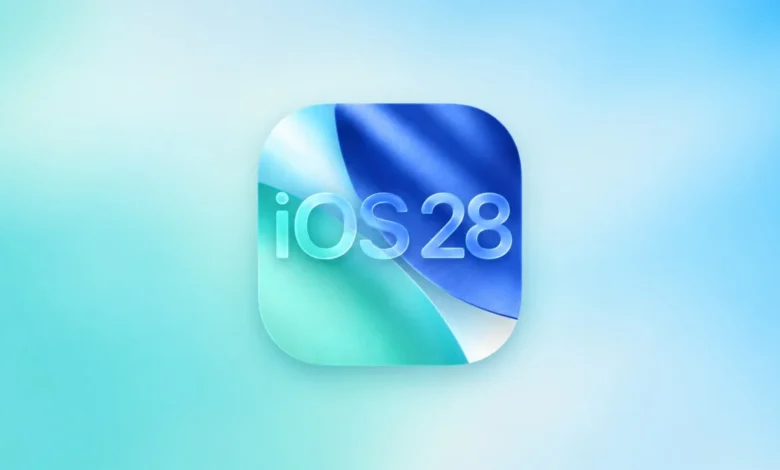
Apple has implemented a notable internal restructuring of its software engineering pipeline, modifying how it builds foundational operating systems including iOS 28, macOS 28, and their corresponding ecosystem updates. According to reports from industry insiders, the technology giant has altered its traditional timeline for feature integration and coding cycles. This structural shift, first brought to light by prominent supply chain and product tracker Mark Gurman in his weekly Power On newsletter, marks a departure from a rigid temporal formula that has governed Apple’s annual software development cycles for years.
By adjusting the delicate balance between open-ended creation and stabilization phases, the corporation appears to be responding to mounting internal and external pressures to deliver more innovative features. These updates must contend with increasingly complex artificial intelligence frameworks, multi-device continuity demands, and consumer expectations for stability. The modification suggests a strategic pivot in how Apple manages engineering human resources, balancing the need for rigorous quality assurance with the freedom required to incubate next-generation software capabilities.
Main Facts of the Procedural Shift
Under the newly implemented framework, the initial phase of the development lifecycle for iOS 28 and parallel operating systems underwent a distinct temporal reallocation. Historically, Apple has structured the development of each year’s software updates into three distinct, standardized blocks. Each block traditionally consisted of four weeks of dedicated coding, exploration, and feature drafting, immediately followed by a four-week "convergence" period.
During the convergence window, engineering teams halt the introduction of brand-new, unvetted features and focus entirely on merging disparate codebases, squashing bugs, resolving performance bottlenecks, and stabilizing the software architecture to prepare for internal builds and eventual beta testing.
For the development cycle governing iOS 28, however, Apple altered this rhythm for the opening phase. Instead of adhering to the symmetrical four-week split, engineers were granted a six-week window dedicated exclusively to coding, exploration, and feature conceptualization. This was followed by a condensed, two-week convergence period.
The net result of this operational adjustment is an extended runway for developers to experiment with complex features—such as deeper artificial intelligence integrations, user interface overhauls, and backend system optimizations—without immediately bumping up against the hard architectural freezes enforced during convergence phases.
Initial feedback from within the walls of Apple Park has reportedly been positive. Employees operating under the revised schedule have expressed satisfaction with the extended exploration window. Software engineers have noted that having six continuous weeks of creative leeway allows for more thorough prototyping and risk-taking, reducing the pressure to prematurely lock down system parameters or discard ambitious architectural ideas due to arbitrary mid-cycle deadlines.
Historical Context and Development Chronology
To understand the significance of this procedural tweak, it is necessary to examine how Apple traditionally manages its relentless annual software release cadence. Since the inception of the iPhone App Store and the maturation of macOS, Apple has maintained a strict, predictable calendar. Major operating system updates are consistently previewed at the Worldwide Developers Conference (WWDC) in June, put through an extensive public and developer beta testing program throughout the summer, and rolled out globally to millions of compatible devices every September, usually alongside new hardware releases like the flagship iPhone lineup.
Maintaining this rigid annual cycle requires military-grade precision in project management. In the past, software executives including Craig Federighi, Apple’s Senior Vice President of Software Engineering, have had to enforce strict engineering "brakes" when software stability fell below acceptable thresholds. Most notably, this philosophy led to iOS 12, an update where Apple explicitly paused the introduction of major consumer-facing features to focus entirely on performance, reliability, and bug fixes across older and newer hardware alike.
The strict three-stage development model was originally designed to prevent "feature creep" and ensure that codebases remained manageable. By dividing the year into predictable chunks, project managers could isolate unstable code early, prevent systemic regressions, and ensure that QA teams had ample time to vet builds before they reached external eyes.
However, as operating systems have grown exponentially more complex—transitioning from simple mobile platforms to sophisticated distributed environments intertwined with machine learning models, ambient computing, and cross-platform hardware integrations like visionOS and iPadOS—the traditional four-week blocks began to show signs of strain. Engineers frequently found themselves forced to truncate ambitious development paths to meet the immovable deadline of the convergence window. The move to a six-week coding block for the foundational stage of iOS 28 represents a pragmatic acknowledgment that modern software engineering, particularly in the realm of advanced AI agents and neural processing, cannot always be neatly sliced into uniform calendar quadrants.
Supporting Data and Ecosystem Scale
The magnitude of Apple’s software development process cannot be overstated when viewed through the lens of active devices and global market footprint. Apple’s active installed base crossed the milestone of over 2.2 billion active devices globally, encompassing iPhones, iPads, Mac computers, Apple Watches, and Apple TVs.
Every iteration of iOS and macOS must deploy seamlessly across a staggering variety of hardware configurations, ranging from the latest silicon chips featuring advanced Neural Engines down to legacy hardware models supported under Apple’s multi-year device support lifecycle.
Within this massive infrastructure, software engineering teams must coordinate dependencies across hundreds of internal software frameworks, third-party developer APIs, strict privacy protocols, and localized regulatory requirements across dozens of international jurisdictions. A change to the foundational coding timeline affects thousands of engineers, quality assurance specialists, product managers, and design teams working across Apple’s Cupertino campus and international satellite engineering hubs.
While financial data and direct internal headcount allocations remain proprietary, industry analyst estimates suggest that Apple’s Research and Development (R&D) expenditures have climbed steadily, reaching over $30 billion annually, with a substantial portion dedicated to software architecture, operating system evolution, and machine learning infrastructure.
Analysis of Implications and Strategic Objectives
The decision to grant engineers more breathing room during the formative stages of iOS 28 carries several important strategic implications for Apple’s product roadmap and competitive positioning in the broader technology sector.
First and foremost, the shift reflects an industry-wide reckoning with the demands of artificial intelligence development. In recent years, consumer technology has pivoted heavily toward ambient intelligence, autonomous agents, and large language model (LLM) integrations. Apple’s own initiatives—such as Apple Intelligence and ongoing explorations into turning digital assistants like Siri into proactive, context-aware agents—require exploratory coding phases that do not conform to traditional software paradigms. Machine learning models require iterative training, testing, and structural experimentation that benefit immensely from longer, uninterrupted development blocks. By expanding the initial coding window from four weeks to six, Apple is actively insulating its AI and foundational engineering teams from premature structural freezes, allowing them to refine complex intelligent features before integrating them into the broader operating system.
Second, the procedural change addresses internal developer morale and retention. In an intensely competitive technology labor market where top-tier engineering talent is heavily courted by rival firms, AI startups, and cloud computing giants, burnout is a persistent risk. Rigid, unforgiving project deadlines have historically contributed to high-pressure environments within consumer electronics development. By listening to employee feedback and offering a more flexible, exploration-friendly early cycle, Apple demonstrates a willingness to adapt its corporate engineering culture to foster creativity rather than mere compliance with a calendar.
Finally, the recalibration of the development pipeline may yield tangible benefits for end-users in terms of software quality and feature polish. While a shorter convergence period (two weeks instead of four) might sound concerning to traditional QA purists, the logic underpinning the change is that higher-quality, more thoroughly thought-out code emerging from a robust six-week creative phase will require less emergency firefighting during convergence. If engineers have adequate time to explore and vet ideas properly before they are locked into the build, the downstream integration process can theoretically proceed with fewer structural regressions.
Future Outlook and Anticipated Timeline
As Apple charts the course toward the public unveiling of iOS 28, the engineering modifications enacted during this latest development cycle will be put to the ultimate test. While Mark Gurman’s reporting did not outline specific consumer-facing features slated for the upcoming operating system generation, the foundational groundwork being laid under the new six-week coding framework will dictate the capabilities of Apple’s devices for years to come.
According to standard historical precedent, the fruits of this revised development process will be revealed to the public and the global developer community in June, when Apple traditionally hosts its annual Worldwide Developers Conference to showcase early beta builds of iOS 28, macOS 28, and companion software platforms. Following an intensive summer testing period characterized by iterative developer and public betas, the final software packages are anticipated to achieve General Availability (GA) in September, arriving alongside the next generation of flagship Apple hardware.
Whether this procedural evolution successfully delivers a more stable, feature-rich, and intelligently integrated software ecosystem remains to be seen, but it undeniably signals a proactive willingness within Apple to modernize its internal engineering machinery to meet the demands of a changing technological landscape.
Related posts: