Apple Set to Launch iOS 27 and macOS Golden Gate on Monday Along with Major AI Upgrades and New Hardware Ecosystem Rollouts

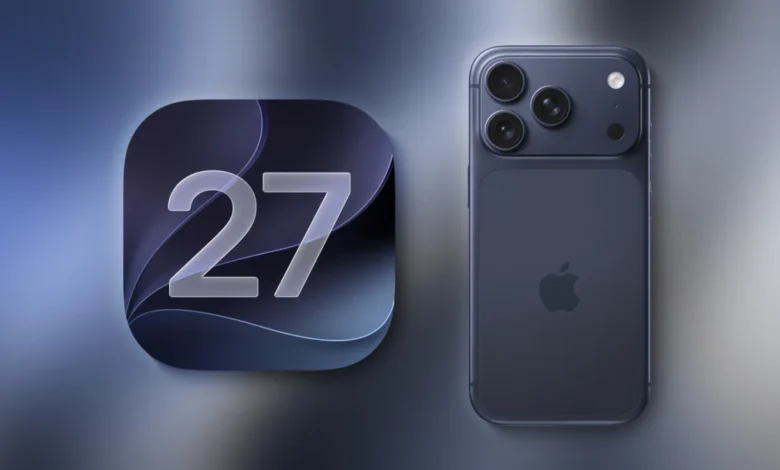
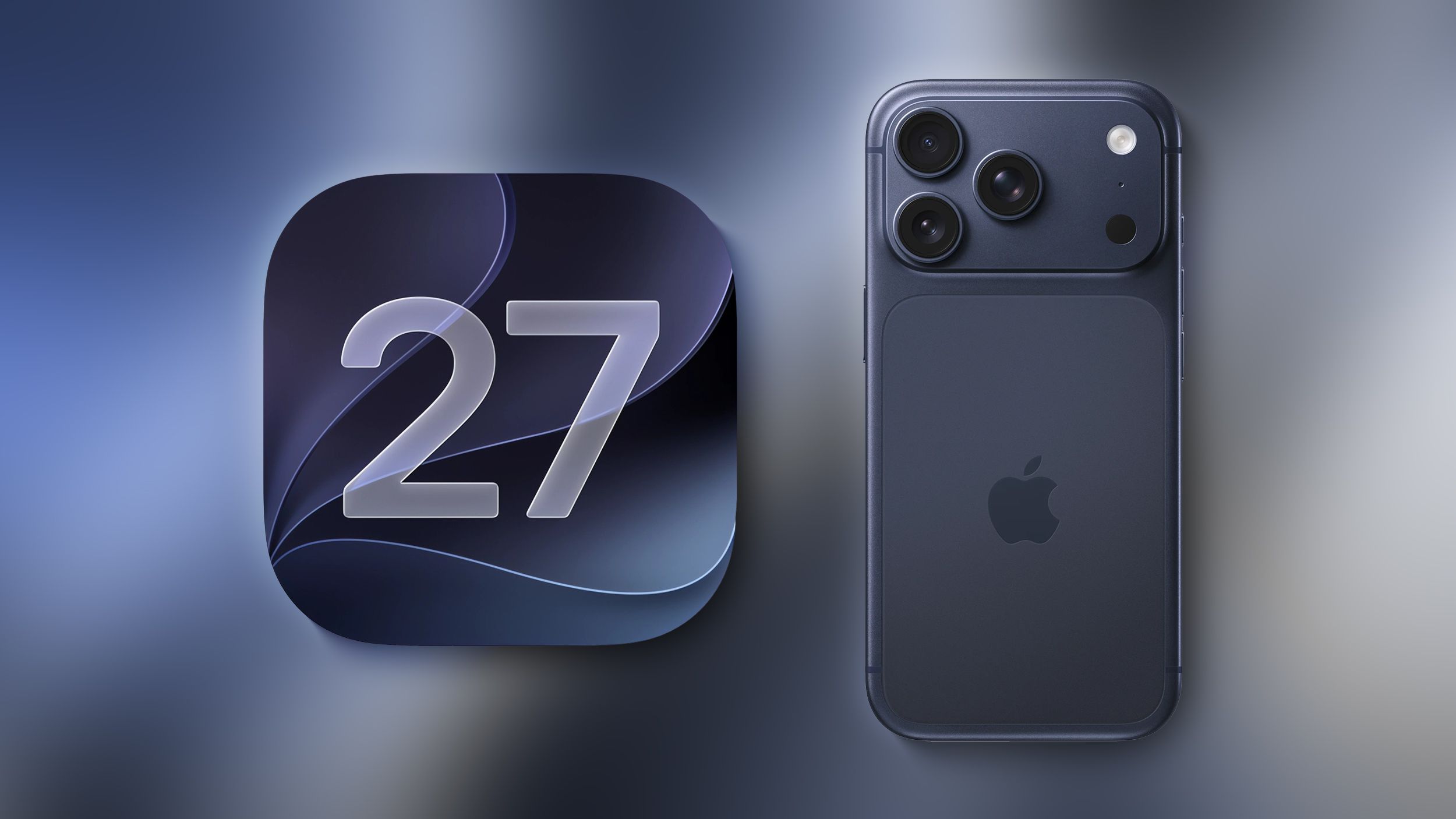
Apple Inc. is preparing for one of its most significant software distribution days of the year, scheduled to release iOS 27 to the global public on Monday, September 14, 2026. Unveiled initially at the company’s high-profile hardware and product event last Wednesday—where executives showcased the new iPhone 18 Pro, AirPods 5, and Apple Watch Series 12—the upcoming mobile operating system represents the culmination of months of beta testing. Alongside iOS 27, Apple will simultaneously release the broader OS 27 family of software updates, including macOS Golden Gate and iPadOS 27, bringing a cohesive ecosystem-wide refresh to millions of compatible devices worldwide.
The centerpiece of the iOS 27 release is the rollout of vastly more advanced, context-aware Siri artificial intelligence capabilities. Originally previewed during the Worldwide Developers Conference (WWDC) in June 2026, these next-generation AI functionalities have spent the summer undergoing rigorous evaluation through developer and public beta programs. Industry analysts and consumers alike have eagerly anticipated the official public deployment, which aims to redefine how users interact with their mobile devices through deeper cross-app integration, predictive task execution, and more conversational, natural language processing.
Expected Launch Timing and Global Time Zone Rollouts
Historically, Apple releases its major software updates at a standardized time from its Cupertino headquarters. Based on patterns from previous years and international regional website updates, iOS 27 is expected to drop at approximately 10:00 a.m. Pacific Time (1:00 p.m. Eastern Time) on Monday, September 14.
Evidence for this precise release window is reflected on Apple’s regional web portals. While Apple’s country pages for India designate a September 14 launch to align with their local afternoon and evening schedules, pages for Singapore, Hong Kong, and other regional markets list the release date as Tuesday, September 15. This variation accounts for time zone differences where 10:00 a.m. Pacific Time on Monday corresponds to the early morning hours of Tuesday in parts of Asia.
To help users globally prepare for the rollout, international time zone conversions point to a synchronized global release window. However, technology experts consistently advise consumers to anticipate potential minor delays. As Apple’s distribution servers ready themselves to handle an unprecedented wave of simultaneous download requests from all corners of the globe, the exact moment the notification appears in a user’s settings menu can occasionally fluctuate by a few minutes.
Step-by-Step Guide to Updating Safely
As millions of users prepare to download iOS 27, technology specialists recommend adhering to standard best practices to ensure a seamless upgrade process without data loss or interrupted installations.
Users should begin by backing up their device via iCloud or by connecting it to a Mac or PC. Ensuring a complete, up-to-date backup protects personal photos, messages, app data, and settings in the rare event of an unforeseen system error during the upgrade procedure. Additionally, devices should be fully charged or connected to a reliable power source, and connected to a stable high-speed Wi-Fi network.
To initiate the over-the-air update manually once it goes live, users can navigate to Settings, select General, and tap Software Update. The device will query Apple’s servers and display the iOS 27 package once it becomes available for the specific device model. For those who prefer a passive approach, the update will typically download and install overnight if the iPhone is connected to power and locked.
Managing Server Congestion and Download Delays
A recurring phenomenon accompanying every major Apple software release is server congestion. During the initial hours following the rollout of iOS 27 and iPadOS 27, millions of devices attempting to download gigabytes of data simultaneously can heavily strain Apple’s content delivery network (CDN) infrastructure.
This massive surge in network traffic frequently results in sluggish performance, protracted download times, error messages stating that the update cannot be verified, or temporary delays in the appearance of the update prompt within the settings menu. While these issues are standard infrastructure hurdles rather than permanent bugs, they can cause frustration for eager users attempting to secure the software immediately.
For consumers who wish to bypass the initial congestion window, industry analysts recommend waiting 24 to 48 hours before initiating the installation. Delaying the upgrade allows peak server demand to subside, ensuring significantly faster download speeds and a smoother, more reliable installation experience. Furthermore, waiting a brief period provides an opportunity for early adopters to flag any immediate compatibility snags or niche software conflicts.
Ecosystem Expansion: macOS Golden Gate and iPadOS 27
While iOS 27 commands the lion’s share of consumer attention, Monday’s software drop is a multi-platform event. Apple is simultaneously pushing out iPadOS 27 and macOS Golden Gate, unifying the user experience across tablets and desktop computers.
macOS Golden Gate introduces its own suite of performance optimizations, security enhancements, and design refinements designed to harmonize seamlessly with the new AI-driven architecture present in iOS 27. Continuity features between iOS, iPadOS, and macOS have received deep architectural upgrades, allowing for faster device handoffs, improved clipboard syncing, and more robust cross-device productivity tools.
New Features and Carrier Integration: The iPhone Handoff Dilemma
Beyond artificial intelligence, iOS 27 introduces several heavily discussed functional additions, most notably the newly minted "iPhone Handoff" feature. Initially teased during the WWDC 2026 keynote via a comprehensive summary slide, Apple subsequently confirmed that the capability allows a single phone number to be actively shared and utilized across two separate iPhones.
This functionality is designed for professionals and power users who alternate between different devices—such as a rugged phone for outdoor use and a compact model for professional settings—without the hassle of physical SIM card swaps or missed calls.
However, the rollout of iPhone Handoff has sparked considerable debate regarding carrier implementation and pricing models. Because the feature relies on advanced eSIM provisioning and direct carrier-side integration, availability is initially restricted. At launch, only T-Mobile in the United States and Deutsche Telekom in Germany are supporting the service. Furthermore, T-Mobile has announced that it will levy a monthly recurring charge of $5 for customers wishing to utilize the iPhone Handoff feature on their networks. This monetization strategy has drawn scrutiny from consumer advocacy groups and technology commentators, who question whether supplementary carrier fees will hinder broader adoption of an otherwise innovative ecosystem capability.
Broader Industry Implications and Market Impact
The release of iOS 27 arrives at a critical juncture for the consumer technology sector, where artificial intelligence integration has become the primary battleground for smartphone dominance. By finally deploying its advanced Siri AI architecture to the hundreds of millions of active iPhones currently in circulation, Apple is making a definitive statement about the future of human-computer interaction.
Competitors in the Android ecosystem have spent the past two years heavily marketing generative AI tools, search integrations, and on-device machine learning assistants. Apple’s methodical approach—spending months in developer and public beta phases to prioritize data privacy, on-device processing capabilities, and tight hardware-software integration—will now face its ultimate test in the hands of the global consumer base.
Wall Street and tech industry analysts will be closely monitoring adoption rates, server stability metrics, and user reception of the new AI features over the coming weeks. A smooth rollout accompanied by positive reception could significantly accelerate upgrade cycles for the newly announced iPhone 18 lineup, while simultaneously breathing new life into legacy devices compatible with iOS 27. Conversely, any widespread software instability or friction regarding carrier-specific fees for features like iPhone Handoff could temper initial consumer enthusiasm.
As the countdown to Monday morning ticks away, millions of iPhone owners around the globe stand ready to upgrade, marking the official beginning of Apple’s next major software generation.