Apple Officially Unveils the iPhone 18 Pro and iPhone 18 Pro Max Alongside iOS 27 Release Date

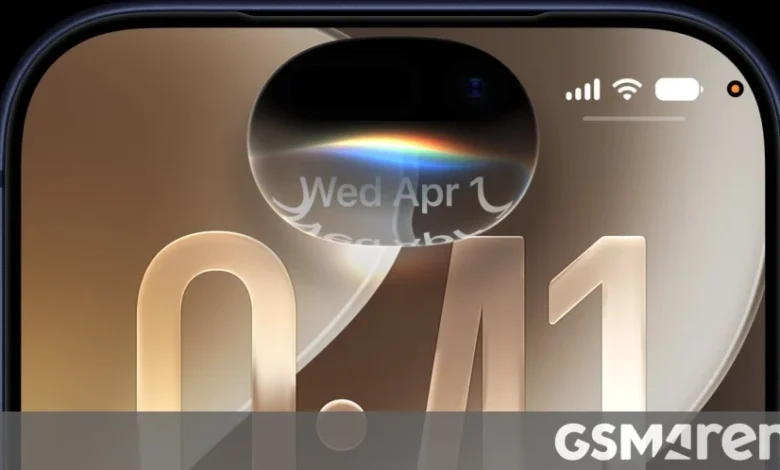
Apple has officially announced its next-generation flagship smartphones, the iPhone 18 Pro and the iPhone 18 Pro Max, during a highly anticipated hardware event at Apple Park in Cupertino, California. Alongside the introduction of the new hardware, the technology conglomerate confirmed the official rollout schedule for its latest suite of operating systems, led by iOS 27. The announcement brings an end to months of industry speculation and developer betas, setting a clear timeline for consumers, developers, and global enterprise partners as Apple prepares for the crucial autumn retail season.
According to the schedule detailed by Apple executives, the iPhone 18 Pro and iPhone 18 Pro Max will be available for pre-order starting Friday, September 12. Following the initial pre-order window, the devices will officially hit store shelves and arrive at the doorsteps of early buyers on Friday, September 18. Both flagship smartphones will ship out of the box running iOS 27, the company’s latest mobile operating system, which was first previewed to the public at the Worldwide Developers Conference (WWDC) back in June. Since its initial developer preview, iOS 27 has undergone a rigorous, months-long beta testing phase designed to optimize performance, enhance security protocols, and refine the user interface.
The Global Software Rollout Schedule
While the new hardware will land in consumers’ hands on September 18, current owners of eligible legacy iPhone models will not have to wait quite as long to experience the latest software. Apple has confirmed that the stable, public-ready version of iOS 27 will be released globally on Monday, September 14. This timeline follows Apple’s traditional software release cadence, which typically sees the major annual operating system update deploy a few days prior to the physical availability of the newest hardware generation.
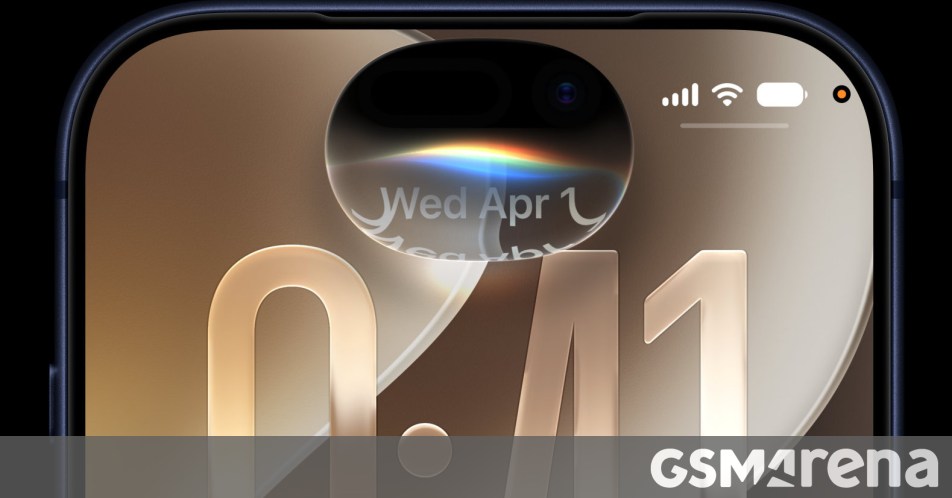
In alignment with the iOS 27 release, Apple has confirmed that the entire ecosystem of flagship operating systems will launch simultaneously on Monday, September 14. This synchronized deployment includes iPadOS 27 for compatible iPad models, watchOS 27 for Apple Watch devices, tvOS 27 for Apple TV, and macOS 27 for the Mac product lineup. This unified ecosystem update ensures that continuity features, cross-platform applications, and shared security frameworks function seamlessly across all user devices from day one.
Deep Dive Into iOS 27 and the New Siri AI Integration
The cornerstone of the iOS 27 release is the introduction of a deeply revamped and artificially intelligent iteration of Siri. Building upon previous machine learning foundations, the updated Siri AI system leverages advanced large language models running both on-device and through Apple’s secure cloud infrastructure, known as Private Cloud Compute. This integration aims to provide users with more natural conversational abilities, enhanced cross-app navigation, and proactive contextual awareness that anticipates user needs based on daily routines, communication patterns, and device usage.
However, regulatory complexities have necessitated a regional exception regarding the deployment of these advanced AI capabilities. Apple has confirmed that the new Siri AI features will not be available upon launch in the European Union and China. This restriction stems from distinct regulatory frameworks within these jurisdictions, specifically concerning data privacy compliance, anti-trust scrutiny regarding proprietary AI ecosystems, and local approval processes for generative artificial intelligence models. Users in these regions will receive the standard iOS 27 performance enhancements, design updates, and security patches, but the advanced Siri AI integration will remain dormant pending regulatory navigation and compliance adjustments.
Beyond the headline-grabbing AI developments, iOS 27 brings a comprehensive array of functional enhancements, visual refinements, and productivity tools. These additions include redesigned notification management systems, deeper customization options for the home screen and lock screen, enhanced messaging protocols supporting advanced RCS integration, and robust privacy dashboard updates. Detailed breakdowns of these features highlight Apple’s ongoing commitment to user control and system transparency, ensuring that users across the global consumer base benefit from the operating system upgrade, regardless of regional AI limitations.
Chronology of the 2026 Product Lifecycle
The path to the September 18 hardware release and the September 14 software deployment has been meticulously mapped out across several distinct operational phases over the past year. Understanding this timeline provides valuable context regarding Apple’s engineering milestones and supply chain logistics:
- June: Apple formally unveils iOS 27, iPadOS 27, watchOS 27, tvOS 27, and macOS 27 during the annual Worldwide Developers Conference (WWDC), releasing the initial developer beta builds immediately following the keynote presentation.
- July: Public beta testing programs commence, allowing registered non-developer users to test early builds, report bugs, and provide qualitative feedback to Apple’s engineering teams.
- Early September: Final release candidate (RC) builds are distributed to developers and beta testers for final stability checks and compatibility testing.
- September 14: The stable, public versions of iOS 27, iPadOS 27, watchOS 27, tvOS 27, and macOS 27 become available as over-the-air updates for all eligible devices worldwide.
- September 12: Pre-orders for the newly announced iPhone 18 Pro and iPhone 18 Pro Max officially open across global markets.
- September 18: Official retail launch and customer delivery date for the iPhone 18 Pro and iPhone 18 Pro Max, with devices shipping pre-installed with iOS 27.
Industry Implications and Market Analysis
The simultaneous introduction of the iPhone 18 Pro series and the sweeping iOS 27 software update represents a critical juncture for Apple’s fiscal year. As consumer smartphone upgrade cycles continue to lengthen across mature markets in North America, Europe, and Asia, original equipment manufacturers are under increasing pressure to deliver compelling hardware differentiators paired with transformative software experiences.
Financial analysts note that the inclusion of advanced artificial intelligence capabilities—where permitted by regional regulation—serves as the primary catalyst for driving consumer upgrades to the iPhone 18 Pro and Pro Max. The neural engines housed within the newly developed A-series silicon powering these devices are specifically architected to handle complex on-device machine learning tasks, ensuring that users experience minimal latency and maximum data security.
At the same time, the fragmented rollout of the Siri AI features highlights the growing operational challenges multinational technology companies face in a increasingly fractured global regulatory landscape. Navigating compliance in the European Union under the Digital Markets Act (DMA) and managing strict generative AI oversight in China requires a delicate balance between rapid technological innovation and regional regulatory adherence. Apple’s decision to proceed with the global software launch while exempting specific regions from the AI suite demonstrates a pragmatic approach to international market entry.
Furthermore, the simultaneous release of macOS 27, watchOS 27, and iPadOS 27 on September 14 reinforces Apple’s strategic emphasis on ecosystem lock-in and seamless cross-device interoperability. By ensuring that legacy devices receive critical security updates and non-AI feature parity on the exact same day the new operating systems debut, Apple maintains high levels of customer retention and brand loyalty across its installed base, which currently exceeds two billion active devices globally.
As the pre-order window opens on September 12 and the software deployment follows on September 14, market watchers will closely monitor initial demand metrics, supply chain delivery estimates, and early consumer reception to gauge the trajectory of Apple’s flagship product line for the remainder of the year.