Meta Readies Camera-Free Smart Glasses Code-Named Luna to Address Mounting Privacy Concerns


Meta Platforms is reportedly expanding its wearable technology footprint by developing a new category of smart glasses entirely devoid of cameras, a strategic pivot designed to navigate the intense public scrutiny and privacy apprehensions that have continuously dogged the industry. According to industry reports from reliable insider sources, this upcoming line of hardware—internally designated under the code name "Luna"—could begin shipping to consumers as early as next month, with a formal unveiling anticipated at the upcoming Meta Connect developer conference.
The introduction of a camera-free alternative marks a distinct divergence from Meta’s prevailing hardware strategy, which has historically prioritized media capture capabilities. While smart glasses have steadily gained traction among early adopters and tech enthusiasts, they have simultaneously catalyzed fierce debates regarding public surveillance, data privacy, and unauthorized recording. By stripping away the optical sensors that have made camera-equipped frames a lightning rod for controversy, Meta aims to court a more risk-averse consumer base while cementing its ecosystem dominance in the conversational artificial intelligence space.
Background Context and the Evolution of Smart Glasses
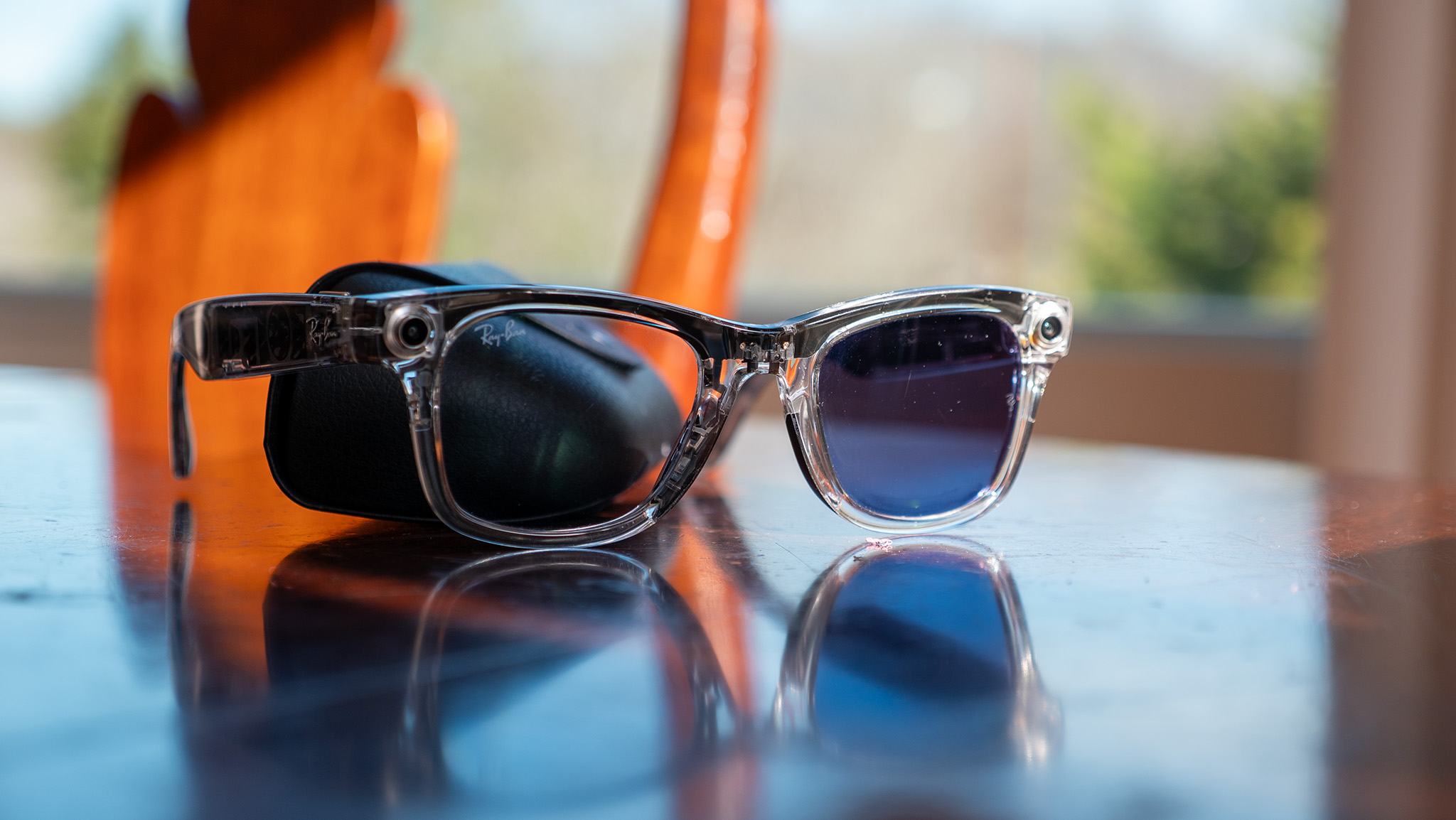
Over the past several years, smart glasses have transitioned from a futuristic sci-fi concept into a viable, mainstream consumer product category. Meta’s prior collaborations with eyewear giant EssilorLuxottica, resulting in popular iterations of Ray-Ban Meta Smart Glasses, demonstrated that consumers are indeed willing to wear connected facial hardware if the design closely mimics conventional fashion. These existing models heavily leverage integrated cameras and microphones to capture photographs, record high-definition video, stream live content, and interface directly with multimodal artificial intelligence.
However, these integrated optical capabilities have inevitably invited regulatory attention and widespread social friction. Bystanders have grown increasingly wary of continuous, unannounced recording in public spaces, private venues, and professional environments. In response to mounting complaints, Meta has implemented various software safeguards, attempting to prevent users from tampering with the physical capture LED indicator light or deliberately shielding the lens during recording. Despite these technical mitigations, the cultural stigma and privacy-related anxieties surrounding camera-equipped eyewear have persisted, creating a distinct market barrier for millions of potential buyers who appreciate hands-free computing and voice assistants but recoil at the prospect of being tracked or inadvertently filmed by others.
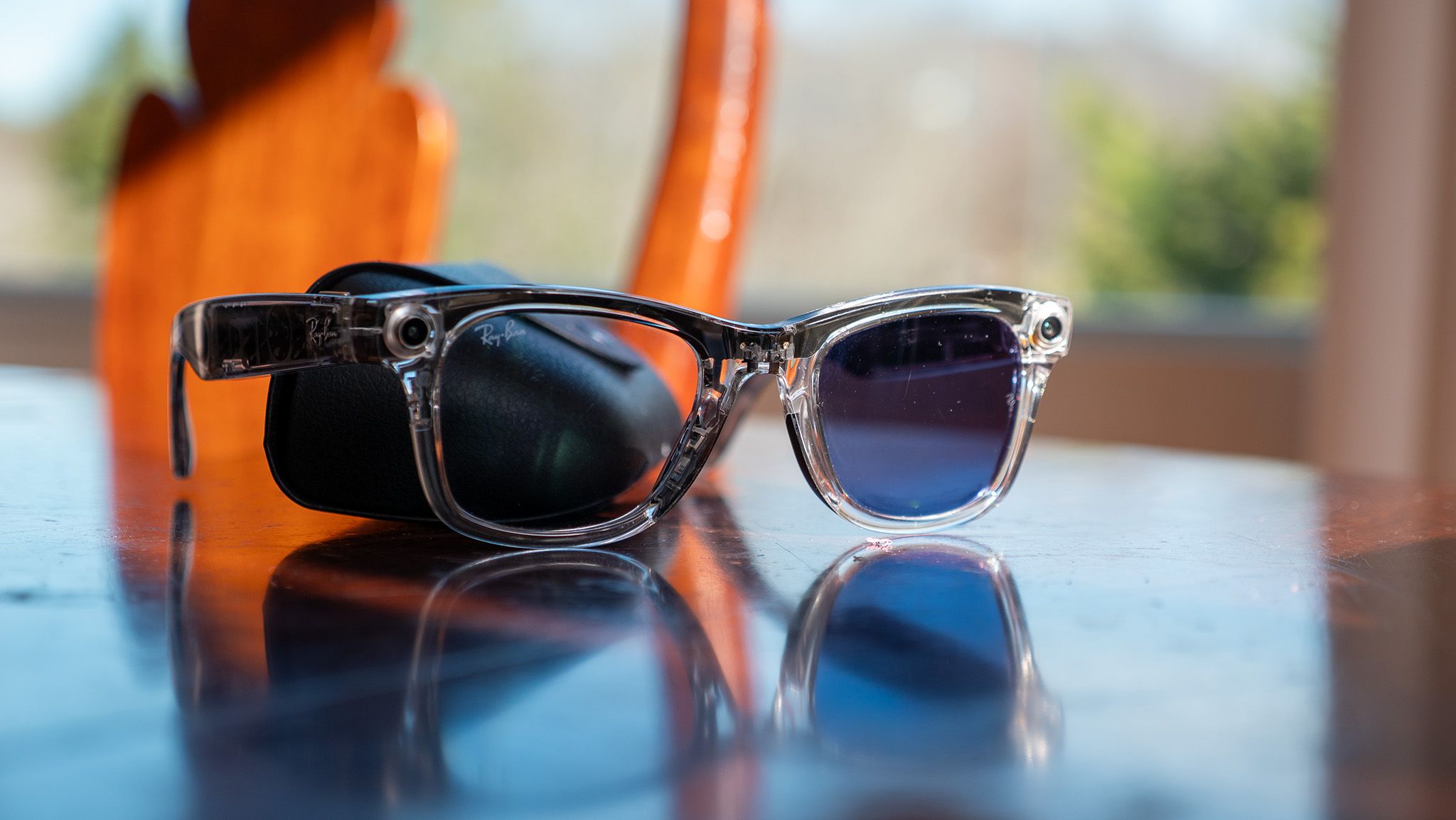
Recognizing this market segmentation, Meta’s engineering and product design teams appear to have conceptualized the Luna lineup as a middle ground. By removing the camera module entirely, the company eliminates the primary driver of public surveillance anxiety while retaining the advanced acoustic and processing architecture necessary for robust, voice-first AI interactions.
Hardware Specifications and Design Philosophy
Industry leaks indicate that the Luna smart glasses will place a heavy emphasis on audio fidelity and voice-activated utility rather than visual documentation. The device is expected to house an array of six distinct microphones alongside six dedicated directional speakers positioned to direct sound cleanly toward the wearer’s ears. This sophisticated acoustic hardware configuration is engineered to facilitate seamless, natural conversations with Meta AI, allowing users to execute queries, dictate messages, receive contextual translations, and manage daily tasks entirely hands-free without needing to extract a smartphone from their pocket or bag.
Furthermore, Luna is expected to retain a dedicated physical button on the frame, preserving a tactile shortcut for instant invocation of the Meta AI assistant.
From an aesthetic and ergonomic perspective, the exclusion of heavy camera sensors, image processing chips, and associated thermal management components yields significant physical advantages. The Luna frames are reportedly substantially slimmer and lighter than their camera-equipped predecessors, mirroring the weight distribution, profile, and visual subtlety of traditional designer eyewear. Meta plans to roll out the Luna series in at least two distinct silhouette designs, provisionally known as Clubmaster and Burbank, ensuring that consumers can select frames that align with their personal style preferences without broadcasting that they are wearing advanced computing hardware.
Timeline, Unveiling, and Immediate Roadmap
The rollout timeline for Meta’s new wearable hardware initiatives highlights an aggressive corporate strategy aimed at capturing market share ahead of the critical holiday shopping season.
- Mid-September (Imminent): Meta Connect developer conference, where chief executives and product leads are widely expected to officially showcase the Luna smart glasses and outline their core feature sets.
- October: Projected commencement of initial shipments and retail availability for the camera-free Luna frames.
- 2027 and Beyond: Long-term maturation of Meta’s broader optical roadmap, including sophisticated augmented reality display projects currently tracked under internal names like Phoenix.
While Luna represents an immediate, pragmatic response to current consumer sentiments, it exists alongside more ambitious, long-range hardware experiments. Reports indicate that Meta is concurrently advancing development on dedicated augmented reality (AR) glasses code-named Phoenix. Unlike audio-centric or simple HUD-based wearables, the Phoenix project is envisioned as a comprehensive spatial computing platform capable of projecting virtual workspaces, holographic communication interfaces, and large-scale virtual movie screens directly into the user’s field of view. However, industry insiders note that true AR consumer readiness remains years away, with mass-market releases for Phoenix projected for sometime around 2027.
Broader Industry Impact and Market Implications
The decision by a major technology conglomerate to deliberately strip cameras out of a flagship smart glasses line carries significant strategic implications for the entire wearables sector.
For competitors operating in the smart eyewear ecosystem—such as Amazon, Apple, and Google, alongside traditional optical manufacturers—Meta’s pivot underscores a vital truth: consumer acceptance of facial technology hinges heavily on social comfort and perceived non-intrusiveness. By offering a product that delivers the convenience of an onboard conversational assistant without the existential dread of pervasive surveillance, Meta may successfully onboard a demographic cohort that has historically rejected wearable tech out of hand.
From an economic perspective, diversifying the smart glasses portfolio mitigates regulatory exposure. As global legislative bodies increasingly scrutinize biometric data collection, facial recognition, and private recording in public spaces, a camera-free wearable largely bypasses many of the most contentious legal hurdles. This positions Meta to scale its hardware deployment with fewer compliance roadblocks across various international jurisdictions.
Ultimately, the commercial reception of the Luna series will serve as an empirical test of whether consumers primarily desire visual capture tools or merely seek unobtrusive, voice-driven AI companions integrated into their daily wardrobes. If successful, the camera-free smart glasses category could redefine the baseline expectations for everyday wearable computing in the late 2020s.