Apple Enters the Foldable Market With the iPhone Duo: How It Compares to the iPhone 18 Pro Max

Apple has officially entered the foldable smartphone market with the introduction of the iPhone Duo, marking a monumental shift in the company’s hardware strategy. Designed to function as a compact 5.4-inch smartphone when closed and a sprawling 7.6-inch tablet when opened, the Duo seeks to redefine multitasking and mobile form factors. However, while the device introduces a groundbreaking design for the Cupertino-based tech giant, a side-by-side comparison with the standard iPhone 18 Pro and Pro Max reveals that the foldable pioneer makes several notable compromises. Despite its innovative multi-mode capabilities, the iPhone Duo lacks five key features found in Apple’s flagship candy-bar models—most notably in camera technology, biometric security, and physical customization options.
The Evolution of Apple’s Form Factor Strategy: A Historical Context

To understand the significance of the iPhone Duo, one must look back at Apple’s deliberate, measured approach to hardware evolution. For years, industry analysts and consumers speculated when Apple would counter the growing foldable ecosystem established by competitors like Samsung, Google, and OnePlus. While rivals iterated through multiple generations of book-style and flip foldables—culminating in devices like the Samsung Galaxy Z Fold 8—Apple maintained a strict focus on traditional slab form factors, perfecting hinge durability, display creases, and internal thermal management behind closed doors.
The launch of the iPhone Duo signifies that Apple believes foldable technology has finally reached the threshold of mainstream consumer reliability and performance standards. By combining a pocket-friendly outer screen with a massive internal canvas, Apple is targeting power users, professionals, and media consumption enthusiasts. Yet, the engineering constraints inherent in designing a folding chassis have forced the company to make strategic hardware omissions, positioning the iPhone 18 Pro Max as the undisputed powerhouse for raw capabilities, particularly in computational photography and professional-grade controls.
Biometric Security: The Return of Touch ID in a Face ID Era

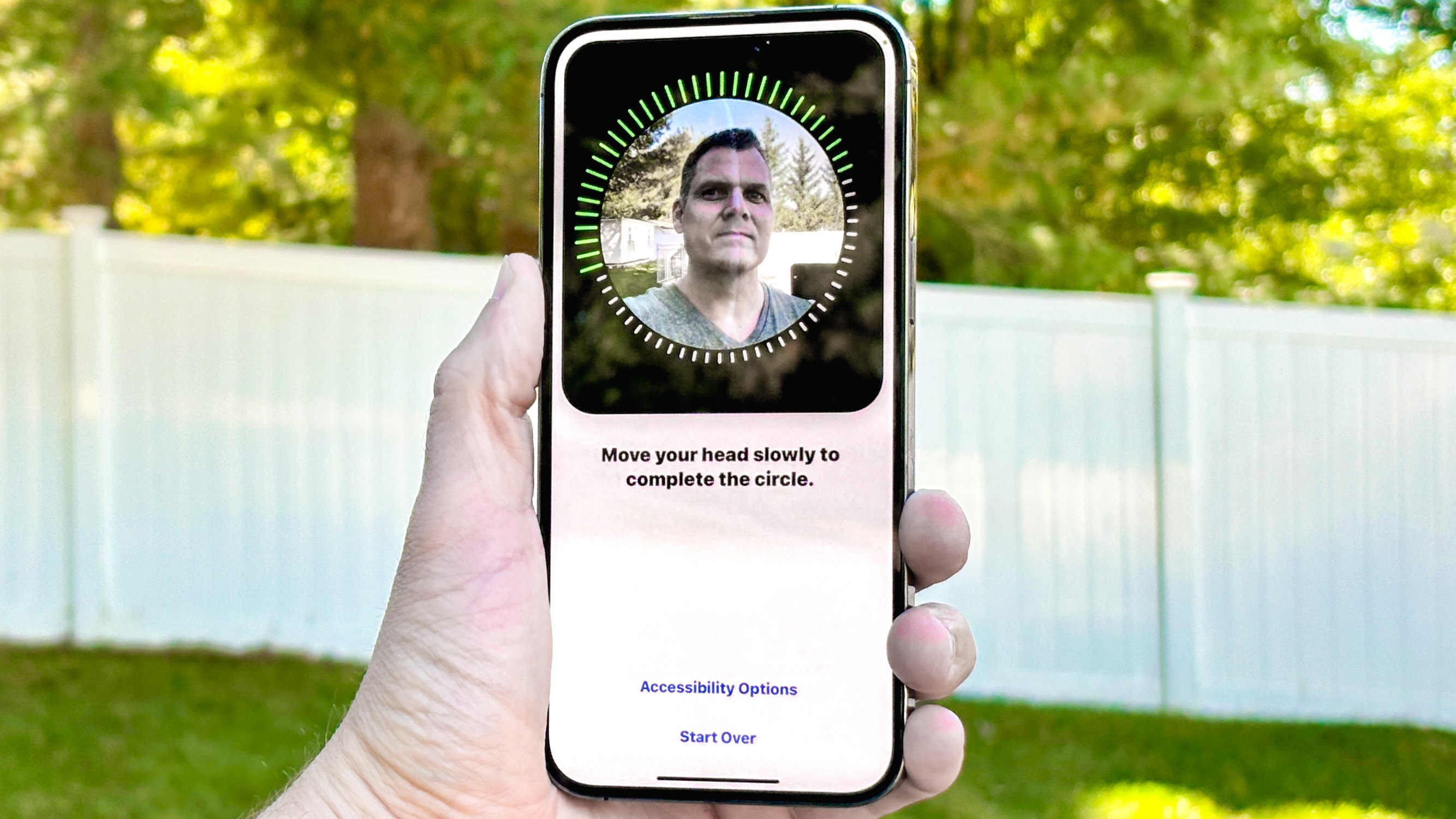
One of the most surprising deviations on the iPhone Duo is the absence of Face ID, Apple’s gold standard for facial recognition since its debut on the iPhone X in 2017. Instead of housing the TrueDepth camera array within the inner display notch or punch-hole cutout, Apple has opted to reintroduce Touch ID, embedding the biometric fingerprint sensor directly into the side power button.
This design choice has sparked considerable debate among industry observers. Competitors such as the Samsung Galaxy Z Fold 8 have successfully integrated sophisticated face-unlock mechanisms alongside under-display or side-mounted fingerprint sensors, offering users dual authentication methods. Apple has not publicly detailed the specific engineering hurdles that led to the exclusion of Face ID on the Duo, but space constraints within the ultra-thin folding halves and the complexity of routing sensor cables through a dynamic hinge are widely believed to be primary factors. For longtime ecosystem users accustomed to glancing at their screens to unlock banking apps, authorize Apple Pay, and sign into secure portals, transitioning back to a physical button press represents a distinct user-experience shift.
The Camera Gap: Why the Duo Lacks a Telephoto Lens and Advanced Optics
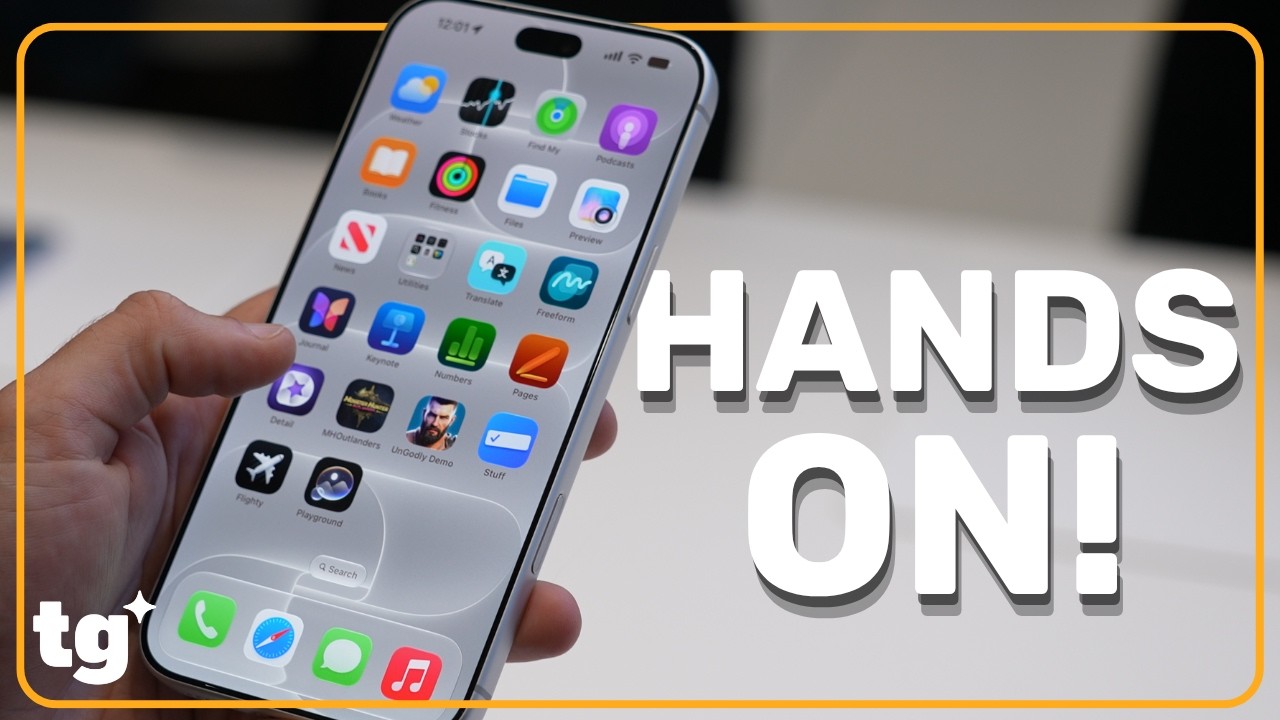
While the iPhone Duo excels in versatility, its imaging hardware falls short of the bleeding-edge capabilities packed into the iPhone 18 Pro and Pro Max. A comprehensive examination of the camera arrays highlights a widening gap between Apple’s standard flagships and its new folding category.
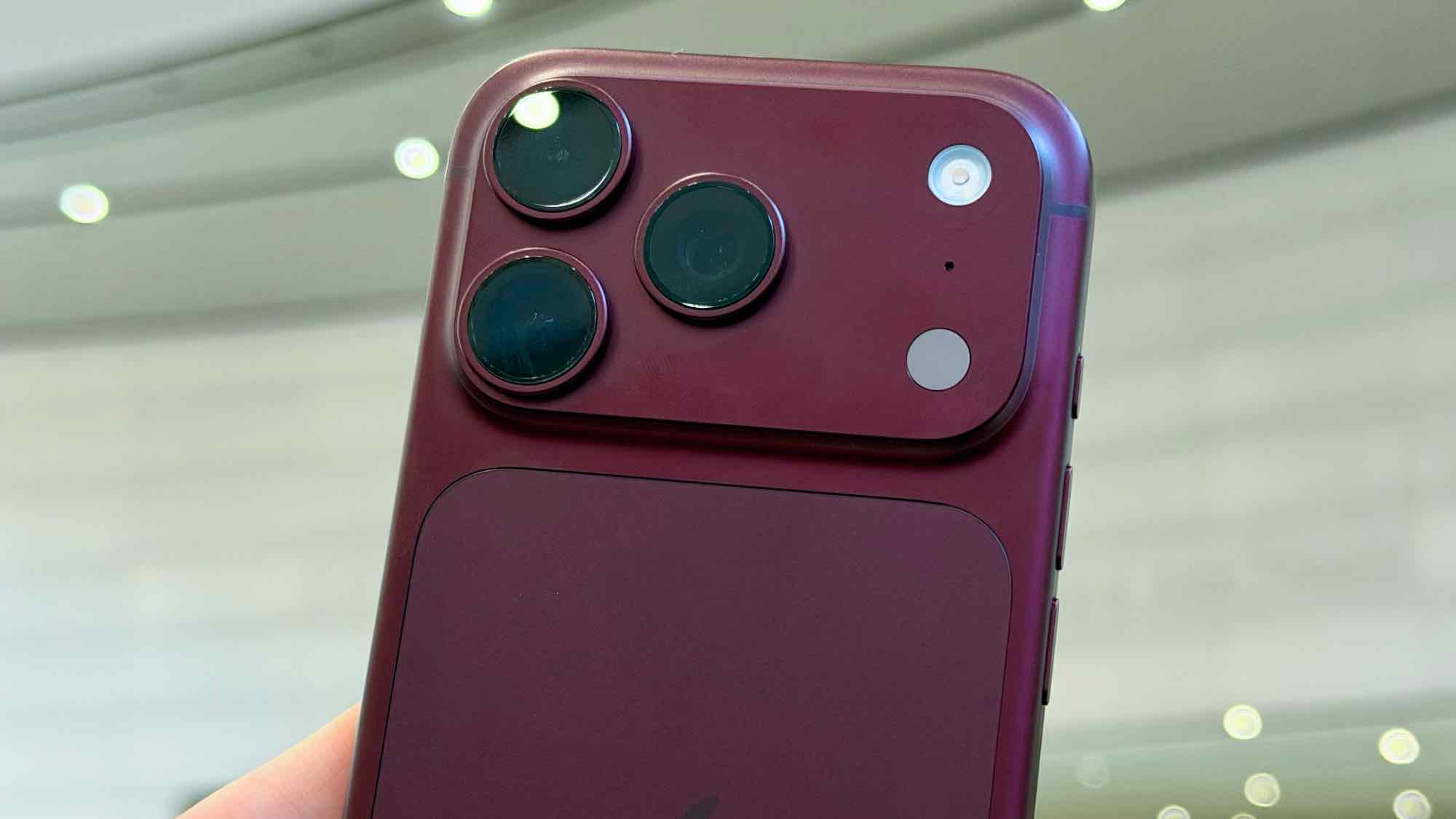
The iPhone Duo is equipped with a dual-lens rear camera system featuring a 48MP main sensor and a 48MP ultrawide lens. Crucially, it lacks a dedicated telephoto lens. By contrast, the iPhone 18 Pro models boast a sophisticated 48MP telephoto lens capable of true 4x optical zoom, which can be further digitally enhanced up to 8x at a 12MP resolution. To compensate, Apple relies on "optical-quality" 2x cropping via the Duo’s main Fusion camera, which, while capable, cannot match the physical reach and clarity of dedicated periscope-style telephoto hardware.
Furthermore, the front-facing camera on the Duo is a modest 12MP sensor, trailing behind the advanced 18MP Center Stage front camera found on the iPhone 18 Pro. This impacts selfie quality, video calling framing, and high-resolution content creation when the device is used in various folded desktop modes.
Variable Aperture and Pro Controls: Reserved for the Flagship Pro
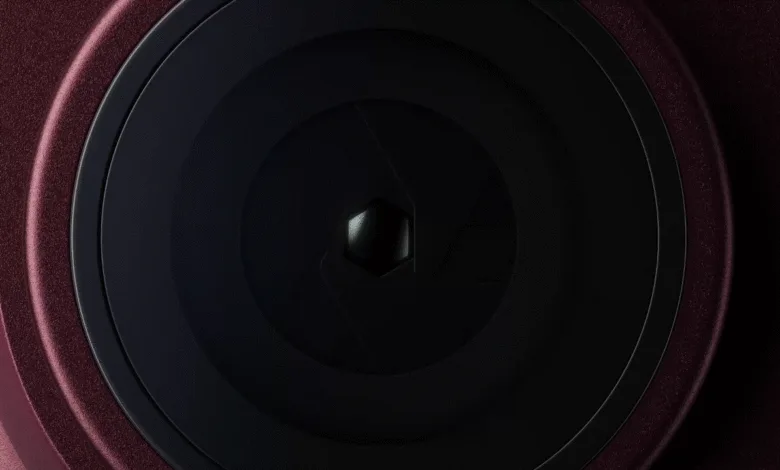
Perhaps the most significant imaging disparity lies in the introduction of a brand-new variable aperture system on the iPhone 18 Pro series. Exclusively integrated into the main 48MP camera of the Pro models, this system provides photographers with unprecedented physical control over depth of field and light intake. Users can manually or automatically toggle between four distinct aperture values: f/1.48, f/1.8, f/2.8, and f/4.0.
Field tests and hands-on demonstrations in challenging lighting environments—such as dimly lit restaurant bars—reveal a dramatic difference in how the iPhone 18 Pro handles background blur, subject isolation, and motion freezing compared to fixed-aperture devices. This hardware allows creators to seamlessly transition from low-light bokeh shots to deeply focused landscape frames without relying entirely on computational software.
In tandem with the variable aperture, Apple introduced "Pro Controls" on the iPhone 18 Pro lineup. This suite of manual adjustments empowers professional shooters to fine-tune white balance, shutter speed, and exposure levels in real time, aided by an on-screen live histogram. The iPhone Duo misses out entirely on these granular options, along with advanced recording codecs like ProRAW and ProRes RAW. Additionally, the Duo lacks the hardware capability to capture spatial photos and videos—a feature heavily promoted by Apple for integration with spatial computing headsets like the Vision Pro.
The Missing Action Button: Physical Customization Takes a Backseat
Physical ergonomics also distinguish the two product lines. The Action Button, initially introduced on the iPhone 15 Pro Max in 2023 and subsequently trickling down to standard models like the iPhone 17e, has become a staple of modern Apple device customization. Serving as far more than a simple mute switch, the programmable side key allows users to instantly launch shortcuts, open specific apps, turn on the flashlight, or trigger accessibility features with a press.

On the iPhone 18 Pro models, the Action Button remains a key point of physical interaction. However, it is entirely absent from the iPhone 18 Duo. Industry analysts suggest that the physical real estate along the edges of the foldable chassis was heavily prioritized for the Touch ID sensor module, structural hinge reinforcement mechanisms, and volume controls, leaving no room for the customizable button.
Implications for Consumers and the Future of Apple’s Lineup
The release of the iPhone Duo alongside the iPhone 18 Pro and Pro Max highlights a classic technological trade-off: form factor innovation versus maximum component capability. Consumers entering the foldable market must weigh the undeniable appeal of transforming a pocket-sized phone into a tablet-sized workstation against the photographic and security compromises required to achieve that design.

Market analysts note that first-generation hardware products from Apple traditionally establish a baseline platform before subsequent iterations bridge the feature gap. While the iPhone Duo successfully demonstrates that Apple can manufacture a premium, highly functional folding device, it simultaneously reinforces the iPhone 18 Pro Max as the definitive choice for mobile photographers, content creators, and power users who demand the absolute pinnacle of smartphone engineering. As the foldable market matures over the coming years, industry watchers anticipate that future iterations of the Duo will likely absorb many of the advanced camera systems and biometric security features currently exclusive to the Pro tier.