Apple achieves record-breaking global smartphone revenue in Q3 2026 driven by iPhone 18 Pro success

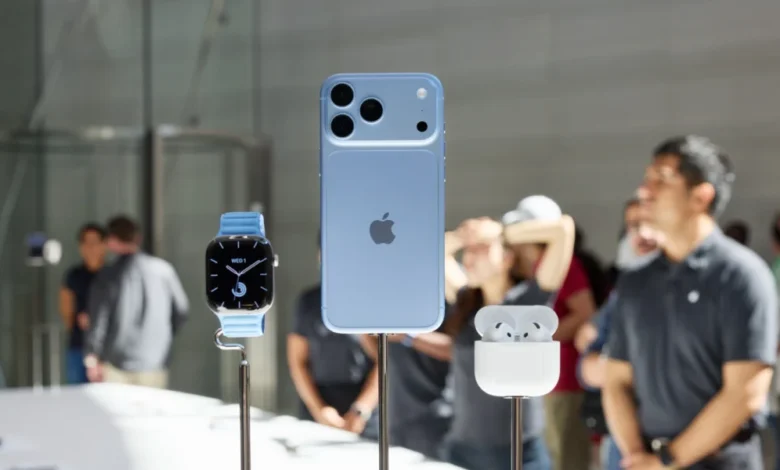
Apple has cemented its dominance in the global smartphone landscape by securing its highest-ever revenue for a third calendar quarter in 2026. According to the latest market analysis from Counterpoint Research, the Cupertino-based technology giant navigated a complex and often stagnant global smartphone market by leveraging its unparalleled pricing power and a premium-focused product strategy. This financial milestone arrives at a critical juncture for the mobile industry, which has faced mounting pressures from supply chain costs, shifting consumer demand, and a saturation of the mid-tier market.
A Historic Financial Milestone for Apple
The third quarter of 2026 served as a testament to Apple’s ability to maintain growth even when overall industry shipment volumes remain relatively flat. Counterpoint Research’s report highlights that while the broader smartphone market struggled to find significant momentum, Apple’s revenue trajectory decoupled from the industry’s typical volume-dependent patterns.
The primary driver behind this performance was the record-setting Average Selling Price (ASP) of the iPhone lineup. During the third quarter, Apple’s iPhone ASP reached an unprecedented $1,031, representing a substantial 19% increase year-over-year. This surge is particularly notable given the timing of the company’s product cycle. The iPhone 18 Pro series, which debuted toward the end of the quarter, played a pivotal role in shifting the consumer mix toward higher-margin devices, thereby insulating the company from the stagnating growth seen in the entry-level and mid-range segments.

The Competitive Landscape: A Tightening Race
While Apple claimed the revenue crown, the landscape of global smartphone shipments remains a tightly contested battlefield. Samsung continues to hold the lead in terms of sheer volume, accounting for 22% of global smartphone shipments in Q3 2026. However, that lead is narrowing significantly. Apple sits closely behind with 21% of the market share, a difference that has been whittled down to a razor-thin margin compared to historical data.
The remaining players in the top tier of the market continue to face challenges in maintaining both volume and revenue share. Xiaomi captured 6% of global revenue, followed by OPPO at 5% and vivo at 4%. These figures underscore the growing divide between the premium segment, dominated by Apple and, to a lesser extent, Samsung, and the rest of the market, which is increasingly reliant on aggressive pricing and high-volume sales to maintain relevance.
Strategic Drivers: Why Apple Outperformed
The resilience shown by Apple in Q3 2026 can be attributed to several strategic maneuvers implemented throughout the year. Counterpoint Research Director Tarun Pathak noted that Apple’s ability to absorb rising memory costs—without stifling consumer demand—is a unique competitive advantage. In an inflationary environment where many manufacturers have been forced to choose between shrinking margins or raising prices at the risk of losing customers, Apple has managed to do both: increase prices and retain its loyal customer base.
Several factors contributed to this ASP growth:

- The iPhone 18 Pro Strategy: The launch of the Pro series at a higher price point fundamentally shifted the revenue baseline for the quarter. By focusing marketing and technological innovation on the premium tier, Apple successfully incentivized users to upgrade to more expensive devices.
- Portfolio Optimization: The absence of a base-model "iPhone 18" at the initial launch phase created a gap that directed consumers toward the higher-tier Pro models, naturally elevating the average price per unit sold.
- Price Adjustments on Legacy Models: Even older models in the Apple ecosystem saw price adjustments in September, ensuring that even the lower-end of the company’s current offerings contributed more effectively to the bottom line.
Chronology of the Q3 Market Performance
The third quarter of 2026 represented a period of transition for the industry. In July and August, market analysts observed a general slowdown in global demand as consumers anticipated the fall hardware cycle. By mid-September, the release of the iPhone 18 Pro series acted as a catalyst, injecting liquidity into the premium sector of the market.
Throughout the quarter, Samsung focused on the consolidation of its foldables and high-end S-series, which helped maintain its lead in shipment volumes. Meanwhile, Chinese manufacturers like Xiaomi and OPPO were largely engaged in a "race to the bottom" regarding pricing in emerging markets, which, while effective for maintaining shipment numbers, failed to move the needle on total industry revenue. By the end of September, the cumulative impact of these strategies resulted in the record-breaking revenue figures for Apple that have now been validated by institutional research.
Broader Economic and Market Implications
The implications of this shift are profound for the mobile industry. The "premiumization" of the smartphone market is no longer just a trend; it is the dominant survival strategy for market leaders. As hardware specifications across all price points begin to plateau—meaning the difference between a mid-range phone and a flagship phone becomes less apparent to the average user—brand equity and software ecosystems are becoming the primary drivers of purchase decisions.
Apple’s success suggests that consumers are increasingly willing to pay a premium for hardware longevity, software integration, and brand perception. This trend forces competitors to either invest heavily in differentiating their premium offerings or risk being relegated to the increasingly commoditized, low-margin segments of the market.

Furthermore, the ability of a major OEM to pass on the costs of memory and advanced silicon to the consumer indicates that the smartphone has transitioned from a discretionary luxury item to an essential utility, akin to a laptop or a vehicle, where price elasticity is lower.
Future Outlook
Looking ahead to the fourth quarter and into 2027, the industry faces the challenge of sustaining this momentum. While the Q3 results provide a strong foundation, the macroeconomic environment remains volatile. Rising costs in manufacturing, particularly regarding AI-integrated components and advanced camera sensors, will likely force other manufacturers to mimic Apple’s pricing strategy.
However, few companies possess the brand loyalty and the vertically integrated ecosystem—spanning hardware, software, and services—that Apple utilizes to justify these price points. As the market moves into the holiday season, the focus will likely shift from pure shipment numbers to profitability per unit. If Apple’s Q3 performance is any indication, the "premium-first" model is the most effective roadmap for navigating a post-growth smartphone market.
The data provided by Counterpoint Research serves as a stark reminder that in the modern mobile economy, market share is secondary to revenue share. By controlling the high-end tier of the market, Apple has demonstrated that it can influence the financial health of the entire industry, setting a precedent that will likely define product roadmaps for the coming years. Investors and industry analysts will be watching closely to see if competitors like Samsung can develop a counter-strategy that effectively challenges Apple’s dominance in the premium space without sacrificing their broader market footprint. For now, the numbers are clear: Apple remains the most resilient and profitable entity in the global smartphone arena.