Amazon’s God of War TV Series Faces Major Setback as Kratos Actor Recast Following On-Set Injury

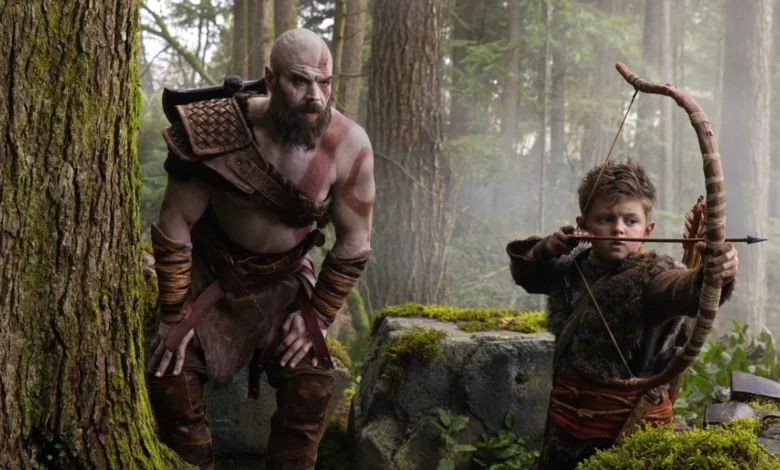
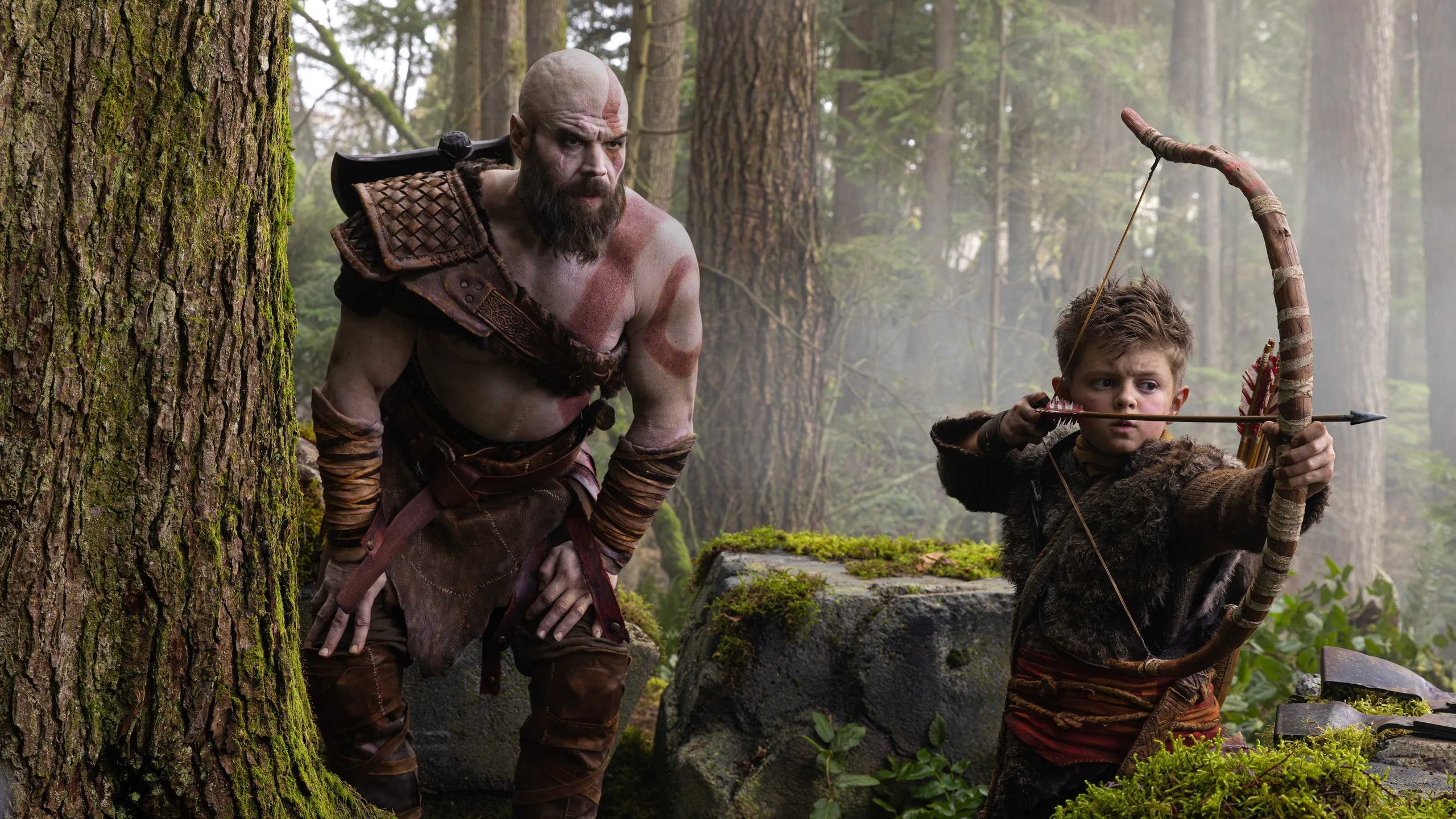
The highly anticipated Amazon adaptation of the beloved video game franchise, God of War, has been dealt a significant blow with the sudden recasting of its lead actor, Kratos. Ryan Hurst, who was set to embody the Ghost of Sparta, has been removed from the role due to an injury sustained on set, forcing a substantial production reset. This development comes after Hurst underwent a notable physical transformation for the part, adding a layer of complexity and disappointment to the ongoing production.
Production Halted and Recast Amidst Injury
Sources close to the production have revealed that Ryan Hurst suffered a torn bicep while filming the series. The injury necessitated surgery and a recovery period, rendering him unable to continue in the demanding role of Kratos. In response to this unforeseen circumstance, Amazon has made the difficult decision to recast the character entirely. This means that all scenes featuring Kratos that have already been filmed will need to be reshot, a costly and time-consuming endeavor for the production team.
According to reports from Deadline, the production has been temporarily paused and is slated to resume by mid-October with a new actor stepping into Kratos’s formidable boots. This pause, while necessary for the injury’s recovery and the subsequent recasting, represents a considerable interruption to the filming schedule. With an estimated four episodes already completed, the need to reshoot these segments signifies a significant logistical and financial challenge for the series.
The Physical Transformation and its Aftermath
Prior to the injury, Ryan Hurst had reportedly committed extensively to the role, undergoing a significant physical transformation. He is said to have gained approximately 40 pounds of muscle to authentically portray Kratos, a character renowned for his immense strength and imposing physique. This dedication to the character’s physical presence underscores the gravity of the setback, as his efforts, while commendable, will not be seen on screen in the intended capacity.
The decision to recast, rather than attempt to accommodate Hurst’s recovery, highlights the inherent demands of a series that relies so heavily on its lead actor’s physical presence and performance. Furthermore, the presence of a child actor, Atreus, who is reportedly in every scene with Kratos, likely influenced the decision. Maintaining continuity and ensuring the safety and well-being of all cast members, particularly the younger ones, are paramount considerations in such productions. The potential for prolonged production delays or narrative adjustments to accommodate an injured actor might have been deemed less feasible than a complete recast.
Broader Implications for the God of War Series
The recasting of Kratos introduces a significant period of uncertainty for the God of War television series. The initial promotional image featuring Hurst in the role had already generated considerable discussion and varied reactions from the fanbase, with some expressing reservations about his portrayal. This new development means that a different actor will now have the opportunity to define the character for the television audience, potentially altering the perception and reception of the series before it even premieres.
This situation also raises questions about the future casting choices for such high-profile adaptations. The God of War franchise boasts a rich and complex mythology, and the casting of Kratos is arguably the most critical decision. The pressure to find an actor who can not only embody the physical prowess but also the emotional depth and gravitas of the character is immense. The subsequent actor will face the challenge of winning over both existing fans of the game and new viewers.
Timeline of Events and Production Impact
The reported timeline of events suggests a rapid escalation from the initial injury to the decision to recast. The injury occurred during filming, leading to an immediate halt in production. Following this pause, an assessment of the situation likely led to the conclusion that a recasting was the most viable path forward. The stated intention to resume production by mid-October with a new Kratos indicates a swift turnaround, though the full impact on the overall release schedule remains to be seen.
The financial implications of reshooting four episodes are substantial. Beyond the cost of labor and set usage, there are also the expenses associated with re-scouting and hiring a new actor, wardrobe adjustments, and any necessary reshoots of supporting scenes that might have been dependent on the original Kratos performances. This adds another layer of pressure to a production that is already navigating the complexities of adapting a narrative-driven video game into a visual medium.
Ryan Hurst’s Other Engagements
It is worth noting that Ryan Hurst has a notable career in acting, with significant roles in both film and television. Gamers may recognize him as the voice of Thor in God of War: Ragnarök, a different character within the same universe. He also played Beta in AMC’s highly successful series The Walking Dead. More recently, he has been cast in Christopher Nolan’s new film, Odyssey, as Mentor. This busy schedule suggests that while the God of War role was a significant undertaking, Hurst has other substantial projects in his pipeline. His involvement in Nolan’s film, in particular, indicates his continued presence in major productions, albeit in a different capacity for the Amazon series.
The God of War Legacy and Fan Expectations
The God of War video game series, first released in 2005, has garnered critical acclaim and a massive global following for its compelling narrative, visceral combat, and intricate world-building. The games have evolved significantly over the years, with the recent installments shifting focus to a more character-driven, Norse mythology-inspired saga. Kratos, initially a figure of pure rage and vengeance, has evolved into a complex father figure, grappling with his past and striving to protect his son, Atreus.
The success of the games has naturally led to high expectations for the Amazon adaptation. Fans are eager to see how the series will translate the epic scope, the emotional weight, and the brutal action of the games to the screen. The casting of Kratos is paramount to capturing the essence of this beloved character, and the pressure on whoever steps into the role next will be immense. The initial controversy surrounding the first promotional image, which some perceived as not fitting the established "dadbod Kratos" aesthetic, only amplifies the scrutiny that will be placed on the new actor.
Analysis of the Implications
The recasting of Kratos presents a critical juncture for Amazon’s God of War series. On one hand, it offers an opportunity to potentially find an actor who might better embody the nuanced portrayal of Kratos that fans have come to expect, especially following the acclaimed 2018 game and its sequel. On the other hand, it introduces significant production delays and potential continuity issues. The ability of the new actor to quickly integrate into the existing production and deliver a compelling performance will be crucial.
The success of the series will ultimately depend on its ability to capture the spirit of the games while forging its own identity. The narrative depth, the exploration of themes like fatherhood, loss, and the cycle of violence, are all elements that audiences will be looking for. The recasting, while a significant hurdle, does not necessarily doom the project. Many successful television shows have overcome similar production challenges. The key will be how effectively Amazon and the production team navigate this transition and maintain the momentum and vision for the series.
Future Prospects and Fan Engagement
While the immediate future of the God of War series is marked by this significant casting change, the long-term prospects remain a subject of considerable interest. The global appeal of the God of War IP is undeniable, and Amazon has a track record of investing heavily in its streaming content. The hope among fans will be that the production can move forward smoothly with the new Kratos actor and deliver a faithful yet engaging adaptation.
The series is expected to draw heavily from the narrative established in the 2018 God of War game, which saw Kratos and Atreus embark on a journey to scatter the ashes of Faye, Kratos’s wife and Atreus’s mother, from the highest peak in all the realms. This quest involves navigating the treacherous landscapes of the Norse Nine Realms and encountering a pantheon of gods and monsters from Norse mythology. The series has the potential to explore these rich narratives in greater detail, offering a more in-depth look at the characters and their relationships.
As production gears up to restart, the casting of the new Kratos will be closely watched. The choice of actor will undoubtedly spark further discussion and anticipation within the gaming and entertainment communities. The ultimate success of the God of War series will hinge on its ability to deliver a compelling story, strong performances, and a visual spectacle that honors the legacy of its source material, even in the face of unexpected challenges. The journey to the highest peak in the realms has certainly taken a detour, but the destination for this ambitious adaptation remains the same: to bring the epic saga of Kratos and Atreus to a new audience.
Related posts: