A Global Conservation Milestone: Detroit Zoo Sends 500 Endangered Partula Snails to Tahiti for Wild Release

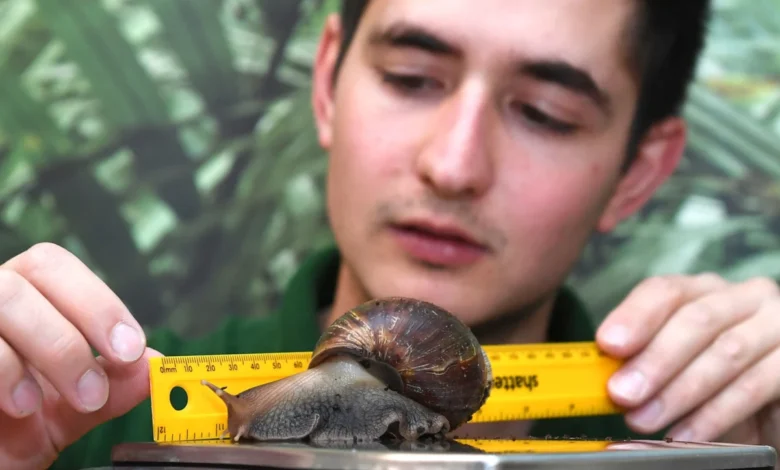
A sophisticated logistical operation is currently underway to return 500 captive-bred Partula snails to their ancestral home in French Polynesia. The snails, which departed from the Detroit Zoological Society in Royal Oak, Michigan, represent a critical advancement in an international, multi-decade endeavor to prevent the extinction of a genus once considered lost to the wild. This shipment is currently undergoing a secondary quarantine and acclimation process at the St. Louis Zoo in Missouri, where experts are ensuring the invertebrates are primed for their eventual release into the tropical ecosystems of Tahiti.
The History of a Vanishing Species
The Partula snail, often referred to as the "Polynesian tree snail," is a group of small, biologically significant land snails that historically inhabited various islands across the South Pacific. For centuries, these snails thrived in the lush, humid forests of French Polynesia, occupying a vital niche in the islands’ ecology. Each individual species of Partula is often endemic to a single valley or island, making them uniquely vulnerable to environmental changes and invasive species.
The catastrophic decline of these snails began in the late 20th century. Following the introduction of the predatory rosy wolf snail (Euglandina rosea)—an invasive species originally brought to the islands in an ill-fated attempt to control another non-native pest, the giant African land snail—the Partula population was decimated. The rosy wolf snail, a voracious predator, hunted the endemic tree snails to the brink of extinction. By the 1980s and 1990s, scientists confirmed that many Partula species had completely vanished from their natural habitats.
A Chronology of Recovery
The survival of the Partula genus today is almost entirely due to the "Partula Conservation Programme," a coalition of zoos and research institutions that initiated a massive "ex-situ" breeding effort when the species were declared extinct in the wild.
- 1980s-1990s: The "extinction crisis" phase, during which remaining individuals were collected by conservationists and moved to international zoos to establish "insurance populations."
- 1994: The first large-scale reintroduction efforts began, targeting specific protected areas in Tahiti where invasive predators had been managed or excluded.
- 2010s: Development of improved captive breeding techniques and standardized monitoring protocols allowed for the successful release of thousands of individuals across multiple Polynesian islands.
- 2026: The current operation marks a new milestone in precision conservation, utilizing non-toxic, UV-reactive identification markers to track the progress of the 500 snails currently in transit.
Logistics and Scientific Methodology
The transportation of delicate invertebrates across thousands of miles requires extreme precision. According to Mark Vassallo, the Curator of Amphibians at the Detroit Zoological Society, the process is governed by strict environmental controls. The snails are shipped "priority overnight" via major carriers, housed within specialized containers lined with insulating materials. To maintain a constant metabolic state and prevent heat stress, keepers utilize "phase change" packs, which maintain a stable internal temperature regardless of external fluctuations.
Once they arrive at the St. Louis Zoo, the snails undergo a vital transitional phase. They are transitioned onto a specialized diet, which serves as a "nutritional bridge" to help them adapt to the wild vegetation they will encounter in Tahiti. This ensures that their digestive systems are prepared for the transition from a controlled, laboratory-grade diet to the more variable food sources found in the wild.
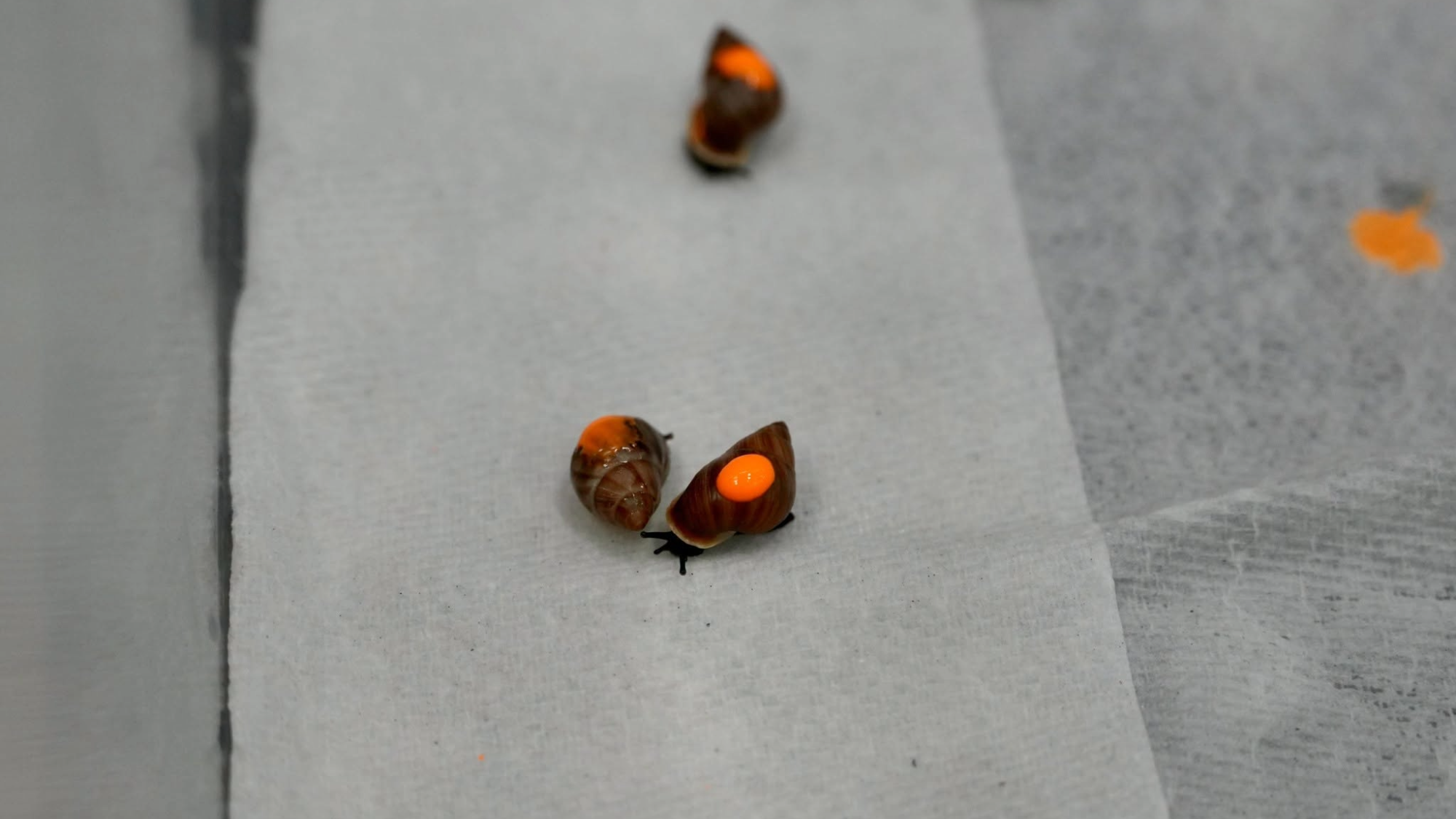
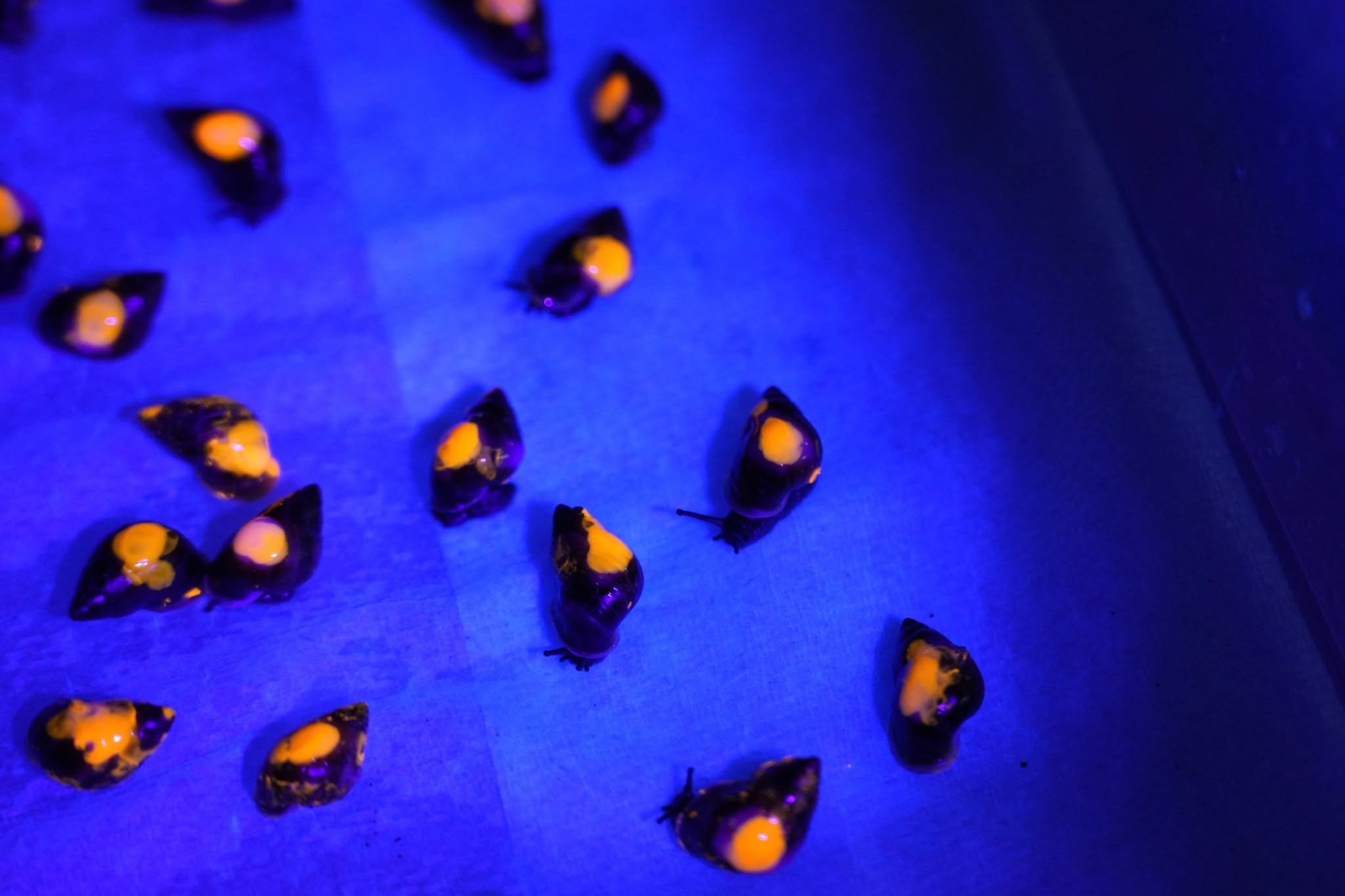
A key element of this year’s release is the use of non-toxic, orange-pigmented paint applied to the shells of the snails. This marker serves a dual purpose: it allows field researchers to distinguish the 2026 cohort from previous releases and enables monitoring during nighttime surveys using ultraviolet light, under which the paint glows. This allows biologists to gather high-fidelity data on survival rates, movement patterns, and reproductive success in the field.
Supporting Data and Conservation Impact
The scope of this project is unprecedented for invertebrate conservation. To date, the international recovery program has successfully returned 11 different Partula species to their native environments, with the total number of released individuals exceeding 17,000.
The Audubon Nature Institute in New Orleans has served as another key partner, recently contributing 200 snails to the effort. This collaborative model—pooling genetic diversity from multiple institutions—is essential for maintaining the health of the population. By sharing breeding stock across the globe, zoos minimize the risks of inbreeding and ensure that the populations returned to the wild possess the genetic resilience necessary to adapt to a changing climate and lingering ecological threats.
Defining Success in Endangered Species Management
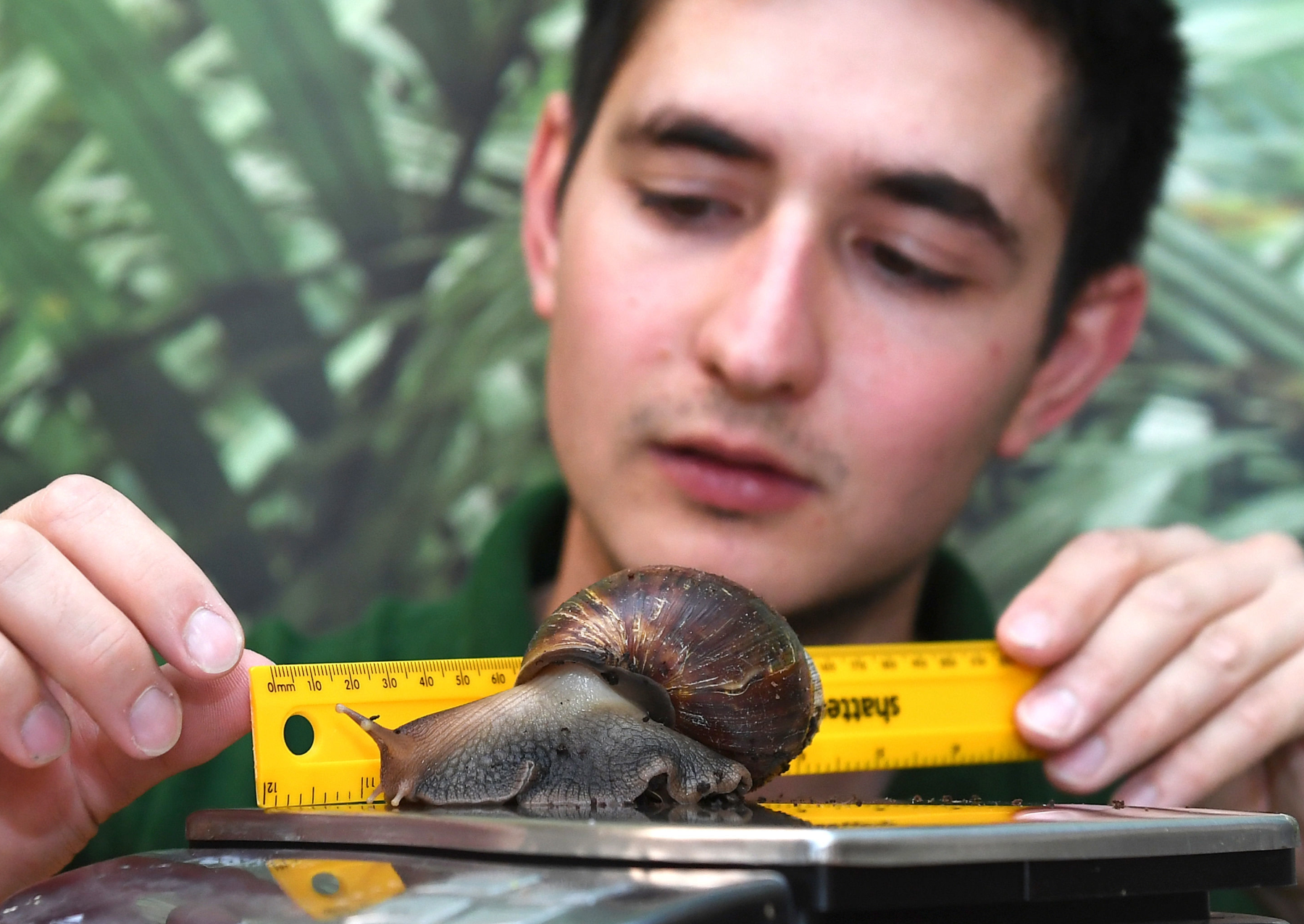
For the scientific community, "success" is defined by more than just the number of individuals released. According to experts involved in the program, the ultimate objective is the establishment of a self-sustaining, wild-breeding population.
"Success for a conservation project can be defined in stages," Vassallo notes. "But ultimately, we are looking for a self-sustaining population with consistent reproduction. Just as importantly, we require proper habitat that is protected to sustain that species, which allows for long-term recovery and the stabilization of that population."
One of the most encouraging indicators of success has been the observation of wild-born offspring from previously released groups. For species like Partula nodosa, which were once classified as extinct in the wild, the presence of second- and third-generation snails in the forest canopy is a triumphant validation of the multi-decade investment made by these institutions.
Broader Implications for Biodiversity
The Partula conservation story serves as a case study for the "Ark" model of zoo-based conservation. As human activity continues to exert pressure on global ecosystems, the ability of zoological institutions to act as repositories for endangered species becomes increasingly vital.
However, the program also highlights the limitations of such efforts. Reintroduction is only one piece of the puzzle; without sustained local efforts in French Polynesia to manage invasive species and protect forest corridors, these snails would have no chance of long-term survival. The collaboration between the Detroit Zoo, the St. Louis Zoo, and local conservation authorities in Tahiti demonstrates the necessity of international cooperation in addressing the global biodiversity crisis.
As these 500 snails continue their journey, they represent more than just a species recovery effort; they symbolize a commitment to reversing the damage caused by human-introduced invasive species. The use of advanced tracking, careful genetic management, and inter-institutional collaboration offers a blueprint for how other endangered invertebrates—which often receive far less funding and public attention than charismatic megafauna—can be rescued from the brink of extinction.
While the challenge of climate change and shifting ecosystems remains, the return of the Partula snail to its native valleys provides a rare and tangible success story in the field of conservation biology. As the 2026 cohort settles into their new habitat in the coming weeks, their progress will be watched closely by researchers worldwide, serving as a barometer for the health of the Polynesian forest ecosystems and the efficacy of modern rewilding strategies.
Related posts: