Betel Nut Usage Dates Back 25,000 Years Challenging Conventional Theories of Psychoactive Substance Consumption


The long-standing archaeological consensus that humanity’s relationship with mind-altering substances began with the dawn of agriculture and the fermentation of alcohol during the Neolithic era is currently undergoing a significant revision. New research published in the journal Science Advances provides compelling evidence that hunter-gatherer communities in present-day Indonesia were consuming betel nuts—the seeds of the Areca catechu palm—as early as 25,000 years ago. This discovery shifts the timeline of human psychoactive plant use back by more than 23,000 years, suggesting that the drive to alter consciousness is a deeply embedded aspect of the human experience that predates settled civilization.
The Archaeological Evidence from Sulawesi
The findings stem from a detailed analysis of skeletal remains recovered from the island of Sulawesi, a region known for its rich record of early human habitation. The research team, led by archaeologists including Adam Brumm from Griffith University, examined the remains of two specific individuals. The older of the two lived between 25,000 and 16,000 years ago, while the younger individual dates to between 7,600 and 6,300 years ago.
The researchers identified unique dental pathologies in these specimens, characterized by deep, curved grooves that do not align with common wear patterns associated with diet or tool usage. By comparing these marks to contemporary patterns of dental degradation in populations that still consume betel nut, the team concluded that these early foragers were regularly sucking on the hard, fibrous seeds of the palm.
Biochemistry and Neural Interaction
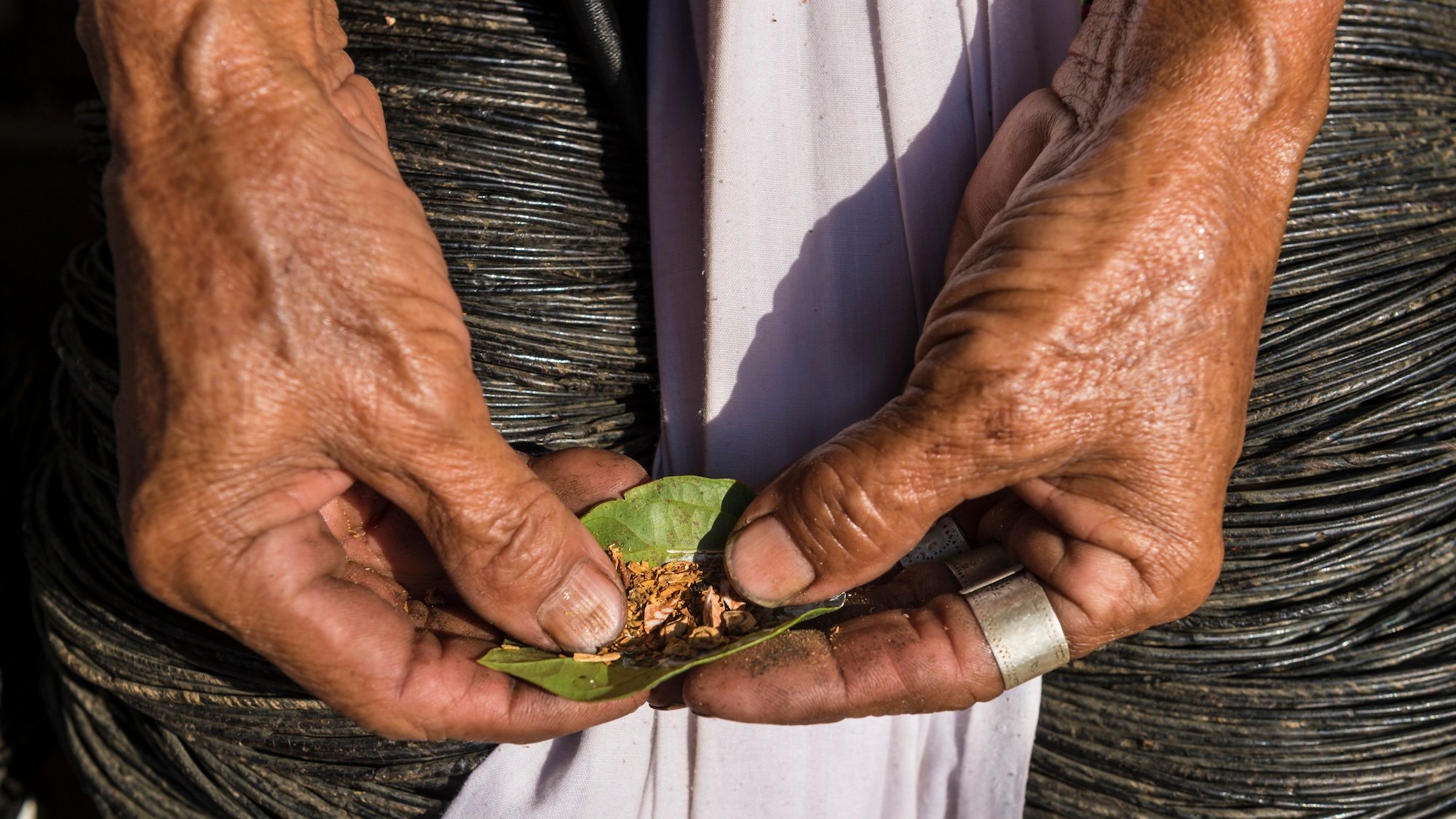
A central challenge in this study was the scientific belief that the primary neuroactive alkaloid in betel nuts, arecoline, is only potent when processed with slaked lime (calcium hydroxide). Historically, the "quid"—a mixture of the nut, lime, and often tobacco or spices—is chewed to produce a stimulant effect. However, the study challenged this notion through rigorous laboratory testing.
By utilizing cloned human receptors grown from frog egg cells, which act as molecular switches for neural activity, the researchers tested the effects of unprocessed betel nut extract mixed with artificial saliva. The results were definitive: the raw nut releases sufficient quantities of arecoline to induce measurable physiological and neural responses. Furthermore, biochemical analysis of the dental tissue from the ancient Sulawesi remains confirmed the presence of arecoline, providing a direct link between the physical act of chewing and the ingestion of the substance.
Chronology of Human Intoxicant Use
To understand the magnitude of this discovery, it is necessary to view it against the established timeline of human substance use:
- 25,000–16,000 BCE: Early evidence of betel nut usage among hunter-gatherers in Sulawesi.
- 13,000 BCE: The traditional onset of the Neolithic period, historically associated with the development of agriculture and the initial production of fermented alcoholic beverages.
- 1,500 BCE: Documented archaeological evidence of Bronze Age betel nut consumption, previously considered the earliest point of widespread use.
- Modern Day: Approximately 600 million people, or roughly one-in-ten individuals globally, regularly use betel nut, making it the fourth most common psychoactive substance consumed by humans, trailing only alcohol, caffeine, and nicotine.
The Cycle of Habitual Consumption
The research suggests that the motivation for using this substance may have been as much medicinal as it was recreational. Arecoline acts as a natural analgesic, providing pain relief for conditions like toothaches. Paradoxically, the practice created a destructive feedback loop.
"Sucking these hard, abrasive seeds wore down the foragers’ teeth so badly that in some cases the inner pulp chamber became completely exposed," noted Adam Brumm. The resulting dental trauma, which would have been excruciating, likely drove the individuals to continue consuming the substance for its numbing properties, further accelerating the decay. This self-reinforcing cycle of pain and relief marks one of the earliest identified examples of a human habit that simultaneously provided a benefit and a long-term physiological cost.
Broader Implications and Scientific Reaction
The implications of this discovery are profound for the field of anthropology. It challenges the "Neolithic revolution" narrative, which posits that humans only had the time and social stability to engage in complex drug-taking behaviors once they had established permanent settlements and agriculture. The Sulawesi findings demonstrate that foragers, despite their nomadic and precarious lifestyle, possessed a sophisticated knowledge of their environment and the pharmacological properties of the local flora.

The scientific community has noted the rigor of the methodology employed by the Griffith University team. By integrating archaeological, forensic, and biochemical data, the study effectively bridges the gap between historical speculation and empirical evidence. Experts in the field argue that this study necessitates a broader search for chemical signatures of other psychoactive substances in prehistoric sites worldwide. It forces a reassessment of the "forager" lifestyle, highlighting that these populations were not merely surviving, but actively manipulating their physiological states.
Societal and Health Considerations
While the study sheds light on ancient history, it also highlights the enduring presence of betel nut in modern global culture. Today, the practice is most prevalent in South and Southeast Asia, where it remains deeply integrated into social customs, religious ceremonies, and daily life. However, the health risks are well-documented, including a high correlation with oral cancers and cardiovascular disease.
The discovery that this habit has persisted for at least 25,000 years underscores the difficulty of addressing the public health challenges associated with its use. If a substance has been deeply woven into the cultural and, as the study suggests, physiological fabric of a population for tens of thousands of years, it represents a profound challenge to modern public health interventions.
Future Research Directions
Following the publication of these findings, archaeologists and biochemists are now looking toward other regions to determine if similar patterns of early plant use exist elsewhere. The methodology—analyzing the dental remains of hunter-gatherers for trace alkaloids—provides a new template for future studies. Researchers hope to explore whether other prehistoric populations, such as those in the Amazon or Central Africa, utilized similarly potent psychoactive substances in their pre-agricultural phases.
The work of Brumm and his colleagues ultimately serves as a reminder that the human propensity to seek chemical intervention in our neural state is not a modern vice, but an ancient trait. Whether used to manage the physical pain of existence or to alter one’s perception of reality, the consumption of psychoactive plants appears to have been a constant companion in the long, complex history of the human species. As this research continues to evolve, the distinction between "modern" drug use and "ancient" rituals continues to blur, revealing a much deeper, more nuanced relationship between humans and the natural world than previously imagined.
Related posts: