Halloween Costume Trends and the Evolving Cultural Significance of Adult Participation in Modern Festivities

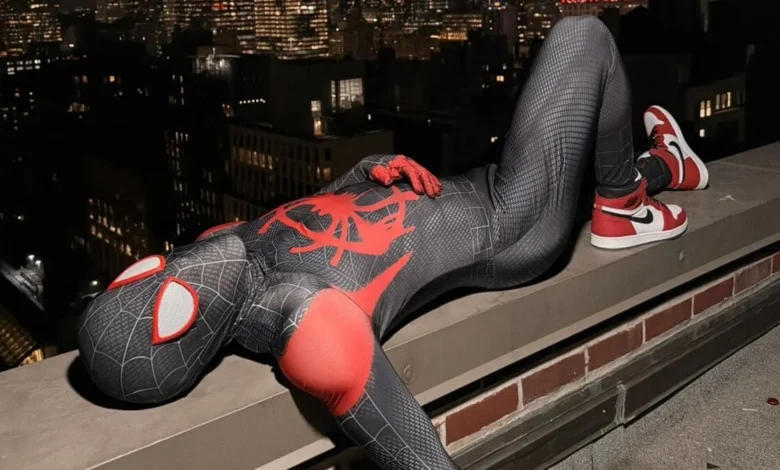
Halloween has transitioned from a traditional folk observance into a massive cultural and economic phenomenon that transcends age demographics. While historically associated with children’s trick-or-treating, the holiday now commands significant attention from adults, who participate through costume parties, themed events, and elaborate cosplay. This year, social media platforms have served as the primary barometer for costume innovation, showcasing a blend of nostalgia, pop culture saturation, and technical craftsmanship that reflects broader societal interests in 2024.
The economic footprint of Halloween is substantial. According to data from the National Retail Federation (NRF), annual spending on Halloween-related goods in the United States consistently reaches record-breaking levels. In recent years, total consumer spending has exceeded $12 billion, with a significant portion of that figure attributed to adult costumes, home decorations, and social entertainment. This commercial expansion is driven by a shift in perception: Halloween is no longer merely a night for candy acquisition but a period for creative expression and communal celebration.
The Historical Evolution of Modern Halloween
The roots of Halloween can be traced back to the ancient Celtic festival of Samhain, a time when the veil between the living and the dead was thought to be at its thinnest. Over centuries, these rituals evolved, integrating Christian traditions and European folk practices before eventually migrating to North America. By the mid-20th century, the holiday had become deeply ingrained in American culture, primarily as a youth-centric event.
However, the late 20th and early 21st centuries saw a sharp pivot toward adult involvement. The rise of pop culture conventions, the mainstreaming of cosplay, and the growth of social media platforms—specifically X (formerly Twitter), Instagram, and TikTok—have incentivized high-effort, "Instagrammable" costumes. For modern adults, the motivation to dress up is often rooted in nostalgia for early 2000s media, niche internet memes, and a desire to participate in a shared, fleeting moment of collective creativity.
Chronology of Contemporary Costume Trends
The trends observed during this current Halloween cycle are indicative of a cultural retrospective. In the weeks leading up to October 31, social media analytics showed a distinct preference for "throwback" costumes. These include characters from early 2000s animated series and cult-classic films.
The timeline of this year’s costume discourse began in early October, with influencers and content creators leaking their planned ensembles. By mid-month, the conversation shifted toward the "execution" of these costumes—focusing on makeup, prosthetics, and fabric quality. The final week of October saw the peak of this activity, with high-profile streamers and public figures unveiling elaborate costumes that utilized advanced special effects and professional-grade costuming techniques, often setting new benchmarks for what is considered an "impressive" Halloween fit.
Categorizing the 2024 Costume Landscape
The variety of costumes surfacing this year can be categorized into four primary archetypes:
- The Nostalgic Revival: This category features characters from legacy children’s media. These costumes serve as a bridge between adulthood and childhood, allowing participants to reclaim their youth. Analysis of current search trends indicates that media properties from the early 2000s are currently experiencing a resurgence in popularity, largely driven by "Gen Z" nostalgia.
- Pop Culture and Streamer Influence: The rise of professional streaming has turned content creators into modern-day tastemakers. When a major streamer debuts an elaborate, high-budget costume, it often dictates the trends for the following days. This year, the scale of production for these costumes—which often includes professional lighting and set design—suggests that Halloween has become a major content-generation opportunity for the creator economy.
- Cinematic Homage: High-effort tributes to iconic actors and characters remain a staple. Costumes inspired by legendary performers—often utilizing intricate makeup to mimic specific cinematic expressions—demonstrate the technical skills now applied to amateur costuming.
- Abstract and Concept Costuming: These are costumes that require external knowledge or "insider" familiarity with a specific subculture or meme. These fits often gain the most traction on social media, as they reward followers who understand the reference, thereby fostering a sense of community.
Economic and Sociological Implications
The professionalization of Halloween costumes has broader economic implications. The demand for high-quality synthetic fibers, theatrical-grade adhesives, and specialized makeup kits has bolstered the seasonal retail sector. Furthermore, the "Halloween economy" is now a year-round enterprise for some businesses, with costume designers and prop makers beginning their design cycles as early as the previous January.
Sociologically, the shift toward adult participation in Halloween represents a desire for "play" in an increasingly digital and high-pressure world. Psychologists suggest that the act of costuming—or "identity masking"—provides a temporary relief from social expectations. By adopting a persona, adults are able to explore different facets of their identity in a safe, sanctioned environment.
Official Perspectives and Market Analysis
While there is no singular governing body for Halloween, retail analysts and sociologists have weighed in on the trend. Experts from the NRF note that the growth in adult participation is a direct result of increased leisure time spending and the "experience economy." People are no longer content with pre-packaged, low-cost costumes; they are seeking immersive experiences that allow for social media engagement.
"The trend toward high-effort, high-concept costuming is a reflection of the digital age," says a retail analyst familiar with seasonal market trends. "People want to present a curated version of their lives, and Halloween provides the perfect stage for this. It is no longer just about the night itself; it is about the documentation of the event on digital platforms."
The Future of Holiday Festivities
As we look toward future iterations of the holiday, it is likely that the integration of technology—such as augmented reality (AR) filters, wearable electronics, and 3D-printed accessories—will continue to elevate the standard of costumes. The "streamer effect" will likely intensify, with more creators treating Halloween as an opportunity to showcase technical skill and brand identity.
Furthermore, the influence of these trends on the fashion industry cannot be ignored. We are already seeing "Halloween-core" aesthetics leaking into everyday street fashion, with elements of theatrical costuming—such as unconventional fabrics and bold silhouettes—being incorporated into mainstream wardrobes.
Ultimately, the transformation of Halloween from a neighborhood event to a global, social media-driven phenomenon highlights a profound change in how we celebrate. It has become a festival of the self—a time when, through the medium of costumes, we can engage with the culture of our past, the technology of our present, and the collective imagination of our peers. Whether through a simple nod to a childhood show or a complex, high-budget cinematic tribute, the modern Halloween costume remains a powerful tool for social connection and personal expression in the 21st century.
As the sun sets on another October 31, the legacy of this year’s costumes will persist in the digital archives of the internet, serving as a snapshot of the cultural zeitgeist for years to come. The holiday has firmly cemented its place not just on the calendar, but in the psyche of the modern adult, ensuring its relevance for generations to follow.
Related posts: