WhatsApp Expands Social Connectivity with New Cross-Platform Event Management Tools

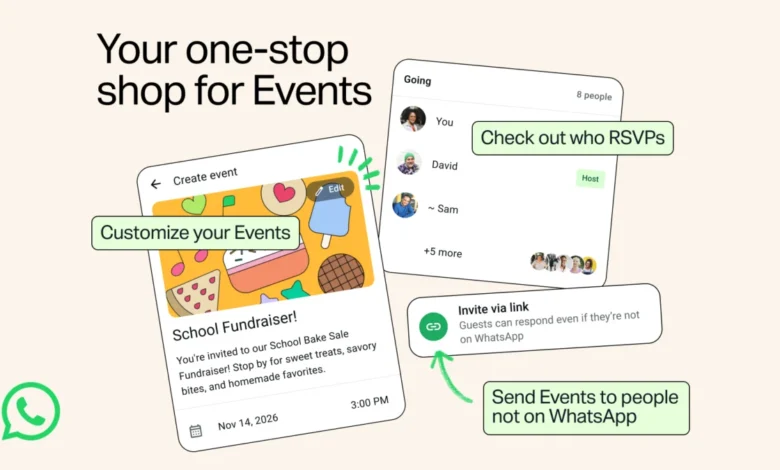
WhatsApp has officially announced a significant expansion of its platform capabilities with the introduction of a comprehensive event management suite designed to bridge the gap between its ecosystem and non-users. This strategic move marks a departure from the platform’s traditional focus on internal group messaging, positioning the service as a primary digital coordinator for real-world social gatherings. By allowing users to create, manage, and distribute event invitations that remain accessible to individuals outside of the WhatsApp infrastructure, the company is attempting to solidify its role as a foundational utility for personal organization.
The rollout of these features arrives at a critical juncture for Meta, the parent company of WhatsApp, as it seeks to increase user engagement and utility within its messaging applications. The update includes the integration of an Events Home hub, custom RSVP tracking, and, most notably, a link-sharing functionality that bypasses the requirement for recipients to hold an active WhatsApp account. This technical shift reflects an industry-wide trend toward platform interoperability, aimed at capturing a broader demographic that has historically remained fragmented across competing calendar and event-planning applications.
A Strategic Evolution of Platform Utility
For years, WhatsApp has served as the primary communication backbone for group coordination. However, the lack of dedicated, native scheduling tools frequently forced users to rely on third-party integrations or manual follow-ups to manage RSVPs. The introduction of Events on WhatsApp aims to mitigate this friction.
According to Meta’s internal development team, the initiative was driven by direct user feedback highlighting the difficulty of managing inclusive social groups that contain a mix of WhatsApp users and non-users. By creating a web-based portal for event details, WhatsApp is effectively lowering the barrier to entry for event participation. An invitee who does not possess the application can now view event logistics, such as date, time, and location, and respond to the invitation through a browser-based interface.
This design philosophy emphasizes a "one-stop-shop" approach, which mirrors the platform’s broader strategy of transforming from a simple messaging service into a "super app" ecosystem. By embedding event planning directly into the user’s workflow, WhatsApp reduces the likelihood of users migrating to rival platforms like Google Calendar, Evite, or specialized event management software for their social planning needs.
Chronology of the Update and Implementation
The development of the Events feature has been a multi-phased project. Preliminary testing began earlier this year, focusing on the functionality of the Events Home interface. Throughout the spring and summer, beta testers provided input on the user experience, particularly regarding the privacy settings and the ease of navigation for non-WhatsApp users.
The current global rollout, which began in the final quarter of the year, is timed to coincide with the onset of the holiday season. Historical data regarding platform traffic suggests that WhatsApp sees a significant spike in group messaging volume between November and January. By timing the release of this feature to precede the peak social season, Meta is banking on immediate adoption rates as users look for reliable ways to organize seasonal gatherings, family reunions, and festive meetups.
The rollout is scheduled to continue over the coming weeks, reaching global markets in phases. Users will be able to access these tools through the Settings menu, where a dedicated Events tab will aggregate both upcoming and past gatherings. This consolidation of event history is intended to simplify the user’s ability to manage recurring meetings or reference details from previously attended functions.
Privacy Standards and Data Security Frameworks
A primary concern for any digital service handling event logistics is the protection of user data, particularly when those events involve third-party participants who are not within the encrypted ecosystem of WhatsApp. The company has publicly emphasized that the security architecture for event invites maintains the platform’s core privacy tenets.
The system is designed so that a user’s phone number remains shielded from individuals who are not already in their contacts list or within the specific event group. For non-WhatsApp users, the interface is stripped down to the essential logistical data. The address of an event, for instance, remains gated behind the RSVP process, ensuring that location information is not publicly indexed or broadly accessible to unauthorized parties.
Furthermore, Meta has reiterated that these features do not compromise the end-to-end encryption of the underlying messaging platform. While the event invitation link itself exists as a web-accessible entity, the personal messages, media files, and calls exchanged within the WhatsApp group remain protected by the same security protocols that have defined the service’s reputation for privacy.
Market Context and Competitive Analysis
The decision to expand WhatsApp’s utility is supported by the platform’s massive scale. With over two billion monthly active users globally, WhatsApp occupies a unique position in the digital economy. However, it faces stiff competition from regional players in markets like India, Brazil, and parts of Europe, where other messaging platforms or specialized social apps compete for the same user time.
Industry analysts suggest that the "Events" feature is a tactical move to improve user retention. By keeping users within the WhatsApp environment for the entire lifecycle of an event—from the initial invitation to the final reminder—the platform increases its "stickiness." When users do not have to leave the app to check a calendar or confirm an address, the likelihood of them continuing to use the app for subsequent social interactions rises significantly.
Moreover, the integration of "plus one" functionality and automated reminders addresses a common pain point in social planning: the manual labor of tracking headcount. By automating the follow-up process, WhatsApp is positioning itself as a productivity tool rather than just a communication channel. This transition is essential for Meta as it continues to explore monetization pathways, such as business messaging and integrated services, which rely on a robust and highly engaged user base.
Broader Implications for Social Connectivity
The introduction of web-accessible event invites marks a subtle shift in the philosophy of the "walled garden." Traditionally, messaging apps have required users to sign up to view content. By allowing non-users to interact with WhatsApp-originated content via a standard browser, the company is demonstrating a move toward greater openness.
This could have implications for how digital social circles are formed. If the friction of organizing events is reduced, the frequency of real-world meetups may increase, potentially strengthening the ties between communities that are currently fractured by disparate technology preferences. Furthermore, for those who are hesitant to adopt messaging apps due to privacy concerns, the ability to interact with the service on a limited, event-specific basis serves as a low-risk introduction to the platform’s interface.
Expert Perspectives and User Reception
Early reactions from the tech community have been cautiously optimistic. While some critics argue that the feature adds complexity to an interface that is prized for its simplicity, others view it as a necessary evolution. "The platform has become so central to our lives that the absence of these tools was becoming an anomaly," noted one industry analyst. "By standardizing how events are handled, WhatsApp is essentially formalizing the informal planning that was already happening in group chats."
For business users and community organizers, the ability to manage RSVPs without a dedicated management software could prove to be a significant benefit. Small businesses, local clubs, and informal groups that rely on WhatsApp to reach their members now have a centralized dashboard to track participation. This is expected to be particularly impactful in emerging markets where WhatsApp serves as the primary gateway to the internet for millions of people.
Future Outlook
As the rollout progresses, the long-term impact of this feature will likely be measured by the rate of adoption among non-WhatsApp users. If the tool successfully convinces those outside the ecosystem to interact with the platform, it could serve as a growth lever for Meta. Conversely, if the feature remains strictly a utility for existing users, it will still serve its purpose of increasing time-spent-in-app and reducing the reliance on third-party event-planning services.
The company has indicated that it will continue to monitor usage patterns and feedback to refine the Events Home experience. Future updates could include deeper integrations with device calendars, more advanced customization options for invitations, and potential collaborative tools that allow multiple organizers to manage a single event.
Ultimately, the release of Events on WhatsApp represents a strategic pivot toward becoming an indispensable organizational tool. By streamlining the path from an idea in a group chat to a confirmed in-person meeting, WhatsApp is reinforcing its position as the central hub of digital communication, regardless of whether every participant is a registered user. This update is not merely an addition of a feature, but a reflection of the evolving demands of a user base that expects its digital tools to be as multifaceted and connected as the social lives they facilitate. As the digital and physical worlds continue to blur, the ability to seamlessly transition from an encrypted chat to a real-world event will likely remain a key benchmark for the success of global messaging platforms.