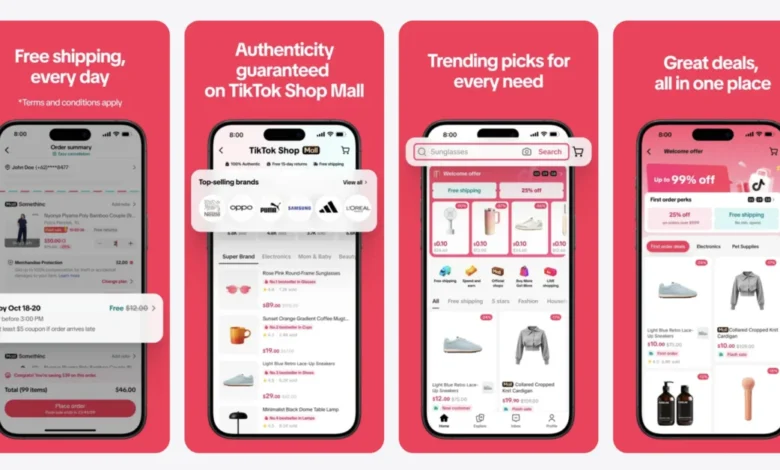
TikTok has officially entered a new phase of its e-commerce evolution by launching a standalone application dedicated exclusively to its shopping ecosystem. The move, which signals a significant pivot in the platform’s business strategy, sees the company rolling out the TikTok Shop app in four key Southeast Asian markets: Singapore, Malaysia, Thailand, and the Philippines. Available on both iOS and Android platforms, the application marks the first time the company has separated its commerce-focused features from its primary short-form video feed, creating a dedicated destination for consumers to browse, track orders, and engage with livestreams.
The Strategic Shift Toward Dedicated E-commerce
For years, TikTok has successfully integrated shopping into its primary interface. By allowing creators to tag products in makeup tutorials, cooking demonstrations, and lifestyle vlogs, the platform transformed "discovery" into "purchase" with remarkable efficiency. However, the decision to launch a standalone app suggests that TikTok is no longer content with being merely a discovery engine. Instead, the company is positioning itself to compete directly with established e-commerce giants like Amazon, Shopee, and Temu.
The standalone app serves as a centralized hub for the shopping experience, stripping away the algorithmic feed of the main TikTok app in favor of a curated marketplace. According to initial listings, the application features personalized product recommendations, real-time livestream shopping, and integrated order management tools. By creating a dedicated space, TikTok aims to capture intent-based shoppers—users who open their phones specifically to browse for goods, rather than those who happen upon an item while scrolling through entertainment content.

Chronology of the TikTok Shop Expansion
The emergence of this standalone application is the latest milestone in a long-term commercial roadmap that began years ago.
- Early Development (2021-2022): TikTok begins testing "Shop" features in various regions, allowing creators to link products directly to their videos.
- Rapid Scaling (2023-2024): The company invests heavily in logistics and internal payment processing, aiming to shorten the path from video view to checkout.
- Diversification (May 2026): TikTok expands its ecosystem with the launch of "TikTok GO," incorporating hotel bookings and travel experiences into its platform through partnerships with major travel aggregators.
- The "Must Eat" Launch (Late 2026): Following the travel expansion, the platform introduces a restaurant guide feature, utilizing over 40 million user-generated data points to offer local dining recommendations and reservation services.
- Standalone Launch (November 2026): The dedicated TikTok Shop app debuts in Singapore, Malaysia, Thailand, and the Philippines, marking a clear boundary between social entertainment and digital retail.
Supporting Data and Market Reception
As of early November 2026, the app has already begun to gain traction in its initial test markets. The Google Play Store listing indicates over 50,000 downloads shortly after the soft launch, while the Singaporean Apple App Store rankings show the app climbing into the top 100 within the shopping category. The rapid release of version 45.5.5 of the iOS application suggests that the company is actively iterating on the user interface, responding to feedback almost immediately to ensure a seamless checkout experience.
The app’s interface emphasizes buyer security and convenience, offering features such as 24/7 customer support, free shipping promotions, and specific "first-order" perks designed to incentivize new user acquisition. These tactics mirror the aggressive growth strategies used by global e-commerce players, indicating that TikTok is prepared to leverage its massive user base to subsidize its entry into the competitive retail market.
Organizational Structure and Data Governance
A critical aspect of this launch is the distinction between the entities managing the app. In Singapore, the app is listed under TikTok Pte. Ltd., the global entity responsible for commercial operations. This is distinct from the TikTok USDS Joint Venture, which manages the platform’s operations, data security, and recommendation algorithms within the United States. This structural separation highlights the complexity of TikTok’s global footprint, as the company navigates varying regional regulations and the technical requirements of maintaining its recommendation engine.

While there has been no official statement regarding an expansion into North American or European markets, the precedent set by the Southeast Asian rollout provides a blueprint for potential future launches. Should the standalone app prove successful in these initial markets, it could serve as a model for how the platform scales its commerce operations globally without cluttering the primary user experience of the main TikTok application.
Broader Implications for the Digital Economy
The launch of the TikTok Shop app reflects a broader industry trend where "super-apps" are attempting to consolidate multiple digital services under one brand umbrella. By providing dedicated apps for specific services—such as the PineDrama app for serialized short-form dramas and now the TikTok Shop app for retail—TikTok is testing whether its users prefer a fragmented experience that prioritizes specific functions over a single, monolithic app.
This strategy carries significant implications for the creator economy. Currently, many influencers rely on the main feed to drive sales through affiliate links. If the shopping audience migrates to a separate app, it could fundamentally change how creators produce content. They may need to shift from "discovery-style" videos to "shopping-optimized" content that performs better in an environment where users are already in a purchase mindset.
Furthermore, this move puts pressure on traditional retail giants. By integrating livestream shopping directly into the app, TikTok is effectively bridging the gap between cable-TV home shopping networks and modern digital marketplaces. The ability to see a product in action, ask questions in a live chat, and purchase within seconds provides a level of engagement that standard e-commerce platforms have struggled to replicate.

Analysis of Future Outlook
Looking ahead, the success of the TikTok Shop app will likely hinge on two factors: user retention and logistical reliability. While the platform has mastered the art of virality and discovery, moving into a retail-first model requires a high degree of trust regarding product quality, shipping timelines, and returns. If the company can maintain the same level of trust and efficiency that consumers expect from established e-commerce leaders, the standalone app could represent a permanent shift in how consumers interact with social media brands.
As of November 2026, the company has not provided a timeline for a broader international rollout, nor has it commented on whether the app will eventually merge back into the main TikTok experience. However, the sheer volume of data the company has collected through its "Must Eat" restaurant guide and travel features suggests that the platform is refining its ability to convert digital interest into real-world transactions.
For brands and creators, the takeaway is clear: TikTok is evolving into a comprehensive commerce utility. Whether this will successfully siphon market share from Amazon and other established retailers remains to be seen, but the intent to dominate the "social commerce" space is now more explicit than ever. The coming months will be a crucial testing period for the platform as it evaluates whether its massive, algorithmically-driven audience can be successfully translated into a dedicated, high-intent shopping community.
As the digital landscape continues to fragment, the success of this initiative may force other social media platforms to reconsider their own retail strategies. If TikTok can prove that a standalone shopping app is a viable business model, it is likely that competitors will follow suit, further blurring the lines between social networking and digital retail. For the end-user, this signals a future where the line between entertainment and the shopping cart is increasingly erased, making every video a potential store shelf.