Tributes Pour In From Hollywood and Beyond Following the Death of Legendary Actor Sir Patrick Stewart at 86

The global entertainment community is mourning the loss of Sir Patrick Stewart, the celebrated British actor whose illustrious career spanned over six decades across classical theatre, television, and blockbuster cinema. Stewart passed away at the age of 86, leaving behind an indelible legacy defined by dignity, remarkable versatility, and iconic roles that shaped modern popular culture. As news of his passing reverberated internationally, former co-stars, directors, and cultural figures shared profound tributes honoring a performer who elevated every medium he touched.
From the Royal Shakespeare Company to the Final Frontier
Born in Mirfield, Yorkshire, England, Stewart’s journey to international stardom was rooted in traditional British theatre. Before becoming a household name in science fiction and fantasy, he honed his craft with the prestigious Royal Shakespeare Company, establishing himself as a formidable classical stage actor. His commanding presence, distinctive voice, and rigorous training prepared him for a diverse screen career that defied easy categorization.
In 1984, Stewart entered the realm of epic science fiction as Gurney Halleck in David Lynch’s cinematic adaptation of Frank Herbert’s "Dune." However, it was in 1987 that Stewart achieved global prominence when he stepped onto the bridge of the USS Enterprise as Captain Jean-logic Picard in the syndicated television series "Star Trek: The Next Generation."

As Picard, Stewart redefined the archetypal starship captain. Eschewing the swashbuckling style of his predecessor, James T. Kirk, Stewart portrayed Picard as a thoughtful, philosophical, and diplomatic leader. The series ran for seven successful seasons until 1994, cementing its place as a cornerstone of modern television. Stewart reprised the role in four feature films—including "Star Trek: Generations" (1994), "Star Trek: First Contact" (1996), "Star Trek: Insurrection" (1998), and "Star Trek: Nemesis" (2002)—and later returned for the acclaimed Paramount+ streaming series "Star Trek: Picard," which concluded its third and final season.
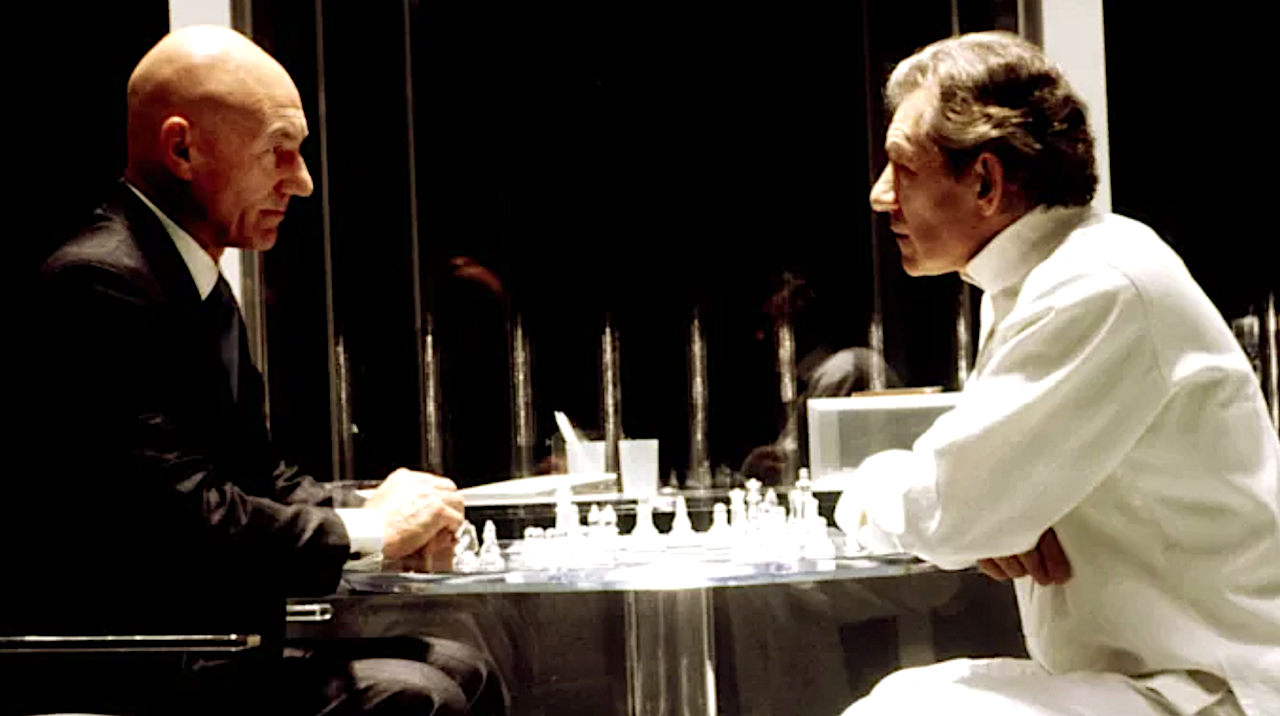
Beyond science fiction’s most famous fleet, Stewart achieved a second major franchise milestone when he was cast as Professor Charles Xavier, the visionary leader of the mutants in 2000’s "X-Men." His portrayal of the empathetic and intellectually brilliant telepath spanned multiple films over two decades, introducing him to a new generation of moviegoers. His final cinematic appearance as the character is slated for release in the upcoming Marvel Studios feature "Avengers: Doomsday," scheduled for theatrical release on December 18.
A Chronology of a Storied Career
To understand the magnitude of Sir Patrick Stewart’s cultural footprint, it is useful to examine the trajectory of his professional milestones:
- 1959–1960s: Began his professional acting career in regional theatre before joining the Royal Shakespeare Company, where he spent several decades performing in classic plays by William Shakespeare, Henrik Ibsen, and Anton Chekhov.
- 1984: Gained prominent international film exposure portraying Gurney Halleck in the feature adaptation of "Dune."
- 1987: Cast as Captain Jean-Luc Picard in "Star Trek: The Next Generation," launching a seven-season television run that transformed the science fiction genre.
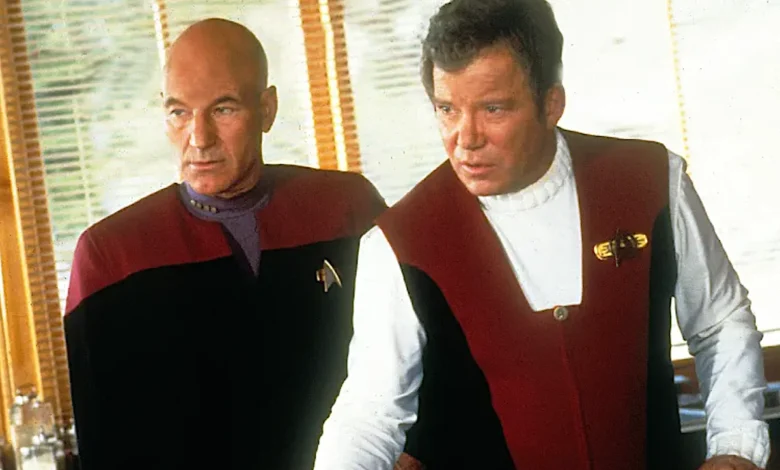
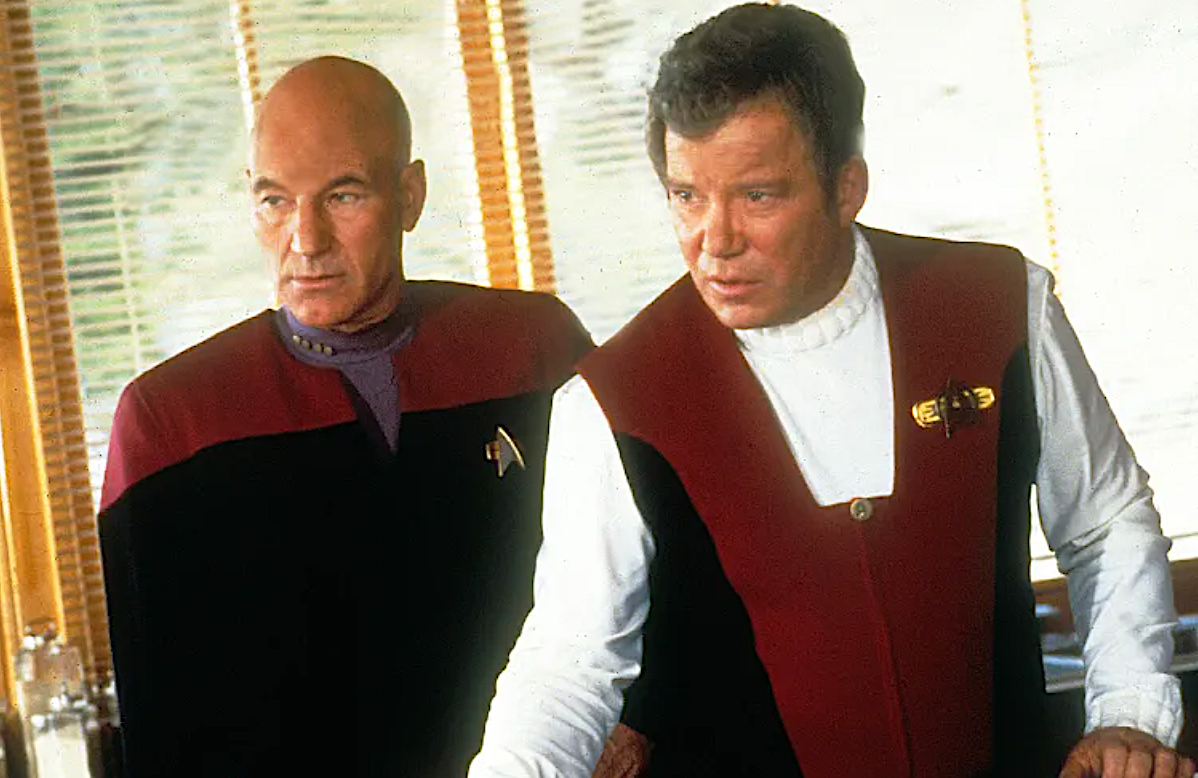
- 1994: Transitioned Picard to the big screen in "Star Trek: Generations," sharing the screen with original franchise lead William Shatner.
- 2000: Debuted as Professor Charles Xavier in Bryan Singer’s "X-Men," anchoring a foundational property for the modern superhero film boom.
- 2010: Appointed Knight Bachelor by Queen Elizabeth II at Buckingham Palace for services to drama, cementing his status as a British cultural icon.
- 2020–2023: Led and executive-produced "Star Trek: Picard," bringing narrative closure to his definitive television character.
- 2025: Scheduled posthumous cinematic appearance as Professor Charles Xavier in "Avengers: Doomsday."
Colleagues and Peers Remember a Consummate Professional

The outpouring of grief from his peers highlighted not only Stewart’s immense talent as an actor, but also his personal integrity, warmth, and dedication to his craft.
Sir Ian McKellen, Stewart’s longtime friend and co-star in the "X-Men" franchise as well as various stage productions, shared an emotional statement via social media emphasizing Stewart’s deep connection to his northern English heritage.
"Before everything else, Patrick was defined by being born and bred in Yorkshire, the proud county in the north of England which he loved to the end," McKellen wrote. "You could hear it in his accented voice and in the stern honesty with which he told you what he thought and felt. Yorkshiremen have no truck with half-truths or avoidance of big issues. He wore his heart on his sleeve, which made him a man to rely on, to admire and, in my case, love."
William Shatner, who portrayed Captain James T. Kirk and shared the screen with Stewart in "Star Trek: Generations," also expressed his sorrow over the loss of his fellow franchise captain.
"What a heartbreaking week it has been. Sir Patrick Stewart was a friend, a colleague, and a magnificent actor," Shatner posted. "From the stage to the bridge of the Enterprise, he brought intelligence, grace, and a deep sense of humanity to everything he did. Captain Picard stood for the best of us, and so did the man who played him. I was filled with affection and admiration for him and his work."
Members of the "Star Trek: The Next Generation" ensemble cast voiced deeply personal reflections on working alongside Stewart for decades.
Jonathan Frakes, who portrayed Commander William Riker and later became an established television director, reflected on their enduring professional and personal relationship. "There’s no one on this planet that I have acted with or directed more often than my late great friend Patrick Stewart," Frakes stated. "He will be with me forever. May he rest in Peace."
Marina Sirtis, who played Counselor Deanna Troi throughout the series and subsequent films, shared a video tribute detailing the profound impact Stewart had on her life and career. "Patrick, I loved you with all my heart," Sirtis said. "I know you’re up there now, reunited with all those that you’ve loved. But to say that you’ll be missed down here is probably the understatement of the century. It was an honor to work with Patrick. It was more than an honor; it was the privilege of my life to work with him."
Creative leaders and writers who collaborated with Stewart similarly praised his unique ability to translate written text into vivid, resonant performances. Akiva Goldsman, co-creator of "Star Trek: Picard" and "Star Trek: Strange New Worlds," described Stewart as a true master of his craft.
"Patrick was not only a true lion of the profession, he was the rarest of alchemists, one who could literally turn the written word into flesh and blood," Goldsman noted. "Patrick was kind, strong, fiercely intelligent, collaborative, vulnerable and wise. His Captain Jean-Luc Picard permanently expanded the universe of ‘Star Trek’ without measure."
Broader Impact and Industry Implications
Sir Patrick Stewart’s passing marks the end of an era for both traditional British theatre and major American entertainment franchises. Throughout his career, Stewart successfully bridged high art and pop culture, proving that rigorous classical training could translate seamlessly into commercially successful science fiction and superhero cinema.
His contribution to the cultural lexicon extends far beyond individual performances. By imbuing genre characters with intellectual depth, moral clarity, and emotional vulnerability, he helped alter public perception of science fiction and comic book adaptations, establishing standards of acting performance that influenced subsequent generations of performers.
As institutions, fans, and colleagues continue to process his loss, the enduring body of work left behind by Sir Patrick Stewart ensures that his voice, presence, and contributions to the dramatic arts will remain a permanent fixture of global cinematic and theatrical history.