Rian Johnson launches Chromagraph Camera to bring professional cinematic color science to the iPhone

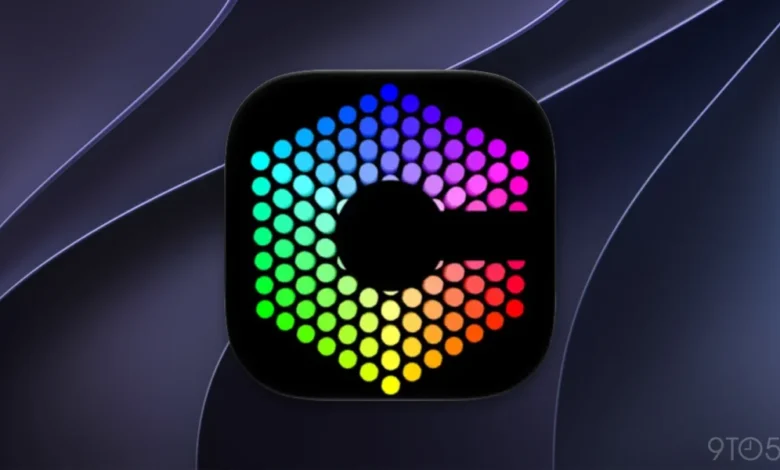
The intersection of professional filmmaking and mobile photography has reached a new milestone with the debut of Chromagraph Camera, a specialized application commissioned by director Rian Johnson and developed in collaboration with cinematographer Steve Yedlin and color scientist Eric Cameron. Released this week, the application represents a significant shift in the third-party camera market, moving away from standard computational photography presets toward a robust, ground-up image processing engine modeled after the specific color science used in high-budget feature films like Knives Out.
The Evolution of Computational Photography
For years, the smartphone industry has been defined by "computational photography"—a process where hardware limitations are mitigated by aggressive software algorithms. Apple’s Deep Fusion, Smart HDR, and Photonic Engine have undoubtedly democratized high-quality imaging, but they have also faced criticism from purists. Tech enthusiasts and professional photographers have frequently noted that Apple’s default processing often results in over-sharpened edges, suppressed shadows, and a "digital" look that lacks the organic character of traditional film.
The market has responded with a wave of "pro" camera apps. Applications like Halide have pioneered the shift toward raw data capture, offering users the ability to bypass Apple’s default processing entirely. However, the introduction of Chromagraph Camera marks a different approach: instead of simply handing the user raw data to edit, it applies a proprietary, scientifically grounded processing pipeline at the moment of capture, mimicking the workflow of a professional digital intermediate (DI) suite in a cinema production.
Chronology of Development
The genesis of Chromagraph began as an internal project for Rian Johnson. According to statements provided by the director, he sought a tool that could bridge the gap between his personal iPhone photography and the high-end aesthetic he achieves on film sets. Working alongside Steve Yedlin, a cinematographer renowned for his technical precision and deep understanding of color science, Johnson experimented with custom LUTs (Look-Up Tables) and image processing pipelines.

- Initial Conception: Johnson, seeking a mobile solution for on-set scouting and personal projects, engaged Yedlin to develop a system that did not rely on standard mobile post-processing.
- Development Phase: Collaborating with software engineer Eric Cameron, the team moved beyond simple filters. They developed a proprietary engine that processes raw sensor data through a custom pipeline designed to emulate filmic qualities like halation, grain, and specific color roll-offs.
- Internal Testing: The app served as a "secret weapon" for Johnson for an extended period, allowing him to capture images that felt consistent with his professional work.
- Public Launch: After recognizing a lack of similar, streamlined tools in the App Store, the team decided to finalize the software for public release, launching it this week to immediate interest in the photography community.
Technical Architecture and Design Philosophy
Chromagraph Camera distinguishes itself from standard camera apps by fundamentally altering the image data path. Most photo apps apply filters to a processed JPEG or HEIC file. Chromagraph, conversely, accesses the raw data directly from the iPhone’s sensor and applies its own image processing stack before any standard iOS optimization takes place.
The application’s workflow mirrors the "shoot-and-monitor" philosophy of professional cinema. When a user captures an image, they are not presented with a real-time preview of the final, processed look. Instead, the viewfinder displays the raw feed, and the final "look" is rendered post-capture. This intentional design choice is meant to mimic the experience of shooting on film, where the cinematographer trusts the light and the setup, viewing the final result only after the "processing" (or development) phase.
Key technical features include:
- Raw Data Pipeline: Bypassing standard Apple computational stacks to ensure the original data remains intact.
- Color Science Integration: Using algorithms derived from the same color science applied in the post-production of feature films.
- Non-Destructive Editing: The app allows users to retain full-quality raw files while applying the "Chromagraph look" as a live layer, which can be adjusted or toggled without damaging the underlying data.
- Texture and Tone Tools: Dedicated controls for grain, halation, and luminance that allow for fine-tuned adjustments without sacrificing the core aesthetic integrity of the image.
Market Impact and User Reception
As of this week, Chromagraph Camera has surged to the top of the "Photo & Video" category in the Apple App Store. Priced at $12.99 with no in-app purchases or subscription requirements, it represents a "premium-utility" model that contrasts with the subscription-heavy trends of modern SaaS (Software as a Service) applications.
Initial reviews have been largely positive regarding the color output, though some users have noted that the interface, which prioritizes a film-production workflow, may present a steeper learning curve for casual photographers. The decision to support the iPhone’s advanced camera systems—including the latest multi-lens configurations—suggests that the developers are committed to maintaining parity with Apple’s high-end hardware.

Broader Implications for Mobile Imaging
The success of Chromagraph raises questions about the future of mobile photography. As AI-driven image processing becomes the standard for mainstream users, there is a growing counter-movement of creators who prioritize "intent" over "automation." By bringing high-end film science to a consumer device, Johnson and Yedlin are essentially arguing that the most important factor in photography is not the resolution of the sensor, but the quality of the interpretation of light.
This trend mirrors the resurgence of film cameras and the popularity of digital cameras with "film simulations," such as those produced by Fujifilm. Users are increasingly fatigued by the "plastic" look of overly processed mobile photos and are willing to pay for tools that provide a more authentic, cinematic aesthetic.
Furthermore, the involvement of a high-profile director like Rian Johnson signals a shift in how professional filmmakers view the iPhone. Once considered a "toy" for behind-the-scenes footage, the iPhone is increasingly being treated as a legitimate, primary tool for visual storytellers. When the individuals responsible for multi-million dollar productions invest in developing their own software, it validates the mobile platform as a serious medium for artistic expression.
Conclusion: The Future of the "Look"
While Chromagraph Camera may not replace the utility of the default Apple camera for quick snapshots, it provides a sophisticated alternative for those who view photography as an extension of cinematography. By stripping away the heavy-handed, automated corrections that have defined the smartphone era, the app offers a glimpse into a future where the distinction between a "phone photo" and a "cinema frame" becomes increasingly blurred.
Whether this marks a permanent shift in mobile photography remains to be seen. However, the immediate commercial success of the app underscores a clear market demand: consumers are no longer satisfied with being told what their photos should look like; they want the tools to define that look for themselves. As more creators follow the lead of professionals like Johnson and Yedlin, the mobile camera app market will likely see an influx of tools that prioritize manual control, raw data integrity, and specific, curated artistic aesthetics over the one-size-fits-all algorithms that have dominated the last decade.