The IQOO Neo 12 Defies Mid-Range Expectations With Flagship Performance and Extreme Hardware Capabilities

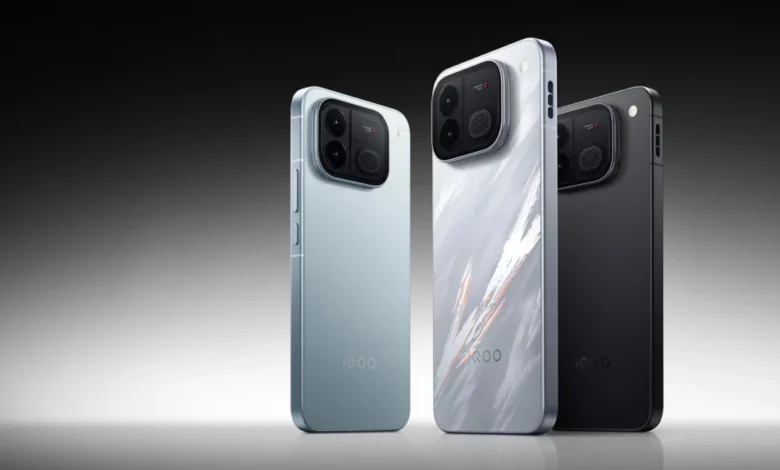
The mobile industry has long operated under a clear stratification: flagship devices command premium prices for top-tier hardware, while mid-range handsets typically require compromise in processing power, cooling, or build quality. With the launch of the IQOO Neo 12, the Vivo-backed sub-brand is aggressively dismantling these boundaries. By integrating the cutting-edge Qualcomm Snapdragon 8 Elite Gen 5 chipset—the same engine powering high-end devices like the Samsung Galaxy S26 Ultra—into a chassis priced for the upper mid-range market, IQOO is signaling a shift in how value is defined in the mobile landscape.
A Technological Powerhouse in a Compact Frame
At the heart of the IQOO Neo 12 lies the Qualcomm Snapdragon 8 Elite Gen 5, a processor designed to handle the most demanding computational tasks, from real-time ray tracing in mobile gaming to complex AI-driven photography. To ensure this silicon maintains its peak performance without thermal throttling, IQOO has engineered a sophisticated cooling solution. The device features a custom 59-blade active cooling fan, a rarity in modern smartphones, paired with a specialized 3D Ice Dome vapor chamber. This hardware synergy allows for sustained high-frame-rate gaming, a capability that typically requires bulky, dedicated gaming phones rather than a standard daily driver.

Beyond raw processing power, the display technology underscores the device’s ambition. The 6.83-inch AMOLED panel boasts a 185Hz refresh rate, providing an exceptionally smooth visual experience. With a 2K resolution and a peak brightness of 2,200 nits, the screen is designed to be legible even under harsh, direct sunlight. Recognizing the physiological impact of prolonged screen time, IQOO has incorporated both DC dimming and 2,160Hz PWM dimming to minimize eye fatigue. Complementing this is a dedicated display chip that facilitates 16-level touch responsiveness, ensuring that input latency is virtually imperceptible to the user.
Durability and Battery Innovation
One of the most notable technical specifications of the Neo 12 is its robust energy capacity. The device houses a massive 9,000mAh battery, a significant departure from the 5,000mAh standard currently dominating the market. To manage this high-density power cell, the phone supports 100W wired charging, which dramatically reduces downtime for the user. Despite the technical complexity of integrating an active cooling fan, the device has successfully achieved an IP69 rating. This certification is particularly impressive, as it indicates the phone is protected not only against dust but also against high-pressure, high-temperature water jets, a level of durability usually reserved for ruggedized specialty devices.
The hardware suite is rounded out with an ultrasonic fingerprint sensor for biometric security, an IR blaster for home automation control, and high-fidelity stereo speakers. The camera system, housed in a distinct raised island, features a 50MP Sony IMX921 primary sensor, an 8MP ultra-wide lens, and a 16MP front-facing camera. While the camera configuration is less experimental than the performance hardware, it provides a functional and reliable photography experience for a device focused primarily on raw power.

Chronology of the IQOO Neo Series
The IQOO Neo series has consistently served as a testing ground for the brand’s "performance-first" philosophy. Since its inception, the line has evolved from simple hardware iteration to a platform for introducing high-end features at competitive price points.
- Early Development Phase: Initially, the Neo series focused on mid-range Snapdragon 7-series chipsets, aimed at budget-conscious gamers.
- The Shift to Flagship Silicon: In recent years, IQOO transitioned the series to utilize the previous generation’s flagship Snapdragon 8-series chips, effectively blurring the lines between the premium "Numbered" series and the value-oriented "Neo" line.
- The 2026 Milestone: The release of the Neo 12 represents the most significant leap yet, as it adopts the latest-generation Snapdragon 8 Elite, bringing parity to the highest tier of the Android ecosystem for the first time in this product family.
Market Context and Strategic Implications
The decision to pair flagship-grade components with a mid-range price point reflects a broader strategy by Vivo and its subsidiaries to capture market share from competitors who may be raising prices on their flagship models. By leveraging the scale of its supply chain, IQOO can absorb the cost of features like active cooling fans and oversized batteries, which would be prohibitively expensive for smaller manufacturers to implement at this price point.
Industry analysts suggest that this strategy serves two purposes. First, it fosters brand loyalty among younger, tech-savvy demographics who prioritize specifications over brand prestige. Second, it exerts pressure on competitors to offer better value propositions in the sub-$800 segment. If the Neo 12 performs as well in real-world usage as its data sheets suggest, it may force a reassessment of what "value" means in the premium smartphone segment.

Global Outlook and Future Availability
Currently, the IQOO Neo 12 is available exclusively in the Chinese market, with the company offering three distinct colorways: Contender, Frost Blade Blue, and Shadow Black. The device is available for purchase through the official Vivo online channels in China. As of this report, no specific date has been confirmed for a global launch.
The lack of a global release date is a recurring theme in the IQOO strategy. Historically, the company has prioritized its home market before expanding to India and other select international territories. However, given the intensity of the competition in the global Android space—where brands like Xiaomi, OnePlus, and Motorola are constantly vying for the mid-to-high-end segment—a wider release of the Neo 12 could be a significant disruptor.
Technical Analysis: The Cooling Paradox
The inclusion of an active cooling fan is the most technically complex aspect of the Neo 12. In the history of mobile computing, active cooling has been limited to specialized "gaming phones" that often compromise on camera quality, weight, and water resistance to accommodate the hardware. By achieving an IP69 rating alongside the cooling fan, IQOO has effectively solved one of the industry’s most persistent engineering puzzles: how to maintain airflow without creating a point of failure for water and dust ingress.

This development suggests that future smartphones, even those not marketed as "gaming devices," may begin to incorporate more advanced thermal management systems. As mobile processors become more powerful, they generate more heat, and passive cooling solutions—such as standard vapor chambers—may eventually reach their physical limits. The Neo 12 serves as a case study for the industry on how to scale thermal management without sacrificing the aesthetic or functional standards of a modern, sleek handset.
Official Stance and Market Reaction
While IQOO has not issued a formal statement regarding the specific manufacturing challenges of the Neo 12, the company’s marketing collateral emphasizes "uncompromised performance." The reception in China has been positive, with early adopters praising the device’s ability to maintain high frame rates in resource-intensive titles like Genshin Impact and Zenless Zone Zero.
The implications for the broader market are clear: consumers are increasingly demanding flagship-level performance without the flagship-level tax. The IQOO Neo 12 is positioned as an answer to this demand. Whether the device can sustain this momentum in international markets—where software optimization, carrier compatibility, and post-purchase support are just as critical as raw hardware—remains to be seen. For now, the Neo 12 stands as a testament to the fact that high-end performance is no longer an exclusive luxury, but a reachable benchmark for the broader consumer base.

As the industry continues to evolve, the IQOO Neo 12 sets a new, higher bar for what a "mid-range" phone can achieve. By prioritizing cooling, battery capacity, and cutting-edge silicon, the brand has created a device that is arguably more capable than many of its more expensive counterparts, forcing a necessary conversation about the true cost of modern smartphone hardware. Whether this leads to a permanent shift in industry standards will depend on the brand’s ability to scale this production and navigate the complex logistics of a global release in the coming year.
Related posts: