Unstoppable Blockbuster: Minecraft Pulls in 300,000 New Players Daily as It Nears Two Decades of Global Dominance

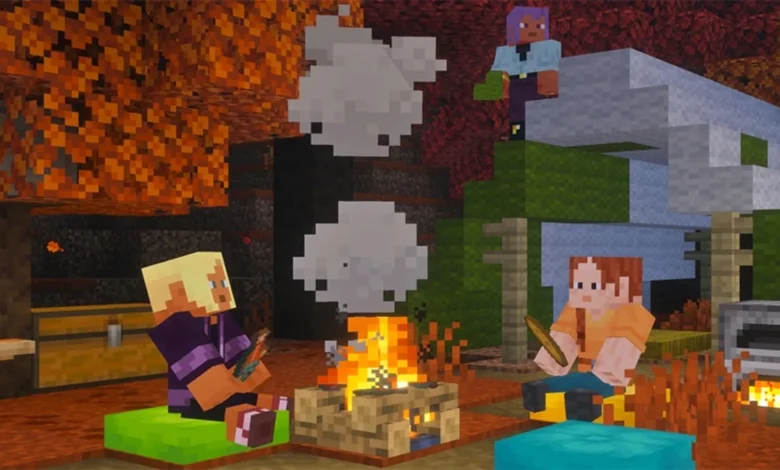
Minecraft continues to defy the typical lifecycle of a video game, attracting more than 300,000 first-time players every single day. This staggering statistic was revealed by Xbox CEO Asha Sharma over the weekend via social media, highlighting the enduring cultural and commercial power of Mojang’s block-building masterpiece.
As the game approaches its seventeenth anniversary and a monumental 425 million copies sold worldwide, these figures cement its status as the best-selling video game of all time. Rather than slowing down, Minecraft is experiencing a continuous influx of fresh demographics, crossing generational lines and expanding its global footprint.
The latest milestone announcements were made during the high-profile Minecraft Live event, where developers showcased an ambitious slate of content. Among the highlights was the unveiling of Dungeons II, marking the introduction of the first entirely new dimension to the core experience in over 14 years. Furthermore, the showcase detailed expanded creator tools designed to empower the community’s modders and builders, alongside concrete updates regarding the game’s upcoming expansion onto next-generation hardware.
The Journey to Next-Gen: The Nintendo Switch 2 Integration
The platform expansion strategy for Minecraft reached a significant juncture with the upcoming release on the Nintendo Switch 2, scheduled for October 27, 2026. The path to this announcement has been a gradual one, beginning with an accidental leak through an ESRB rating board listing back in June. Shortly after the leak, Nintendo formally acknowledged the port during a dedicated Direct showcase, though initial presentations omitted a specific launch window.
While the confirmation of a Switch 2 version has generated immense enthusiasm among portable gaming fans, it has also reignited discussions regarding upgrade paths and consumer pricing models. Existing owners of the original Nintendo Switch version will be provided an upgrade path to the enhanced hardware tier, though this transition will not be free of charge.
This pricing structure aligns with a broader trend established by Nintendo for its next-generation console ecosystem. Paid upgrades have become a standardized requirement for several prominent first-party titles, including major franchises like The Legend of Zelda, Kirby, and Metroid Prime 4. Meanwhile, third-party publishers have adopted varying approaches; some companies, such as Square Enix, have opted out of offering upgrade paths entirely for certain legacy re-releases, requiring consumers to purchase entirely separate software editions.
A Historical Chronology of Minecraft’s Expansion
To understand the magnitude of Minecraft’s current success, it is essential to examine the trajectory that transformed an indie sandbox project into a multi-platform media juggernaut.
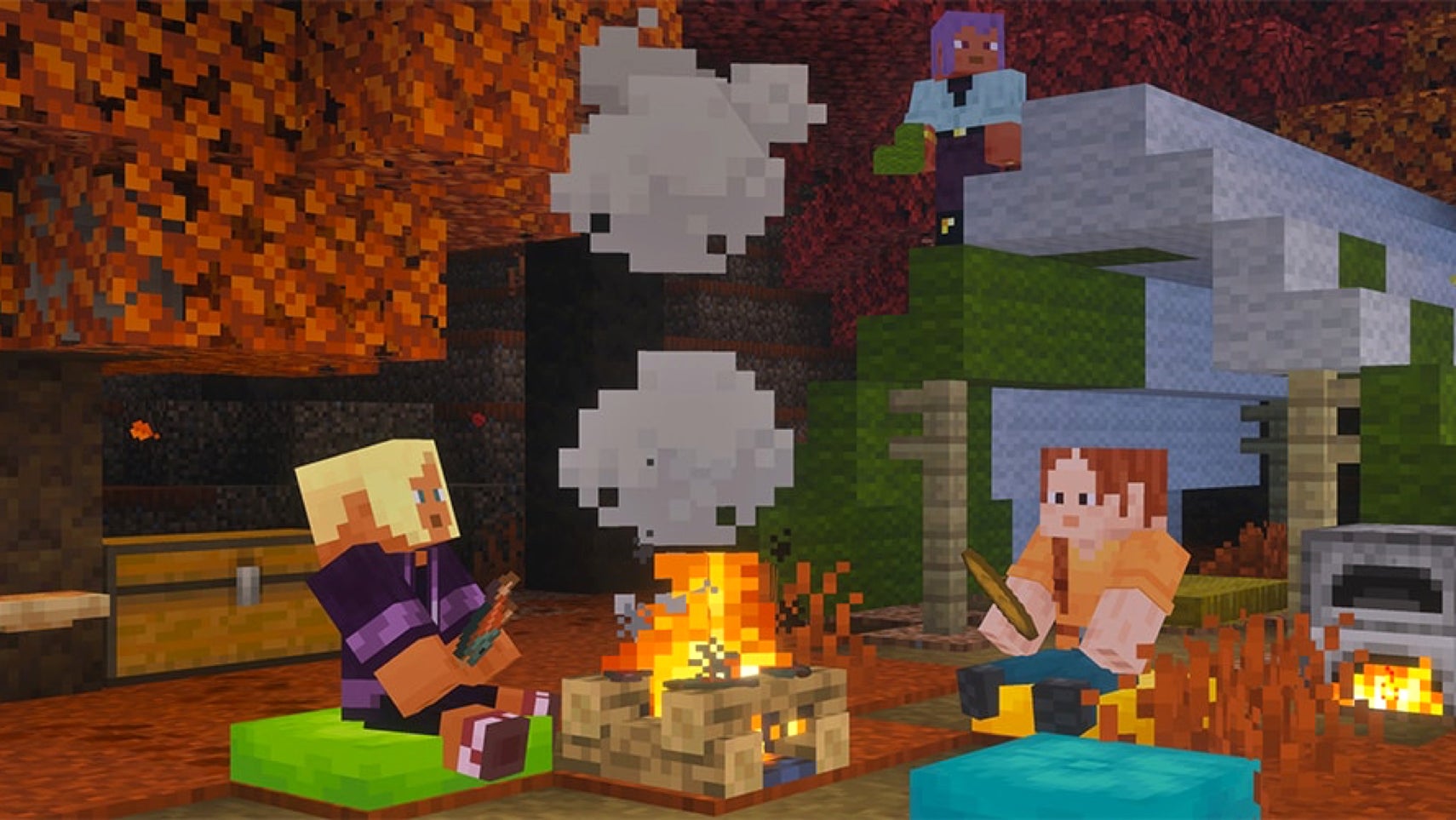
The timeline of the franchise traces back across multiple eras of the gaming industry:
- 2009: Markus "Notch" Persson releases the earliest public alpha build of Minecraft on PC, establishing the foundational mechanics of mining, crafting, and survival.
- 2011: The official full version of the game debuts at MineCon, quickly gaining traction through internet culture, YouTube, and word-of-mouth recommendations.
- 2014: Microsoft acquires Mojang Studios and the Minecraft franchise for $2.5 billion, signaling a massive corporate investment in the brand’s long-term multi-platform potential.
- 2016–2020: The game expands aggressively onto nearly every available gaming device, including mobile platforms, virtual reality headsets, and various console generations, solidifying its universal accessibility.
- 2023–2025: Sales milestones surpass 300 million and eventually climb past 425 million copies, making it an undisputed commercial outlier in entertainment history.
- 2026: Asha Sharma confirms the daily influx of 300,000 new users during Minecraft Live, alongside the announcement of major content updates and the upcoming Nintendo Switch 2 integration.
Corporate Context and Organizational Shifts
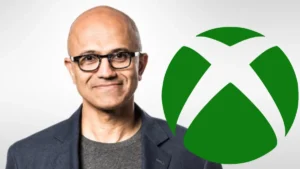
The latest milestones for Minecraft arrive amid a period of significant structural transition within its parent company, Microsoft, and the broader Xbox division. Just prior to the Minecraft Live announcements, Microsoft CEO Satya Nadella publicly praised the Xbox leadership team for its ongoing "streamlining" efforts under the direction of Asha Sharma.
This corporate restructuring, however, has not occurred without friction. Nadella’s endorsement followed closely on the heels of a fresh wave of layoffs that impacted various departments within the Xbox division. The simultaneous occurrence of large-scale workforce reductions and record-breaking gaming metrics has fueled ongoing industry discourse regarding sustainability, operational efficiency, and profitability within the contemporary video game industry.
Analysts note that while tentpole intellectual properties like Minecraft continue to generate staggering revenues and user acquisition numbers, the broader corporate apparatus is under increasing pressure to optimize expenses and narrow operational focus. Sharma’s dual oversight of these contrasting realities—celebrating unprecedented player growth while managing internal restructuring—underscores the complex balancing act required to helm one of gaming’s most lucrative divisions.
Market Implications and the Future of Sandbox Gaming
The revelation that 300,000 individuals experience Minecraft for the first time daily carries profound implications for the gaming market at large. It demonstrates that certain foundational multiplayer and sandbox titles have transcended traditional product lifecycles to become evergreen digital platforms, functioning more like social spaces or operating systems than traditional entertainment software.
By continuously introducing fresh dimensions, upgrading technical performance for next-generation hardware like the Nintendo Switch 2, and fostering user-generated content economies, Mojang and Microsoft have created a self-sustaining ecosystem. The challenge moving forward will be maintaining this delicate equilibrium: balancing the technical demands of modern hardware upgrades with the broad, frictionless accessibility that initially propelled the game to global prominence.
As Minecraft barrels toward its second decade of operation, its ability to continually capture hundreds of thousands of new converts daily suggests that the block-based phenomenon shows no signs of structural fatigue. Whether through classroom adoption, family gaming nights, or next-generation hardware adoption, the title remains a dominant pillar of interactive entertainment, weathering industry-wide corporate shifts while expanding its historic legacy.