AWS Elastic Beanstalk Enters a New Era With Fully-Managed Cluster Mode and Native Amazon EKS Integration

Fifteen years after its initial market debut in 2011, Amazon Web Services (AWS) has announced a profound architectural evolution for AWS Elastic Beanstalk, its flagship application deployment and management service. The latest update introduces a fully managed "Cluster Mode," unifying the operational simplicity that developers have trusted for over a decade with the robust scalability, multi-tenancy, and orchestration power of Amazon Elastic Kubernetes Service (Amazon EKS). This significant release is designed to streamline the lifecycle management of complex, multi-application portfolios, offering a unified operational baseline that drastically reduces infrastructure overhead while keeping AWS accountable for underlying maintenance, patching, and security.
A Legacy of Simplified Deployment Meets Modern Cloud-Native Demands
Since its inception, Elastic Beanstalk has served as a cornerstone for developers seeking to deploy and scale full-stack applications across popular programming languages—including Java, .NET, Python, Node.js, PHP, Ruby, and Go—without getting bogged down in low-level infrastructure management. Over the years, enterprise adoption has soared, prompting AWS to continually overhaul and modernize the service’s underlying operational engine.
Recent modernization efforts have introduced a suite of advanced capabilities. Among these are AI-powered environment analysis tools designed to diagnose runtime health issues and recommend automated remediations, as well as native GitHub Actions integration enabling streamlined CI/CD pipelines through simple YAML configurations. Furthermore, the platform has integrated OpenTelemetry-based observability, traffic-splitting deployments complete with automatic rollbacks, event-driven autoscaling, centralized secrets management via AWS Secrets Manager, and default HTTPS encryption powered by AWS Certificate Manager.
The launch of Cluster Mode represents the culmination of these advancements, addressing the modern enterprise challenge of managing large-scale microservices architectures without proportional increases in operational complexity.
Architectural Innovations of Cluster Mode
The newly introduced Cluster Mode is tailored specifically for organizations managing a portfolio of applications, ranging from a handful of services to hundreds. Traditionally, operating applications in isolation on individual infrastructures introduced management overhead and resource fragmentation. Cluster Mode changes this paradigm by allowing multiple applications to share a unified, highly scalable infrastructure foundation driven by Amazon EKS, yet governed by a single, cohesive operational baseline.

By pooling resources across shared environments, organizations can achieve higher resource utilization rates, driving down per-application costs as their software portfolios expand. Regardless of whether a team operates ten distinct workloads or a hundred, management is consolidated into a single administrative experience, ensuring consistent operational guarantees across disparate technology stacks.
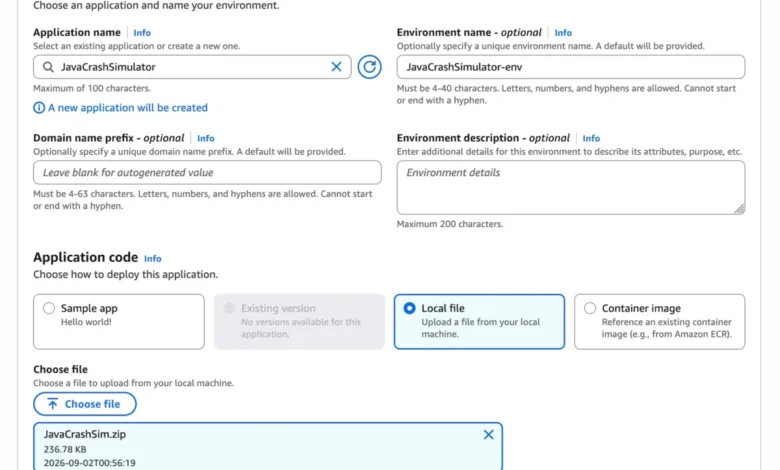
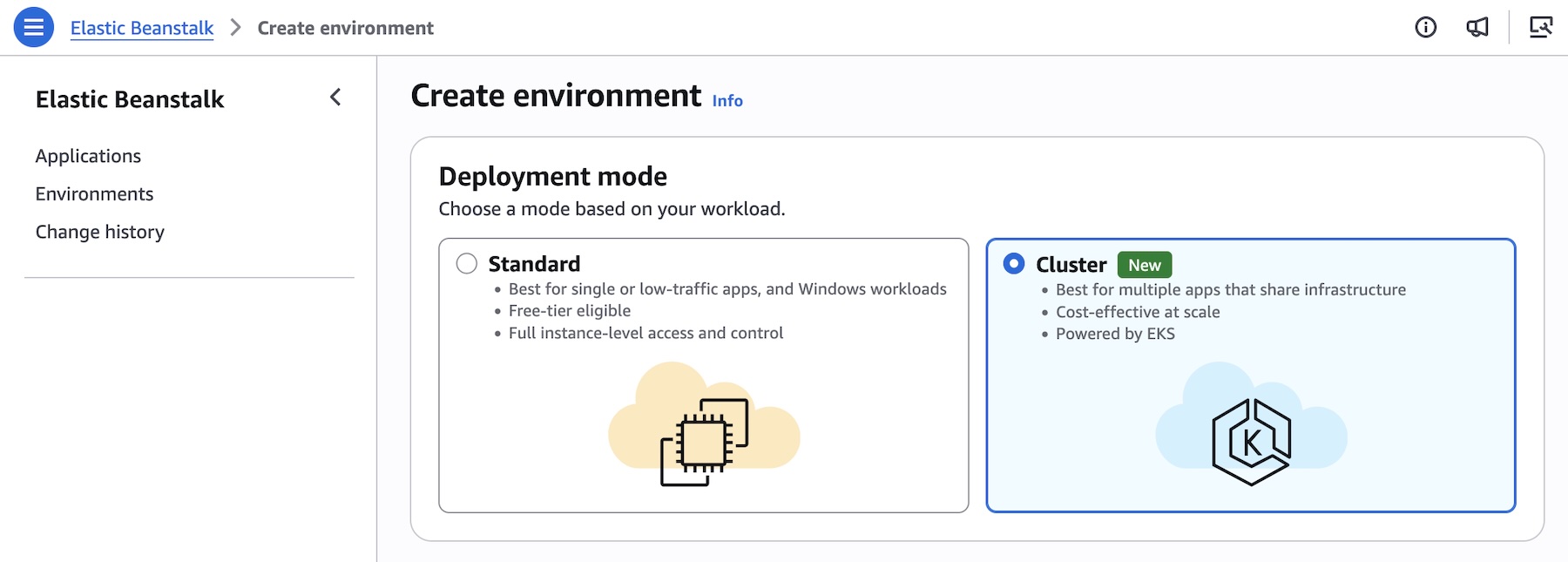
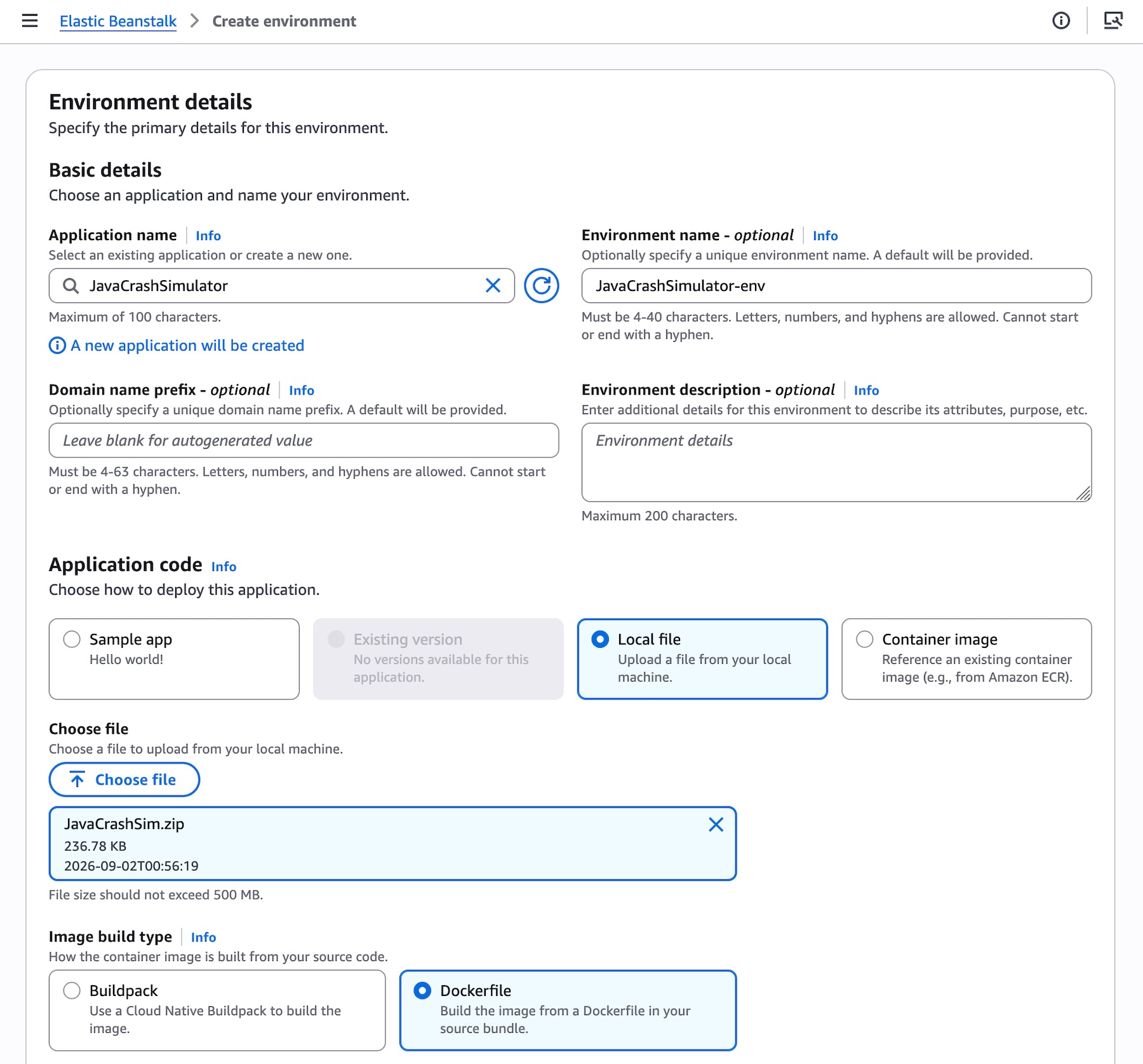
For engineering teams looking to adopt this new paradigm, the transition is frictionless. Developers can interact with Cluster Mode via the AWS Management Console, the AWS Command Line Interface (CLI), the specialized EB CLI, or standard AWS SDKs. When setting up a cluster-based environment, users simply specify "Cluster" as the deployment type and provide source code, a Dockerfile, or pre-built container images stored in Amazon Elastic Container Registry (Amazon ECR).
While the initial deployment of a cluster across specified subnets triggers the provisioning of an underlying EKS control plane—taking approximately ten minutes—subsequent deployments execute rapidly by leveraging the pre-existing cluster architecture.
Seamless Coexistence and Migration Pathways
To ensure business continuity for existing enterprise clients, AWS has confirmed that Elastic Beanstalk Standard Mode—powered by Amazon Elastic Compute Cloud (EC2)—will remain fully supported. Standard and Cluster Mode environments are engineered to run side by side within the same Elastic Beanstalk application structure.
This architectural decision is intentional, allowing engineering teams to migrate legacy environments to the new EKS-backed infrastructure incrementally, at their own pace, rather than forcing a disruptive, all-or-nothing system upgrade. Built-in validation checks automatically assess compatibility before any structural changes are applied, mitigating deployment risks.
Standard Mode will continue to be recommended for workloads that demand direct EC2-level customization or specific architectural topologies that do not map neatly onto containerized Kubernetes primitives. Meanwhile, Cluster Mode emerges as the premier choice for microservices-oriented teams aiming to harness the elasticity and standardization of Kubernetes without undertaking the steep learning curve traditionally associated with raw cluster administration.
Financial Models and General Availability
AWS Elastic Beanstalk Cluster Mode is generally available starting today across all AWS Regions where Elastic Beanstalk is currently supported. Organizations can verify specific regional availability and review the product roadmap via the official AWS Capabilities by Region portal. For engineering teams leveraging generative AI tools in their development workflows, AWS has also enabled support through the AWS MCP Server and associated plugins, allowing developers to query APIs, search documentation, and troubleshoot deployments using their preferred AI assistants.
Regarding pricing, AWS has structured Cluster Mode to be cost-transparent. There are no additional platform charges levied directly by Elastic Beanstalk for utilizing Cluster Mode. Instead, customers pay strictly for the underlying AWS resources consumed by their applications. This includes the standard EKS control plane fee, EKS Auto Mode compute resources, Amazon ECR storage, and Amazon CloudWatch monitoring logs. Notably, Cluster Mode environments are not eligible for the AWS Free Tier. Detailed pricing breakdowns are available on the official AWS Elastic Beanstalk Pricing page.
Industry Implications and Analyst Outlook
Cloud computing analysts view the introduction of Elastic Beanstalk Cluster Mode as a strategic move by AWS to bridge the gap between platform-as-a-service (PaaS) simplicity and container orchestration power. As enterprise software development increasingly standardizes around Kubernetes and microservices architectures, organizations frequently encounter "operational fatigue" resulting from the manual upkeep of complex cluster environments.
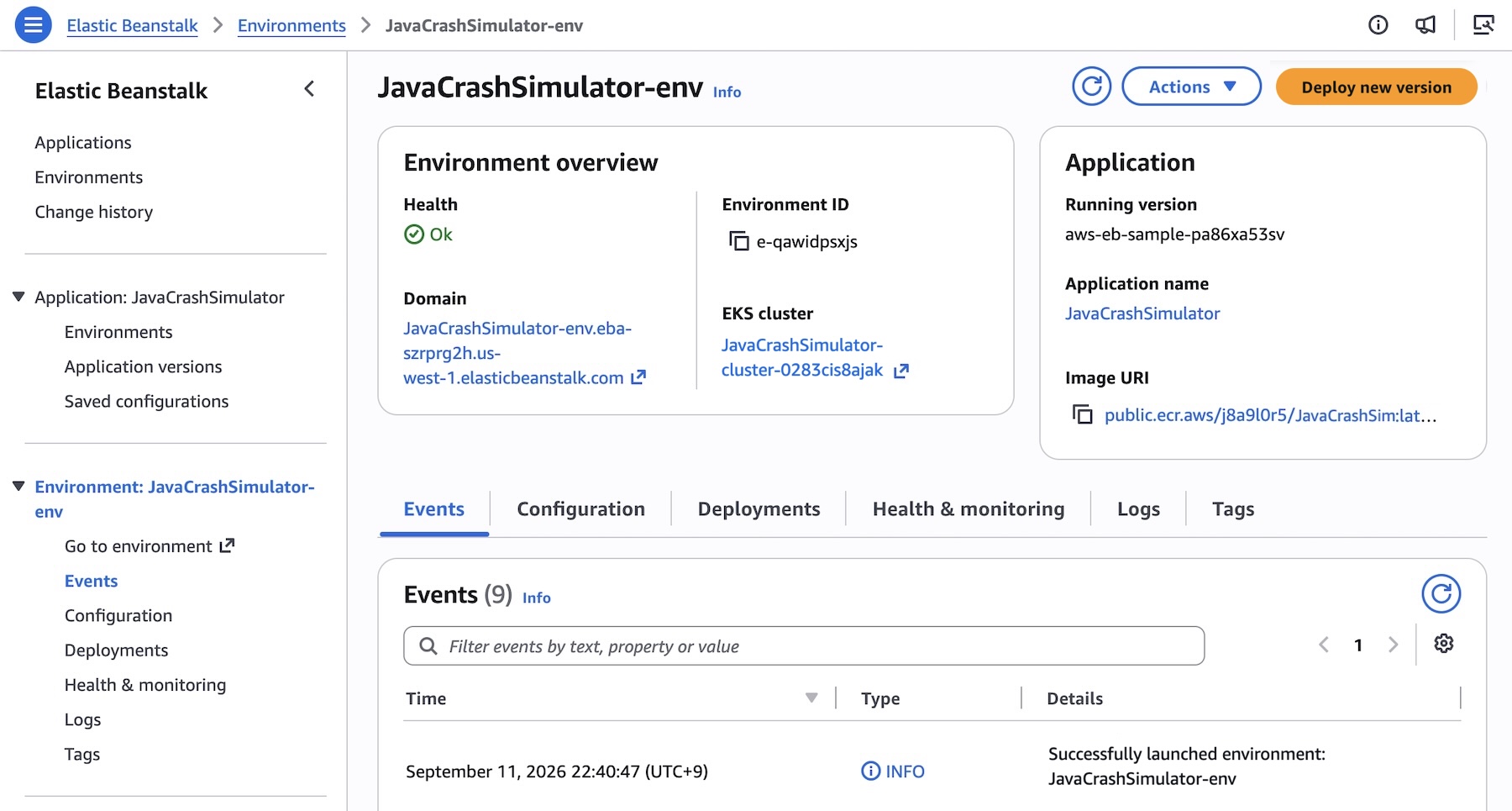
By abstracting away the operational burden of EKS management while retaining the granular control required for enterprise-grade microservices deployment, AWS is positioning Elastic Beanstalk as a compelling solution for companies seeking modernization without runaway DevOps overhead. The integration of AI-driven health diagnostics, native GitOps workflows through GitHub Actions, and unified multi-application resource sharing addresses the primary pain points cited by engineering leaders in recent cloud adoption surveys.
Feedback channels for the new service are currently open through the AWS re:Post community for AWS Elastic Beanstalk, as well as standard enterprise AWS Support channels, enabling the engineering community to actively shape the future roadmap of this mature platform.