Three tiny rock hyrax pups have arrived at Chester Zoo in an evolutionary surprise that highlights the hidden connections in the natural world.

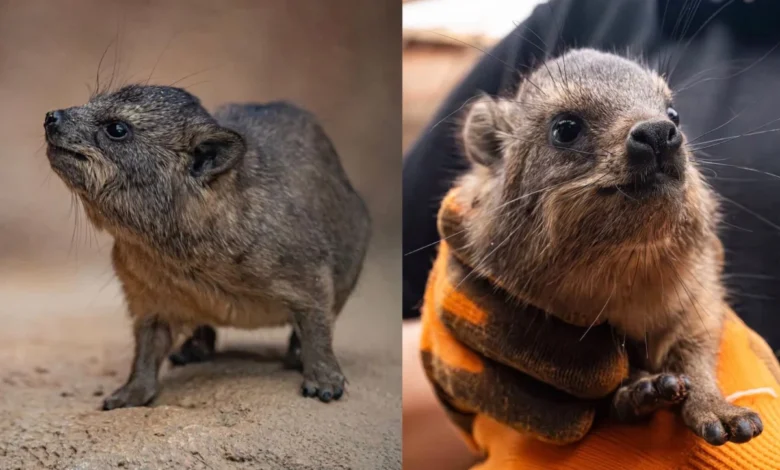
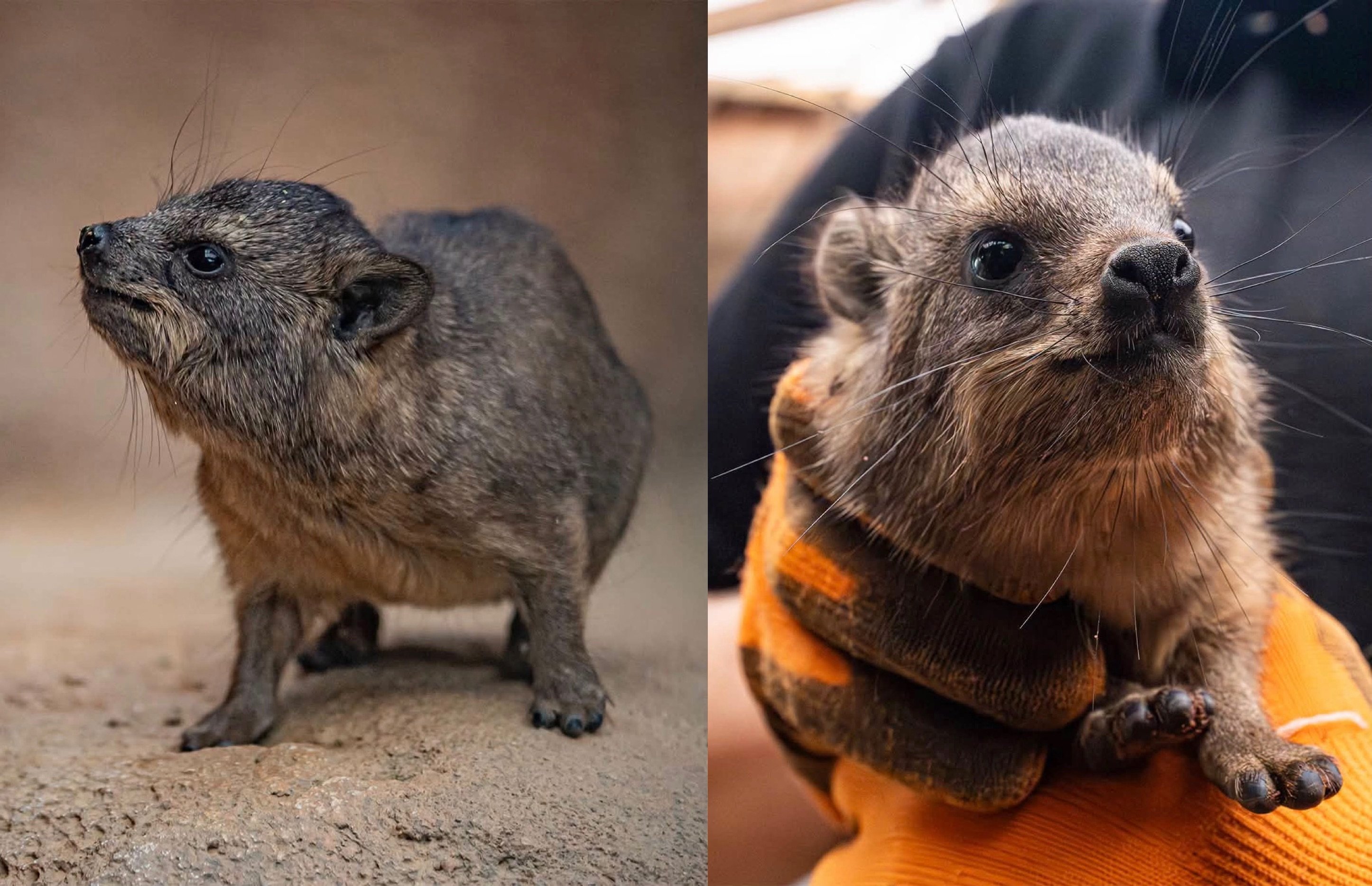
The arrival of three rock hyrax (Procavia capensis) pups at England’s Chester Zoo has provided both a delight for visitors and a compelling case study for biologists interested in the strange paths of mammalian evolution. Born to mother Maris and father Albert late this summer, the trio—named Russ, Spud, and Jackie—have officially passed their initial veterinary examinations. While their current stature is modest, weighing in at approximately 12.3 ounces each, their birth has sparked renewed interest in one of the most unexpected genetic lineages in the animal kingdom.
A Deceptive Morphology
To the casual observer, the rock hyrax, often colloquially referred to as a "rock rabbit" or "rock badger," appears to be a rodent or perhaps a close relative of the marmot. They are characterized by their rotund, potato-like bodies, dense fur, and a propensity for sunbathing on rocky outcrops. However, scientific classification tells a far different story. Despite their small size—adults typically reach a maximum weight of about 8.8 pounds—the hyrax is a member of the order Hyracoidea, which shares a distant, common ancestry with Proboscidea (elephants) and Sirenia (manatees and dugongs).
This evolutionary connection is not merely a quirk of DNA sequencing; it is physically manifested in the biology of the animal. As Chester Zoo keeper Megan Carpenter noted in a recent assessment of the pups, the clues to this massive heritage are hiding in plain sight. The elongated front teeth of the hyrax serve as a functional parallel to the tusks of an elephant, while the structure of their feet—which feature flattened, hoof-like nails—betrays a shared anatomical history with their much larger, terrestrial cousins.
The Chronology of Development
The birth of the pups follows a gestation period that is unusually long for an animal of such small size. Rock hyraxes typically carry their young for seven to eight months, a trait that further distinguishes them from typical small mammals like rodents, which often have significantly shorter gestation cycles. The arrival of the three pups late this summer marks a successful breeding season for the zoo’s current cohort.
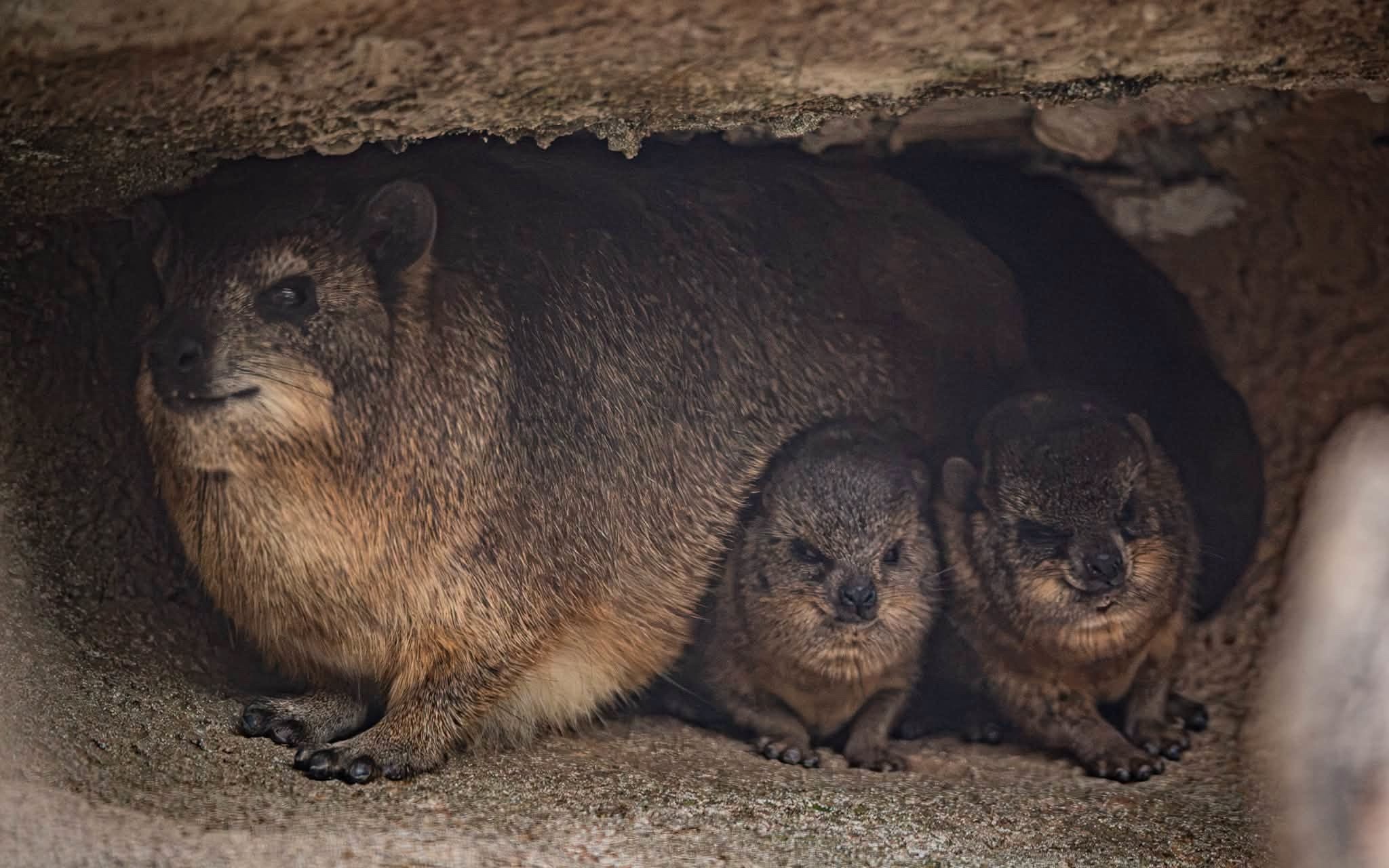
Following their birth, the zoo’s veterinary and husbandry teams initiated a period of monitoring to ensure the health and socialization of the litter. By mid-September, the pups underwent their first comprehensive physical health check, confirming that they were thriving and showing appropriate growth markers. Observations from the zoo staff indicate that the pups have inherited the high-energy, social nature of their species, often engaging in bursts of activity that keepers have colloquially dubbed "the zoomies." This behavior is essential for the species, as it builds the coordination and muscle tone required to navigate the jagged, vertical landscapes they inhabit in the wild.
Ecological Context and Behavioral Adaptations
In their native habitats, which span across sub-Saharan Africa and the Middle East, rock hyraxes are masters of the rocky terrain. Their physiological design is optimized for life on steep, uneven surfaces. Their footpads are composed of a specialized, rubbery skin that acts like a suction cup, allowing them to cling to near-vertical rock faces with remarkable stability. This adaptation, combined with their neutral-toned, mottled fur, provides an effective camouflage against the weathered stones they call home.
These animals are social creatures, living in colonies that can range from a few individuals to dozens. They rely on complex vocalizations to communicate danger or social status within the colony. Because they are vulnerable to a wide array of predators—including eagles, leopards, and snakes—they have evolved a "sentry" system, where one or more members of the group stand watch while the others feed or bask in the sun. The behavior of the three new pups at Chester Zoo, who have been captured on film practicing rapid, acrobatic movements, reflects these ingrained survival instincts, even in a managed environment.
Expert Perspectives on Evolutionary Divergence
The classification of the hyrax has been a subject of interest for naturalists for centuries. Their morphology led early taxonomists to misidentify them as members of the rodent family. It was only with the advent of modern molecular phylogenetics that the strength of the link to the Paenungulata clade—the group containing elephants and sirenians—was firmly established.
"It’s incredible to think these little animals are so closely related to elephants and manatees," said Lyndon Howson, assistant team manager in visitor engagement at Chester Zoo. "They’re a brilliant example of how misleading appearances can be when it comes to evolution. That’s what makes species like hyraxes so interesting—they challenge what we think we know about the natural world and show just how surprising animal evolution can be."
The implications of this relationship extend beyond mere curiosity. Studying the hyrax helps researchers understand how different species adapt to extreme environments while retaining vestigial traits from a common ancestor. The divergence of the hyrax, elephant, and sirenian lineages occurred approximately 50 to 60 million years ago, shortly after the extinction of the dinosaurs. While the elephant moved toward massive size and a trunk-based foraging strategy, and the sirenian moved toward an entirely aquatic lifestyle, the hyrax remained an expert of the terrestrial crevice, retaining a conservative body plan that has proven remarkably successful over tens of millions of years.
Conservation and Educational Significance
The birth of the three pups serves as a vital component of the zoo’s broader educational mission. By highlighting the paradoxical nature of the rock hyrax, the zoo aims to engage the public in discussions about biodiversity and the importance of habitat preservation. While the rock hyrax is currently classified as a species of "Least Concern" by the International Union for Conservation of Nature (IUCN), their populations in the wild are subject to environmental pressures, including habitat fragmentation and the degradation of rocky ecosystems.
For the staff at Chester Zoo, the presence of these "little chaos potatoes," as they have been affectionately termed by the care team, serves as a bridge between the zoo’s managed populations and the global wild populations. As the pups continue to grow, they will serve as ambassadors for their species, helping to demystify the complex web of life.
Looking Ahead
The coming months will be critical for the development of Russ, Spud, and Jackie. As they transition from nursing to a diet of foliage and grasses, their interaction with the existing colony at the zoo will be closely monitored. Their integration into the group is expected to be smooth, given the species’ strong social structure.
As the scientific community continues to map the genomes of various species to better understand the mechanisms of adaptation and evolution, the humble rock hyrax remains a central figure in the story of mammalian diversity. Their story is a reminder that the most significant evolutionary developments often occur in the smallest of packages, and that the history of the largest creatures on Earth—the elephant—may well be written in the behaviors of the animals living among the rocks. Through continued observation and research at facilities like Chester Zoo, the public is afforded a unique opportunity to witness this evolutionary legacy in real-time, fostering a deeper appreciation for the interconnectedness of all living things.