NASA Lunar Reconnaissance Orbiter Detects Rare Once-in-a-Century Impact Crater on the Moon

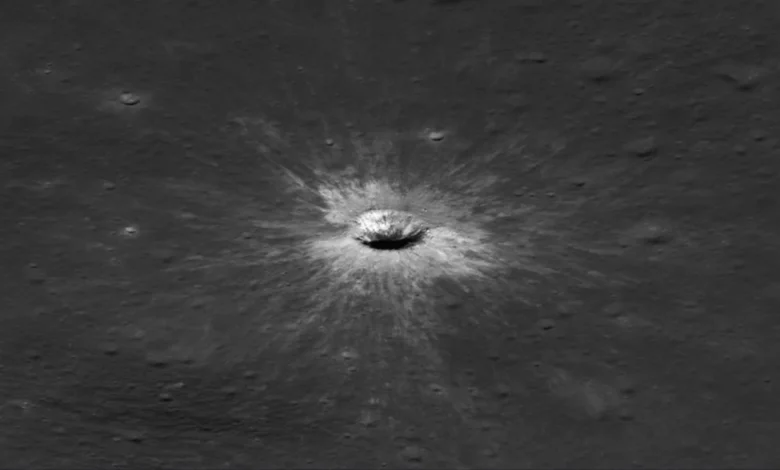
The Moon’s surface, long perceived as a static, desolate landscape, is far more dynamic than its appearance suggests. Operating in a vacuum devoid of a protective atmosphere, the lunar surface is constantly bombarded by celestial debris ranging from microscopic dust particles to significant bolides. While minor impacts occur with high frequency—with an estimated 140 coffee-table-sized objects striking the Moon annually—the recent discovery of a massive, newly formed crater provides a rare, high-fidelity window into the mechanics of planetary collisions. In September 2026, researchers published findings in the journal Science Advances documenting the formation of a 728-foot-wide crater, the largest of its kind ever observed in the solar system, resulting from an impact that occurred in the spring of 2024.
The Anatomy of a Lunar Collision
The newly identified feature, formally named the McGetchin crater in honor of the late lunar scientist Tom McGetchin, is located on the eastern edge of the lunar surface. Spanning roughly 728 feet in diameter and reaching a depth of 141 feet, the crater is the physical manifestation of an impact by an asteroid or comet roughly the size of a three-to-six-story building.
The scale of the event is unprecedented in modern lunar observation. Most impacts detected by the Lunar Reconnaissance Orbiter (LRO) result in craters approximately 30 feet wide; the McGetchin crater, by contrast, is roughly the length of two football fields. The force required to displace that volume of regolith—the fine, rocky soil covering the lunar bedrock—suggests an impact velocity consistent with high-speed interplanetary travel, likely exceeding several kilometers per second.
Chronology of the Discovery
The detection of the McGetchin crater was not the result of a singular, targeted search, but rather the outcome of an exhaustive data-quality review. The LRO, which has been orbiting the Moon since 2009, continuously captures high-resolution imagery of the lunar landscape. Between April 11 and May 22, 2024, the orbiter passed over the region where the impact occurred, capturing the "after" imagery that would later reveal the change.
However, the identification of the crater did not occur until October 24, 2025. Robert Wagner, an image-processing specialist at Arizona State University, was conducting a routine examination of LRO data when he noticed a distinct, bright circular feature surrounded by a dark, irregular halo. Upon closer inspection, Wagner identified the pattern as a fresh impact ejecta blanket—material that had been violently excavated from the lunar subsurface and deposited around the rim of the crater.
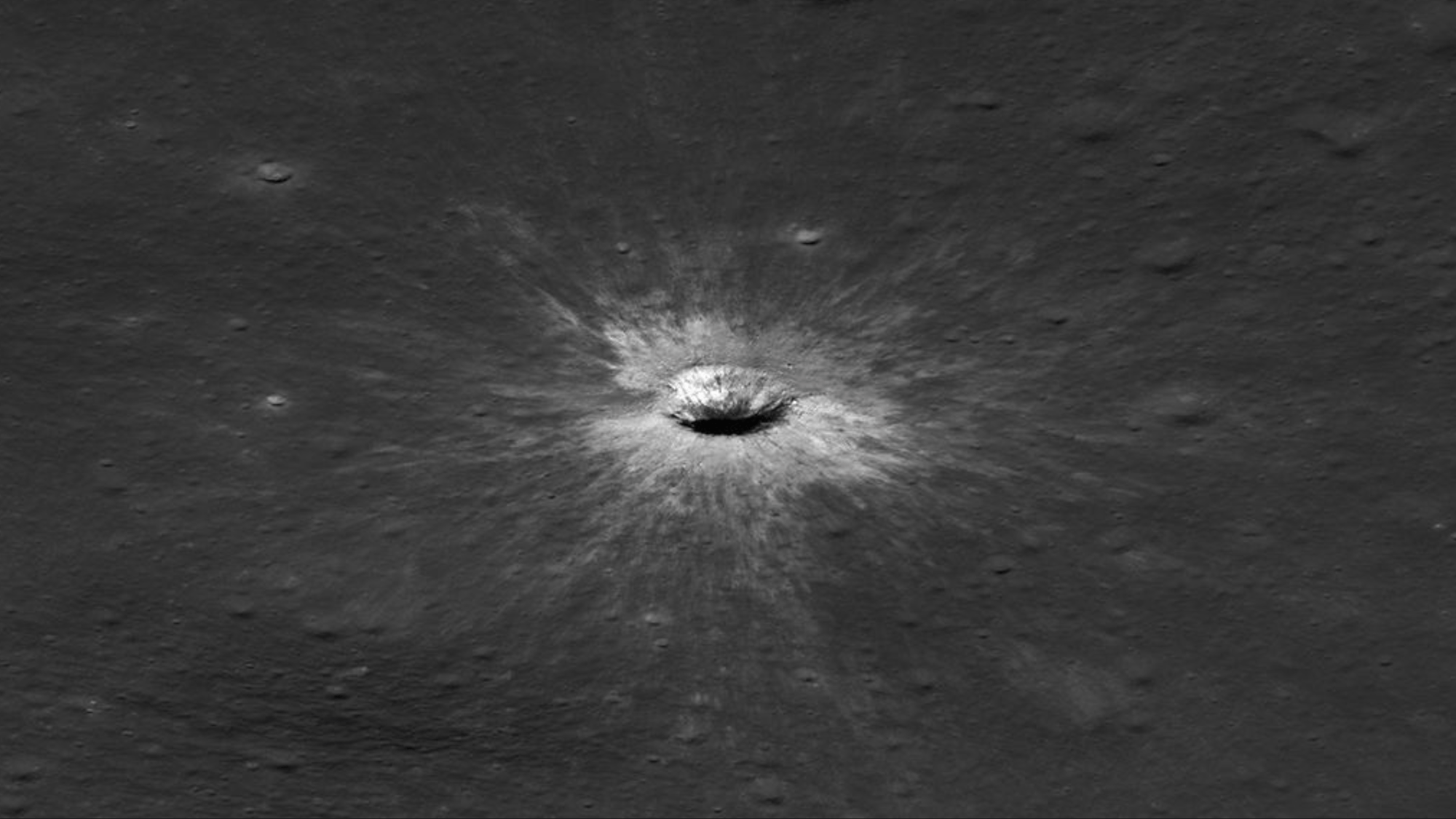
"I just stopped, dropped everything, and started looking into what that spot was," Wagner noted in subsequent communications. The process of verifying such a discovery is notoriously difficult. Because the LRO’s imaging software often flags subtle changes in lighting or shadows as potential impacts, specialists must manually review hundreds of false leads. Wagner’s confirmation required pixel-level analysis to distinguish the debris pattern from typical surface variations.
Supporting Data and Thermal Analysis
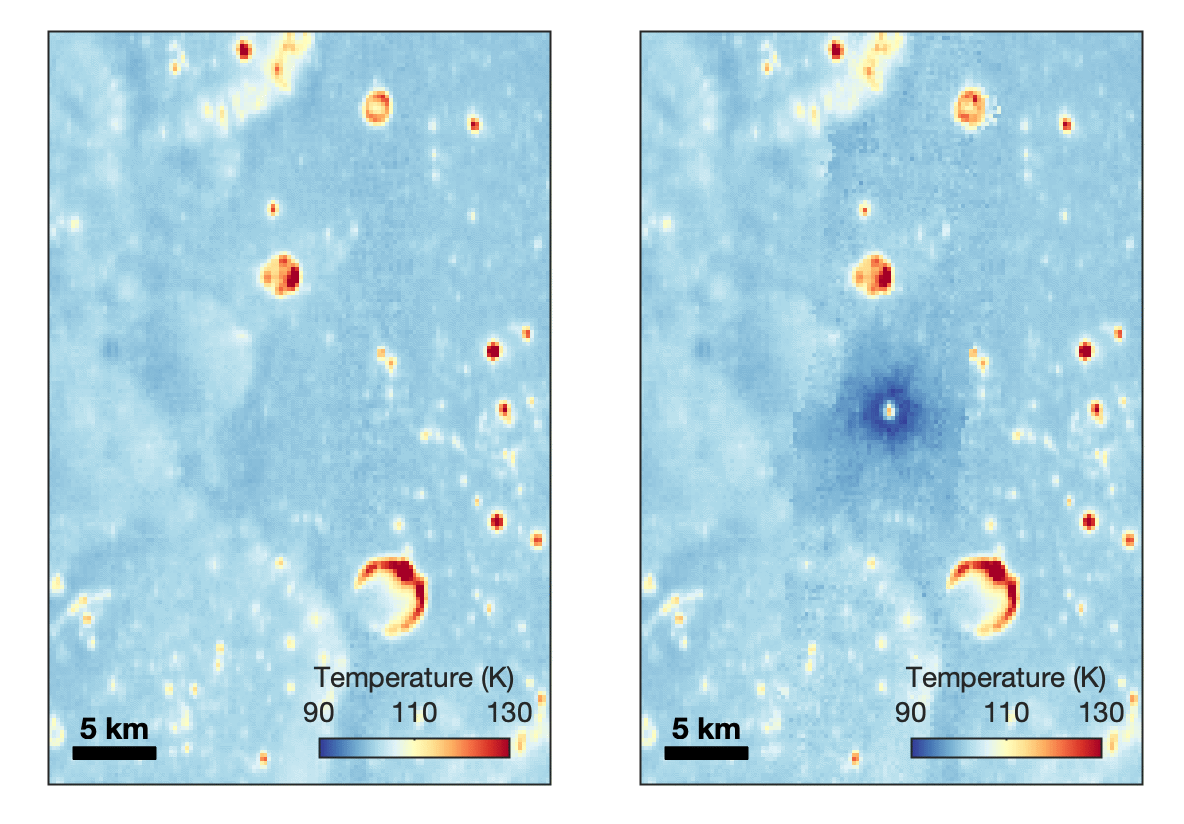
Beyond visual confirmation, researchers utilized the LRO’s Diviner Lunar Radiometer Experiment to analyze the thermal signature of the impact site. The data revealed a four-mile-wide zone surrounding the crater that exhibited a temperature approximately 16 degrees Fahrenheit cooler than the ambient lunar environment during the lunar night.
This thermal anomaly is a hallmark of significant physical disturbance. When a large impactor strikes the Moon, it churns and fluffs the regolith, effectively reducing the material’s density. This "disturbed" soil has lower thermal inertia than the surrounding, compacted lunar surface, causing it to lose heat more rapidly as the Moon moves into the darkness of its night cycle. The presence of this cooling effect provided the scientific team with the necessary confirmation that the crater was indeed a recent formation, as the surface had not yet had time to settle or re-compact.
Historical Context and Frequency
The LRO has been instrumental in characterizing the Moon’s active surface environment. Since its launch, the mission has identified over 1,000 "new" craters and approximately 100,000 changes to the lunar surface. These changes are categorized into primary impacts—where a space rock hits the surface directly—and secondary strikes, where debris ejected from a primary impact travels across the surface and hits again, creating a chain reaction.
The McGetchin crater is classified as a primary impact. Given the rarity of such an event—estimated to occur once per century—this discovery offers a unique baseline for understanding the cratering rate of the inner solar system. For decades, scientists have relied on complex mathematical models to estimate how often objects of this magnitude strike planetary bodies. The McGetchin event provides a tangible data point that will likely force a recalibration of these models, offering deeper insight into the flux of near-Earth objects.
Implications for Planetary Science
The study of the McGetchin crater serves multiple scientific functions. First, it allows researchers to study the "ejecta blanket" in its pristine state, before it is modified by micrometeoroid bombardment, solar wind, or other space weathering processes. Understanding how this material is distributed can provide clues about the composition of the impactor and the structural integrity of the lunar crust at that specific location.
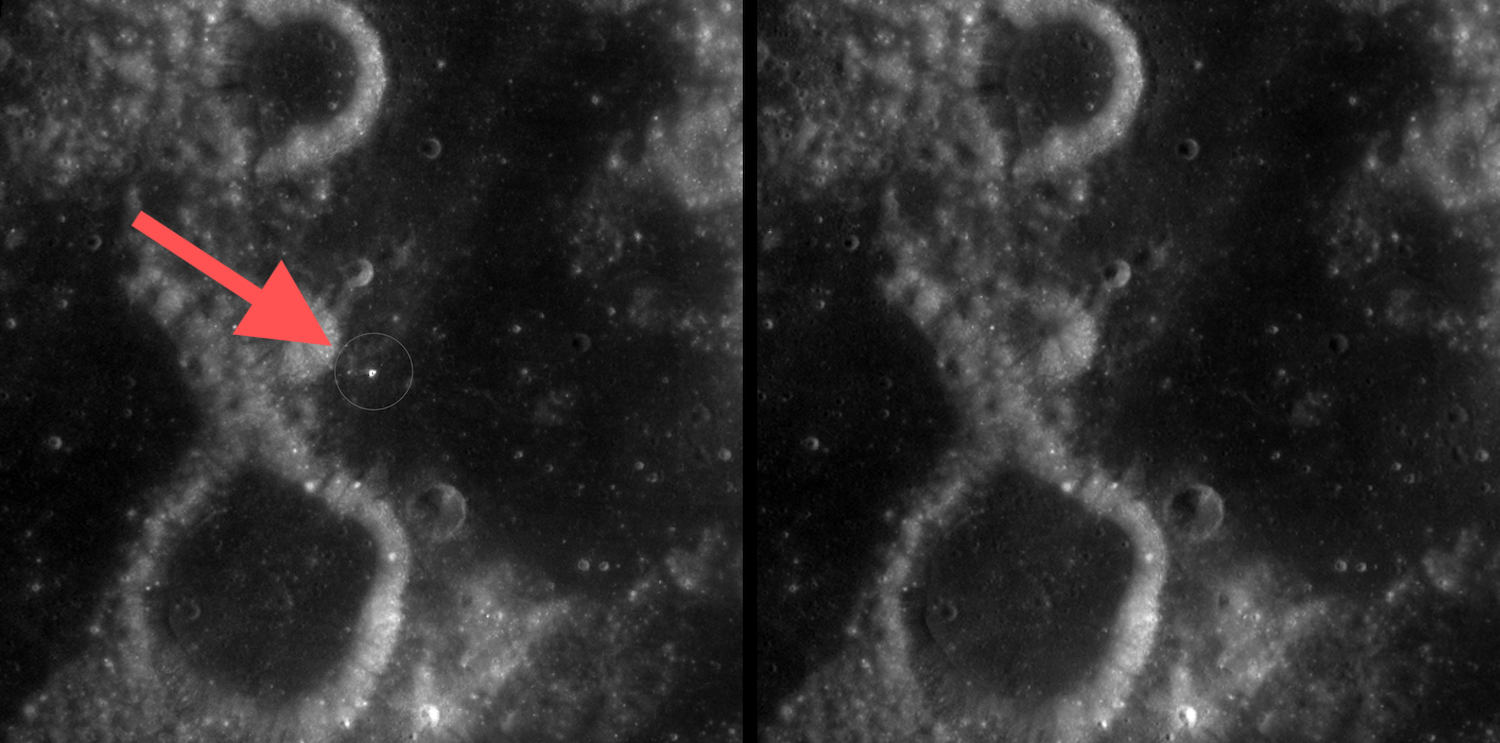
Second, the discovery underscores the importance of the LRO’s long-term mission. Without the high-resolution, time-series data provided by the orbiter over the last 15 years, this event would likely have gone unnoticed, buried in the vast archives of lunar photography. The ability to perform "before and after" comparisons over a decade-long span has transformed lunar science from a study of ancient, static features into a study of a dynamic, evolving environment.
Looking forward, the scientific community plans to deploy the LRO’s Narrow-Angle Camera to capture images of the crater at a resolution of three feet per pixel. This higher level of detail will allow researchers to better estimate the impact angle, the energy released, and the specific nature of the impactor—whether it was a stony asteroid or a more volatile cometary body.
The Path Forward
The discovery of the McGetchin crater serves as a reminder of the hazards present in our solar system. While the Moon is a barren, uninhabited body, the occurrence of such a significant strike highlights the ongoing need for advanced detection systems to monitor near-Earth objects. As humanity looks toward future crewed missions, including the Artemis program, understanding the frequency and intensity of lunar impacts has become more than an academic exercise—it is a critical component of ensuring the safety of long-term lunar exploration.
As the team prepares to publish further findings, the scientific community remains focused on the broader implications of the event. The McGetchin crater is a rare, perfectly timed snapshot of cosmic interaction, providing a century-defining opportunity to observe the immediate aftermath of a planetary-scale collision and further refine our understanding of the solar system’s violent, ongoing evolution.