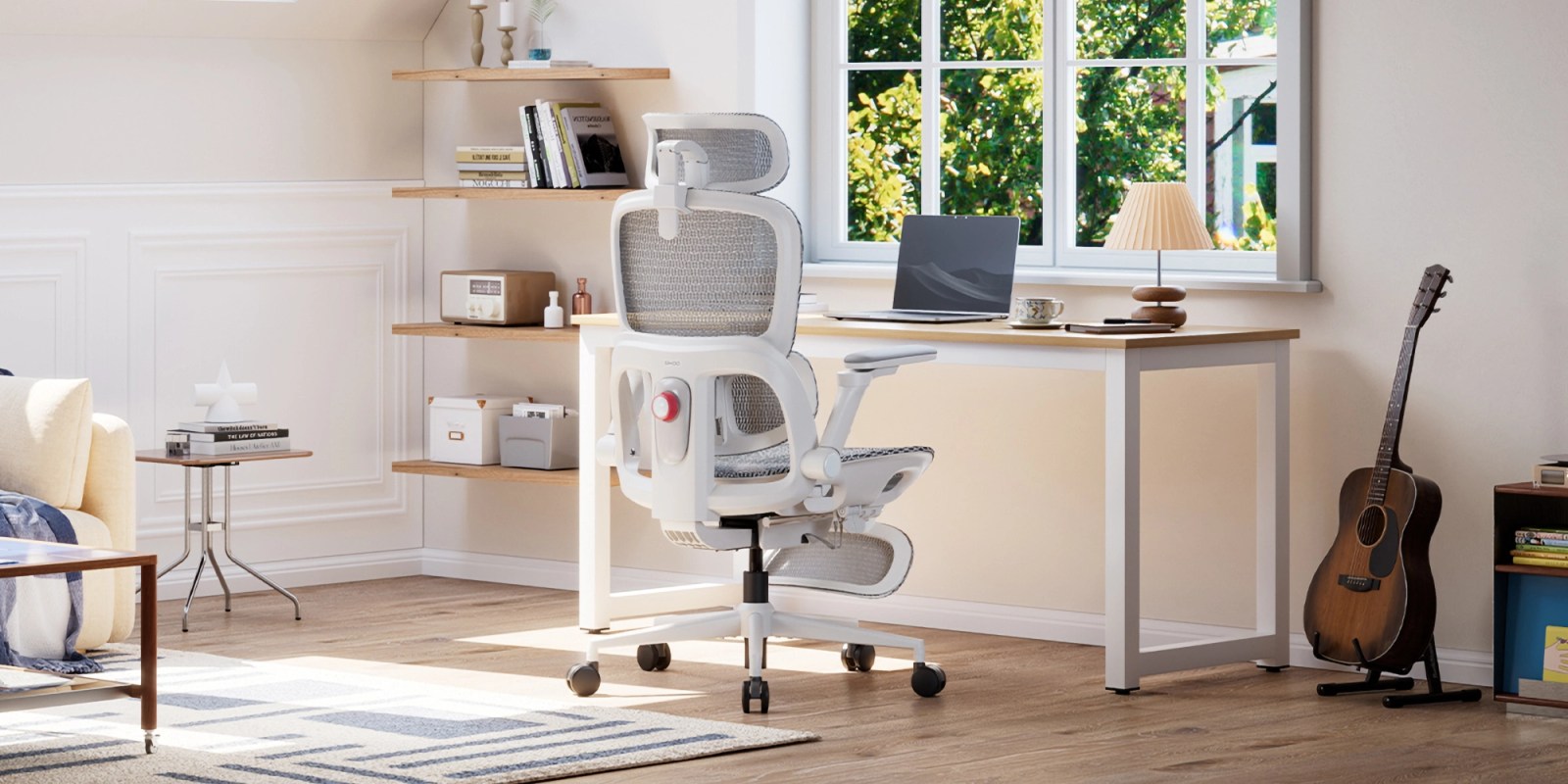
Sihoo B300 Pro sets a new benchmark for ergonomic office seating with advanced adjustability features

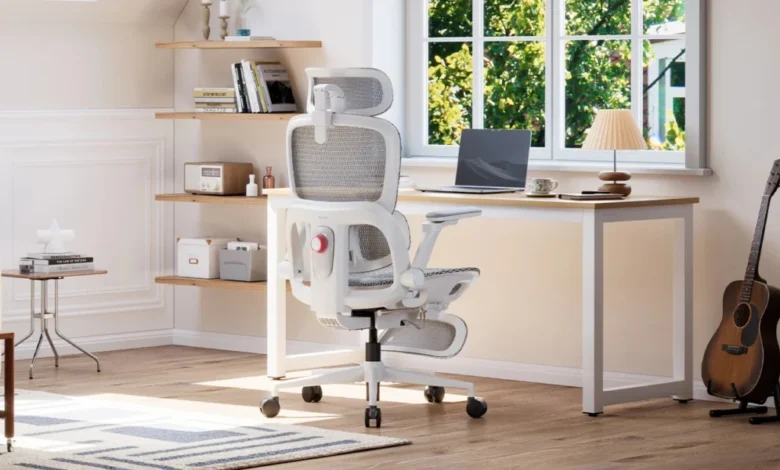
When building a high-performance workstation, professionals often prioritize the computational power of their hardware, the color accuracy of their displays, and the responsiveness of their peripherals. However, the most critical component of a sustainable long-term workspace is the chair. As sedentary work habits continue to define the modern professional landscape, the correlation between workplace ergonomics and musculoskeletal health has become a focal point for manufacturers and office designers alike. The introduction of the Sihoo B300 Pro represents a strategic effort to bridge the gap between high-end industrial ergonomic design and the accessibility of the home-office market.
The Evolution of Ergonomic Standards
The history of office furniture design has shifted dramatically over the past two decades. In the early 2000s, ergonomic chairs were largely confined to corporate environments, characterized by rigid structures and limited customization. As remote and hybrid work models became institutionalized following the global shift in 2020, the demand for "pro-sumer" grade equipment surged. Data from the Bureau of Labor Statistics and various ergonomic research institutes suggests that improper seating posture contributes to significant productivity losses and chronic health conditions, including lower back pain and repetitive strain injuries.
Sihoo, a manufacturer that has steadily climbed the ranks of the ergonomic furniture market, developed the B300 Pro as a direct response to these findings. The company’s engineering philosophy centers on the concept of "active ergonomics," which posits that a chair should not merely be a static platform, but a responsive tool that adjusts to the user’s micro-movements throughout the day.
Core Ergonomic Engineering: The 4D MicroFit System
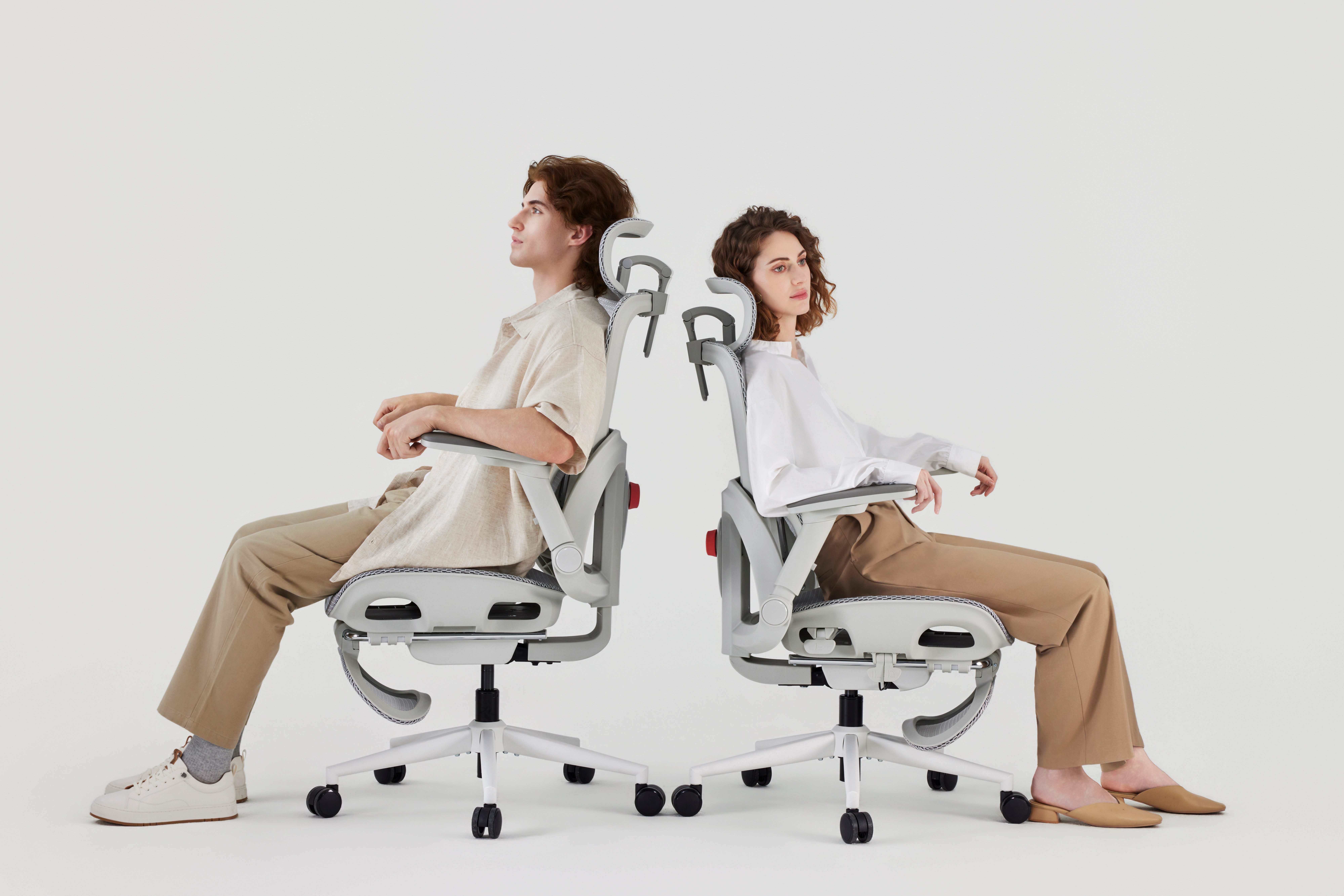
At the heart of the B300 Pro’s value proposition is the 4D MicroFit lumbar support system. Ergonomic experts frequently note that the human spine is not static; it requires dynamic support as the user shifts from deep focus—often leaning forward toward a keyboard—to a more relaxed posture during meetings or contemplative tasks.
The B300 Pro utilizes a dual-axis adjustment mechanism that allows the lumbar support to be modified in both height and depth. This level of granularity is crucial for users of varying heights and builds. By allowing the support to track the natural curve of the lumbar spine, the chair aims to reduce pressure on the intervertebral discs. In professional environments, where users may spend upwards of eight to ten hours in a seated position, this preventative support is essential. The integration of a weight-adaptive recline mechanism further complements this, as the chair automatically modulates resistance based on the user’s body weight, ensuring a fluid transition between upright and reclined positions.
Customization and Workflow Integration
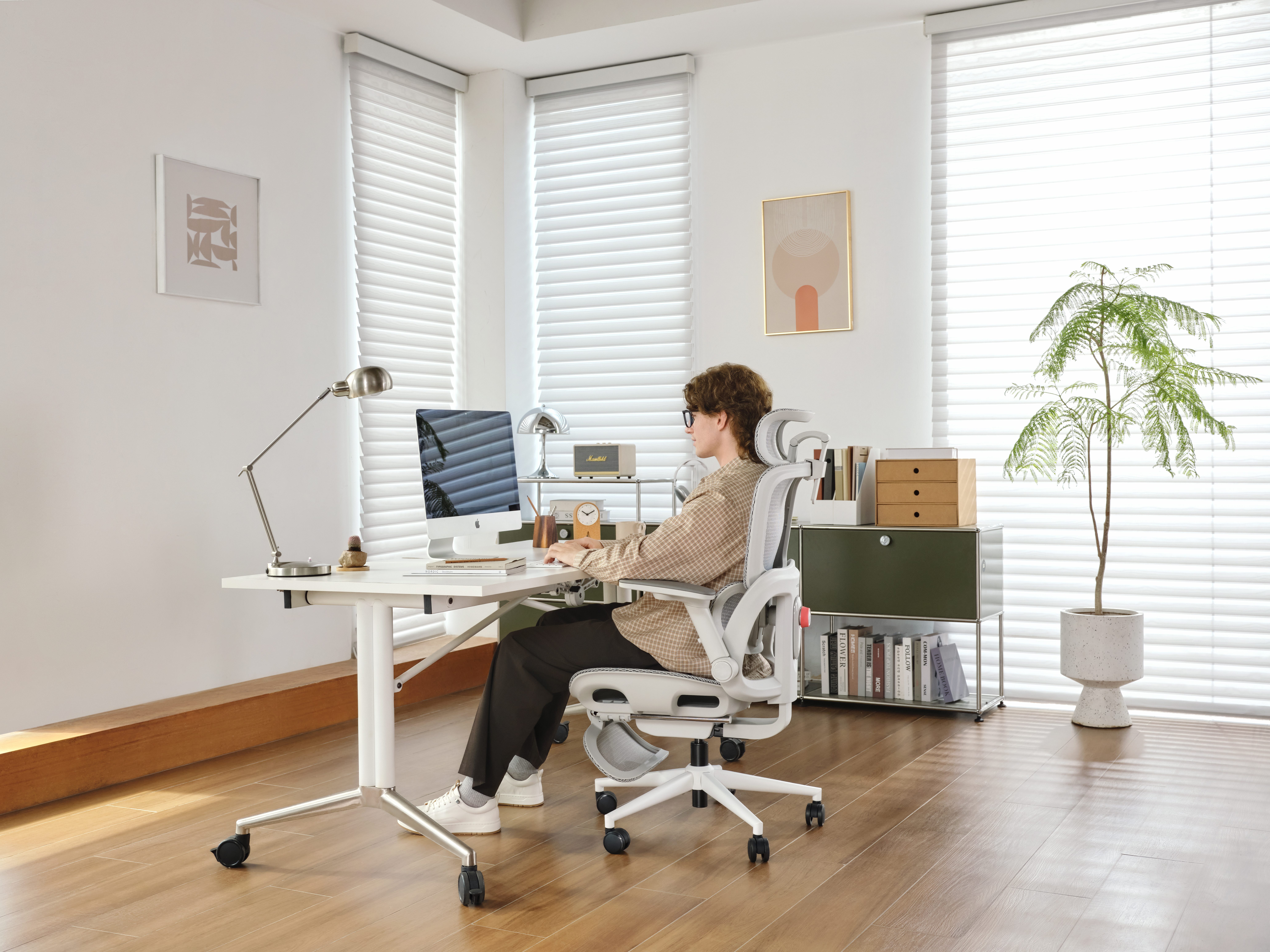
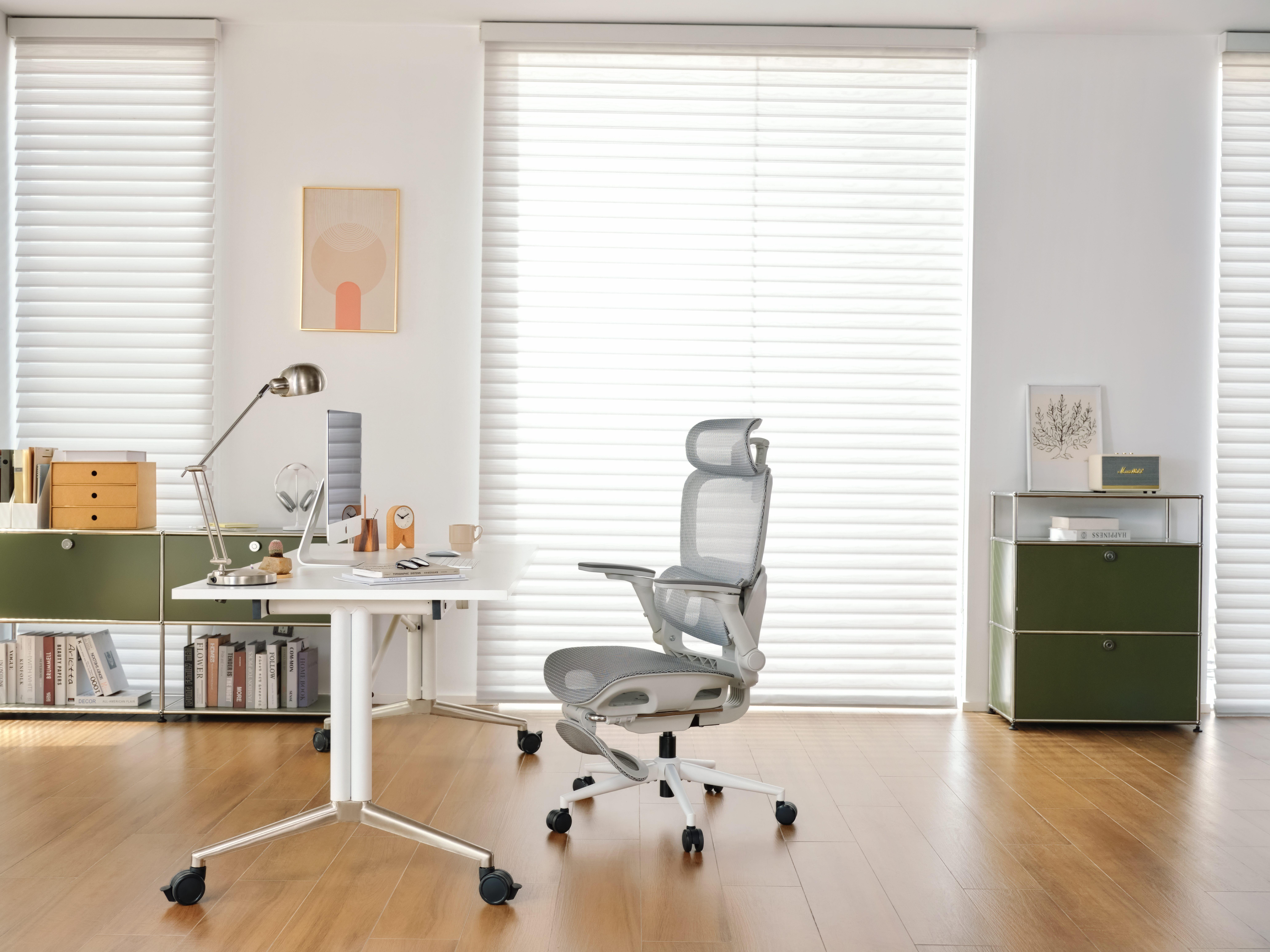
The B300 Pro features a 6D armrest configuration, a significant leap from the standard 2D or 3D armrests found on entry-level office chairs. The "6D" designation refers to the range of motion—height, width, depth, angle, and the unique ability to flip the armrests upward. This is particularly relevant for modern digital workflows.
Consider the typical "Mac setup" workflow: a user might switch from typing on a mechanical keyboard, which requires specific elbow support, to using a trackpad or tablet, which necessitates a different arm angle. The ability to rotate and tuck the armrests away allows for a "zero-interference" experience, particularly useful for creative professionals who use graphic tablets or large-format controllers. This modular approach to the physical workspace mirrors the software-defined workflows that many modern professionals have adopted.
Material Science and Thermal Regulation
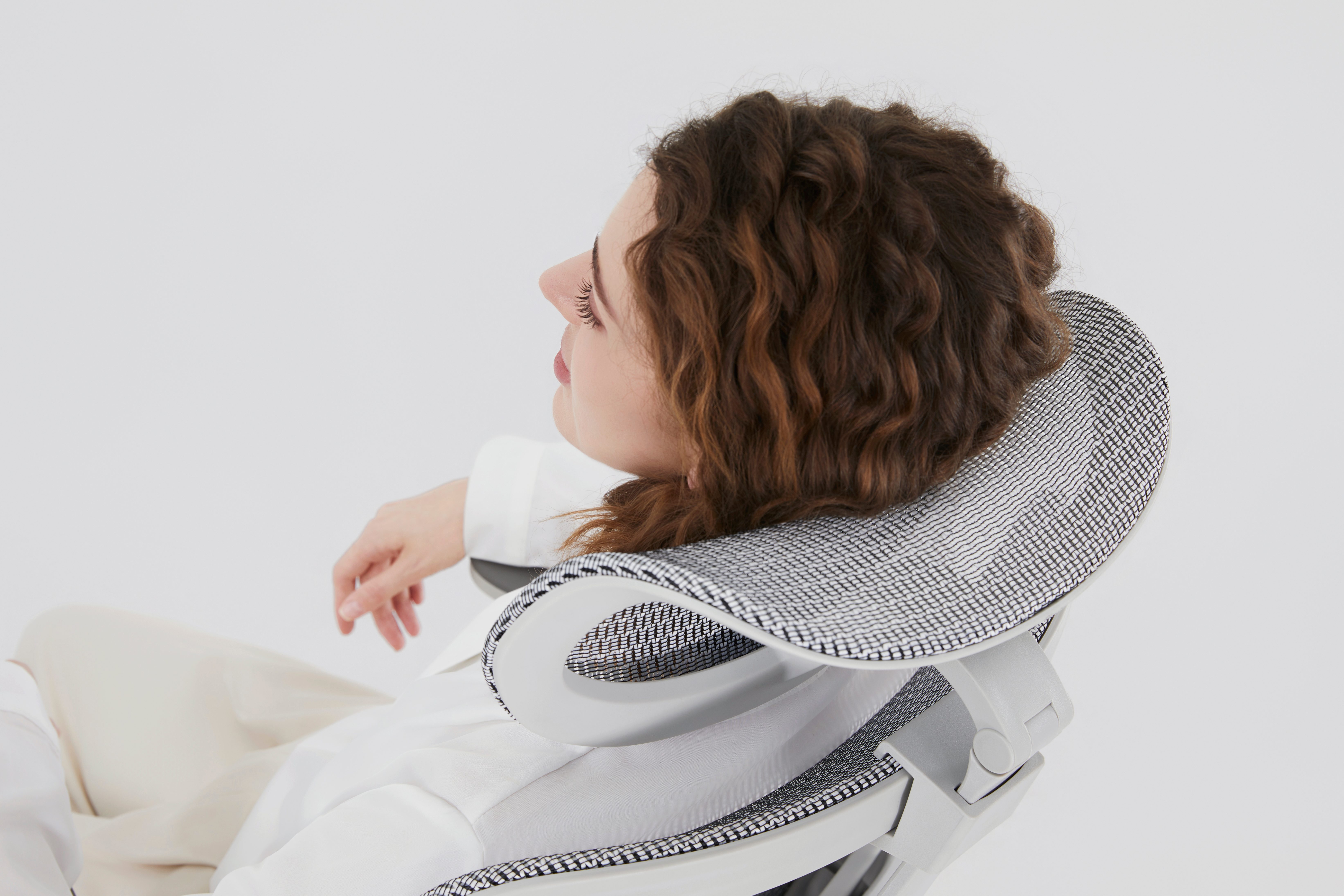
A persistent challenge in chair design is the trade-off between structural support and thermal comfort. Solid foam or upholstered chairs often suffer from heat retention, which can lead to discomfort during prolonged sessions. The B300 Pro utilizes a high-tensile, breathable mesh fabric.
From a material science perspective, this mesh is designed to distribute pressure evenly across the contact points of the body, preventing the "pressure points" that typically lead to fatigue. The decision to use mesh is also a response to the environmental realities of home offices, which are not always equipped with the advanced climate control systems found in corporate office towers. The high-airflow design ensures that thermal regulation is passive, requiring no energy consumption while maintaining user comfort.
Technical Specifications and Adjustability
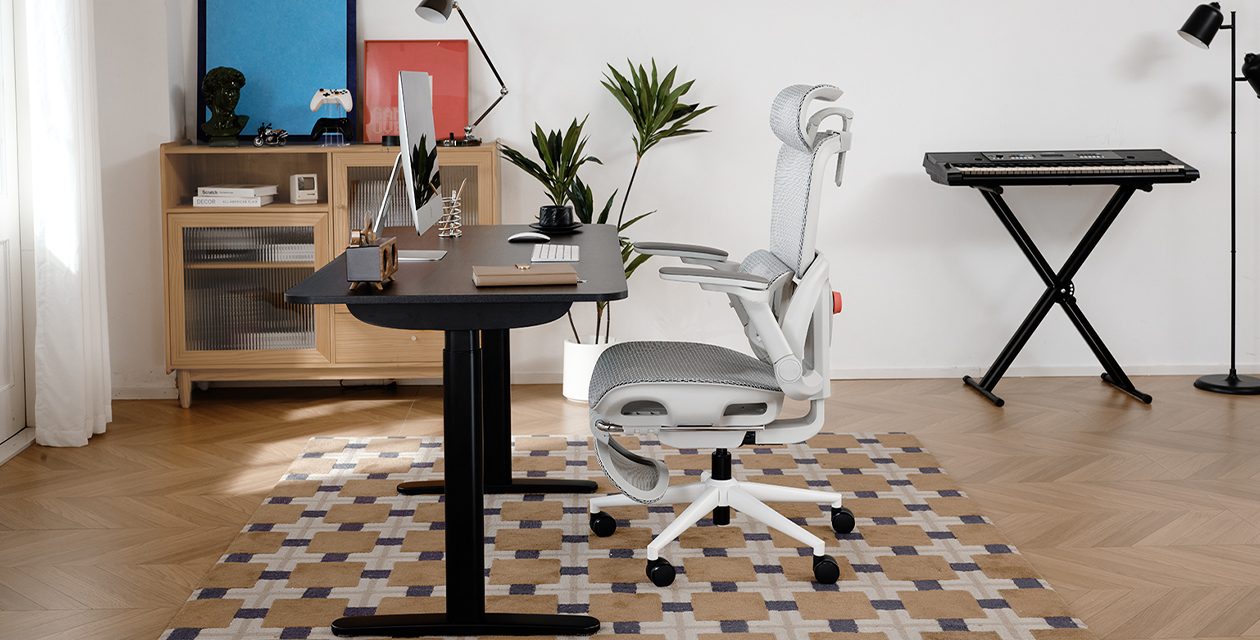
The B300 Pro offers a comprehensive set of adjustments:
- Backrest Height: A 2.2-inch vertical range, allowing for a precise fit against the user’s thoracic spine.
- Seat Depth: A range of 16.5 to 18.5 inches, essential for accommodating different leg lengths and ensuring proper blood flow to the lower extremities.
- Recline Angles: Three preset locking positions at 105, 120, and 135 degrees.
- Weight-Adaptive Tension: An intelligent recline system that eliminates the need for manual tension knobs, which are often difficult for users to calibrate correctly.
By providing these mechanical levers, Sihoo addresses the "one-size-fits-all" failure point. A workstation chair is only as effective as its ability to be customized to the individual user’s physiological needs.
Implications for the Modern Workspace
The shift toward more robust home office setups has forced a realignment of household spending. As professionals invest in higher-quality displays and computing power, the "hidden" cost of poor ergonomics—in the form of physical therapy or reduced productivity—has become increasingly apparent.
Industry analysts observe that the market for ergonomic office furniture is projected to grow significantly as corporations continue to subsidize home office stipends. The B300 Pro, priced competitively at $253.79 (with the promotional code SIHOO9to5M), positions itself as a mid-market solution that offers features previously reserved for high-end, $1,000+ ergonomic chairs. This democratization of high-end features is indicative of a broader trend in manufacturing: the ability to scale complex mechanical designs into more affordable consumer-facing products.

Strategic Positioning in the Market
The launch of the B300 Pro also reflects Sihoo’s broader strategy to expand its footprint in the North American market. By leveraging e-commerce platforms like Amazon, the company avoids the traditional "showroom" markups associated with high-end furniture retailers. This direct-to-consumer model allows for aggressive pricing while maintaining a focus on technical innovation.
However, the challenge remains in the assembly and long-term durability of such products. While the B300 Pro offers advanced features, the longevity of these components—specifically the recline mechanism and the mesh tension—will be the true test of the product’s quality over time. Current reviews suggest that the build quality is robust, utilizing industrial-grade plastics and metals that are standard in the current category of ergonomic seating.

Conclusion: The Future of the Workspace
The Sihoo B300 Pro represents the maturation of the home-office furniture industry. By moving away from purely aesthetic designs and focusing on the mechanical realities of the human body, Sihoo is addressing a genuine need in the modern workforce. Whether for the software engineer, the digital editor, or the remote executive, the chair serves as the foundation of the work environment.
As work continues to evolve, the tools we use must adapt accordingly. The B300 Pro’s emphasis on 6D armrests, 4D lumbar support, and weight-adaptive recline is not merely a collection of features; it is a recognition that the modern workday is as varied as the professionals who occupy it. By providing the ability to fine-tune every aspect of the seating experience, Sihoo is enabling users to build workspaces that are not only productive but also physically sustainable for the long term. For those currently evaluating their office setup, the B300 Pro stands as a compelling, data-backed candidate for an essential upgrade.