The iPhone 18 Pro and iPhone 18 Pro Max Face Significant Preorder Shipping Delays Across Major US Retailers and Carriers

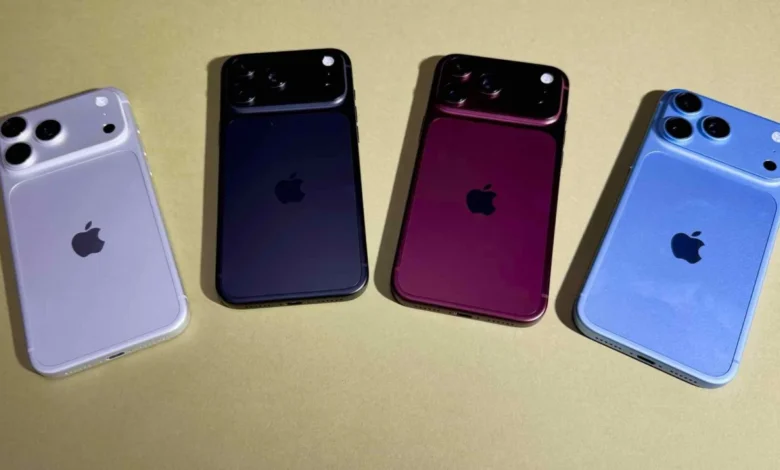
The official launch of Apple’s next-generation flagship smartphones, the iPhone 18 Pro and the iPhone 18 Pro Max, is rapidly approaching, with devices slated to hit store shelves on September 18. However, consumers attempting to secure their units ahead of time are encountering a widespread bottleneck. Despite notable price increases across the entire lineup, early preorder demand has heavily outpaced initial supply projections, causing shipping dates to stretch from late September well into November for specific configurations, finishes, and storage tiers.
While high-demand preorder windows traditionally experience some degree of logistical friction, the current rollout cycle presents a unique set of circumstances. Apple chose not to introduce a standard base-tier model this year, focusing consumer attention squarely on the Pro ecosystem, while secondary excitement continues to mount for the forthcoming iPhone Duo preorders scheduled to commence on October 16. To better understand the scope of the delays, a comprehensive analysis of inventory availability across major United States telecommunication providers and the official Apple Store reveals distinct regional and model-specific constraints.
Supply Chain Realities and Preorder Momentum
Historically, Apple’s premier hardware launches are accompanied by immediate inventory constraints, a phenomenon driven by a complex global supply chain, precision manufacturing processes for advanced titanium and glass chassis designs, and staggering initial consumer demand. This year, the strain is acutely visible among major carriers—including T-Mobile, Verizon, and AT&T—as well as direct channels through Apple retail operations.
Industry analysts suggest that consumer behavior has shifted toward higher-capacity storage options and premium color finishes, exacerbating localized stock shortages. Furthermore, aggressive carrier promotions offering substantial trade-in credits and zero-down financing options have catalyzed a surge in early digital traffic, overloading automated preorder systems and rapidly depleting launch-day inventory allocations.
Carrier-by-Carrier Availability and Estimated Delivery Timelines
Major telecommunication networks have updated their online portals to reflect shifting delivery windows. Consumers who completed their transactions within the first few minutes of the preorder window stand the highest likelihood of receiving their devices on release day, whereas subsequent orders are experiencing rolling delays.
T-Mobile
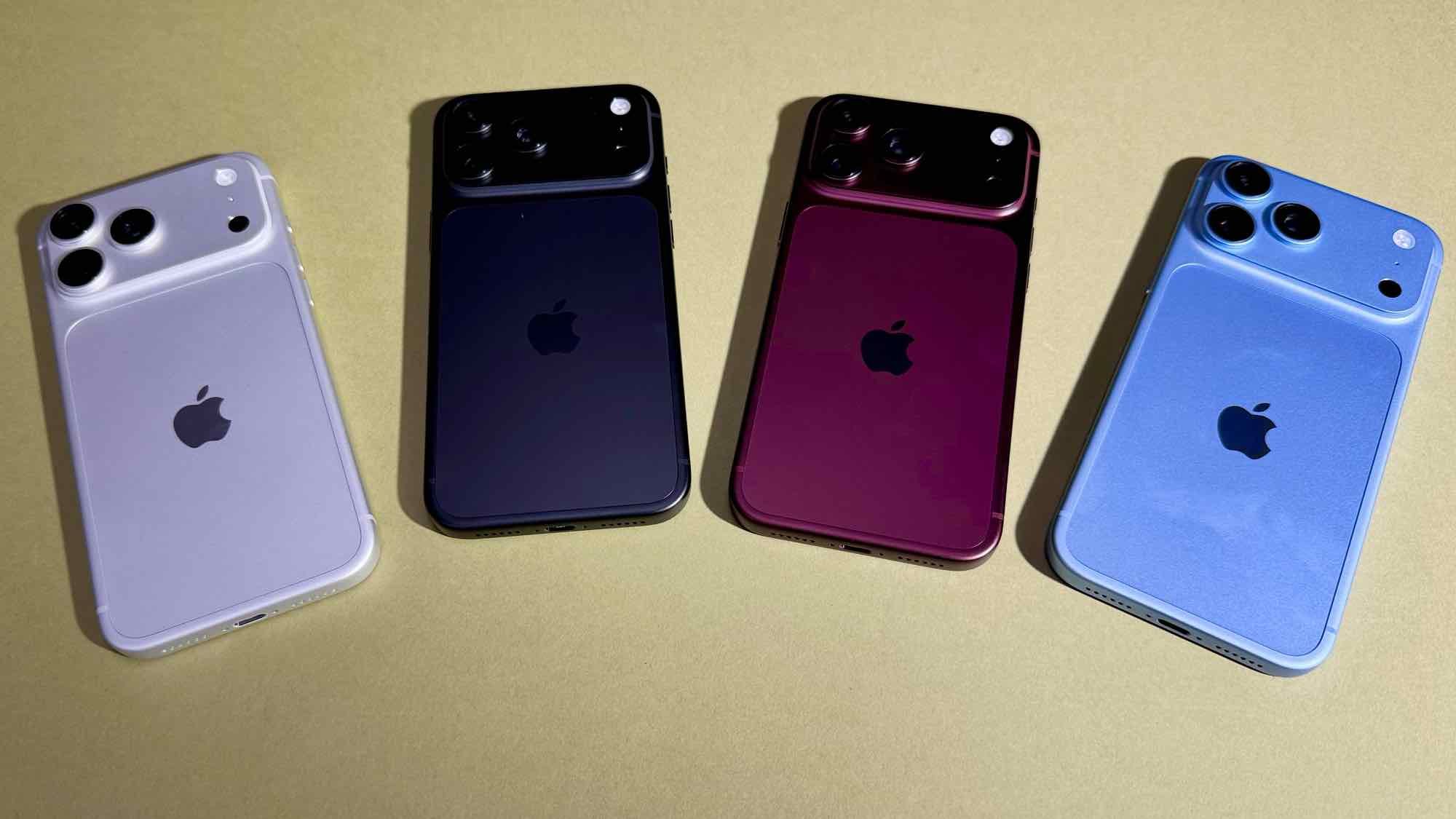
T-Mobile has reported varying degrees of congestion across its preorder queues. While the base-tier iPhone 18 Pro configurations maintain stable release-day delivery schedules for select colors, upgraded specifications face considerable lag. Notably, the 1TB and select high-capacity variants—particularly in the newly introduced Burgundy finish—are projecting estimated arrival dates extending as far out as November 4. Meanwhile, the iPhone 18 Pro Max lineup is experiencing similar friction, with baseline models encountering minor backlogs before dispatch.
Verizon
Verizon customers are facing some of the most widespread delivery padding among major carriers. The provider’s tracking systems indicate estimated ship dates ranging from September 18 through October 6 for nearly every iteration of the iPhone 18 Pro. Industry observers note that extended delivery windows often reflect conservative logistical buffering by carriers aiming to manage consumer expectations amidst high traffic volumes, signaling robust consumer interest in Verizon’s bundled installment plans.
AT&T
AT&T customers encounter a moderately compressed delay window. Aside from the entry-level iPhone 18 Pro models—which maintain their September 18 delivery target—nearly every other variant across the Pro and Pro Max families is showing localized delays. Fortunately for buyers utilizing this network, the anticipated arrival dates are largely consolidated between September 23 and September 30, representing a relatively swift recovery compared to competing carriers.
Apple Store Direct
As the primary manufacturer and direct distributor, the Apple Store is shouldering the heaviest volume of backorders. Consumers purchasing directly through Apple’s online ecosystem face the most pronounced shipping delays. Standard iPhone 18 Pro orders are currently pointing to estimated delivery windows between September 30 and October 7. The situation is more pronounced for the larger iPhone 18 Pro Max, with every storage tier and colorway pushing dispatch dates into mid-October, specifically ranging from October 7 through October 14.
The Broader Market Implications
The concentration of delays around specific configurations highlights shifting consumer preferences in the premium smartphone sector. The aggressive pricing models implemented by Apple—pushing entry points higher for both Pro models—have not deterred buyers from selecting maximum storage tiers, such as the 1TB and 2TB options, or opting for distinctive cosmetic finishes like Burgundy and Glacier.
This trend indicates that high-end smartphone consumers remain resilient against inflationary pricing pressures, prioritizing longevity, onboard storage capacity, and cutting-edge computational photography features over immediate cost considerations. For Apple, these early supply chain constraints underscore both the strength of its brand ecosystem and the persistent challenge of accurately forecasting demand distribution across complex multi-tier product lineups.
Consumer Guidance and Next Steps
For prospective buyers who have not yet secured a preorder, patience and flexibility will be paramount. Industry experts recommend checking local inventory for in-store pickup options on launch day, as retailers frequently allocate a separate pool of devices for walk-in purchases. Additionally, monitoring carrier stock fluctuations or exploring certified trade-in deals can help mitigate the financial impact of the price increases while navigating the extended shipping queue. As production lines ramp up to meet ongoing demand, supply stabilization is anticipated to normalize delivery timelines by mid-to-late autumn.