Samsung Could Finally Equip the Galaxy S27 with a New Main Camera Sensor, Potentially Sourcing from Sony

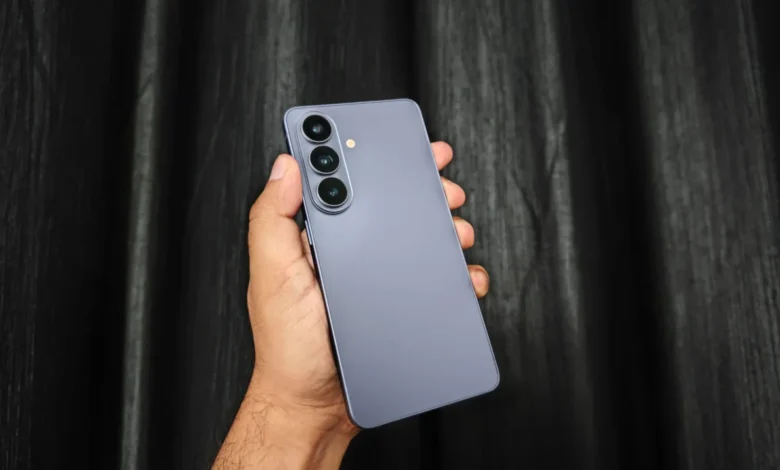
Samsung is reportedly on the verge of a significant camera upgrade for its standard Galaxy S27 and S27+ models, a move that could see the company ditch its long-standing reliance on in-house ISOCELL sensors for the primary camera. Prototypes of these upcoming devices are allegedly being tested with a new 50-megapixel sensor developed by Sony, according to a report from GalaxyClub. This potential shift marks a notable departure from Samsung’s strategy in recent years, where the main camera hardware on its base S-series phones has remained largely unchanged since the Galaxy S22, despite incremental improvements through software and processing.

The implications of this rumored collaboration with Sony extend beyond mere component sourcing. While the megapixel count is expected to remain at 50MP, the underlying sensor technology could offer substantial improvements in image quality. Newer sensors, particularly those from leading manufacturers like Sony, are often designed to capture more light, exhibit superior dynamic range, and produce cleaner images with reduced noise. This would provide Samsung’s sophisticated image processing algorithms with richer, more detailed raw data, potentially leading to a noticeable leap in photographic performance for the Galaxy S27 and S27+.
Historical Context: A Stagnant Sensor Strategy
Samsung’s Galaxy S series has consistently been a benchmark for smartphone photography, but the base models have faced criticism for their perceived stagnation in main camera hardware. The 50MP sensor introduced with the Galaxy S22 has been carried forward through subsequent generations, including the S23 and S24. While Samsung’s computational photography and image processing have advanced considerably, allowing for impressive results, the limitations of an aging sensor are becoming increasingly apparent when compared to competitors who have adopted newer, more advanced imaging hardware.

Earlier reports had already suggested a potential overhaul for the S27 series, with some leaks indicating that the standard models might once again reuse much of the existing camera hardware. This new information about a potential Sony sensor provides a more optimistic outlook, suggesting that Samsung might be actively seeking to address the long-standing hardware concerns for its mainstream flagship offerings.
Potential Benefits of a Sony Sensor
The advantages of adopting a new Sony sensor are multifaceted:

- Improved Light Sensitivity: Newer sensors typically feature larger pixels or more advanced pixel binning technologies, allowing them to gather more light. This translates to better low-light performance, with brighter and less noisy images captured in challenging conditions.
- Enhanced Dynamic Range: A wider dynamic range means the camera can capture more detail in both the brightest highlights and the darkest shadows of a scene simultaneously. This results in more balanced and natural-looking photos, especially in high-contrast situations.
- Reduced Noise: Advanced sensor designs and manufacturing processes can significantly reduce image noise, leading to cleaner and sharper photos, particularly at higher ISO settings.
- Better Raw Data for Processing: A superior sensor provides the image signal processor (ISP) with higher quality data to work with. This gives Samsung’s software more latitude to apply advanced computational photography techniques, such as HDR processing, detail enhancement, and color correction, resulting in even more refined final images.
- Competitive Edge: In a fiercely competitive smartphone market, differentiating through camera performance is crucial. Adopting a cutting-edge Sony sensor would help Samsung regain a competitive edge in the core camera experience for its standard Galaxy S models.
Timeline and Development Stage
It is important to note that the Galaxy S27 series is still in the early stages of development. Prototype testing is a standard part of the product development cycle, and plans can and often do change before a device is finalized and launched. Therefore, while the use of a Sony sensor is a promising development, it is not a definitive guarantee. Samsung may still opt for its own ISOCELL technology or another vendor’s sensor by the time the S27 officially launches. Typically, Samsung unveils its new Galaxy S series in the early months of the year, with the S27 lineup expected in early 2027. This timeframe allows for extensive testing and refinement of camera components.
Speculation on Other Camera Modules
While the main camera is the focal point of this potential upgrade, the accompanying lenses on the Galaxy S27 and S27+ appear to be following a more familiar path. According to the same GalaxyClub report, the ultrawide camera is expected to remain a 12MP sensor, a component that has also seen limited upgrades in recent generations. This suggests that Samsung might be reserving its most significant camera innovations for its higher-tier models.

Previous leaks and rumors have indicated that the more premium Galaxy S27 Pro and S27 Ultra variants could receive more substantial camera enhancements. These include speculation about 50MP ultrawide and telephoto lenses, which would represent a significant leap from the current hardware found in these configurations. Furthermore, there are whispers of a new 16MP selfie camera for these top-tier models, potentially addressing another area where incremental upgrades have been the norm.
This tiered approach to camera hardware upgrades is a common strategy in the smartphone industry, allowing manufacturers to differentiate their product lines and justify higher price points for their flagship devices. The standard models often focus on delivering a solid overall experience, while the Pro and Ultra versions cater to enthusiasts and power users who demand the absolute best in imaging and performance.
Broader Implications for the Smartphone Camera Market
Samsung’s potential move to source main camera sensors from Sony could have ripple effects across the industry. For years, Samsung has been a dominant player in the mobile image sensor market with its ISOCELL technology, often equipping its own devices with these sensors. A shift towards an external supplier for its flagship main camera could signal a few things:
- Intensified Competition: It highlights the intense competition in the mobile image sensor space, where companies like Sony continually innovate and push the boundaries of what’s possible. Samsung, despite its own capabilities, may find it strategically beneficial to leverage external expertise for certain components to maintain a competitive edge.
- Focus on Core Strengths: By potentially outsourcing the main sensor, Samsung might be able to reallocate its internal R&D resources to other areas of camera development, such as advanced image processing, AI-driven features, or specialized camera modules like periscope telephoto lenses.
- Consumer Demand: Such a move could also be driven by consumer demand for the latest and greatest camera technology, irrespective of the manufacturer. Users are increasingly aware of sensor specifications and their impact on photo quality, prompting companies to adopt the best available hardware.
Analysis of the Situation
The sustained use of the same main camera sensor across multiple generations of the standard Galaxy S line has been a point of contention for tech enthusiasts and reviewers. While software advancements have mitigated some of the hardware limitations, the underlying sensor is the foundation upon which all image processing is built. A new, more capable sensor from a leading manufacturer like Sony would be a welcome development, indicating that Samsung is listening to feedback and is willing to adapt its strategy to deliver a more compelling camera experience to a broader audience.

The distinction between the standard models and the Pro/Ultra variants in terms of camera upgrades is a familiar narrative. However, if the standard S27 models receive a significantly improved main sensor, it would represent a substantial upgrade over the past few years. The continued reliance on a 12MP ultrawide, however, suggests that Samsung’s differentiation strategy will likely remain in place, with the highest-end models continuing to offer a more comprehensive and advanced camera system.
Conclusion: A Promising Rumor Amidst Development
The prospect of the Galaxy S27 and S27+ featuring a Sony main camera sensor is an encouraging piece of news for Samsung fans and smartphone photography enthusiasts. It suggests a potential end to a period of hardware stagnation for the core camera system on these popular devices. While the development is still in its early stages and subject to change, this rumor offers a more optimistic outlook than previous reports of hardware reuse. The success of this potential upgrade will ultimately depend on the specific capabilities of the Sony sensor and how effectively Samsung’s image processing can leverage its potential. For now, it remains one of the most anticipated camera developments for Samsung’s next generation of flagship smartphones.