BlizzCon 2026 Reveals StarCraft: Dominion, A Narrative-Driven Third-Person Shooter Slated for 2030 Release

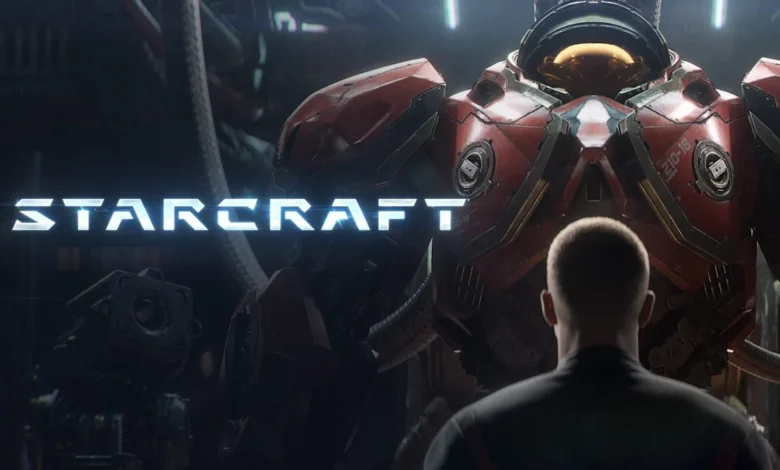
The landscape of Blizzard Entertainment’s storied sci-fi intellectual property is undergoing a profound structural evolution. During the keynote addresses at BlizzCon 2026 over the weekend, studio executives officially confirmed that the next major installment in the franchise, provisionally titled StarCraft: Dominion, will depart entirely from the real-time strategy (RTS) roots that defined the series for decades. Set for a tentative release window in 2030, the upcoming project is envisioned as a narrative-driven, open-world, third-person shooter. This announcement marks a significant milestone for the franchise, arriving 16 years after the conclusion of the StarCraft 2 trilogy, and signals a strategic pivot toward story-focused action games within established lore.
Main Facts and Project Overview
StarCraft: Dominion is currently in development under the creative direction of Dan Hay, widely recognized for his leadership roles on prominent modern first-person shooter franchises such as Far Cry. According to details shared during the BlizzCon 2026 panels, the game is set approximately 70 years after the events of the StarCraft 2 trilogy.
Unlike many contemporary multiplayer-centric releases, Blizzard has explicitly positioned Dominion as a definitive, standalone narrative experience. The title is being developed without seasonal live-service mechanics, battle passes, or recurring multiplayer loops—a design choice aimed at delivering a complete, self-contained story arc with a definitive conclusion.
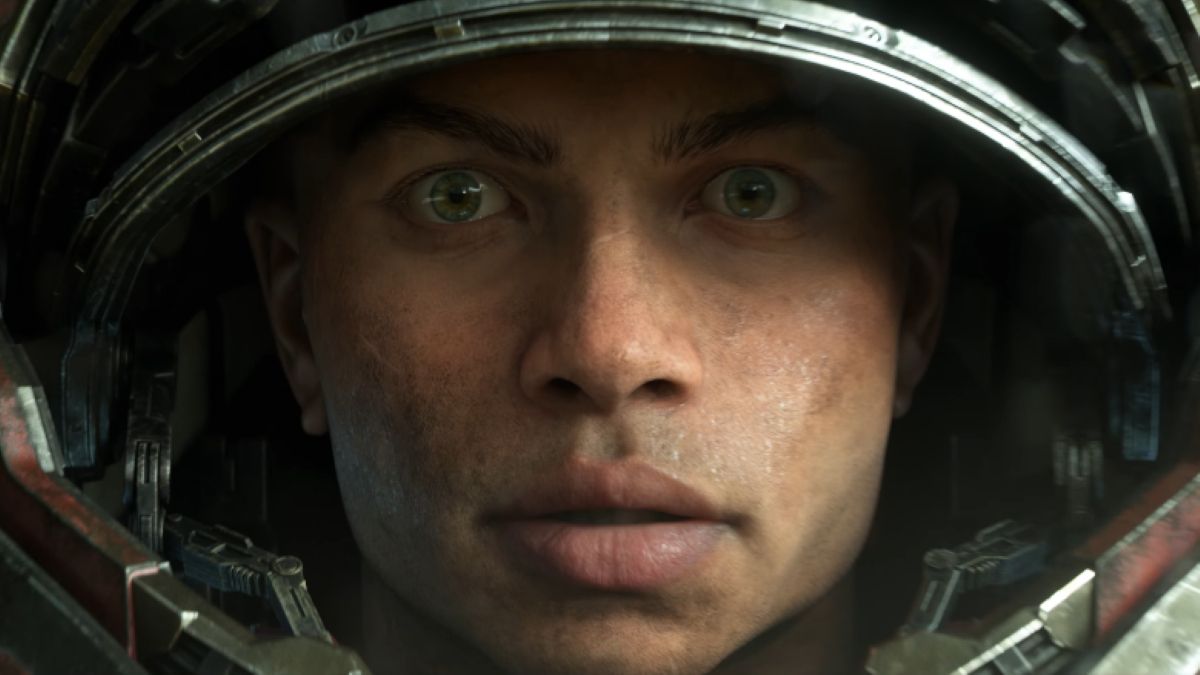
The transition from a top-down tactical perspective to a third-person viewpoint is intended to immerse players directly in the visceral reality of the Koprulu Sector. By adopting a third-person camera angle, the development team aims to emphasize player customization, allowing individuals to visibly modify and observe their marine armor and tactical equipment as they navigate hostile environments.
Chronology and Historical Context of the Franchise
To understand the significance of this announcement, it is necessary to examine the historical timeline of the StarCraft franchise, which has remained largely dormant regarding mainline releases for well over a decade:
- March 1998: Blizzard Entertainment releases the original StarCraft, alongside its expansion Brood War in 1998, establishing a foundational pillar of competitive real-time strategy and esports.
- July 2010: Following years of anticipation and development delays, StarCraft II: Wings of Liberty launches, revitalizing the RTS genre and setting sales records for PC gaming.
- March 2013 – November 2015: Blizzard releases the subsequent chapters of the trilogies, Heart of the Swarm and Legacy of the Void, alongside cooperative missions and digital expansion packs.
- 2016 – 2020: Ongoing support for StarCraft II gradually winds down, with the transition of the game into a free-to-play model and the cessation of major content updates by October 2020.
- 2020 – 2025: Rumors, speculation, and industry reports circulate regarding various unannounced Blizzard projects, including aborted shooter concepts set within the StarCraft universe.
- November 2026: Blizzard formally announces StarCraft: Dominion at BlizzCon 2026, targeting a 2030 release window as a narrative-driven, third-person open-world shooter.
Cinematic Presentation and Narrative Themes
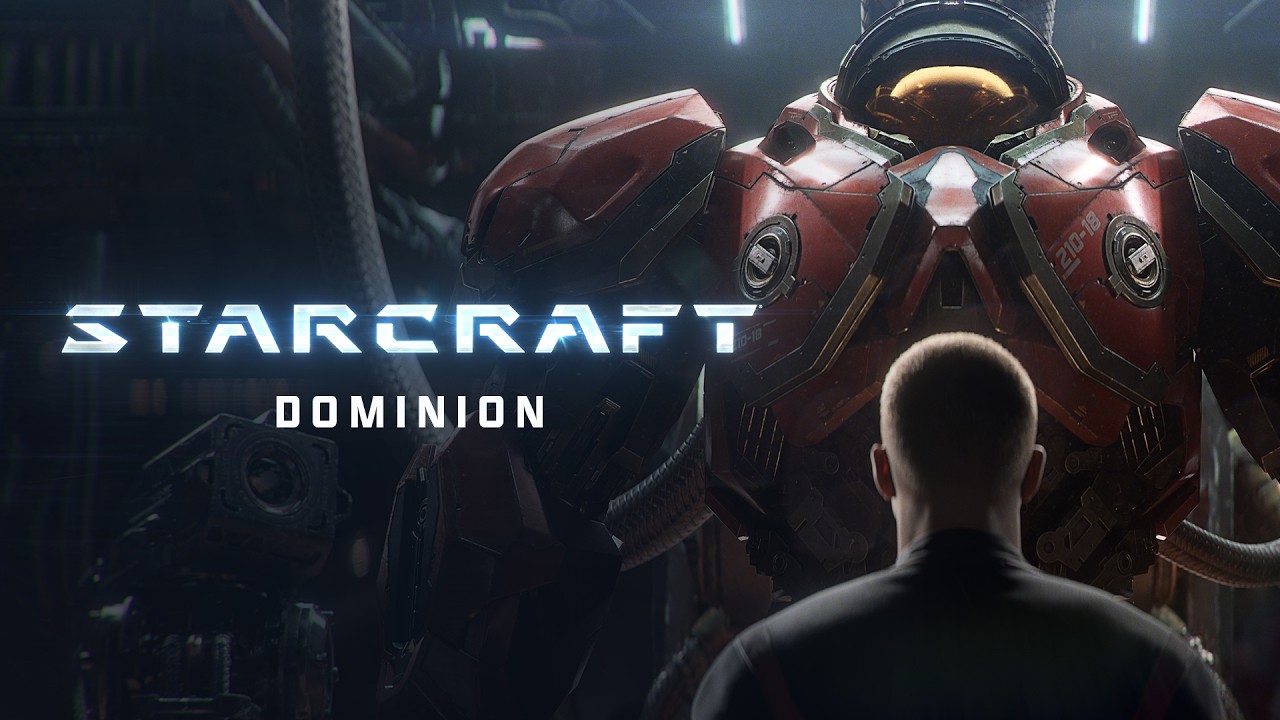
The announcement was accompanied by a high-fidelity cinematic trailer that showcased the brutal realities of infantry combat against the Zerg, a relentless, bio-engineered hive-mind species. The promotional footage focused on the grim perspective of frontline marine units, contrasting sharply with the detached, strategic overview historically experienced by players in RTS titles.
Through a condensed narrative framing, the trailer depicted the harrowing experience of an inexperienced recruit encountering a Zerg swarm during active deployment. Creative director Dan Hay emphasized that the title aims to make players "feel powerful" while simultaneously conveying the overwhelming scale and existential dread of the galactic conflict. The narrative premise explores the sociopolitical aftermath of the Koprulu Sector decades following the fall of the Dominion and the reconciliation of the Terran, Zerg, and Protoss factions.
Industry Implications and Strategic Shifts at Blizzard
The decision to transition StarCraft into the action-shooter genre reflects broader industry trends, following the commercial and critical success of similar science-fiction military titles such as Arrowhead Game Studios’ Helldivers 2 and Saber Interactive’s Warhammer 40,000: Space Marine 2. By adapting established tactical properties into accessible narrative-action formats, major publishers increasingly seek to capture wider audiences who prefer character-driven campaigns over complex micro-management and resource gathering.
Furthermore, the absence of live-service monetization structures at this stage of development addresses a growing consumer fatigue surrounding subscription-based and seasonally updated games. Industry analysts note that committing to a traditional, single-player narrative structure with a definitive ending represents a calculated risk for a major studio historically reliant on sustained multiplayer ecosystems like World of Warcraft, Overwatch, and Diablo.
Fan Reception and Outstanding Questions
Initial reactions from the gaming community have been mixed. While long-term followers of the franchise have expressed enthusiasm for a return to the StarCraft universe and the high production values demonstrated in the cinematic trailer, dedicated RTS purists have voiced disappointment over the continued lack of a traditional strategy sequel.
Significant questions remain regarding the exact scope of the open-world design, the potential inclusion of optional cooperative multiplayer modes, and how the studio plans to maintain fan engagement over the lengthy development cycle leading up to the projected 2030 launch. With no playable gameplay footage currently available to the public, further technical demonstrations and developer deep-dives are expected in subsequent years as production progresses.
Related posts: