Apple Officially Designates the 2019 4K iMac as a Vintage Product, Marking Another Milestone in the Phasing Out of Intel-Based Hardware

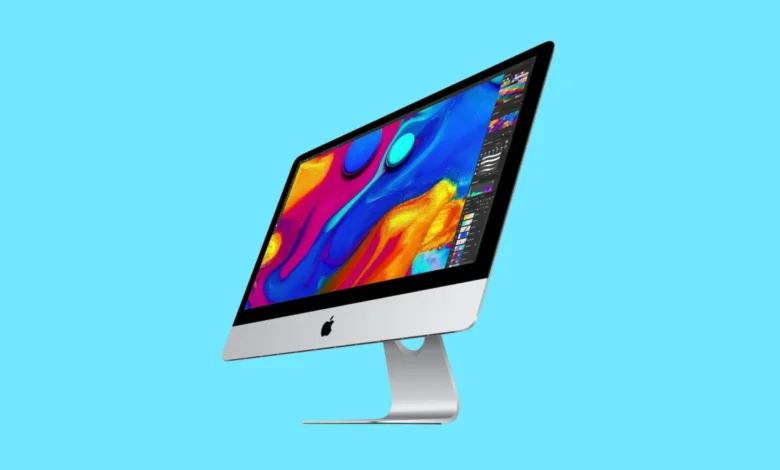
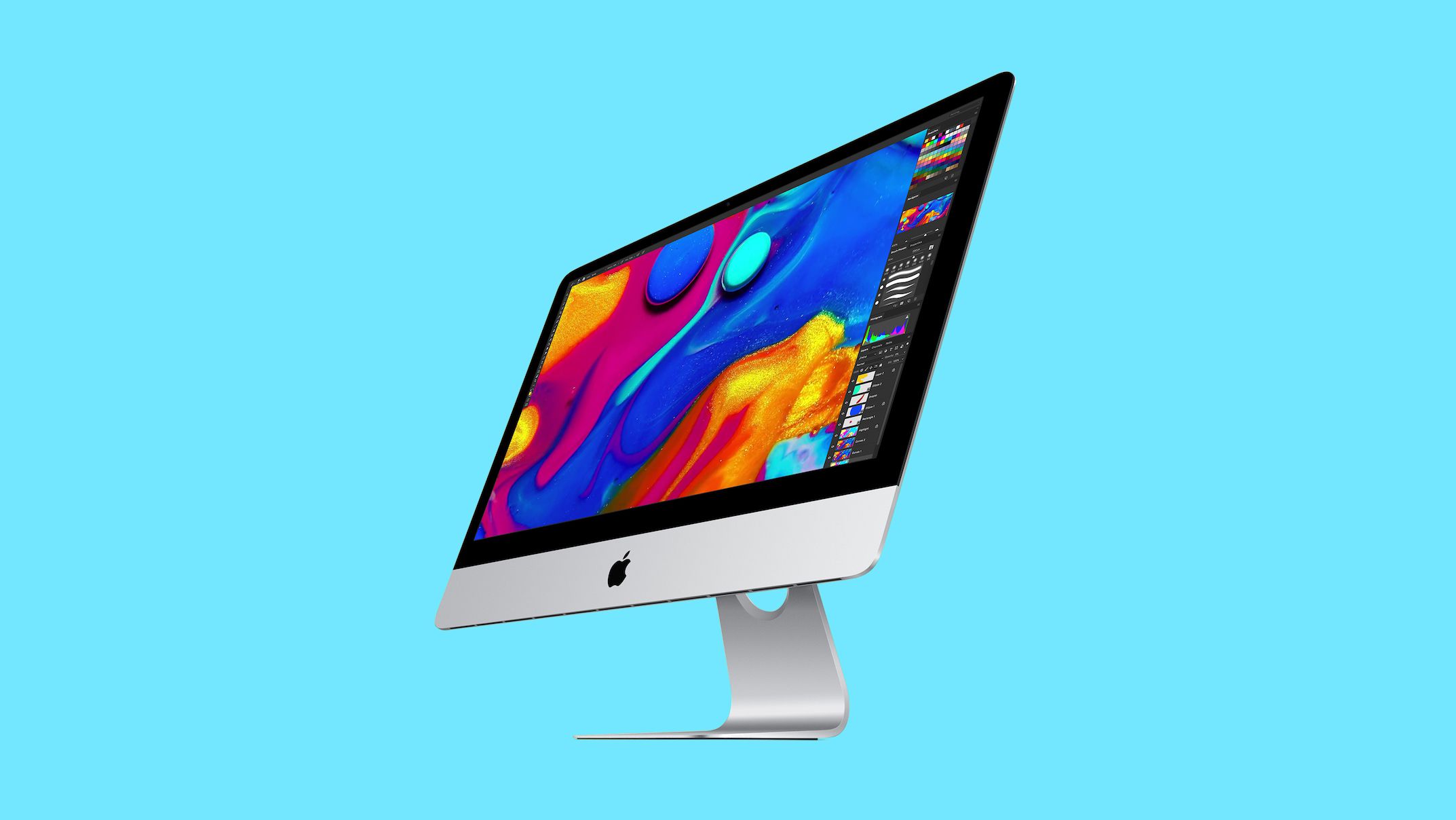
Apple has officially added the 2019 21.5-inch 4K iMac to its growing catalog of vintage products, moving the iconic all-in-one desktop one step closer to the end of its official support lifecycle. Originally launched in March 2019, this particular model represents one of the final iterations of the classic silver-bezeled Intel-powered architecture that defined Apple’s desktop computing experience for well over a decade before the company’s sweeping transition to proprietary Apple Silicon processors.
Under Apple’s corporate support policy, a device is officially classified as "vintage" exactly five years after the company stops distributing it for regular sale. Once a Mac crosses this threshold, hardware repairs at Apple Stores and Apple Authorized Service Providers are no longer guaranteed. Instead, repairs become strictly contingent upon the ongoing availability of replacement parts within Apple’s inventory supply chain. Devices that eventually reach the seven-year mark without distribution are subsequently transitioned to Apple’s "obsolete" category, at which point all hardware service is definitively discontinued, and component manufacturing ceases entirely.
Understanding Apple’s Support Lifecycle
The distinction between active, vintage, and obsolete hardware is a critical metric for long-term technology consumers, enterprise environments, and IT administrators. Apple’s structured hardware sunset schedule provides a predictable timeline for device retirement.
When a product enters the vintage window, users typically experience a gradual tapering of official support options. While Genius Bars and certified technicians will still attempt repairs, customers may encounter situations where necessary components—such as specific logic boards, display panels, or power supply units—are completely out of stock. This policy often pushes owners of vintage machines toward third-party repair shops or encourages them to upgrade to newer hardware platforms.
The 2019 4K iMac joins a steady stream of legacy Intel hardware that Apple has systematically archived over recent years. Its larger sibling, the 2019 27-inch iMac variant sold alongside it, was designated as vintage slightly earlier in July 2025. Because the smaller 21.5-inch 4K configuration remained active in retail channels for a marginally longer period, it managed to evade the vintage classification until now.
A Look Back at the 2019 4K iMac Specifications
When it debuted in the spring of 2019, the 21.5-inch 4K iMac was positioned as a capable, mid-tier desktop solution tailored for creative professionals, educational institutions, and everyday consumers looking for a high-resolution display integrated into a streamlined chassis.
Starting at a base price of $1,299, the machine was anchored by a stunning 21.5-inch Retina 4K display boasting a 4096 x 2304 resolution, wide color (P3) support, and 500 nits of brightness. Externally, it retained the familiar, ultra-thin aluminum enclosure and thick chin that had become the signature aesthetic of the iMac lineup since 2012.
Beneath the glass, however, the base configurations of the 2019 model reflected an era of computing that is rapidly fading from relevance. The entry-level unit relied on an 8th-generation quad-core Intel Core i3 processor, paired with a modest 8GB of DDR4 memory and a sluggish 1TB mechanical hard drive—a storage configuration that frequently served as a bottleneck for performance. Higher-tier configurations offered hexacore Intel Core i5 and i7 processors, faster Radeon Pro discrete graphics, and configurable Fusion Drives or solid-state storage options.
The Broader Shift: The Twilight of Intel Macs
The designation of the 2019 4K iMac as vintage is more than a routine administrative update; it serves as another symbolic chapter in the history of personal computing as the tech industry definitively closes the book on the Intel era.
The 2019 iMac models hit the market just two years before Apple dramatically disrupted the industry by introducing the M1-powered iMac in 2021. The M1 redesign completely overhauled the form factor, introducing a vibrant, ultra-slim profile available in a spectrum of pastel colors, underpinned by the revolutionary energy efficiency and processing power of Apple Silicon.
As Apple Silicon has matured—with subsequent generations of M-series chips powering everything from entry-level MacBooks to high-end Mac Studios and Mac Pros—the company has systematically pruned the legacy infrastructure required to support Intel-based Macs.
This hardware deprecation is mirrored in the software ecosystem. Recently, Apple informed software developers that universal Mac App Store applications requiring macOS 13 (Ventura) or later are now officially permitted to drop support for Intel-based Mac computers entirely. This shift allows developers to optimize their applications exclusively for Apple Silicon architecture, streamlining codebases and eliminating the overhead required to maintain dual-architecture builds. Consequently, Intel Mac owners are increasingly facing software compatibility walls alongside tightening hardware support.
Timeline of Recent iMac and Intel Mac Support Milestones
- March 2019: Apple releases refreshed iMac models, featuring the 21.5-inch 4K and 27-inch configurations equipped with 8th and 9th generation Intel processors.
- April 2021: Apple launches the redesigned, ultra-thin 24-inch iMac powered by the M1 chip, signaling the beginning of the end for Intel-based all-in-ones.
- July 2025: The 2019 27-inch iMac is officially added to Apple’s vintage products list, having reached the five-year post-distribution mark.
- August 2026: Apple moves several legacy laptops, including the 2018 Retina MacBook Air and select 2017/2018 MacBook Pro models, from the vintage list to the obsolete products list.
- September 2026: Mac App Store developers are granted permission by Apple to formally drop Intel support for applications requiring macOS 13 or later.
- September 15, 2026: The 2019 21.5-inch 4K iMac is officially classified as a vintage product, restricting official repairs to available parts inventory.
Implications for Current Owners and the Second-Hand Market
For consumers still utilizing a 2019 4K iMac, the vintage designation serves as a strong advisory signal regarding the device’s remaining useful lifespan. While the computer remains fully functional for standard web browsing, office productivity, and media consumption, users must weigh the risks of unexpected hardware failures.
Because Apple Authorized Service Providers can no longer guarantee the availability of replacement parts, major internal failures—such as a failing power supply, a damaged display panel, or a corrupted logic board—could render the machine economically unrepairable through official channels.
Furthermore, the transition impacts the secondary market. Used and refurbished 2019 Intel iMacs will likely see a drop in residual value as buyers increasingly prioritize Apple Silicon hardware that benefits from current operating system updates, robust developer support, and guaranteed long-term serviceability.
As Apple continues to march toward a fully unified, custom-silicon ecosystem, the 2019 4K iMac joins a long lineage of groundbreaking machines that defined their respective eras before bowing to technological progress. For owners of these legacy systems, the path forward involves careful monitoring of hardware health, software update trajectories, and planning for eventual migration to newer computing architectures.