Global ChatGPT Outage Disrupts AI Services, Affecting Millions of Users and Developers Worldwide


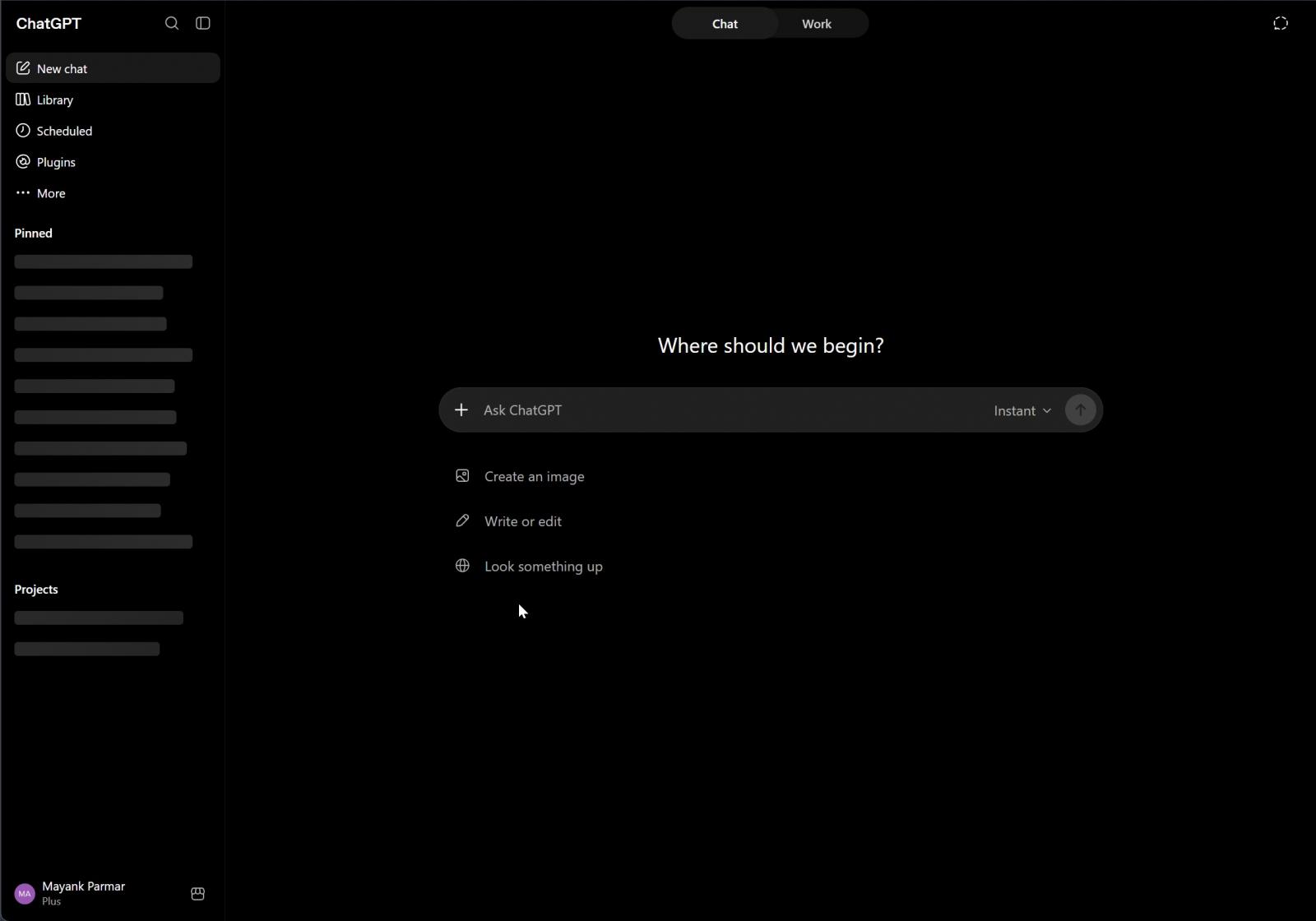
A significant service disruption has rendered OpenAI’s popular artificial intelligence chatbot, ChatGPT, inaccessible to users across the globe, sparking widespread concern among its vast user base and the developers who rely on its underlying API. The outage, which commenced at approximately 5 AM ET, has prevented users from loading new chats, retrieving previous conversations, and engaging with the AI model, manifesting as persistent loading animations and error messages citing "too many concurrent requests." The far-reaching impact of this incident extends beyond the conversational interface, also affecting OpenAI’s critically acclaimed coding platform, Codex, and numerous endpoints of the OpenAI API, which power a myriad of third-party applications and services.
Understanding the Scope of the Disruption
The core of the issue lies in the inability of ChatGPT to process user requests, leading to a complete breakdown of its interactive functionalities. Users attempting to access the platform are met with unresponsive interfaces, characterized by spinning icons and a failure to retrieve any data, including historical chat logs that are often crucial for ongoing projects and tasks. This global interruption has been confirmed to affect individuals and organizations across major continents, with reports emerging from the United States, various European nations, and other regions where ChatGPT has a substantial presence. The "too many concurrent requests" error message, frequently encountered by affected users, typically indicates an overload on the server infrastructure or a system-wide bottleneck preventing the platform from efficiently managing the incoming volume of user interactions. Such an error points towards a potential issue with resource allocation, database access, or fundamental components of the service architecture.
The ramifications of this outage are magnified by ChatGPT’s phenomenal rise since its public debut. Launched in November 2022, ChatGPT quickly became a global phenomenon, amassing over 100 million active users within its first two months, making it one of the fastest-growing consumer applications in history. Its capabilities, ranging from generating human-like text, answering complex questions, assisting with creative writing, to debugging code, have integrated it deeply into daily workflows for students, professionals, content creators, and developers alike. The sudden unavailability of such a pervasive tool inevitably leads to significant productivity losses and operational hurdles.

Chronology of the Outage
The incident unfolded rapidly, beginning in the early hours of the Eastern Time zone.
- Approximately 5:00 AM ET: Initial reports of service degradation and complete inaccessibility began to surface. Users attempting to log in or initiate new conversations found the platform unresponsive, with many reporting endless loading screens. The first error messages, primarily "too many concurrent requests," started appearing for those attempting to send messages.
- 5:15 AM ET – 5:30 AM ET: The volume of user complaints escalated, with social media platforms like Twitter and Reddit becoming hubs for individuals to confirm the widespread nature of the problem. Users from different geographic locations corroborated the symptoms, indicating a global rather than localized issue.
- 5:30 AM ET: OpenAI officially acknowledged the problem. An update was posted on the company’s official status page (status.openai.com), stating, "We are investigating the issue for the listed services." This initial acknowledgment confirmed that OpenAI’s engineering teams were aware of the disruption and had begun diagnostics.
- Subsequent Hours: Despite OpenAI’s prompt acknowledgment, user reports continued to indicate ongoing issues. While the company later updated its status page to reflect that a fix had been applied and they were monitoring the situation, independent tests conducted by various sources, including tech news outlets, suggested that full functionality had not been restored immediately. Many users continued to experience intermittent access or complete service failures, highlighting the complexity of resolving such a large-scale system issue. The persistent nature of the problem underscored that the "fix" might have been a preliminary measure or that the system required more time to stabilize and fully recover.
Impact Beyond the Chatbot Interface: API and Codex
The disruption is not confined to the public-facing ChatGPT chatbot. Critically, the outage has also affected OpenAI’s Application Programming Interface (API) and its specialized coding platform, Codex. The OpenAI API is a cornerstone for thousands of developers and businesses who integrate OpenAI’s powerful AI models into their own applications, services, and workflows. The status page listed as many as 12 API endpoints experiencing issues, signifying a substantial impairment of OpenAI’s core infrastructure.
For developers, the API downtime translates directly into disruptions for their own products. Companies relying on OpenAI’s models for tasks such as automated customer support, content generation, data analysis, or personalized recommendations would have seen their services either degrade or fail entirely. This can lead to significant financial losses, reputational damage, and a breakdown in customer service for these businesses. The widespread nature of API integration means that a single outage at OpenAI can ripple through a vast ecosystem of dependent services, underscoring the interconnectedness of modern digital infrastructure.

OpenAI Codex, a powerful AI model specifically designed to understand and generate code, has also been hit. Codex is widely used by software developers for tasks like code completion, natural language to code translation, and debugging. Its unavailability can bring development cycles to a halt, delaying projects and impacting the productivity of countless programmers worldwide. The combined impact on both the conversational AI and the coding AI platforms signifies a broad systemic challenge within OpenAI’s infrastructure, rather than an isolated issue affecting only one service.
Broader Implications and User Reactions
The outage has naturally elicited strong reactions from the global user community. Social media platforms were inundated with complaints and expressions of frustration. For many, ChatGPT has become an indispensable tool for daily tasks, ranging from drafting emails and summarizing documents to brainstorming ideas and even assisting with academic work. The sudden loss of access meant an abrupt halt to ongoing work, forcing individuals and teams to scramble for alternative solutions or simply await the restoration of service.
Professionals in various fields, including marketing, content creation, education, and software development, highlighted the direct impact on their productivity. A marketing specialist might have been unable to generate campaign ideas, a student might have lost access to research assistance, and a developer might have been unable to use Codex for coding assistance. This demonstrates the deep integration of AI tools into modern professional life and the vulnerabilities that arise when such critical infrastructure experiences downtime.
Beyond immediate productivity losses, prolonged or frequent outages can have significant implications for user trust and the perception of reliability for AI services. As AI becomes more integral to critical operations, the expectation for high uptime and stability increases exponentially. For a company at the forefront of AI innovation like OpenAI, maintaining robust and resilient infrastructure is paramount to fostering continued adoption and confidence in its cutting-edge technologies. The incident serves as a stark reminder of the challenges in scaling sophisticated AI models to serve a global user base with consistent reliability, especially given the immense computational demands of large language models.

The Landscape of AI Service Reliability
While significant, outages are not uncommon in the realm of large-scale cloud services. Even tech giants with vast resources experience occasional downtime due to a multitude of factors, including hardware failures, software bugs, network issues, or unanticipated surges in demand. However, for a service as widely adopted and critical as ChatGPT, each minute of downtime can translate into millions of lost productivity hours globally.
This incident also prompts a discussion on redundancy and contingency planning for users. As individuals and businesses increasingly rely on single points of failure for critical AI-driven tasks, the importance of having backup strategies or diversifying AI tool usage becomes evident. For developers leveraging the OpenAI API, this could involve architecting their applications to gracefully handle API downtime or integrating with multiple AI providers to mitigate risks.
From OpenAI’s perspective, such outages are critical learning opportunities. They often lead to in-depth post-mortem analyses aimed at identifying root causes, strengthening infrastructure, and implementing more resilient systems. The company’s commitment to monitoring the situation and applying fixes reflects an understanding of the urgency and the need to restore service stability swiftly. As the AI industry continues its rapid expansion, the focus on scalability, reliability, and robust disaster recovery mechanisms will only intensify.
Moving Forward: A Developing Story
As of the latest updates, OpenAI continues to monitor the situation, indicating that while efforts to restore full functionality are underway, the platform may still be experiencing residual issues or a phased recovery. The "developing story" tag underscores the ongoing nature of the incident and the potential for further updates from OpenAI regarding the complete resolution and the underlying causes of this significant global disruption. Users and developers are advised to continue monitoring OpenAI’s official status page for the most current information regarding the restoration of services. The incident serves as a powerful reminder of both the transformative potential and the inherent complexities of relying on cutting-edge artificial intelligence infrastructure.