This significant policy shift by the South Korean electronics giant underscores a growing concern within the technology industry regarding the security and privacy implications of smart devices increasingly becoming vectors for clandestine network operations. The revelation, initially brought to light by the security firm Spur, highlighted a widespread, often opaque practice of embedding residential proxy Software Development Kits (SDKs) within popular smart TV applications. These SDKs effectively transform consumer televisions, ostensibly purchased for entertainment and utility, into components of larger, commercial proxy networks, often without explicit, fully informed consent from the device owners. The issue extends beyond LG, with Spur’s research also indicating that more than a quarter of apps developed for Samsung’s Tizen operating system contained similar residential proxy components, pointing to a systemic challenge across the smart TV ecosystem.
The Unveiling of a Hidden Practice: Spur’s Research
The chronology of this unfolding situation began earlier in July when KrebsOnSecurity, a prominent cybersecurity news outlet, featured detailed research conducted by Spur. This research, initially published on Spur’s own blog, meticulously examined the prevalence and implications of residential proxy SDKs integrated into smart TV applications. The findings were stark: a substantial 42 percent of applications available for download on LG’s webOS platform were found to incorporate these SDKs, effectively turning users’ televisions into persistent proxy nodes. This meant that a user’s home internet connection and IP address could be leveraged by external entities for various online activities, ranging from legitimate business intelligence gathering to potentially illicit operations, all while the TV owner remained largely unaware of their device’s secondary function.
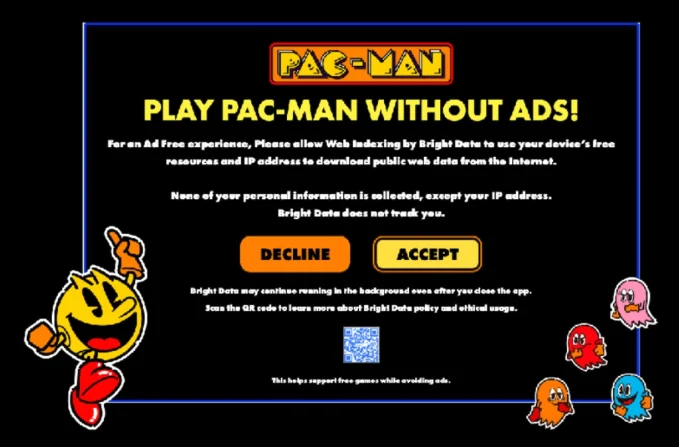
Spur’s investigation revealed that these residential proxy SDKs were not confined to obscure or niche applications. Instead, they were bundled with a wide array of popular and seemingly innocuous apps, from casual games like Pac-Man to practical tools such as screensavers and file utilities. The attractiveness for app developers in integrating such SDKs lies in the potential for additional monetization, as residential proxy providers often pay developers to include their code. This creates a financial incentive for developers, but at the potential cost of user privacy, security, and device performance. The report specifically identified Bright Data, a major player in the residential proxy network industry, as accounting for a significant majority of proxy SDKs observed across both Samsung and LG smart TV platforms.
Official Response and Commitments from LG Electronics
In the wake of Spur’s damning research, LG Electronics USA was quick to respond to inquiries, particularly from KrebsOnSecurity. John Taylor, LG’s Senior Vice President, issued a clear statement indicating the company’s stance and immediate actions. Taylor unequivocally stated that "a residential proxy network is not an intended use for LG smart TVs." He further elaborated that LG Electronics was actively engaging with app developers to ensure the removal of these residential proxy options from their applications hosted on the webOS platform. The company’s directive was firm: developers who fail to comply with this mandate would face the suspension of their apps from the LG content store.
This commitment extends beyond immediate remediation. Taylor emphasized LG’s dedication to preventing the future infiltration of residential proxy networks into its smart TV applications. He affirmed that the company’s review process for existing apps was "well underway" and that LG would "continue to strengthen our evaluation process for developer-submitted apps, including those that incorporate residential proxy SDKs, as part of our ongoing efforts to enhance platform quality and the user experience." This proactive stance signals a recognition of the need for more stringent oversight and a renewed focus on platform integrity, especially as smart TVs become increasingly integrated into the digital lives of consumers.
Understanding Residential Proxies and Their Ecosystem
To fully grasp the implications of LG’s actions, it’s crucial to understand what residential proxies are and why their embedded presence in consumer devices raises alarms. A residential proxy routes internet traffic through a real residential IP address, making it appear as if the traffic originates from a genuine home internet connection. This differs significantly from datacenter proxies, which use IPs associated with commercial hosting providers.
The primary appeal of residential proxies lies in their ability to bypass many online restrictions, such as geo-blocking, CAPTCHAs, and IP-based rate limits, which are often designed to detect and block automated or suspicious activity originating from datacenter IPs. Legitimate uses for residential proxies include:
- Market Research and Price Comparison: Businesses use them to gather data on competitors’ pricing and product availability in different geographical regions.
- Ad Verification: Ensuring that advertisements are displayed correctly and legitimately in various locations.
- SEO Monitoring: Checking search engine rankings from diverse locations.
- Brand Protection: Monitoring for unauthorized use of trademarks or copyrighted content.
However, the very anonymity and distributed nature of residential proxies also make them attractive for less scrupulous activities, including:

- Credential Stuffing: Attempting to log into user accounts using stolen credentials.
- Spamming: Sending large volumes of unsolicited emails or messages.
- Distributed Denial of Service (DDoS) Attacks: Overwhelming target servers with traffic.
- Fraudulent Activities: Creating fake accounts or engaging in other forms of online deception.
When a user’s smart TV becomes a residential proxy node, their IP address and internet connection are utilized for these diverse activities. This raises significant concerns about bandwidth consumption, potential legal liability if the IP is used for illegal acts, and general security risks to the user’s home network.
The Debate Over Consent and Responsibility: Bright Data’s Perspective
Bright Data, the residential proxy network identified by Spur as a major player in this space, provided a statement to KrebsOnSecurity, asserting its commitment to ethical practices. The company maintained that its network operates on principles of "consent and responsibility" and adheres to the terms set forth by LG and Samsung.
Bright Data’s statement highlighted several key points:
- Opt-in Mechanism: "Every peer opts in through a dedicated screen and receives value in return." This suggests that users are presented with a choice, often in exchange for a free app or premium features. The "value in return" could be the monetization for app developers, which in turn allows them to offer apps for free or at a reduced cost to users.
- Customer Vetting: "Every customer is vetted." Bright Data claims to employ rigorous "know-your-customer" (KYC) processes to validate the legitimate uses of their services by clients.
- Independent Audits: "Our practices have now undergone a second independent audit by PwC." This suggests an effort to establish transparency and accountability through external verification.
- Commitment to an Open Internet: The company reiterated its commitment to an "open, transparent internet where legitimate businesses, researchers, and institutions can responsibly access data that lives in the public domain."
While Bright Data’s statement emphasizes consent and responsible usage, the core of Spur’s critique, articulated by Trevor Sutter, revolves around the quality and transparency of that consent. Sutter argues that "a one-time consent prompt buried in a TV app is not a substitute for meaningful transparency, ongoing control, and platform oversight." He further highlights the amplified risk when consent is given by individuals within a household, such as minors, who may use the device but lack the understanding or authority to grant such permissions. This distinction between technical "opt-in" and truly informed, ongoing consent is central to the ethical debate surrounding embedded proxy SDKs.
Furthermore, while proxy companies like Bright Data claim to incorporate technological countermeasures to prevent their service customers from interacting with or controlling other devices on the proxy user’s local network, the very act of routing unknown third-party traffic through a home network introduces an inherent layer of risk that many consumers are not equipped to assess or mitigate.
Broader Implications for the Smart TV Ecosystem and Consumer Trust
LG’s announcement marks a crucial turning point, not just for its own platform but potentially for the entire smart TV industry. The widespread adoption of smart TVs has transformed them from mere display devices into powerful, internet-connected computers capable of running diverse applications. This evolution, while offering enhanced functionality, also brings with it the complex security and privacy challenges typically associated with general-purpose computing devices.
The implications of this incident are multifaceted:
- For Consumers: The primary impact is on privacy and security. Users expect their home devices to serve their intended purpose without secretly facilitating commercial network operations. The discovery of embedded proxy SDKs erodes consumer trust and highlights the need for greater transparency from both device manufacturers and app developers. It also underscores the potential for device performance degradation due to bandwidth consumption and the subtle but real security risks of having an unknown entity’s traffic flow through one’s home network.
- For App Developers: This move will necessitate a re-evaluation of monetization strategies. While the lure of additional revenue from proxy SDKs is strong, developers must now weigh this against the risk of app suspension and reputational damage. It also calls for greater diligence in vetting third-party SDKs and understanding their full operational scope.
- For Smart TV Manufacturers: LG’s decisive action sets a precedent for other manufacturers like Samsung, which also faces similar challenges as per Spur’s research. This incident places a spotlight on the responsibility of platform holders to rigorously vet applications and ensure that their app stores remain secure and trustworthy environments. It forces a critical examination of platform governance, app review processes, and ongoing monitoring mechanisms. The balance between fostering an open developer ecosystem and maintaining user security is delicate.
- For the Cybersecurity Landscape: The incident highlights a novel vector for proxy network expansion, moving beyond traditional computers and mobile devices into less-scrutinized IoT (Internet of Things) devices. This necessitates broader awareness and research into the security posture of various connected devices within the home.
Past Scrutiny and the Path Forward
This isn’t the first time LG has faced scrutiny over questionable partnerships or pre-installed software. Earlier in the week of this announcement, the popular YouTube channel Gamers Nexus revealed that certain high-end LG LCD monitors were automatically installing an application promoting paid McAfee antivirus subscriptions. This app reportedly arrived through Windows Update without an explicit approval prompt, raising further questions about LG’s approach to bundling third-party software and its implications for user autonomy and system cleanliness. This pattern suggests a broader need for LG to reinforce its internal policies regarding third-party software integration across its product lines.
The challenge for smart TV manufacturers, and indeed for the entire IoT industry, is to balance innovation and functionality with robust security and transparent privacy practices. As homes become increasingly interconnected, the potential for devices to be repurposed for unintended and potentially harmful uses grows. LG’s decision to suspend apps with residential proxy SDKs is a welcome step towards reclaiming user trust and fortifying the security of its webOS platform. However, ongoing vigilance, enhanced app vetting, clear communication with users, and potentially industry-wide standards will be essential to ensure that smart TVs remain primarily a source of entertainment and utility, rather than unwitting participants in global proxy networks. The ultimate success will lie in fostering an ecosystem where monetization models align with, rather than compromise, consumer privacy and security expectations.
Related posts: